REVIEW · CAIRO
Private Half-day Tour to Giza Pyramids and Sphinx with Camel Ride and Lunch
Book on Viator →Operated by MiniTripTours Agency · Bookable on Viator
Camel time on Giza is short and sweet. This private half-day tour strings together the Pyramids of Giza, Sphinx, and Solar Boat Museum with a qualified Egyptologist guide, so you get context—not just photos. I also like that the schedule is built around the big, recognizable sights while still slipping in museum time. One thing to keep in mind: the day can feel a bit time-pressed, and the koshary lunch details are worth confirming when you book.
The best part for me is the pacing tool you get with private guiding: you can ask follow-up questions and keep the focus on what you care about. The main drawback is that a half-day plan can still move briskly on-site, especially around the most crowded photo spots. And if lunch is important to you, don’t assume it will be a full sit-down meal—ask what’s included and when it’s served.
In This Review
- Key Highlights You’ll Feel Right Away
- From Cairo: Why Private Transport Matters on This Route
- The Camel Ride on the Giza Plateau: Fun, But Keep Expectations Clear
- Pyramids of Giza: How to Make Two Hours Actually Count
- Great Sphinx and the Temple Connection: Seeing More Than a Face
- The Khufu Boat at the Solar Boat Museum: Small Museum, Big Payoff
- Koshary Lunch in Giza: A National Dish Worth Planning For
- Price and Value: Why $60 Can Work (If You Want This Exact Mix)
- Who Should Book This Private Giza Tour
- Tips to Get the Best Day Out of Giza
- Should You Book This Private Half-Day Giza Tour?
- FAQ
- What is the duration of this tour?
- Is pickup from Cairo included?
- How long is the camel ride?
- What does the tour include?
- Are admission fees included for the sites?
- Is lunch included, and what is it?
- Do I need to tip?
- What is the cancellation policy?
- What happens if the weather is bad?
Key Highlights You’ll Feel Right Away
- Private guide + private transportation: you avoid the slow shuffle of group logistics.
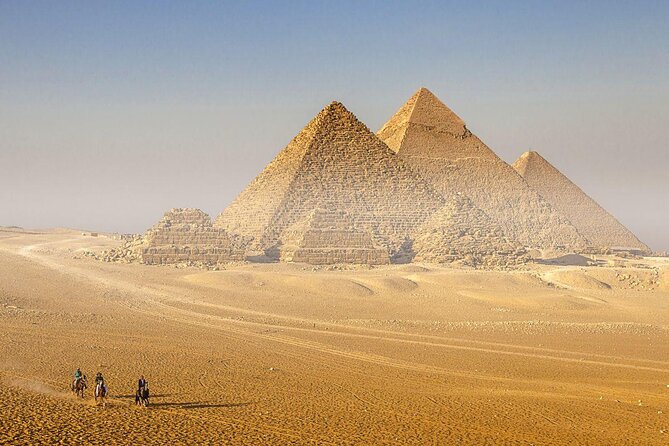
- 30-minute camel ride on the Giza Plateau: short, memorable, and positioned for great views.
- Egyptologist explanations at the Sphinx and Giza monuments: you’ll know what you’re looking at.
- Solar Boat Museum and the Khufu boat: museum time without losing the magic of the pyramids.
- Koshary lunch stop: a taste of Egypt’s national comfort food to close the loop.
From Cairo: Why Private Transport Matters on This Route
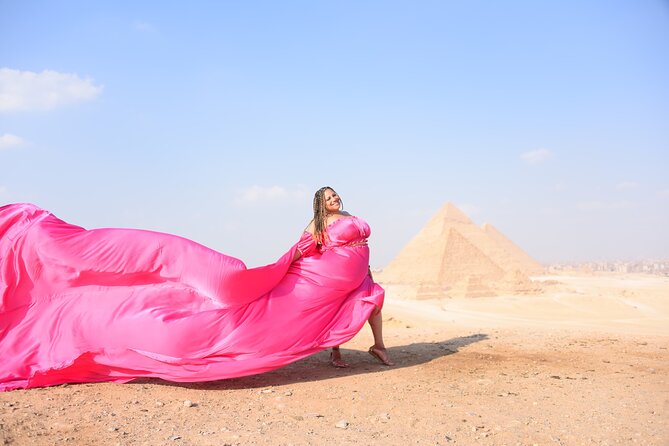
Getting to Giza can be the tricky part of any day trip—traffic, timing, and the sheer number of moving pieces. That’s where private transportation earns its keep. Your pickup-and-drive approach means you’re not guessing where to meet, when to move, or how long the transfer will stretch.
Because this is a private experience, you also get a smoother rhythm once you arrive. You can step in and out with less waiting, and your guide can shape the order and pace to match the flow on the grounds. For a half-day, that matters a lot. Cairo’s best sightseeing value often comes from cutting down the wasted minutes between stops.
You can also read our reviews of more private tours in Cairo

The Camel Ride on the Giza Plateau: Fun, But Keep Expectations Clear

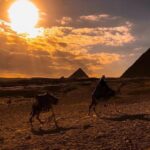
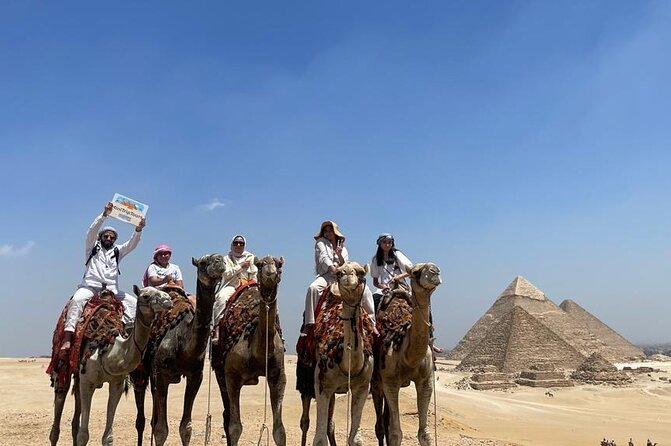
The headline experience here is the camel ride across the Giza Plateau. You’re looking at iconic pyramids while you’re up on the camel—so even if you’re not a lifelong camel person, it’s an easy, high-impact “only in Egypt” moment.
A key practical point: the ride is scheduled as a short block (listed as 30 minutes). That’s normal for this area, where you’re balancing safety, handling time, and the fact that the pyramids are the real centerpiece. If you want the ride to be long enough to really slow down and enjoy the view, plan to treat it as a highlight rather than the main event.
Tip: wear closed-toe shoes with good grip. The ground around monuments can be uneven, and you’ll be walking between photo points before and after the ride. Also, bring sunglasses and sun protection—Giza is bright for most of the day.
Pyramids of Giza: How to Make Two Hours Actually Count
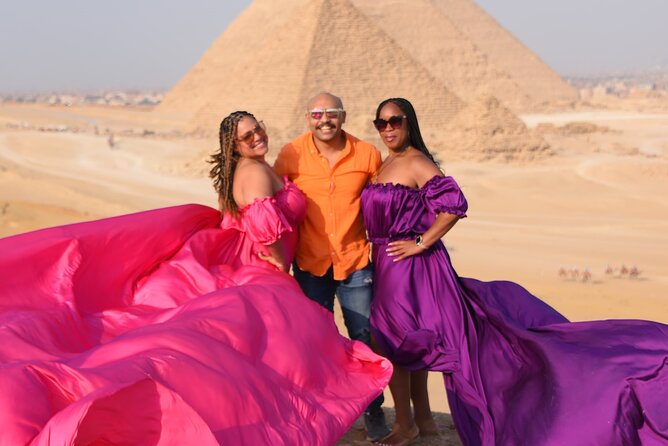
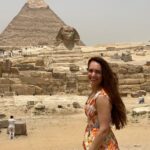
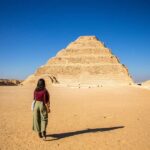
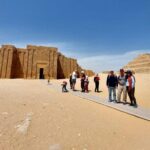
The Pyramids of Giza stop is the big anchor, with about two hours set aside. When you only have half a day, you don’t want to spend it trying to figure out what’s what. The guide’s job is to help you get your bearings fast, then focus your attention on the most meaningful viewpoints.
What’s especially useful with an Egyptologist guide is that you’re not just looking at huge shapes. You’re getting the “why this matters” layer—how these monuments fit into ancient Egyptian worldview and royal power. Even if you’ve read a few basics before, having a guide put the story into plain language helps the whole scene click.
Here’s what I’d do to get more out of the time:
- Choose one pyramid to focus on for photos and angles, then let the others support the composition.
- Ask your guide what detail is most worth seeing up close at your chosen viewpoint (edge lines, scale, orientation).
- Keep some extra energy for walking near the viewpoints, not just posing.
One consideration: the pyramids area can be busy. The point of private guiding is to keep your movement efficient, but you still may need to work with crowd flow around the most popular angles.
Great Sphinx and the Temple Connection: Seeing More Than a Face
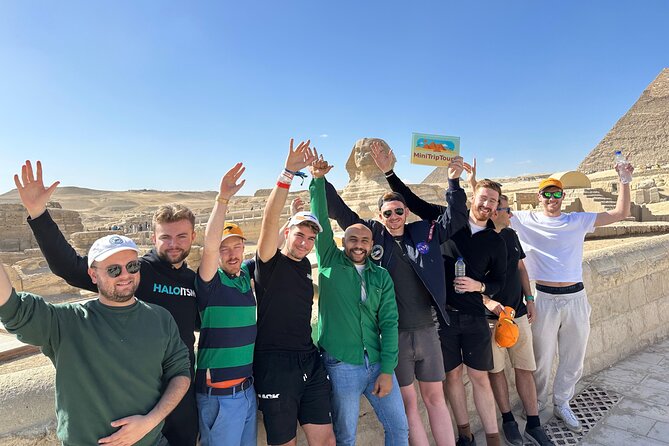
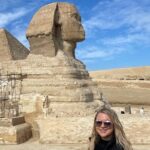
Next comes the Great Sphinx, the famous 20-meter-tall (about 66-foot) landmark that keeps sparking debate about meaning, age, and original builder. The value of having a knowledgeable guide here is obvious: you’re not only seeing a monument—you’re hearing the main theories and why people argue about them.
Then you move to a temple area tied to mummification rituals. This part of the visit focuses on two functions: purification of the king’s mummy before burial, and use in the making of the mummification process. That’s a powerful shift from pure landmark sightseeing into cultural context. Suddenly, you can connect the stones you’re looking at to the ancient process of preparing a ruler for the afterlife.
Practical note: if you’re sensitive to sun and standing still, plan to keep moving. Monument areas invite stopping for photos, but you’ll get better comfort by walking a bit between views rather than lingering too long in one spot.
The Khufu Boat at the Solar Boat Museum: Small Museum, Big Payoff
The Solar Boat Museum is one of those stops people either skip—or remember forever. Here, it’s included for about an hour, and the focus is very specific: the solar ships of Khufu, with the best-known boat presented as the star piece.
Khufu’s boat is described as about 43.3 meters long and weighing around 45 tons. That scale lands differently inside a museum setting. Outside, pyramids can overwhelm you with size. Inside a museum, you get to appreciate craftsmanship and preservation—plus you don’t have to deal with the same crowd pressure as the main monument viewpoints.
What makes this stop valuable is variety. After pyramids and the Sphinx, you’re still in Giza, but the mood changes. You slow down, look closely, and understand that the monuments weren’t just landforms—they were part of a larger ritual world that included boats, technology, and royal journeys.
If you care about museum-style learning, this is a great moment to ask targeted questions. Since the display is focused on one major boat, it’s easier for your guide to explain without wandering.
A few more Cairo tours and experiences worth a look

Koshary Lunch in Giza: A National Dish Worth Planning For
Your half-day ends with koshary, Egypt’s national dish, served as an Egyptian lunch. Koshary (kushari/koshari) is widely loved and often described as a street-food kind of comfort: filling, flavorful, and easy to eat even when you’re tired from walking.
Now, here’s the practical consideration to keep you happy: while lunch is scheduled as part of the day, don’t assume it will automatically be a long, sit-down meal. It may be quick and straightforward, and that can be perfect after a busy morning—just make sure it matches your expectations.
If food matters to you, ask:
- when lunch is served in the timeline,
- whether you’ll have time to eat at a comfortable pace,
- and what form the koshary will take (portion size and style).
Price and Value: Why $60 Can Work (If You Want This Exact Mix)
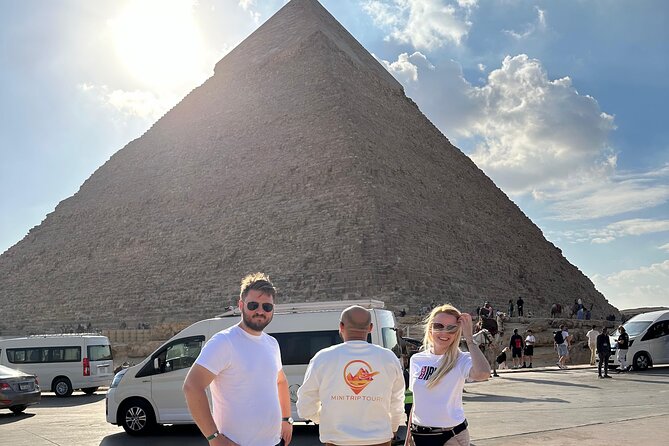
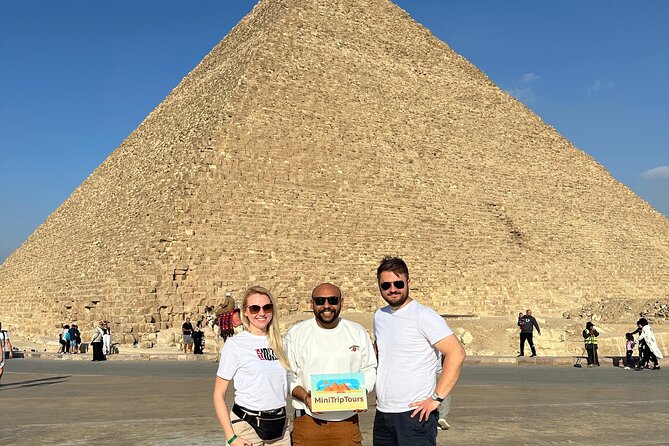
At $60 per person, this tour is priced like a focused “greatest hits” day. The value gets stronger because key costs are handled for you: bottled water, private transportation, a qualified Egyptologist guide, and all fees and taxes are included. You’re also getting the camel ride as part of the package.
You should compare this against the cost of piecing together separate elements:
- independent guide time,
- entry fees and museum access,
- transportation,
- and arranging camel ride logistics on your own.
For many visitors, the biggest value isn’t only saving money—it’s saving time and stress. Giza is not the place where you want to experiment with last-minute planning.
Still, there’s one “fit” factor. This is a half-day tour. If you want to linger at every viewpoint, do long museum wandering, and move at a slow pace, you might find it tight. But if you want a high-efficiency day that hits the essentials with real context, it’s a solid deal.
Who Should Book This Private Giza Tour
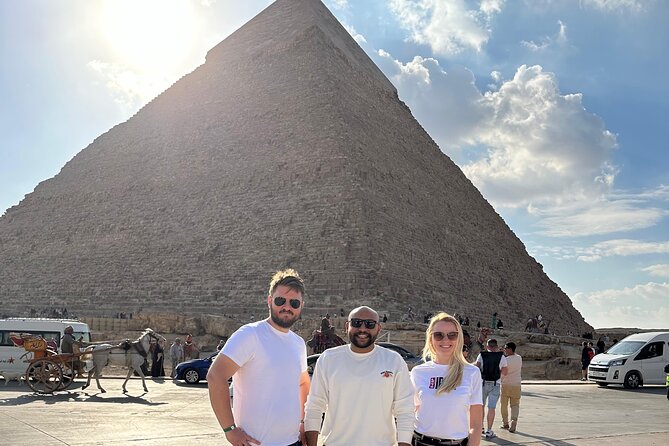
This tour fits best if you:
- want private guiding rather than a crowded group shuffle,
- like structured sightseeing with explanations,
- care about getting both monument views and museum content,
- and prefer a short day with a clear ending.
It’s also a good option if you’re visiting Cairo on a schedule where you can’t commit a full day. You’ll still get the big icons—Pyramids, Sphinx, and the Khufu boat—plus a local food finish.
Most people can participate, and the plan is built as a half-day route rather than something that requires extreme endurance. If you have mobility concerns, you’ll want to speak up before booking so your guide can steer the walking plan.
Tips to Get the Best Day Out of Giza
Here are a few simple moves that will make the experience smoother:
- Wear sun protection and comfortable shoes you can walk in for several hours.
- Bring a light layer for air-conditioned vehicles during transfers.
- Ask your guide at the start what the best photo angles are given the time of day.
- If camel riding is a priority, confirm your timing and plan to arrive ready (water, hat, sunscreen).
- For lunch, treat it as a planned stop, but double-check how it’s handled on your booking confirmation.
One more practical note: half-day tours sometimes feel rushed—not because the tour is wrong, but because the site is busy. Your best defense is clear expectations: you’re there for a highlight route, not a slow meander.
Should You Book This Private Half-Day Giza Tour?
I’d book it if you want a clean, efficient Giza sampler with an Egyptologist guide, a camel ride, Solar Boat Museum time, and a koshary finish. At $60 with private transport and major inclusions, it’s good value for the structure alone.
I’d pause or ask more questions before booking if:
- you’re strongly concerned about lunch style and how much time you’ll get to eat,
- you dislike feeling rushed in busy monument sites,
- or you want an in-depth, all-day exploration of fewer places.
Also, it’s a private tour with high satisfaction in its category, with a 4.9 rating and a 96% recommendation rate based on 24 reviews. That’s a comforting signal that most people leave feeling the day delivered what it promised.
FAQ
What is the duration of this tour?
The tour is listed as approximately 6 hours.
Is pickup from Cairo included?
Pickup is offered.
How long is the camel ride?
The camel ride is included and listed as 30 minutes.
What does the tour include?
It includes bottled water, private transportation, the camel ride, a qualified Egyptologist guide, and all fees and taxes.
Are admission fees included for the sites?
The tour lists all fees and taxes as included, and the stops show admission ticket free for the scheduled locations.
Is lunch included, and what is it?
The day includes a lunch stop featuring koshary, Egypt’s national dish. What you receive can depend on what’s arranged for your booking, so it’s smart to confirm lunch details when you book.
Do I need to tip?
Tipping is not included.
What is the cancellation policy?
Free cancellation is available up to 24 hours in advance for a full refund.
What happens if the weather is bad?
The experience requires good weather. If it’s canceled due to poor weather, you’ll be offered a different date or a full refund.