REVIEW · CAIRO
Private Day Tour Egyptian Museum, Citadel ,Mohamed Ali Mosque and Coptic Cairo
Book on Viator →Operated by GEM Explore Egypt · Bookable on Viator
One day, three Cairo eras. This private tour strings together Egyptian Museum highlights, the Coptic Cairo churches around Fort Babylon, plus the big-name Islamic landmarks in between, all in one long day with hotel pickup. I like that the schedule starts early and keeps moving, so you cover ancient, Ottoman-era, and early Christian Cairo without feeling rushed between neighborhoods.
My second favorite part is the guide. When the person holding the mic knows Cairo across time, the day clicks fast, and a guide named Ola stood out for clear, accurate explanations spanning ancient Egypt, Islamic sights, and Coptic churches.
One thing to plan for: it’s a 7 to 8 hour day, and what you pay for can change based on your upgrade choice, especially around entry fees and lunch.
In This Review
- Key points worth knowing before you go
- How this Cairo route covers ancient, Islamic, and Christian Cairo in one day
- Egyptian Museum morning: Tutankhamun’s mask and 120,000 artifacts
- Saladin Citadel: the medieval power center view
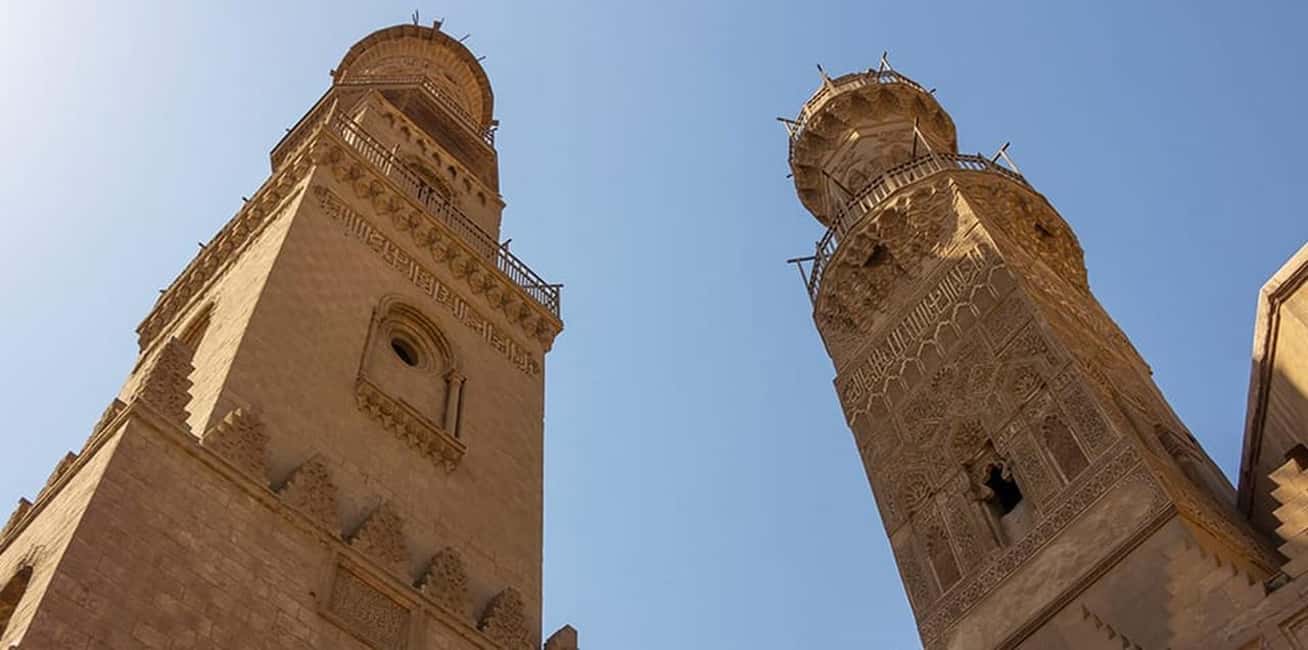
- Mohammed Ali Mosque (Alabaster Mosque): 86m minarets and gold-plated domes
- Lunch and pacing: where the upgrade can change your day
- Coptic Cairo around Fort Babylon: Hanging Church territory
- The Hanging Church: an old church built over Roman remains
- Saints Sergius and Bacchus: the Cavern Church and the Holy Family tradition
- Ben Ezra Synagogue in Fustat: baby Moses and the famous geniza
- Private guide quality: why Ola-style explanations make the day worth it
- Price and what your $60 does (and doesn’t) include
- Transfers, timing, and comfort for a 7 to 8 hour loop
- Should you book this private Cairo day tour?
- FAQ
- What is the duration of the tour?
- How much does the tour cost?
- Is hotel pickup and drop-off included?
- Is this a private tour?
- What main sites are included in the day?
- Are entrance fees included?
- Is lunch included?
- Does the tour provide water?
- Can I cancel for free?
Key points worth knowing before you go
- Hotel pickup and drop-off: door-to-door transport across Cairo and Giza helps you avoid city logistics.
- A three-era route: Pharaonic artifacts, Saladin-era and Ottoman landmarks, then Coptic sites like the Hanging Church.
- Muhammad Ali Mosque details: expect the Ottoman-era look, including 86m minarets and gold-plated domes.
- Coptic Cairo in one sweep: Fort Babylon area, Hanging Church, Saints Sergius and Bacchus (Cavern Church), plus Ben Ezra Synagogue.
- Guide quality matters: Ola-style storytelling can turn monuments into a timeline you can actually follow.
- Optional upgrades: you may need to choose the package that includes entry fees and a restaurant lunch.
How this Cairo route covers ancient, Islamic, and Christian Cairo in one day
Cairo does two UNESCO-listed things well: ancient treasures and the older medieval core of Old Cairo. This tour tries to give you both tracks on the same day. You start with the Egyptian Museum, shift to the Citadel area and the famous Ottoman mosque, then finish in the Coptic part of Old Cairo around Fort Babylon and its oldest Christian sites.
The value here is time. With a private car and a guide, you spend less time figuring out transit and more time getting the stories straight—especially when you’re moving across very different styles of architecture and worship.
You can also read our reviews of more private tours in Cairo


Egyptian Museum morning: Tutankhamun’s mask and 120,000 artifacts

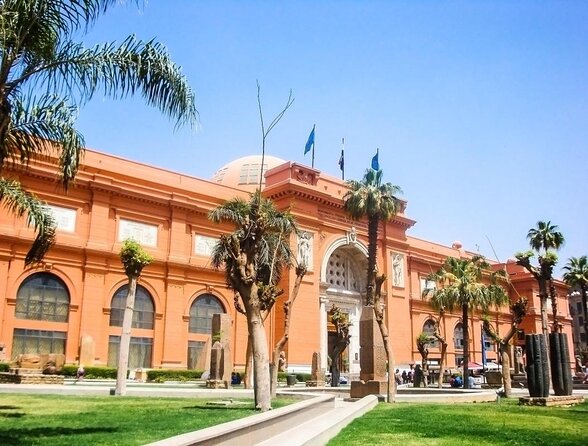
The day kicks off around 8:00 AM with pickup from your requested location. Your first stop is the Museum of Egyptian Antiquities, with time set aside for about 2 hours 30 minutes.
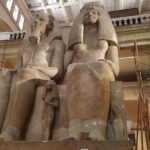
This is where you see the museum’s core strength: a collection stretching back up to roughly 6,000 years, with a total on the order of 120,000 ancient items. A big reason people choose a morning museum start is that it sets the tone. You get the pharaoh-era context before you head into the Islamic and Coptic layers of the city.
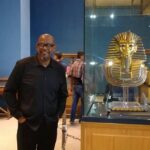
The museum also calls out one star attraction: the Tutankhamun exhibit, including his golden mask and jewelry. If you’re only in Cairo for a short window, that kind of anchor piece helps you make sense of the huge museum scale without getting lost in it.
Practical note: entry fee details can depend on what you select. The tour package information says entry fees are included only if you choose the option that adds them, so check your booking confirmation so you don’t get surprised at the ticket counter.
Saladin Citadel: the medieval power center view
From the museum, the tour heads to Cairo Citadel, also linked with Saladin (the schedule notes it as Saladin Citadel and dates it back to the 11th century). You get about 1 hour here.
This stop is more than a photo stop. The Citadel is described as the seat of government and residence of Egypt’s rulers for more than 700 years, so the guide can place what you see into a longer political story. It’s also presented as a major Islamic monument in the Middle East, and the site is said to include 13 fortified towers and 7 mosques.
A good reason this fits into the day: it’s a bridge between eras. After the Egyptian Museum, you’re moving into the architectural language of Islamic Cairo, and the Citadel area gives you a big landmark scale.
Mohammed Ali Mosque (Alabaster Mosque): 86m minarets and gold-plated domes
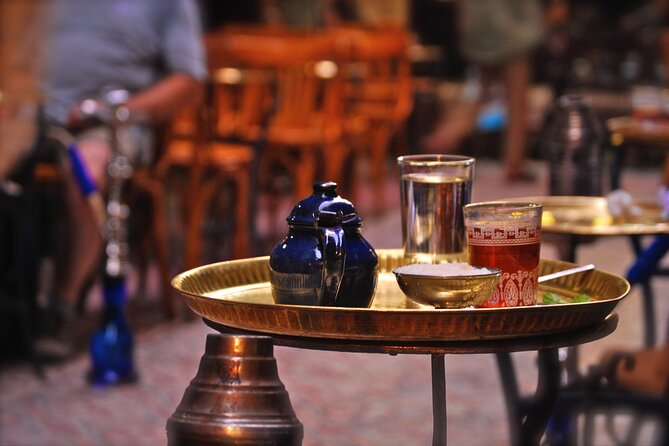
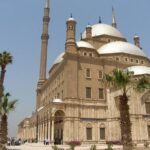
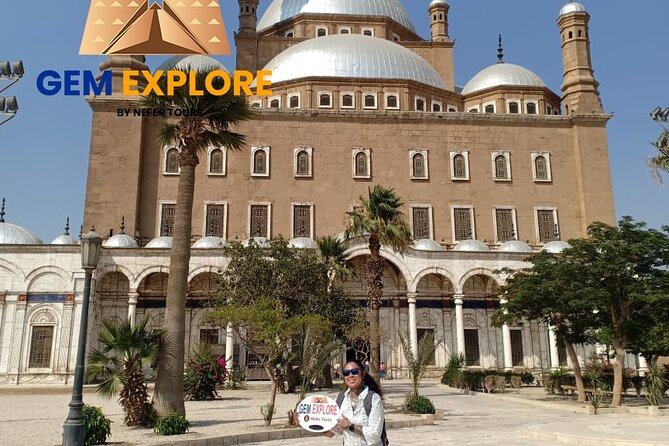
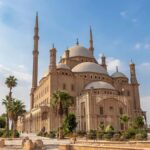
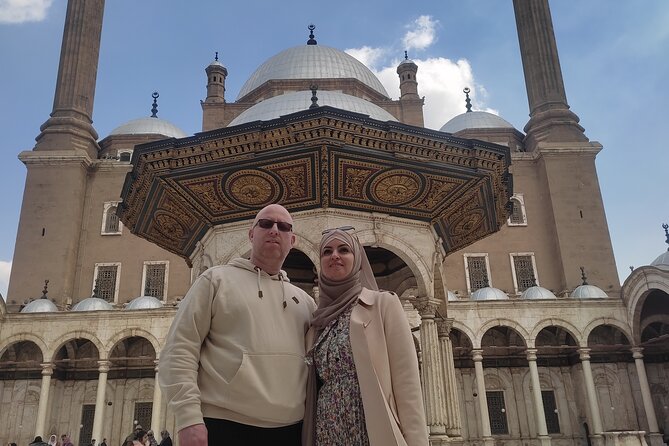
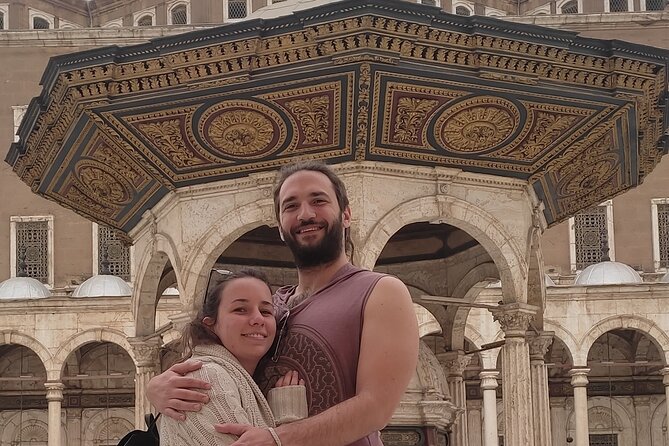
Next comes Mosque of Muhammad Ali, also called the Alabaster Mosque (the tour notes it as Ottoman Mosque). You get about 1 hour on-site.
This is one of the most visually memorable stops in Cairo’s Islamic Cairo stretch because of the materials and the shape. The tour information highlights:
- minarets up to 86 meters
- domes inside plated with gold
- walls inside and outside made of alabaster
- completion in 1848 AD
If you’ve never seen an Ottoman-era mosque up close, it’s a clear shift from older Egyptian tones and even from earlier Islamic layouts you might see elsewhere in the city. You can also use this stop as a mental reset point before you go to the more layered religious sites in Coptic Cairo.
Lunch and pacing: where the upgrade can change your day
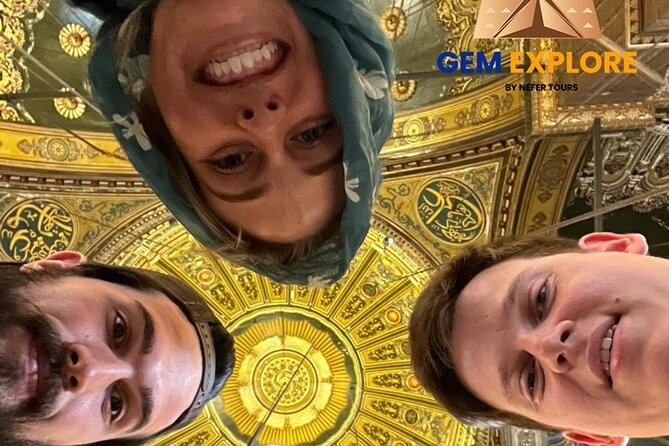
After the Islamic Cairo part, there’s a lunch break in the middle of the day before you move into Coptic Cairo. The tour offers an upgrade that includes restaurant lunch, plus entrance fees.
If you don’t choose the lunch option, you’ll want to plan for food on your own. Either way, the main thing is timing: the tour is set to run about 7 to 8 hours, and the route is packed with multiple active stops. A scheduled break helps you avoid the late-day fatigue that can make churches feel like checkboxes instead of places.
You can also read our reviews of more museum experiences in Cairo

Coptic Cairo around Fort Babylon: Hanging Church territory
Your next phase is Coptic Cairo, where the tour notes areas connected to Pabylon Fortress and several major historic churches. You get around 30 minutes before the itinerary highlights two key church stops that follow.
Coptic Cairo is presented as its own area within Old Cairo, with references to:
- Pabylon Fortress
- Hanging Church
- Greek Church of St. George
- Saints Sergius and Bacchus
- other Coptic churches in the area
There’s also a tradition mentioned in the tour details: the Holy Family is believed to have stayed at the site of Saints Sergius and Bacchus church as a way from the Roman army. That kind of story is exactly why a guide matters here. Without context, you might see beautiful church spaces; with context, you understand why this part of Cairo became a pilgrimage zone.
The Hanging Church: an old church built over Roman remains
The Hanging Church stop runs about 45 minutes. The tour explains that around Fort Babylon, Egyptian Christians’ oldest churches were built.
This is where the name gets its meaning through archaeology and tradition. The area is said to hold ruins of Roman fortifications and towers, and the hanging church was built over that older foundation. The stop is also described as a pilgrimage destination for people of different religions around the world.
If you care about how places layer over time, this is one of the biggest payoffs in the entire itinerary.
Saints Sergius and Bacchus: the Cavern Church and the Holy Family tradition
Next is the Church of St. Sergius and Bacchus, sometimes referred to as the Cavern Church, for about 45 minutes.
This stop is heavy on tradition and history at the same time. The tour notes a specific belief: the cavern church may have been built on the spot where the Holy Family (Joseph, Mary, and the infant Jesus) rested at the end of their journey into Egypt. It also says Joseph worked at the fortress, which links the church’s location to the Roman-era setting.
There’s another important historical detail in the tour information: it’s where many patriarchs of the Coptic Church were elected. That makes this stop feel more than devotional. You’re seeing a place tied to leadership and continuity in Coptic Christianity.
Ben Ezra Synagogue in Fustat: baby Moses and the famous geniza
The final stops shift to Jewish history in the Old Cairo area, with Synagogue Ben Ezra for about 30 minutes.
The tour places it in Fustat and shares local folklore about its site: baby Moses was used to pray there. The synagogue is also connected to a major discovery. The tour notes that in the 19th century, a geniza store room was found holding forgotten manuscripts, including Hebrew, Aramaic, and Judeo-Arabic secular and sacred texts.
This is a nice counterweight to the Christian sites earlier in the afternoon. It keeps the day from turning into one single religious thread and instead shows how Old Cairo communities intersected across centuries.
Private guide quality: why Ola-style explanations make the day worth it
This tour puts a lot of weight on the guide, and it’s the right choice. Cairo is full of sites that look impressive, but only become meaningful when someone connects dates, architecture, and religious stories.
In the provided feedback, a guide named Ola stood out for inspiring and clear explanations, plus strong command across the ancient Egypt, Islamic, and Coptic portions of the route. Another standout theme is that the guide’s answers could run beyond the strict site list, which is helpful when you have follow-up questions that don’t fit into a schedule.
If you pick a private tour, you want the guide to do more than point. Here, the guide is part of the value.
Price and what your $60 does (and doesn’t) include
The tour is priced at $60.00 per person. It’s an experience that’s often booked around 30 days in advance, which is a sign that people plan it as part of a tighter Cairo schedule.
Here’s the key value question: what’s included at this price level. The tour package includes:
- expert tour guide
- pick up & drop off at your accommodation in Cairo or Giza
- bottled water
- mobile ticket
- optional inclusion of entrance fees and lunch if you select that option
So, $60 buys you the private structure and the guiding help, plus transport. If you want the convenience of having entrance fees and lunch handled, you’ll need to choose the upgrade option. One area to double-check: the stop descriptions label admissions as free, while the included section says entrance fees depend on the selected option. To avoid confusion, confirm what your specific booking includes in the ticket/upgrade line.
Pickup surcharges can also affect value depending on where you’re staying. The tour lists additional costs of:
- $15 per head for pickup from the airport, New Cairo, Nasr City, and 6 of October
- $20 per head from the new administration capital
If you’re outside central Cairo/Giza, ask early so you can budget correctly.
Transfers, timing, and comfort for a 7 to 8 hour loop
The route is designed around two-way transfers. Pickup is offered from accommodations in Cairo and Giza, and the private format means you’re not negotiating schedules with strangers.
The day is listed as 7 to 8 hours, so it’s not a quick hit. You’re moving through major sites across different neighborhoods, including museum time, mosque time, and multiple religious stops in Coptic Cairo. That length is normal for this type of “three-era” itinerary, but it does mean you’ll likely want to travel light and keep your documents accessible.
You’ll also want to use the bottled water and plan for the fact that several stops involve walking inside historic spaces where the pace can vary.
Should you book this private Cairo day tour?
Book it if you want a structured day that covers:
- major Egyptian Museum highlights (including Tutankhamun’s mask and jewelry)
- the big skyline storytelling stop at the Citadel
- the standout visual landmark of Mosque of Muhammad Ali
- Coptic Cairo churches like the Hanging Church and Saints Sergius and Bacchus
- plus Ben Ezra Synagogue and its geniza manuscript history
I’d also lean toward booking if you care about explanations and you don’t want to piece the story together yourself. The guide quality comes through in the feedback, with Ola specifically highlighted for clear, accurate teaching across eras.
Skip it or consider a different format if you prefer slower museum time. With only about 2.5 hours at the museum and shorter windows at each church, you won’t have the option to wander for hours without a schedule.
If you do book, my advice is simple: confirm whether your chosen package includes entrance fees and lunch so the day stays easy, and budget extra pickup costs if you’re starting from beyond central Cairo/Giza.
FAQ
What is the duration of the tour?
The tour runs about 7 to 8 hours.
How much does the tour cost?
The price is $60.00 per person.
Is hotel pickup and drop-off included?
Yes. The tour includes pick up and drop off at your accommodation in Cairo or Giza. Extra charges apply for pickup from the airport, New Cairo, Nasr City, and 6 of October, and also from the new administration capital.
Is this a private tour?
Yes. It’s a private tour/activity, and only your group will participate.
What main sites are included in the day?
You’ll visit the Egyptian Museum, Cairo Citadel, Mosque of Muhammad Ali (Alabaster Mosque), Coptic Cairo including the Hanging Church and Church of St. Sergius and Bacchus, and Synagogue Ben Ezra.
Are entrance fees included?
Entrance fees are included only if you picked the option that adds entry fees. Otherwise, they are not listed as included by default.
Is lunch included?
Lunch is included if you picked the option that adds lunch.
Does the tour provide water?
Yes. Bottled water is included.
Can I cancel for free?
Yes. Free cancellation is available up to 24 hours before the experience starts for a full refund.