REVIEW · CAIRO
Private Cairo Aswan Luxor 8 days 7 nights with Nile Cruise
Book on Viator →Operated by Your Egypt Tours · Bookable on Viator
One itinerary. Three ancient “wow” zones.
What makes this trip interesting is the mix of Cairo big sights, then a slow, scenic Nile cruise, and finally Luxor’s temple circuit—without you constantly planning transport. I especially like that you get a guided hit of the Pyramids of Giza plus the Egyptian Museum in the same Cairo stretch, with enough time to go inside one pyramid chamber or the Sun boat area. And because this is a private set-up, I like the way the day can stay focused instead of turning into a bus-chasing contest.
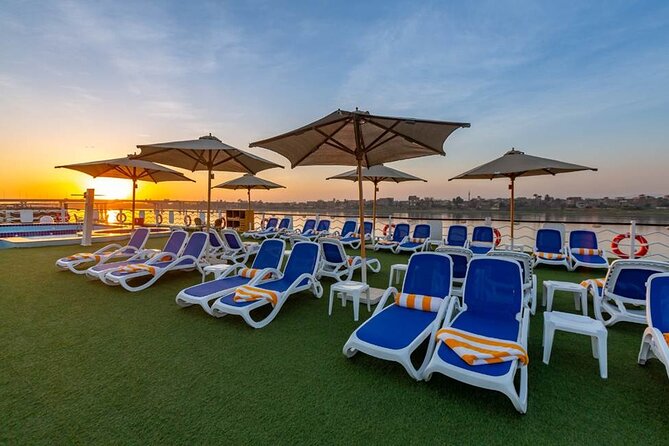
My second favorite part is the structure: overnight trains plus three nights on the Nile with full board. That combo cuts down on wasted daylight and lets you actually rest between Egypt’s major stops. One consideration: it is a packed schedule with early starts, tomb visits, and lots of walking on uneven stone—so if you prefer slow travel, build in extra buffer time on your own side (and wear shoes you trust).
In This Review
- Key Highlights You’ll Feel in Real Life
- Why This Cairo–Aswan–Luxor Route Feels Efficient
- Day 1: Cairo Airport Transfer and Hotel Check-In That Actually Helps
- Day 2: Giza Pyramids and the Egyptian Museum in One Cairo Power Day
- Pyramids of Giza: Inside Access Options
- Egyptian Museum: How a Guided Tour Keeps It From Feeling Too Big
- Day 3: Philae Temple (Agilika Island) and the Aswan High Dam Reality Check
- Day 4: Kom Ombo and Edfu—Cruise Time With Temple Stops
- Kom Ombo Temple: Crocodile-Headed God and Split Personalities
- Lunch Aboard the Cruise and Then Edfu
- Day 5: Valley of the Kings, Hatshepsut, and the Colossi of Memnon on the West Bank
- Valley of the Kings: Choose Your Tomb Depth
- Hatshepsut at Deir el Bahari: Three Terraces With a Story
- Colossi of Memnon: Quick, Big, and Worth the Stop
- Day 6: Karnak and Luxor Temples—Amun-Ra to Ra’s City Connection
- Karnak Temple: Hypostyle Court and 70-Foot Obelisks
- Luxor Temple: Multiple Eras and the Paris Obelisk Detail
- Day 7: Citadel Views, Alabaster Mosque, and Coptic Cairo Churches
- Saladin’s Citadel and Muhammad Ali’s Alabaster Mosque
- Hanging Church and the Cave Church Area
- Khan el-Khalili Time and a Coffee Stop
- Day 8: Breakfast, Checkout, and Airport Transfer Back to Reality
- Price and Logistics: What $960 Covers, and What It Doesn’t
- Who This Tour Suits Best (And Who Might Feel Crowded)
- Should You Book This Private Cairo–Aswan–Luxor Nile Cruise?
- FAQ
- What’s included in the tour price?
- How many nights are spent on the Nile cruise and in Cairo?
- Are airport transfers included?
- Are international flights and the Egypt visa included?
- Is this tour private?
- Can I get a full refund if I cancel?
Key Highlights You’ll Feel in Real Life
- Private meet-and-assist in Cairo to get you through arrival and customs without stress
- Two overnight train rides to move between Cairo and Upper Egypt while you sleep
- Three nights Nile cruise (full board) from Aswan toward Luxor
- A real temple day in Aswan with Philae on Agilika Island plus Aswan High Dam context
- Luxor’s West Bank + Valley of the Kings with the option to add more tombs
- Evening Cairo culture with Citadel views, Coptic Cairo churches, and Khan el-Khalili time
Why This Cairo–Aswan–Luxor Route Feels Efficient
Egypt’s distances can make even a dream itinerary feel like a logistics problem. This plan uses overnight trains and then a Nile cruise so you spend less time sitting in transit during the day. For you, that usually means more usable sightseeing hours and fewer “we’ll figure it out later” moments.
You also get a guided flow that moves in the natural geography of the country. Cairo is your introduction—pyramids and major museums. Then you shift to Upper Egypt, where temples and tombs are the main event. It’s an easy way to build understanding without turning each day into a separate trip.
You can also read our reviews of more boat tours in Cairo



Day 1: Cairo Airport Transfer and Hotel Check-In That Actually Helps
On arrival at Cairo International Airport, you’ll be met by a representative who helps with passport control, luggage, and customs. From there, you’re transferred to a 5-star Cairo hotel by private air-conditioned vehicle and you check in for an overnight.
This matters because arrival days are when things go sideways most often: lines, paperwork, and the “where do we go now?” panic. A direct transfer and a hand at the start can make your first evening calmer, especially if you’re tired after flights.
Day 2: Giza Pyramids and the Egyptian Museum in One Cairo Power Day
This is a long-but-reasonable Cairo day, built around two icons of ancient Egypt.
Pyramids of Giza: Inside Access Options
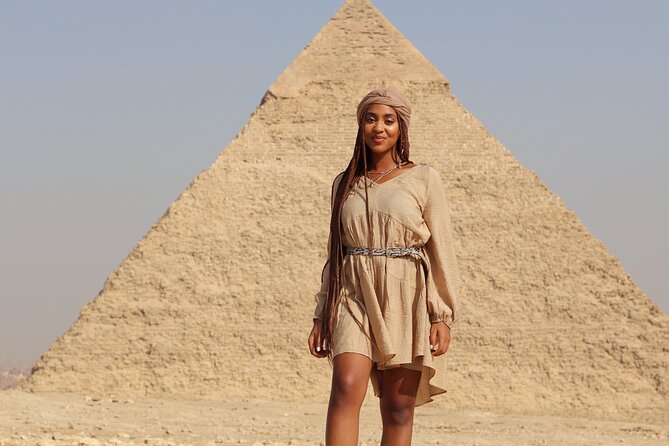
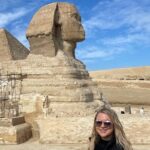
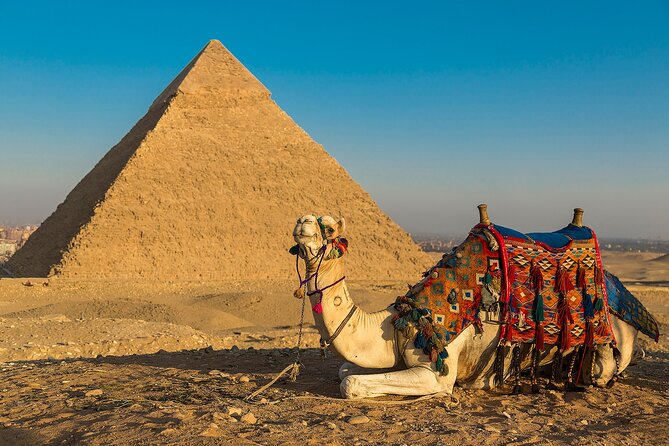
At the Pyramids of Giza, you focus on the Great Pyramid of Cheops (Khufu). Your guide explains the area, including Chephren and Mycerinus, and you’ll have more than two hours in the complex. You’ll also have time for photos and for a choice: enter one of the pyramid’s chambers or visit the Sun boat museum.
If you want a camel ride around the area, it’s listed as an option. Just treat that as an add-on, not part of the core program, and plan it like you would any extra activity—bring water, wear sun protection, and don’t rush.
Egyptian Museum: How a Guided Tour Keeps It From Feeling Too Big
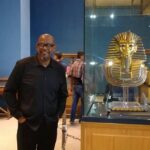
Later you go to the Egyptian Museum in Cairo for a guided visit of about 2.5 hours. The tour is designed to focus on the museum’s highlights instead of trying to see everything at once. Expect stops that include the Tut Ankh Amun Wing on the first floor, with a spotlight on major pieces from that collection.
This is a smart approach for you if you want the big story without losing your day to exhaustion. A guided route helps you connect what you’re seeing at Giza to the artifacts and royal symbolism that follow you into the museum.
You can also read our reviews of more private tours in Cairo



Day 3: Philae Temple (Agilika Island) and the Aswan High Dam Reality Check
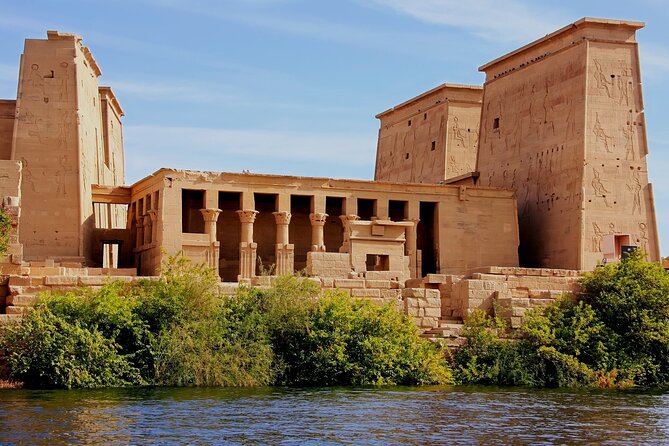
You start Day 3 in Aswan with Philae Temple, dedicated to the cult of Isis. The temple’s story is part archaeology, part modern rescue: after the first Aswan dam was built in 1902, it was submerged, and later efforts moved it to Agilika Island.
The temple itself covers multiple eras—Greek, Roman, and Byzantine—and your Egyptologist guide connects the dots as you walk through courts and pylons. It’s one of those stops where the guide’s context makes the stones easier to read, not just photograph.
Then you add Aswan High Dam, with about 30 minutes of explanation and discussion. For most people, that’s the useful balance: you see the ancient world, then you understand the modern engineering that reshaped where that ancient world could stand.
Day 4: Kom Ombo and Edfu—Cruise Time With Temple Stops
This day is built for the rhythm of a Nile cruise: sightseeing, then time to relax aboard.
Kom Ombo Temple: Crocodile-Headed God and Split Personalities
You visit Kom Ombo Temple with a guide, focusing on the crocodile-headed god of fertility and creator of the world. The format is private and paced, with your guide walking you through the temple’s meaning and reliefs. It’s about 1.5 hours.
Lunch Aboard the Cruise and Then Edfu
After Kom Ombo, you have lunch aboard the cruise with leisure time. That break matters because it keeps your day from feeling like a nonstop museum marathon.
Then you head to Temple of Horus at Edfu, about 2 hours. Edfu is described as one of the best-preserved temples, so you get a clear sense of how temple architecture and carvings were meant to be experienced. Your guide gives the temple’s history and relief details, which is exactly what you want when you’re moving quickly through ancient sites.
Day 5: Valley of the Kings, Hatshepsut, and the Colossi of Memnon on the West Bank
This is your Luxor West Bank day, and it’s where the trip feels most “tomb-and-temple” focused.
Valley of the Kings: Choose Your Tomb Depth
You cross to the west bank and visit the Valley of the Kings, where pharaohs hid mummies and treasures in rock-cut tombs. The program is set up for you to visit three tombs, so you can actually absorb painted colors and murals rather than just stand at the entrance of everything.
There’s also an option to visit other royal tombs such as Tut Ankh Amun. That choice is helpful because it lets you match interest level—some people want fewer tombs and more time for photos and detail.
Hatshepsut at Deir el Bahari: Three Terraces With a Story
Next is Temple of Hatshepsut at Deir el Bahari, about 1.5 hours. Hatshepsut is noted as the first female pharaoh, and the temple’s features include three terraces and a focus on her divine birth story. The way the temple is described—as limestone and partly hewn into the mother bedrock—adds a grounded sense of how the site was carved into the landscape.
Colossi of Memnon: Quick, Big, and Worth the Stop
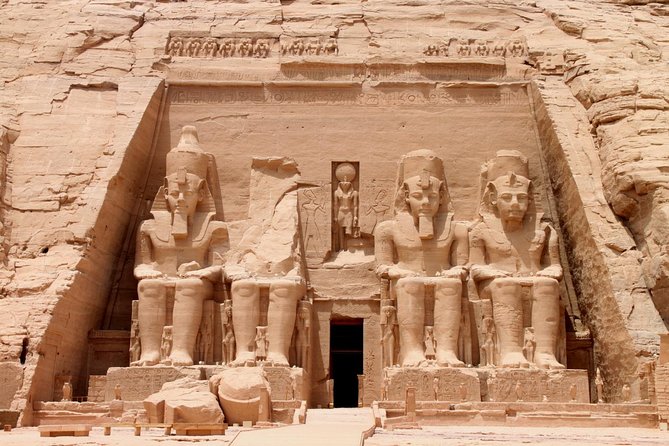
Finally, you visit the Colossi of Memnon, two monumental statues of Amenhotep III. The stop is shorter, about 30 minutes, but it’s the kind of sight that helps you picture scale: two giant figures sitting on a throne, facing east toward the Nile.
If you’re short on patience, this is still worth it because it’s brief and visually strong.
Day 6: Karnak and Luxor Temples—Amun-Ra to Ra’s City Connection
Day 6 is a temple pairing that works because each place adds something different.
Karnak Temple: Hypostyle Court and 70-Foot Obelisks
At Karnak Temple, you see the Great Hypostyle court and reliefs across generations. Your guide points out tall obelisks cut from single pieces of granite (listed as 70 feet high) and the papyrus-and-lotus capitals loaded with hieroglyphics.
This is a “look up” day. If you find your brain glazing over after an hour, this is where having a guide matters most: you can still appreciate what’s around you, even if you’re not fluent in hieroglyphs.
Luxor Temple: Multiple Eras and the Paris Obelisk Detail
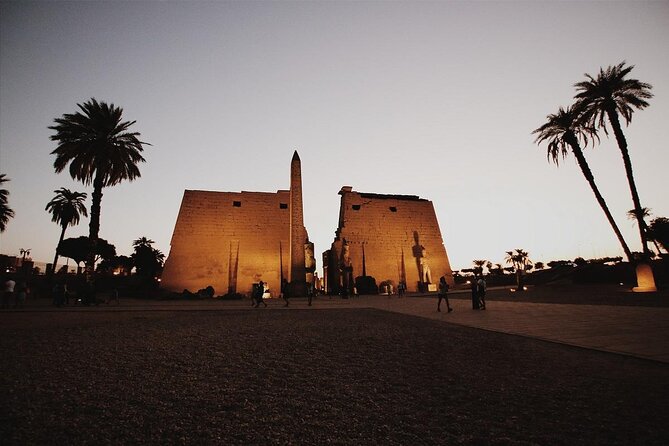
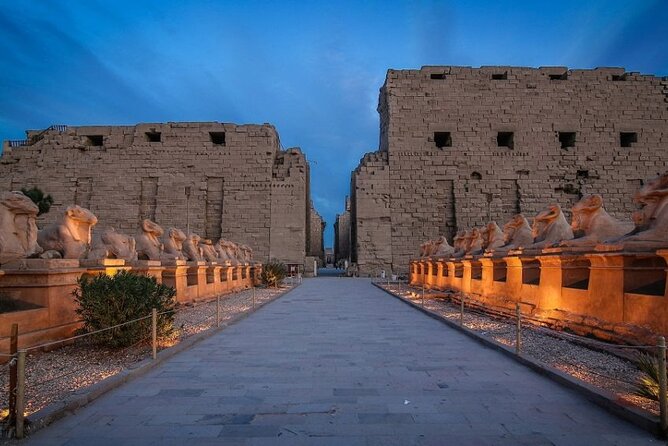
Then you visit Luxor Temple for about 1.5 hours. It’s linked historically with Karnak through the avenue of ram-headed sphinxes, centered on Ra’s annual travel story. The site includes traces of Greek, Roman, Islamic, and Coptic influences, so it reads like a timeline.
You’ll also hear the detail that two obelisks were at the entrance, but one was sent to Paris. That kind of real-world fact helps you connect a present-day world museum with what you’re standing in front of.
Day 7: Citadel Views, Alabaster Mosque, and Coptic Cairo Churches
This day shifts from royal antiquity to Cairo’s layered religious life. It’s one reason the trip doesn’t feel like a one-note Egypt program.
Saladin’s Citadel and Muhammad Ali’s Alabaster Mosque
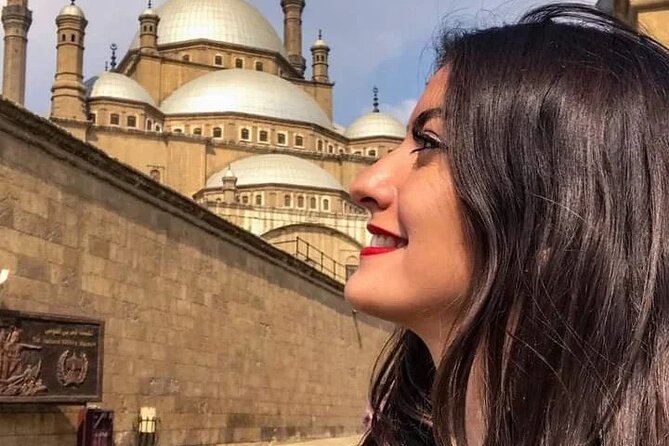
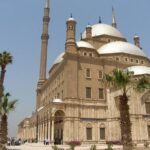
You visit the Citadel of Saladin, a 12th-century fortress, and then go inside the Alabaster Mosque. The mosque was built in 1830, and it’s described as designed by a Turkish architect in the style similar to Istanbul’s Blue Mosque. You also get a panoramic view of the city from the top, about 1 hour total for the stop.
This is a good counterbalance to tomb lighting and temple corridors. You’re back in daylight and city scale, and it helps your brain reset.
Hanging Church and the Cave Church Area
Then you head to Coptic Cairo, starting with the Hanging Church (built in the 5th century). The program notes it sits above a tower from the fort of Babylon and includes 110 icons. You also visit other church stops, including the Cavern church or the church of St Sergius and Bacchus, connected to the story of Mary and Jesus hiding during escape.
Because this is a guided visit, you’re not just looking at interiors—you’re getting the story behind why people care. That turns the visit from sightseeing to understanding.
Khan el-Khalili Time and a Coffee Stop
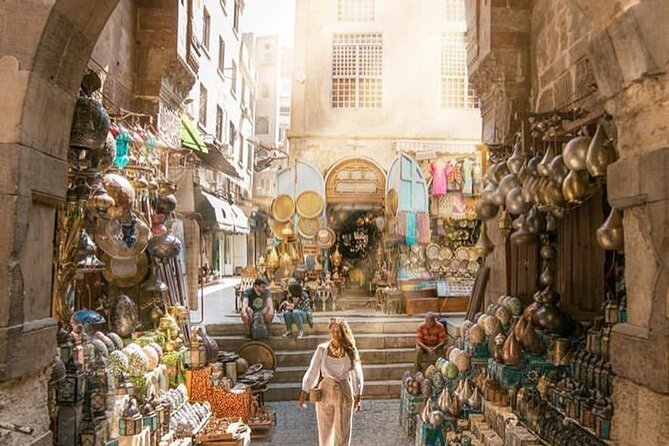
You finish with Khan el-Khalili, Cairo’s biggest market, for about 1.5 hours of free time. It’s the kind of place where you can pick up souvenirs at your own pace and practice patience in the best way.
The itinerary also mentions a coffee stop at El Fishawy (1763), which is a neat option if you want a taste of long-running Cairo tradition.
Day 8: Breakfast, Checkout, and Airport Transfer Back to Reality
Your final morning starts with breakfast at the hotel. Then you check out and transfer to Cairo International Airport for departure.
It’s simple by design, which helps after busy days. You’ll feel less rushed than if you had to pack and tour at the same time.
Price and Logistics: What $960 Covers, and What It Doesn’t
At $960 per person, the value is largely about what the package handles for you.
Included items that matter most:
- Three nights on a Nile cruise from Aswan to Luxor with full board
- Two nights in a 5-star Cairo hotel
- Two overnight train rides
- Airport transfers
- Private air-conditioned transport and meet-and-assist
- Entrance fees to the listed sights
The big win for you is not just cost—it’s that you’re not juggling separate bookings for cruise, hotel nights, and major sightseeing entrances. Egypt requires planning, and this structure reduces the risk of “we missed a connection” problems.
What’s not included:
- International airfare and entry visa
- Any extra accommodation beyond the included nights
- Meals beyond what’s included (cruise full board is included, but other meals are not listed as part of the package)
- Internal flights are listed as optional
Also, note that the itinerary is private, with only your group participating. That usually means fewer compromises on timing and more ability to stick to your interests.
Who This Tour Suits Best (And Who Might Feel Crowded)
This works best if you want a classic Egypt route with minimal planning. I’d point you toward it if you like guided context, want a big mix of pyramids/temples/tombs, and prefer overnight trains and a cruise over daily long-haul transfers.
It may feel like a lot if you:
- Want lots of free time every day
- Prefer self-guided wandering rather than structured stops
- Have limited stamina for stairs and rock-cut tomb conditions (the trip includes Valley of the Kings and multiple temple sites)
On the other hand, if you’re happy with organized sightseeing and like knowing what’s next, this itinerary is built for you.
Should You Book This Private Cairo–Aswan–Luxor Nile Cruise?
Yes, if your priority is seeing the highlights with your time protected. You’re getting a clear hit list: pyramids and Egyptian Museum in Cairo, Philae and the High Dam in Aswan, Kom Ombo and Edfu on the Nile, and then Luxor’s Karnak plus West Bank tombs.
I’d especially recommend it to couples and friends who want a private feel without “DIY headache.” The strongest sign is how often the service quality gets praised through names like Mona Hamdy (communication support) and Egyptologists such as Mandouah, Ashwaf, Ash, Ashraf, and Mumdua. That points to a booking experience where you’re not left alone with logistics.
If you’re budget-sensitive and enjoy building your own Egypt schedule, you might find cheaper options—but you’ll also take on more coordination. For many people, paying for structure in a complex destination is money well spent.
FAQ
What’s included in the tour price?
The tour includes a private air-conditioned vehicle, a qualified Egyptologist guide, entrance fees to the mentioned sites, all transfers by private air-conditioned vehicle, meet-and-assist upon arrival and departure, and all fees and taxes. It also includes three nights on a Nile cruise with full board and two nights in a 5-star Cairo hotel.
How many nights are spent on the Nile cruise and in Cairo?
You get three nights on a Nile cruise from Aswan to Luxor and two nights in a five-star hotel in Cairo.
Are airport transfers included?
Yes. You get meet-and-assist upon arrival and departure, plus airport transfers via private air-conditioned vehicle.
Are international flights and the Egypt visa included?
No. International airfare and entry visa are not included.
Is this tour private?
Yes. It’s a private tour/activity, and only your group will participate.
Can I get a full refund if I cancel?
You can cancel up to 24 hours in advance for a full refund. If you cancel less than 24 hours before the start time, the amount paid will not be refunded.
If you want, tell me your travel month and your comfort level for walking in tombs, and I’ll suggest how to pace the days so you enjoy the temples instead of just surviving them.