REVIEW · CAIRO
PADI Open Water Diver Course in Hurghada – Learn Scuba Diving
Book on Viator →Operated by Dive UK Hurghada · Bookable on Viator
Your first certification starts with a good plan. This 3-day PADI Open Water Diver course in Hurghada keeps things tight and practical with a small group of up to four and scuba equipment provided, so you’re not juggling rentals or guesswork. One thing to plan for: the PADI materials and certification fee are not included, and you pay the instructor £140 per person.
I especially like how the course is structured across three parts—video, reading the manual, then in-water skills—so you always know what’s next. The schedule also starts early, with an 8:00 am start, which can feel like a lot on day one, but it’s common for maximizing time in good water conditions.
In This Review
- Key things I’d mark on your itinerary
- Why Hurghada is a solid place to start your Open Water path
- The 3-day flow: video, manual, then in-water skills to 18 meters
- What “safe and competent” actually means in practice
- Small-group instruction: up to four students, close feedback, real patience
- If you’re anxious: this training can work with you
- Day-by-day: what you’ll do in the water (and why each day matters)
- Day 1: learning the system in shallow water
- Day 2: repeating skills, then adding real underwater context
- Day 3: finishing remaining skills + a short exam
- Gear, lunch, and transportation: how this course reduces travel stress
- Price and value: $482.16 now, £140 later for materials and certification
- When the value feels strongest
- Underwater experiences you might get (and what you should ask)
- Weather, schedule pressure, and what to plan for
- Who should book this PADI Open Water Diver course in Hurghada?
- A quick caution
- Should you book this course?
- FAQ
- How long is the PADI Open Water Diver course?
- What time does the training start?
- Is scuba equipment included?
- What costs are not included?
- Does this include transportation and meals?
- How many students are in the group?
- What happens if weather is bad?
Key things I’d mark on your itinerary
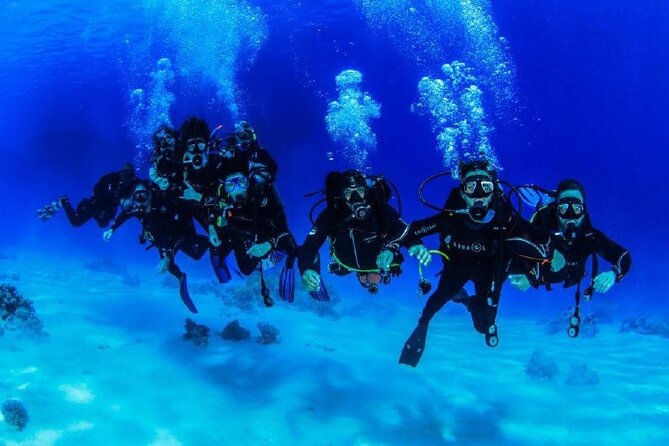
- Small group size (up to four students) for more hands-on attention while you learn control and safety skills
- Equipment included so you can travel light and focus on the training rather than logistics
- Three-part PADI format: video, manual, then in-water skills, ending with a short exam
- Private transportation and lunch to keep the day from turning into a scavenger hunt
- Instructors named in real feedback like Steve, Emma, Magot, and Wessam—often praised for patience and clear guidance
Why Hurghada is a solid place to start your Open Water path
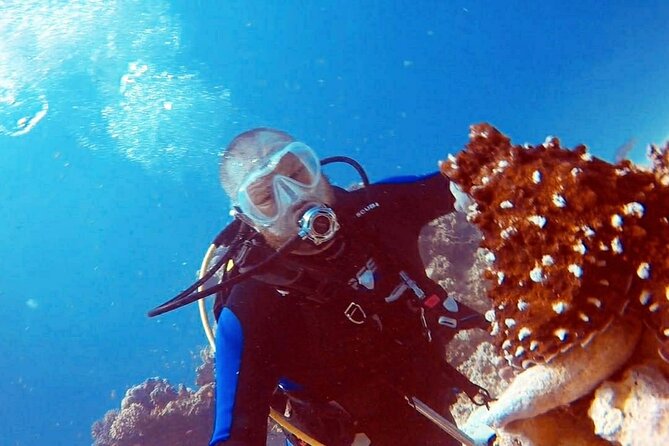
Hurghada is set up for beginners in a way that most people find reassuring. You’re not only doing a course—you’re doing it in a place with the infrastructure to run it smoothly: morning starts, short transfers, and training days built around calm skill progression. The goal here is certification to 18 meters (59 feet), which means once you pass, you’ll have the baseline to continue scuba training anywhere that accepts PADI certification standards.
This course also fits a very common travel pattern: you come for a few days, learn the system, and then you’ve got a ticket (literally, certification-wise) for future underwater trips. If you’re visiting Egypt anyway, it’s a practical use of limited vacation time, because the structure is fixed across three days—not an open-ended “maybe we’ll find time” situation.
You can also read our reviews of more scuba diving tours in Cairo

The 3-day flow: video, manual, then in-water skills to 18 meters
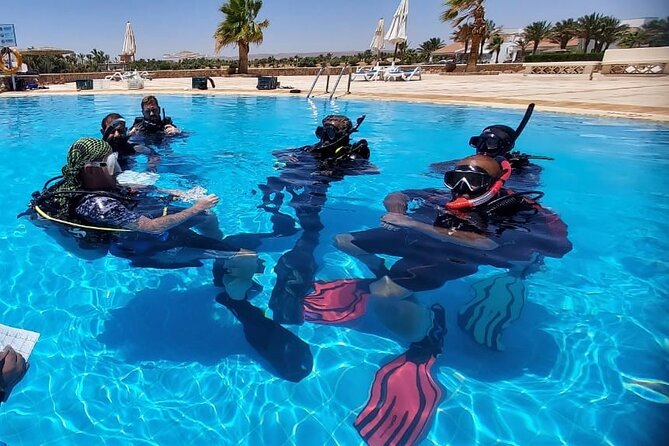
The course is built around the PADI Open Water Diver standard format: video + manual + in-water skills. That matters because it reduces the mystery factor. You’re not walking into the water wondering what you’ll be asked to do.
Here’s what your timeline looks like:
- Day 1: You start with the video with your instructor, then move into the water for skills in shallow water. You’ll complete two in-water sessions where you work through key techniques with close supervision.
- Day 2: You repeat the core skills from day one to build confidence, then start exploring underwater training locations once you’re safe and competent. You’ll also do two in-water sessions on day two.
- Day 3: You finish the remaining skills and then do further underwater exploration with two more in-water sessions. You wrap up with a small exam to qualify as a PADI Open Water Diver.
What I like about this pacing is that it doesn’t treat day one like a throw-you-in moment. It builds from shallow control, then adds more real underwater context as your competence grows.
What “safe and competent” actually means in practice
Even if you’re excited, the training is still about basics: breathing control, buoyancy, and learning how to manage your position and comfort underwater. Because your sessions are supervised and your group is kept small, you’re more likely to get corrections early rather than later, when a bad habit can be harder to fix.
Small-group instruction: up to four students, close feedback, real patience
This is one of the best parts of the setup. A group of up to four students changes the feel of the course. With fewer people, your instructor can slow down when you need it, correct technique faster, and check that you understand before moving on.
That shows up repeatedly in the real-world feedback around this team. People mention instructors such as Steve and Emma guiding adults and teens, often highlighting patience and a strong safety mindset. Other names that come up include Magot and Wessam, with multiple comments pointing to clear explanations and adapting when a student is nervous or needs extra time.
There’s also a human side in the feedback—yes, even the mention of Emma and a pink coffee cup. That might sound trivial, but it signals something important: this team seems comfortable working with people, not just running a production line.
If you’re anxious: this training can work with you
One of the most practical values of a small group is that you don’t just get “more words.” You get more guided practice. In the feedback, there are references to support for anxiety and calm instruction, including how instructors helped students push through fear and still complete the course.
You should still be honest with the instructor about how you feel. If you have any concerns, speak up early—during the video, during skill briefings, or before your first shallow session. A good instructor will adjust pacing, and the reviews suggest this team does.





Day-by-day: what you’ll do in the water (and why each day matters)
Day 1: learning the system in shallow water
Day one is about building your underwater foundation. After the video, you move into shallow water for skills. Expect the work to focus on controlled breathing, buoyancy fundamentals, and learning the basic movements and responses you’ll use during every later session.
The big advantage of shallow-water skills on day one is that it gives you a safety net—less depth means less stress, and you can concentrate on technique. Plus, with only up to four students, you’re less likely to be stuck waiting while others catch up.
Day 2: repeating skills, then adding real underwater context
Day two repeats key skills from day one. That’s not boredom—it’s how confidence is built. Repetition helps you stop relying on luck and start relying on muscle memory.
Then the course shifts into exploring underwater training locations. This is where you start connecting the techniques to what you actually see underwater. You’ll still be supervised, but it’s no longer just “practice in a pool-like setting.” You begin to understand how the course translates to real underwater conditions.
Day 3: finishing remaining skills + a short exam
On day three, you wrap up any remaining required skills, then do more underwater exploration. The day ends with a small exam, which is the final gate to earn the PADI Open Water Diver qualification.
By this point, you should be tired but also more in control. Most people do better on day three because they’ve already had time to understand the rhythm: listen, practice, correct, repeat.
Gear, lunch, and transportation: how this course reduces travel stress
One of the simplest travel wins here is what you don’t have to manage.
Included basics:
- Use of scuba equipment (so you don’t bring or rent gear)
- Bottled water provided
- Private transportation
- Lunch included
These details sound small until you’re in the middle of your first scuba training day. Gear management is a big mental load for beginners. Having equipment provided lets you show up and focus on learning instead of asking where to pick up what, and whether you have the right size.
Private transportation also matters. An 8:00 am start is early enough that you want your morning to run smoothly. If you’re coordinating taxis, timing, and a group, it can quickly turn into a stress machine. Private pickup removes that friction.
Price and value: $482.16 now, £140 later for materials and certification
The advertised price is $482.16 per person for the course itself, and it’s booked on average about 20 days in advance. That tells me two things:
1) The course is popular enough that you shouldn’t wait until the last minute.
2) The value is tied to what’s included in the package, not just the brand name.
Here’s how the cost makes sense:
- Your payment covers the course delivery and included essentials like equipment use, private transportation, bottled water, and lunch.
- What’s not included is the PADI materials and certification, which you pay separately to the instructor: £140 per person.
So your total cost is really split into two parts: the course package + the PADI admin/materials component. If you’re trying to budget accurately, don’t compare only the headline price. Compare the full amount you’ll pay for both training and certification.
When the value feels strongest
This package is especially good if you:
- want a structured, beginner-friendly certification process
- prefer small-group attention (up to four students)
- don’t want to deal with equipment rentals
- are okay with an early start and a fixed 3-day schedule
Underwater experiences you might get (and what you should ask)
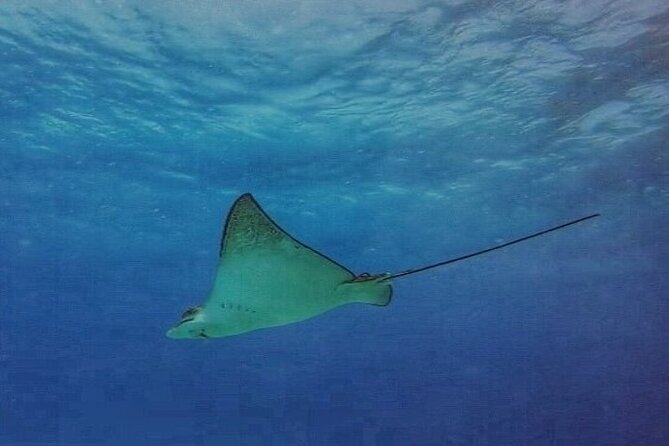
The course includes underwater exploration across day two and day three, after you’ve demonstrated safety and competence. That’s how you move from skill learning into actually experiencing the underwater side of Egypt.
In the feedback, there’s a specific mention that students got to explore a wreck during their open-water training. You can’t assume that will happen for every group, but it’s a useful clue that the team may build in different underwater options depending on conditions.
If you’re booking and you care about what you’ll see, ask these practical questions before you go:
- Are there any wreck or specific underwater locations planned for the dates I’m there?
- How do you decide what sites to use—weather, training needs, or both?
- How do you handle comfort levels if someone is struggling with a skill?
Because the course is skills-first, the sites are part of the reward, not the replacement.
Weather, schedule pressure, and what to plan for
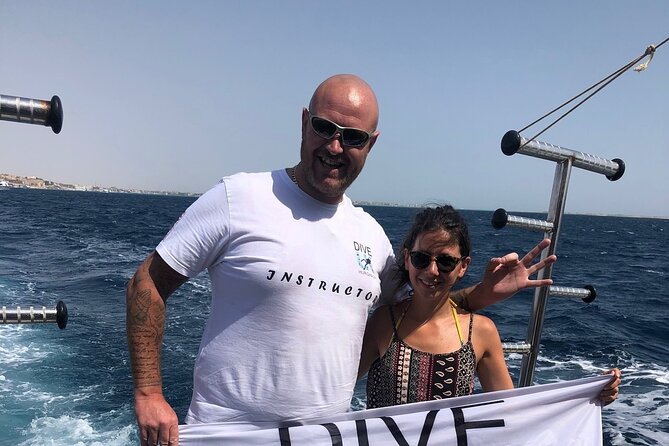
This experience requires good weather. If conditions aren’t suitable, the course can be canceled due to poor weather, and you’d be offered a different date or a refund.
That matters for planning, especially if you’re combining this with other Hurghada activities. Keep your overall itinerary flexible around those three days so you’re not stuck with a ruined plan if the sea needs a pause.
Also, remember the 8:00 am start time. For many people, the bigger challenge isn’t the training—it’s getting moving early consistently for three consecutive days.
Who should book this PADI Open Water Diver course in Hurghada?
This course is a strong fit for:
- first-time scuba learners who want a clear pathway to certification
- people who prefer small-group supervision
- anyone who wants to travel light thanks to equipment provided
- couples or friends who want a private setup for their group
It also seems to work for younger participants. The feedback includes references to a 13-year-old completing open-water training and families bringing kids for related PADI programs. If you’re bringing a minor, confirm suitability with the provider before travel, but the general pattern suggests they manage family groups.
A quick caution
The one downside to keep in mind is cost separation: the course fee is not the whole bill. PADI materials and certification are extra (£140 per person). If you’re booking on a tight budget, include that amount from the start.
Should you book this course?
Yes—if you want a practical, safety-forward start to scuba certification and you value small-group attention.
Book it if:
- you like the idea of three days with a clear day-by-day structure
- you want equipment provided, lunch included, and private transportation
- you’re okay with an early start and the chance that weather could shift dates
Skip it (or at least ask more questions first) if:
- you’re only comparing headline price and haven’t budgeted the £140 for materials and certification
- you need a later start time due to other plans
- you’re expecting the underwater sightseeing side to dominate over skills (this is training-first)
If you want your first scuba certification to feel controlled and human—not rushed—this Hurghada setup is the kind of course I’d feel good recommending.
FAQ
How long is the PADI Open Water Diver course?
It runs for about 3 days (approx.).
What time does the training start?
The start time is 8:00 am.
Is scuba equipment included?
Yes. The experience includes the use of scuba equipment.
What costs are not included?
PADI materials and certification are not included. You pay £140 per person to the instructor.
Does this include transportation and meals?
Yes. Private transportation is included, and lunch is included as part of the experience. Bottled water is also provided.
How many students are in the group?
The course is described as a small group of up to four students.
What happens if weather is bad?
The experience requires good weather. If it’s canceled due to poor weather, you’ll be offered a different date or a full refund.