REVIEW · SHARM EL SHEIKH
PADI 3 Days Open Water Course
Book on Viator →Operated by Pirates Dive Club · Bookable on Viator
Eight ocean practice sessions build real confidence. This PADI 3-day Open Water course in Sharm el Sheikh is interesting because it starts in a controlled pool, then moves you into the Red Sea for real skill work with marine life. I especially like the small group setup (max 8 people), which means more attention when something feels awkward. I also like the included hotel pickup and drop-off, so you’re not hunting taxis. The main consideration: you’ll still need to budget about €140 in cash for the PADI e-card and manual at the club.
The course is built for first-timers who want structure, safety, and a chance to see clownfish and graceful rays. You’ll work through theory, quizzes, and an exam, then practice equipment handling and buoyancy until you feel in control. Expect to complete a health questionnaire before you get in the water, and note that flying within 48 hours isn’t recommended.
In This Review
- Key Things You’ll Notice Fast
- Why Sharm el Sheikh Fits a PADI Open Water Course
- Day 1: Classroom Theory, Quizzes, and Safety Basics
- Day 1 to Day 2: Pool Skills First, Where You Learn to Be Calm
- Day 2 to Day 3: Your 8 Open-Water Sessions in the Red Sea
- Small Group Training and the Support You Actually Want
- What You Earn: PADI Open Water Certification That Lasts
- Price and Logistics: What $357.94 Really Covers
- What to Do Before You Go (So You Don’t Get Blocked)
- Family-Friendliness and Who This Course Suits Best
- Should You Book This PADI Open Water Course in Sharm el Sheikh?
- FAQ
- How long is the PADI Open Water course?
- What’s included in the price?
- What isn’t included?
- Are there open-water sessions, or is it only pool practice?
- Do I need to complete a health questionnaire?
- What travel document do I need?
- Are kids allowed?
Key Things You’ll Notice Fast
- 8 open-water sessions focused on buoyancy skills and navigation, not just sightseeing
- Free hotel pickup and drop-off plus air-conditioned minivan transport
- All scuba equipment included, so you’re not juggling rentals
- Pool-to-ocean progression that helps your confidence grow steadily
- PADI Open Water certification with lifetime validity and a maximum depth of 18 meters
Why Sharm el Sheikh Fits a PADI Open Water Course
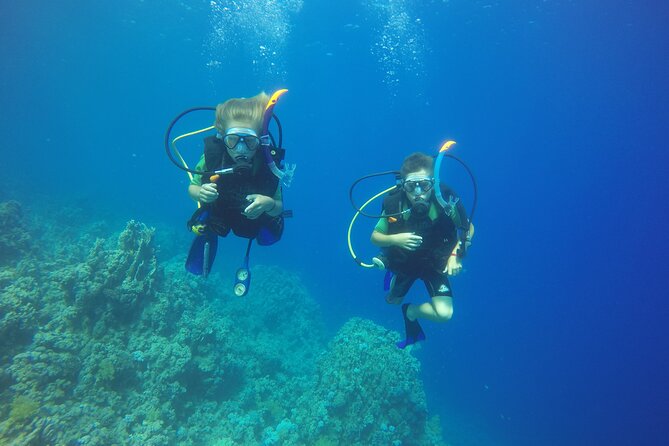
Sharm el Sheikh is a smart choice for learning scuba because you get easy access to the Red Sea’s famous marine areas, without turning your “class days” into a travel headache. You’re not just taking notes on gear and safety. You’re using it—step by step—under real underwater conditions.
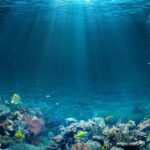
What I like most here is the match between setting and training style. The Red Sea side of the experience matters because you’ll practice in the same kind of environment you want to explore later: coral areas, with schools of clownfish and rays around for the right kind of motivation. That matters for beginners, because learning feels less like homework when the world around you is alive.
And with a maximum group size of 8, the training can stay personal. That’s not just comfort—it’s safety and learning speed. When you get quick feedback, you correct problems earlier.
A few more Sharm el Sheikh tours and experiences worth a look
Day 1: Classroom Theory, Quizzes, and Safety Basics
On these 3 days, you’ll start with the classroom side: scuba theory, safety rules, and equipment basics. The goal is simple—get you comfortable with what’s happening underwater, before you’re asked to do it while breathing.
You’ll finish your theory, then move through quizzes and an exam before you earn certification. If you like structure (or you’d rather not guess your way through a new sport), this is the part that brings everything together. You learn the “why” behind buoyancy, breathing control, and the safety routines you’ll use again and again.
A practical note: the course is designed to bring you to a PADI Open Water standard, not just a taste. That means you’re expected to complete the required learning checks, not only show up for water time.
Day 1 to Day 2: Pool Skills First, Where You Learn to Be Calm
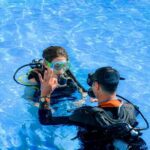
Before you head out into open water, you’ll practice in an enclosed pool. This is where you build the habits that make the ocean feel manageable.
In pool sessions, the focus tends to be on getting your equipment sorted and learning basic underwater control. Think buoyancy, body position, and how to move without fighting your gear. For a new student, this is where most fear melts away. You’re not dealing with waves, visibility changes, or distance from shore at the same time you’re trying to remember steps.
The best part of pool-first training is that you can fail safely. If something feels off—breathing, mask comfort, or how your body floats—you have time to fix it while the environment stays predictable. That lets you show up to open water already more confident than the average first-timer.
Day 2 to Day 3: Your 8 Open-Water Sessions in the Red Sea
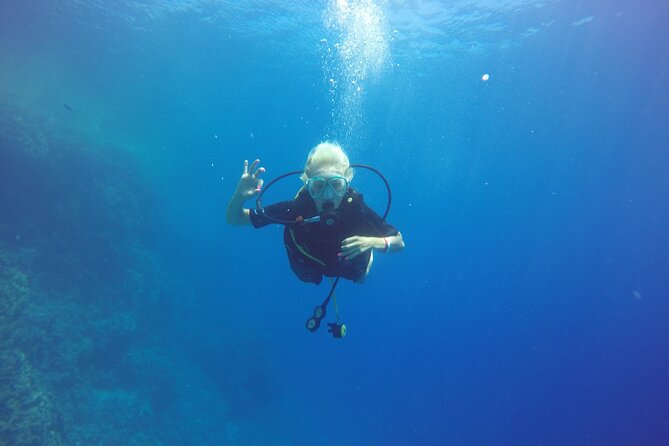
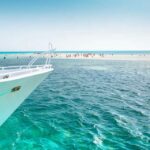
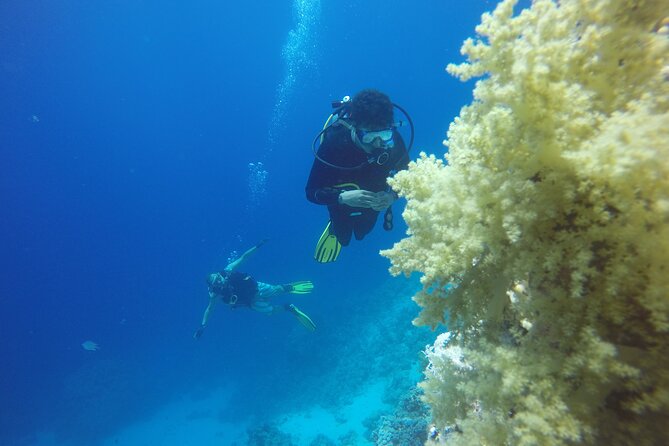
After the pool work, you’ll move into the ocean for a series of open-water training sessions. Across the course you’ll complete 8 open-water sessions, practicing buoyancy skills and navigation while exploring undersea gardens.
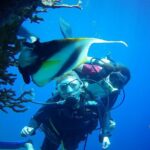
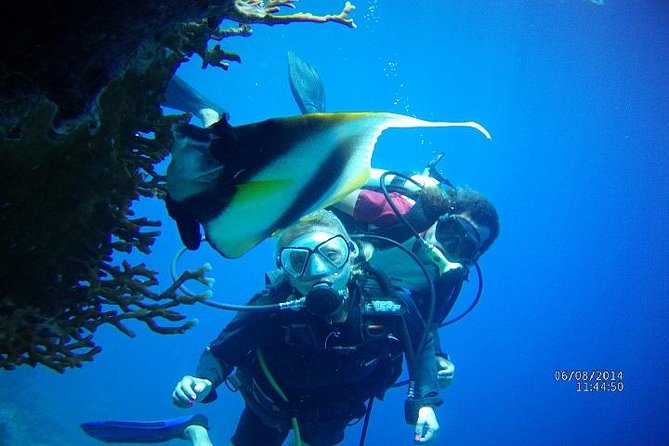
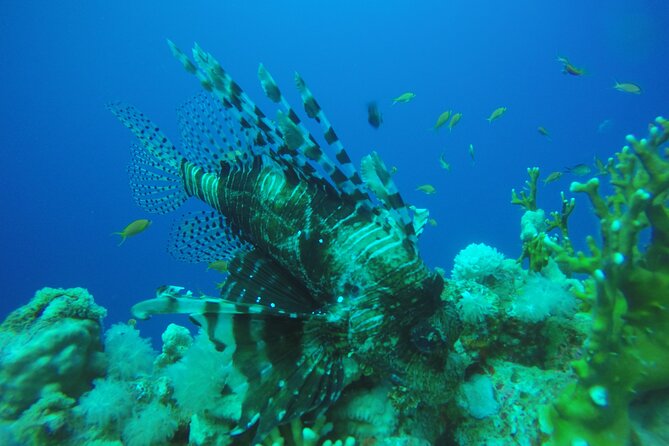
The “undersea gardens” part matters because it’s the kind of setting where your training turns into real-world experience. You’ll see the coral environment up close and you’ll get encounters with marine life—schools of clownfish are specifically mentioned, and rays are part of what you can expect to spot.
You’re not there to sprint from one cool thing to the next. You’re there to practice skills. That’s a good thing. For most people, the best souvenir isn’t a photo—it’s feeling like you understand what you’re doing underwater.
Navigation training is especially valuable. It turns the whole trip into more than a one-time experience. When you know how to keep your bearings, future scuba trips make much more sense, and you’re less likely to feel lost when things get new.
Small Group Training and the Support You Actually Want
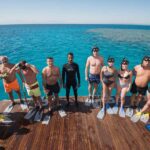
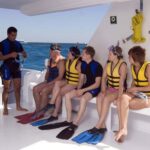
This is described as small group training with a maximum of 8 travelers, and the experience ratings back up the “personal service” angle. The consistent theme is that the team is welcoming, friendly, and supportive—and you feel guided rather than rushed.
For me, that’s the difference between a course you remember with fondness and one you just want to finish. Beginners don’t need more complexity. You need patience, clear instruction, and the ability to ask questions without feeling silly.
The training is led by experienced PADI Master Scuba Diver trainers and IDC staff instructors. That’s a strong sign you’re getting instruction designed for teaching, not only for showing off underwater. And because the course follows PADI standards and safety rules, you’re learning within a framework that’s known worldwide.
Also, it’s family friendly and children must be accompanied by an adult. If you’re traveling with younger divers or a family group, this helps make the plan feel more doable.

What You Earn: PADI Open Water Certification That Lasts
By the end of the 3 days, you’ll be certified as a PADI Open Water diver. The level comes with a maximum depth of 18 meters. And the certification card is valid for life, with no annual renewal required.
That lifetime validity is one of the biggest value signals in this kind of course. You’re not just buying a short experience—you’re buying a long-term ticket to scuba around the world. When you compare this to one-off “try it” experiences, the payoff is clear.
One more thing to understand: the PADI e-card and manual are not included in the base price. You’ll pay for them in cash at the club, about €140. That means the true cost of becoming certified can be higher than the headline price, but it’s still a standard part of the process.
Price and Logistics: What $357.94 Really Covers
The listed price is $357.94 per person, for a 3-day PADI Open Water course in Sharm el Sheikh. In practical terms, that covers a lot of the stuff beginners usually struggle with.
Included:
- Professional PADI instructor
- Hotel pickup and drop-off
- Use of scuba equipment
- Transport by air-conditioned minivan
Not included:
- Food and drinks
- DVD (available to purchase)
- Souvenir photos (available to purchase)
- PADI e-card and manual (paid in cash at the club, approximately €140)
Here’s the value math as I see it. If you’ve ever tried to price out a scuba course on your own, equipment rental and local transport can add up fast. This package covers those core basics, so you’re not cobbling together parts after you arrive. The free pickup and drop-off also reduce friction, especially if you’re not staying right next to the training areas.
The likely extra budget item is the €140 cash payment for PADI materials. If you’re aiming for a predictable trip budget, plan for that up front. Photos and DVDs are optional, so you can treat them as fun add-ons rather than essentials.
A small comfort: confirmation is received within 48 hours of booking, subject to availability. And you’ll get a mobile ticket.
What to Do Before You Go (So You Don’t Get Blocked)
Before any water time, you’ll complete a health questionnaire. Some medical conditions—such as asthma or heart conditions—may prevent you from diving, and you’re advised to consult your doctor.
This matters because it’s not the kind of activity you want to gamble on with medical “maybe.” If you have any concerns, get clarity early. The questionnaire is part of the safety system, and it’s there for good reason.
Flying timing is another important detail. Diving within 48 hours of flying is not recommended. That’s a reminder to plan your schedule so you aren’t immediately jumping into scuba after a long flight day.
Bring your passport, too. You’ll need passport name, number, expiry, and country at booking for all participants. A current valid passport is required on the day of travel. If your passport is cutting it close, handle that before you pay for anything else.
Family-Friendliness and Who This Course Suits Best
This course is described as family friendly, with a rule that children must be accompanied by an adult. That’s a useful detail because some training providers can be uneven on family logistics; here, it’s clearly part of the model.
This course also fits best if:
- You’re a first-time scuba student who wants structure
- You want a full certification, not a single sightseeing outing
- You prefer learning in a pool first, then building into the ocean
- You like the idea of seeing marine life while practicing real skills
You might want to think twice (or talk to your doctor first) if you have medical conditions that could affect your ability to scuba safely. The health questionnaire requirement is real, and it’s not something you should leave to the last minute.
Should You Book This PADI Open Water Course in Sharm el Sheikh?
I’d book it if you want a straightforward path to certification with less stress. The biggest practical wins are the included equipment, the free hotel pickup and drop-off, and the fact that you learn in a pool before you’re asked to perform in the open ocean. Those reduce first-timer anxiety, and the small group size helps you get real feedback.
I’d also book it if marine life is a big part of why you want scuba. The training isn’t just theory in a bag—it’s connected to the Red Sea environment, with clownfish encounters and rays noted as part of the experience.
The one reason to pause is budgeting the extras. The base price covers the core training and gear, but you should plan on paying about €140 in cash for the PADI e-card and manual. If you’re okay with that, the course looks like a solid value for what you get: instruction, certification, and real open-water practice.
FAQ
How long is the PADI Open Water course?
It’s a 3-day course in Sharm el Sheikh.
What’s included in the price?
Included are a professional PADI instructor, hotel pickup and drop-off, use of scuba equipment, and transport by air-conditioned minivan.
What isn’t included?
Food and drinks aren’t included. Also not included are the DVD (available to purchase), souvenir photos (available to purchase), and the PADI e-card & manual, which you pay for in cash at the club (approximately €140).
Are there open-water sessions, or is it only pool practice?
You’ll complete 8 open-water sessions over the 3 days.
Do I need to complete a health questionnaire?
Yes. All participants must complete a health questionnaire prior to scuba.
What travel document do I need?
A current valid passport is required on the day of travel, and your passport details are required at the time of booking.
Are kids allowed?
Children must be accompanied by an adult.