REVIEW · CAIRO
Package 8 Days 7 Nights To Jewels of Egypt, Luxor & Aswan Tour
Book on Viator →Operated by Sun Pyramids Tours · Bookable on Viator
Eight days, two worlds: Cairo and the Nile. This package strings together Giza icons, Coptic Cairo, and a guided river cruise between Luxor and Aswan, with transfers and key admissions handled.
What I like most is the classic hit-rate. You’ll get Giza Plateau plus the Egyptian Museum on the Cairo side, then the big temple sequence on the Nile without having to plan each hop yourself.
One thing to watch: the price covers many entrances, but it does not include tickets to get inside the Pyramids (and it also flags items like Tutankhamen’s tomb and Abu Simbel as not included). If you care about indoor sights, you’ll want to budget ahead.
In This Review
- Key things that make this itinerary worth your time
- First night in Cairo: smooth arrival and confirmed pickup times
- Giza Plateau, Egyptian Museum, and Coptic Cairo in one full guided day
- Flying to Luxor and kicking off your Nile cruise with Karnak Temple
- Royal West Bank on the Nile: Valley of the Kings, Hatshepsut, and Colossi of Memnon
- Edfu and Kom Ombo: temple visits paired with a sailing travel day
- Aswan with modern landmarks and the Philae temple area
- Optional Abu Simbel: when to add the side trip
- Back in Cairo on Day 8: breathing room before departure
- What $2,029 really buys: value, inclusions, and the extras to plan for
- Who should book this Cairo and Nile cruise package?
- Should you book it? My honest take
- FAQ
- Is airport pickup included?
- Are entrance fees included for the main sights?
- Are domestic flights included?
- How long is the Nile cruise portion?
- What meals are included?
- Do I need to pay tipping?
- Is Abu Simbel included?
- Is this tour private?
Key things that make this itinerary worth your time
- Airport meet-and-assist plus private, air-conditioned transfers so you’re not figuring out logistics after a flight.
- One guided Cairo day that connects ancient, museum, and Christian Cairo in a logical order.
- Karnak and Luxor Temple built in right after you check into the cruise—you start seeing temples fast.
- Royal West Bank highlights in a tight run: Valley of the Kings, Hatshepsut at Deir el Bahari, and the Colossi of Memnon.
- Edfu and Kom Ombo while you sail—temple visits paired with a moving travel day.
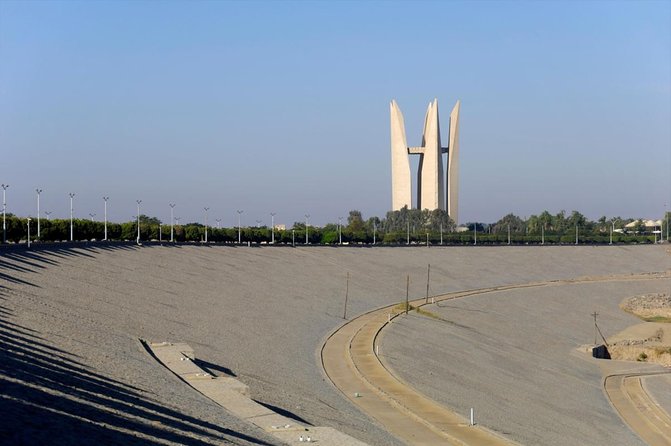
- Aswan with the High Dam plus Philae area gives you both modern Egypt and ancient worship spaces.
First night in Cairo: smooth arrival and confirmed pickup times
Your tour starts with a meet-and-assist at Cairo International Airport, then a coach ride to your hotel. At check-in, your tour manager helps you get settled and reviews the itinerary with you so you know the pickup times for each day.
This matters more than it sounds. Egypt is easy when you have a plan, and frustrating when you don’t—especially after landing. With the schedule confirmed early, you’re less likely to lose time to misunderstandings or rushed decisions the next morning.
You’ll also have an overnight in Cairo on Day 1, which gives you a buffer if travel runs late. It’s a simple move that makes the whole week feel steadier.
You can also read our reviews of more tours and experiences in Cairo.
Giza Plateau, Egyptian Museum, and Coptic Cairo in one full guided day
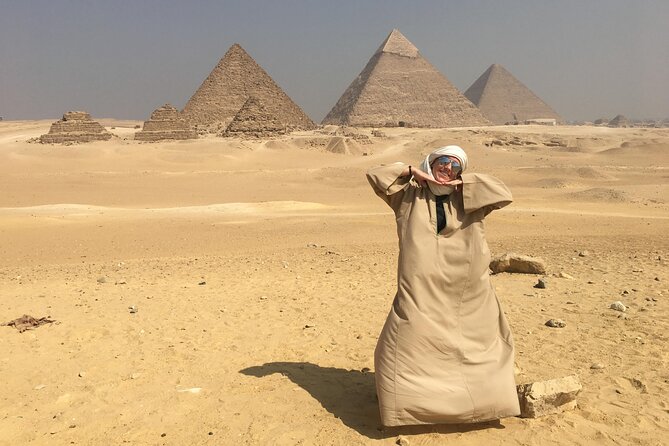
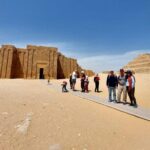
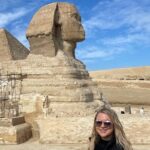
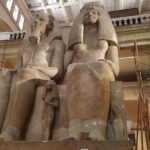
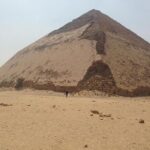
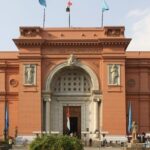
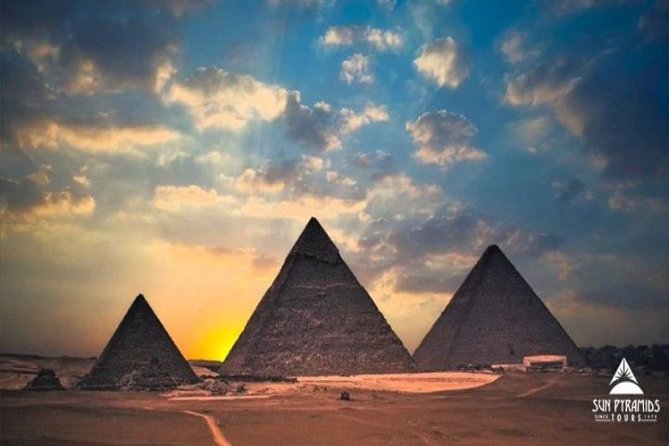
Day 2 is a big one. After breakfast, a guide brings you to Giza Plateau for the Great Pyramids of Cheops, Chephren, and Mykerinus, plus a visit to the Great Sphinx and Valley Temple of Khafre. Then the plan shifts into Cairo’s museum and living history, with the Egyptian Museum and later a stop in Coptic Cairo for the Hanging Church and Ben Ezra Synagogue.
Here’s how to think about this day so you get the most out of it:
1) Start with the pyramids while your brain is fresh.
The pyramids and Sphinx are the kind of sights that feel better when you’re not already tired. You also have guides to point out details, since from ground level it’s easy to miss what makes each pyramid distinct.
2) The Egyptian Museum helps you interpret what you just saw.
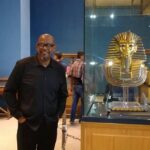
You’ll have lunch at a local restaurant, then tour the museum for a couple hours. This is one of the better ways to handle Giza, because the museum connects artifacts and context to what you’re looking at in real life.
3) Coptic Cairo is the contrast that makes the day feel complete.
Later, you’ll visit the Hanging Church and Ben Ezra Synagogue. This isn’t just a token stop; it turns the trip into more than a monuments checklist by showing how different eras of belief and community exist in the same city.
The only real caution: Day 2 is packed. Wear shoes that can handle uneven stone, and keep water handy. Also, note that the package lists entrance fees for sites as indicated, but it specifically does not include tickets to get inside the Pyramids—so decide early if that’s important to you.
Flying to Luxor and kicking off your Nile cruise with Karnak Temple
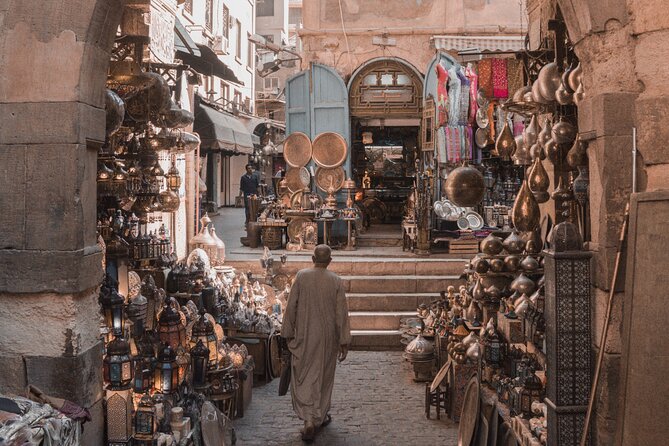
On Day 3, you check out in the morning and transfer to Cairo Airport for a domestic flight to Luxor. After you arrive, you’re met and assisted again, then taken by air-conditioned vehicle to board your Nile cruise and check in.
Your first temple evening is Karnak Temple and Luxor Temple, with lunch on board and then dinner plus overnight on the ship. This is a smart pairing: Karnak is vast and a bit mind-boggling, and Luxor Temple provides a calmer next step that helps you process what you just saw.
If you’re the type who likes explanations (not just photos), keep an eye out for the guides praised for strong storytelling and humor. On Sun Pyramids Tours departures, guides such as Eslam Atetou and Ahmed have been singled out for making the sites easier to understand and the days feel more human.
Also, a practical note: sailing schedules can affect timing. The itinerary includes set stops, but if you’re sensitive to changing timelines, build in patience—temple visits are the priority, and the ship keeps rolling.
Royal West Bank on the Nile: Valley of the Kings, Hatshepsut, and Colossi of Memnon
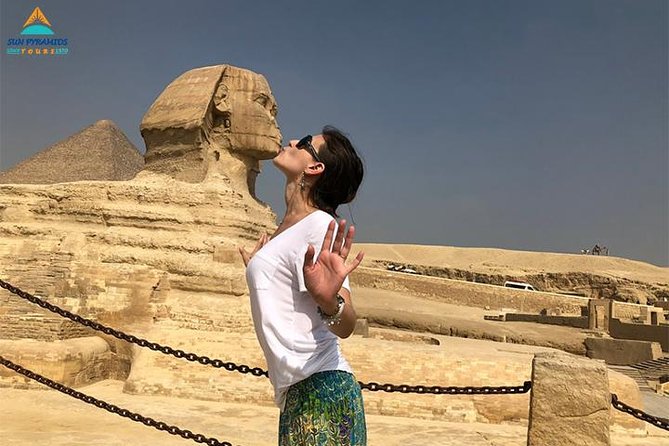
Day 4 is your major “West Bank” day, starting after breakfast onboard the cruise.
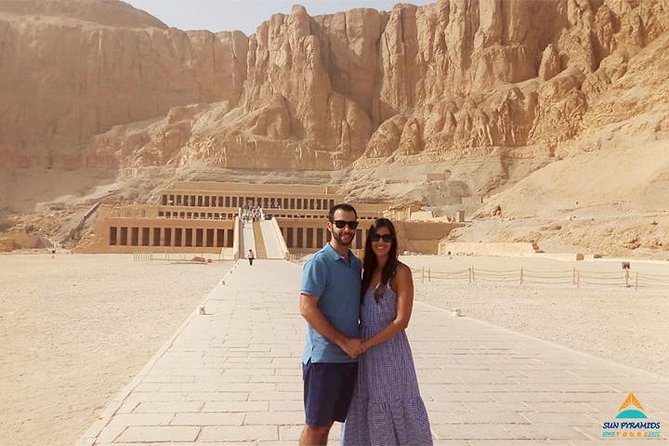
You’ll visit the Valley of the Kings, described here as the royal cemetery for many Pharaohs. Next comes Deir el Bahari, including the mortuary Temple of Queen Hatshepsut, built in the New Kingdom period. Then you’ll see the Colossi of Memnon.
What makes this run special is the variety of how monuments are built. The Valley of the Kings is all about hidden tombs and the idea of royalty staying present after death. Hatshepsut’s temple is about staging power and belief into a cliffside setting. The Colossi are more minimal, but they hit hard because they’re giant leftovers from a bigger story.
A key consideration: the package includes entrance fees for the listed sites as indicated, but it does not include entry to Tutankhamen’s tomb. If you specifically want that one, plan for it as an extra.
Even without tomb interiors, this day gives you a clear sense of why the Nile’s west bank became the final address for Egypt’s rulers.
After the morning sightseeing, you’ll return for lunch onboard, then sail onward—Day 4 ends with you sailing to Edfu, enjoying a more relaxed evening before the next temples.
Edfu and Kom Ombo: temple visits paired with a sailing travel day

Day 5 keeps the momentum, but in a more balanced way because you’re also sailing.
First, you’ll visit the Ptolemaic Temple at Edfu, dedicated to Horus. This is a well-preserved stop and a strong mid-cruise highlight because it feels different from Karnak and Luxor Temple. After that, the ship sails to Kom Ombo for the Temple dedicated to both Sobek (the crocodile god) and Horus (the falcon-headed god).
One of the practical joys here is that you’re not “wasting” a travel day sitting still. Sailing means you’re moving between two clusters of sites, and the temples become your anchors for the day.
You’ll have lunch onboard, and the day includes dinner and overnight arrangements as part of the cruise rhythm. It’s a good pattern if you like the idea of seeing a lot but don’t want your entire week to feel like constant bus time.

Aswan with modern landmarks and the Philae temple area
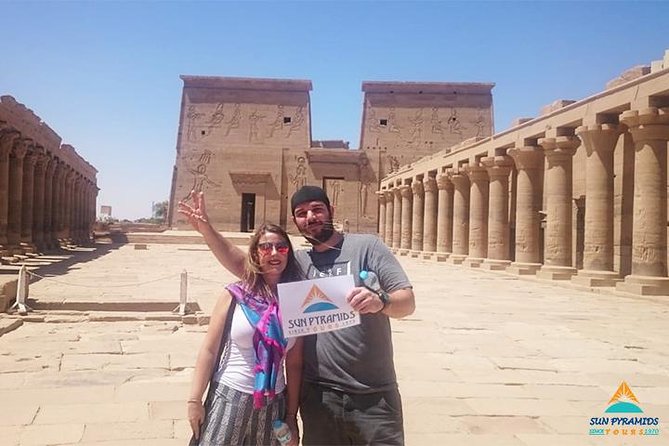
Day 6 shifts you into Aswan sightseeing after breakfast on the cruise.
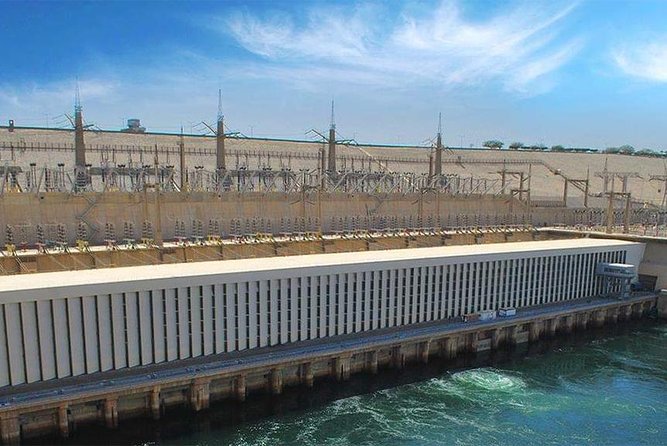
You’ll start with the Aswan High Dam, then head to the Unfinished Obelisk, and finally to the Temple of Philae, devoted to the goddesses Isis and Hathor.
This combo is valuable because it creates an easy timeline in your head. The High Dam is modern engineering. The Unfinished Obelisk shows you how ancient stonework started and why quarrying mattered. Philae connects you back to temple worship and sacred geography along the Nile.
You’ll finish with dinner and overnight onboard, which helps you avoid the stress of daily check-ins and check-outs while you’re switching from sightseeing to ship life.
Optional Abu Simbel: when to add the side trip
On Day 7, you disembark after breakfast and transfer to Aswan Airport, then fly back to Cairo. On the Cairo side, you’ll be met and taken to your hotel for an overnight.
The itinerary also lists an optional add-on for Abu Simbel. The note here is clear: it’s not included in entrance fees, so if you want it, you need to budget for those tickets separately.
Should you add it? If you’re chasing the “wow” of monumental carving tied to Ramesses II and Nefertari, it’s one of Egypt’s most dramatic side excursions. If you prefer a calmer pace, skip it—your core schedule already covers a lot of major temples.
Back in Cairo on Day 8: breathing room before departure
Day 8 is your final Cairo morning. You’ll have breakfast at the hotel, then free time at your leisure before transfer to Cairo International Airport for departure.
This last open block is underrated. After days of early pickups and guided stops, you get a chance to reset, do any last-minute shopping, and handle small things like swapping money or grabbing water for your flight.
Also note: your experience notes a start time of 8:00 pm and an around-the-clock airport welcome, which suggests your exact arrival flow can depend on your flight schedule. It’s smart to keep your day flexible and not book anything tight for the final hours.
What $2,029 really buys: value, inclusions, and the extras to plan for
At $2,029 per person for an 8-day / 7-night package, the value is mostly in the time-savings and what’s already handled for you: transfers, domestic flights, and a large share of admissions.
Here’s what’s included on paper:
- Domestic flights: Cairo → Luxor and Aswan → Cairo
- Private air-conditioned transfers and airport meet-and-assist
- A private tour guide
- Entrance fees to the sites listed as included
- Accommodation in Cairo and onboard the Nile cruise
- Meals as mentioned: 7 breakfasts, 5 lunches, 4 dinners
- Bottled water during the trip when needed (and portage when needed)
- Service charges and taxes
Then, the package is also very specific about what is not included:
- Tipping kitty
- Personal expenses and beverages
- Tickets to get inside the Pyramids
- Entry ticket to Tutankhamen’s tomb
- Entry ticket to Abu Simbel (and it’s optional anyway)
- Gala dinner
So the real question isn’t just the base price. It’s how many paid “must-sees” you care about that fall outside the included list. If you only want the outside views of the Pyramids, this can feel like a strong deal. If you want multiple tomb interiors and Abu Simbel, your total cost can rise quickly.
One more small reality check: the package notes that if a specific cruise or hotel isn’t available, the operator can swap to another option of the same category, and the order of days may shift based on sailing dates. That’s normal in Egypt travel; the core sights stay the priority.
Who should book this Cairo and Nile cruise package?
This tour fits you best if you want:
- A guided Egypt plan with private transfers and a private guide, not a do-it-yourself scramble.
- The combo of ancient monuments + museum context + Coptic Cairo in one trip.
- A Nile cruise experience that includes major temples along the route and doesn’t strand you in transit all day.
It may not be ideal if you’re chasing a slow, empty schedule. This itinerary is built for full days: pyramids and museum in Cairo, temples in Luxor right away, then Valley of the Kings and royal sites, followed by Edfu and Kom Ombo, and finally Aswan highlights.
It’s also best for people who can handle early mornings and walking on uneven surfaces. You’ll be on your feet at temples and in historic complexes.
Should you book it? My honest take
Yes, if you want a well-paced route that covers the headline Egypt experiences with less logistical stress. The biggest win is the structure: airport help, internal flights, guided temple time, and a cruise rhythm that keeps the week from feeling like nonstop hotel moves.
I’d say book with confidence if your priority is to see Giza, Cairo’s museum and Coptic sites, and the classic Nile temple chain from Luxor toward Aswan. It’s the kind of plan where a good guide matters, and names like Reham (trip support) and Eslam Atetou (on-cruise guide praise) show that the operator takes guiding seriously.
Hold off or budget extra if you care about paid interiors like Pyramid access, Tutankhamen’s tomb, or the optional Abu Simbel add-on. If those are on your personal top-5 list, you’ll want to price them into your total before you fall in love with the base package.
FAQ
Is airport pickup included?
Yes. Your tour includes meet-and-greet assistance at airports, plus transfers by air-conditioned private vehicle to your hotel and between travel days.
Are entrance fees included for the main sights?
Entrance fees are included for the sites listed as indicated in the itinerary. However, some items are explicitly not included, including tickets to get inside the Pyramids.
Are domestic flights included?
Yes. The package includes a domestic flight from Cairo to Luxor, and a domestic flight from Aswan back to Cairo.
How long is the Nile cruise portion?
The cruise portion runs through the middle of the trip, starting after you fly to Luxor and continuing through sailing days and Aswan sightseeing before you disembark and fly back to Cairo.
What meals are included?
Meals included are 7 breakfasts, 5 lunches, and 4 dinners, based on what’s listed in the itinerary and inclusions.
Do I need to pay tipping?
Tipping kitty is not included, so you should plan for tips as an extra expense.
Is Abu Simbel included?
Abu Simbel is an optional tour. The package notes it is not included in entrance fees, so you would need to pay for those separately if you add it.
Is this tour private?
Yes. It’s listed as a private tour/activity, so only your group participates.