REVIEW · HURGHADA
Museum Diving Experience in the Red Sea
Book on GetYourGuide →Operated by Sea Secret Diving · Bookable on GetYourGuide
Fast water day, big memories. This Red Sea underwater military museum turns real artifacts into an artificial reef, so your scuba time comes with story and scenery. I like that you get a clear structure: pickup, briefing, gear, then guided time in the water.
Two things I’d put at the top: the chance to see sunken military gear like tanks, helicopters, and planes, and the way the crew leans into safety and comfort (beginner-friendly notes show up again and again). One watch-out: one review flagged that the promised underwater museum setup didn’t match expectations on their dates—so it’s smart to ask what you’ll see on your specific day.
In This Review
- Key things to know before you go
- Entering the underwater museum reef in the Red Sea
- The day’s pacing: pickup, land stops, and getting to the water
- What you’ll see underwater: tanks, helicopters, planes, and the reef
- Safety and instruction: how the crew supports beginners
- Boats, facilities, and the small comforts that matter
- Price in real terms: what $61 buys you
- Logistics that can make or break the day
- Who should book this and who should look elsewhere
- Should you book the Museum Scuba Experience in the Red Sea?
- FAQ
- FAQ
- What’s the total duration of the experience?
- Where does pickup happen?
- What’s included in the price?
- What extra costs should I budget for?
- What languages are available for the instructor?
- Do I need to bring ID or a passport?
- Is lunch provided?
- Is underwater photography or souvenirs available?
- Who shouldn’t take part in this activity?
Key things to know before you go
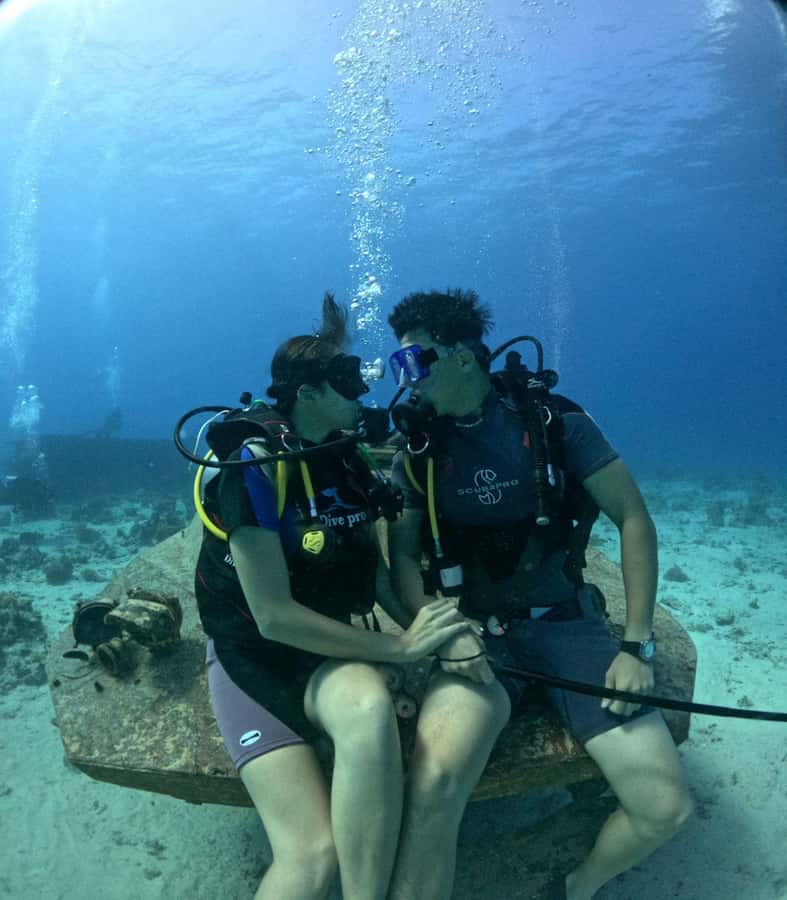
- Underwater military museum reef: tanks, helicopters, and planes turned into an attraction
- Guides that focus on safety: professional instruction and close attention in the water
- Beginner-friendly support: confidence-building guidance shows up in the feedback
- Lunch included: food matters on a long day, and several people praised it
- Photography and souvenirs: opportunities to take memories home from the experience
- One possible mismatch risk: confirm the exact format of the underwater museum before paying
Entering the underwater museum reef in the Red Sea
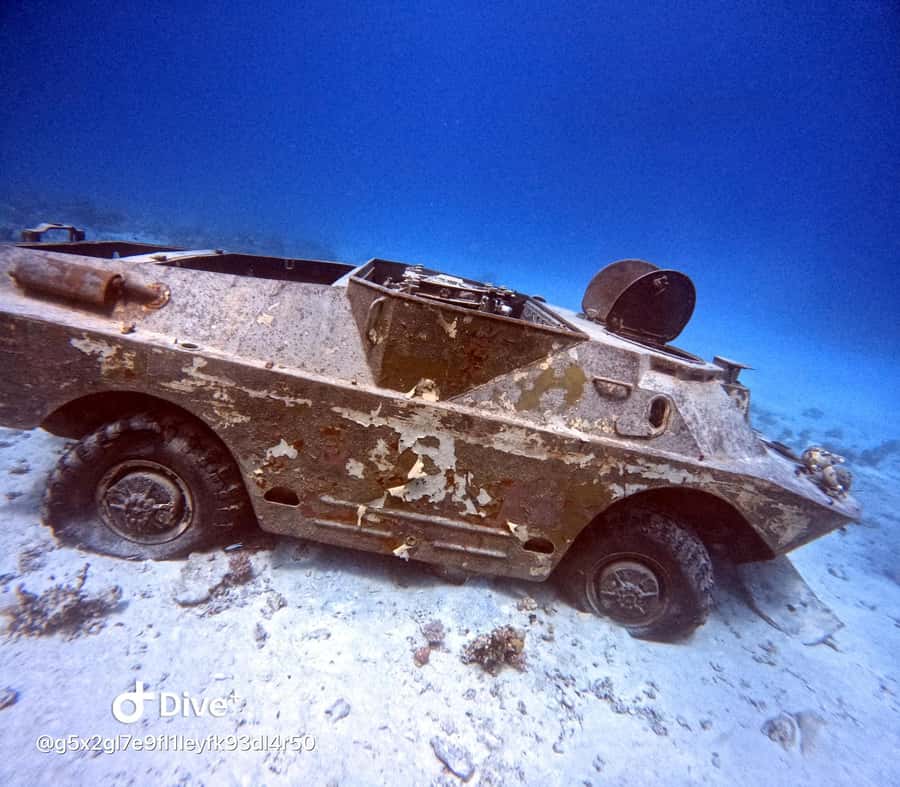
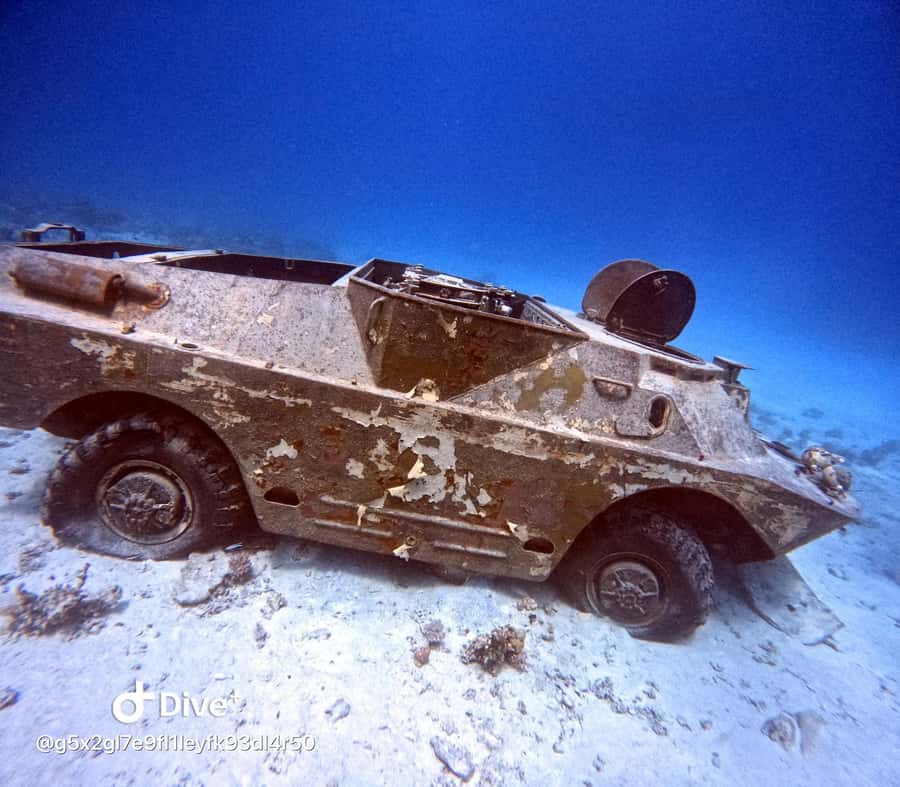
This is a Red Sea scuba outing built around a very specific idea: history underwater. The attraction is described as an artificial reef made from sunken military artifacts—so instead of only “pretty coral and fish,” you’re also looking at tanks, helicopters, and planes in the marine environment. That blend is what makes this experience feel different from a generic reef visit.
And it’s not just about the objects. The crew’s briefing and in-water guidance matter here because the site is visual and busy. You’ll want a guide who can keep you oriented and help you move safely through the area. Based on the feedback, that’s exactly where the operation earns its stars: people repeatedly mention attentive instruction and a calm, professional approach.
The day’s setup is also practical. You’re picked up from select hotels, driven in an air-conditioned vehicle, and then handled by a crew that’s set up for scuba logistics. If you’ve ever done a chaotic excursion where you’re waiting around for the group to assemble, you’ll appreciate the more organized rhythm.
That said, there’s one caution I keep in mind. One mid-rating comment said there was no underwater museum at all on their date, and that the dives felt like a standard reef tour you could get cheaper. This doesn’t mean the experience is always the same in every detail—but it does mean you should verify what the “museum” aspect looks like on the day you book.
You can also read our reviews of more museum experiences in Hurghada



The day’s pacing: pickup, land stops, and getting to the water
The total duration is 7 hours, and the schedule starts with hotel pickup. Your options include Makadi Bay, Hurghada, and El Gouna (Hurghada pickup #2 is listed as well). Drop-off returns to those same areas after the excursion.
You’ll spend time moving between points. The itinerary includes a guided-style land segment and at least two separate sightseeing blocks listed at about two hours each. That matters because it turns this into a full, structured morning/afternoon rather than a quick half-day.
Here’s what you should treat as the practical takeaway: build this day like a real plan, not a flexible “maybe” slot. You’ll want to eat something early (within the rules), keep your passport or ID ready, and be punctual.
Pickup details are strict in a helpful way: wait about 10 minutes in the hotel lobby before your scheduled pickup, and the driver won’t wait more than that. It’s not about being difficult—it’s about keeping the whole chain on time, especially when boats and equipment are involved.
Also note the “skip the line” part: there’s a separate entrance. That can save a chunk of waiting, especially during busier travel periods.
What you’ll see underwater: tanks, helicopters, planes, and the reef
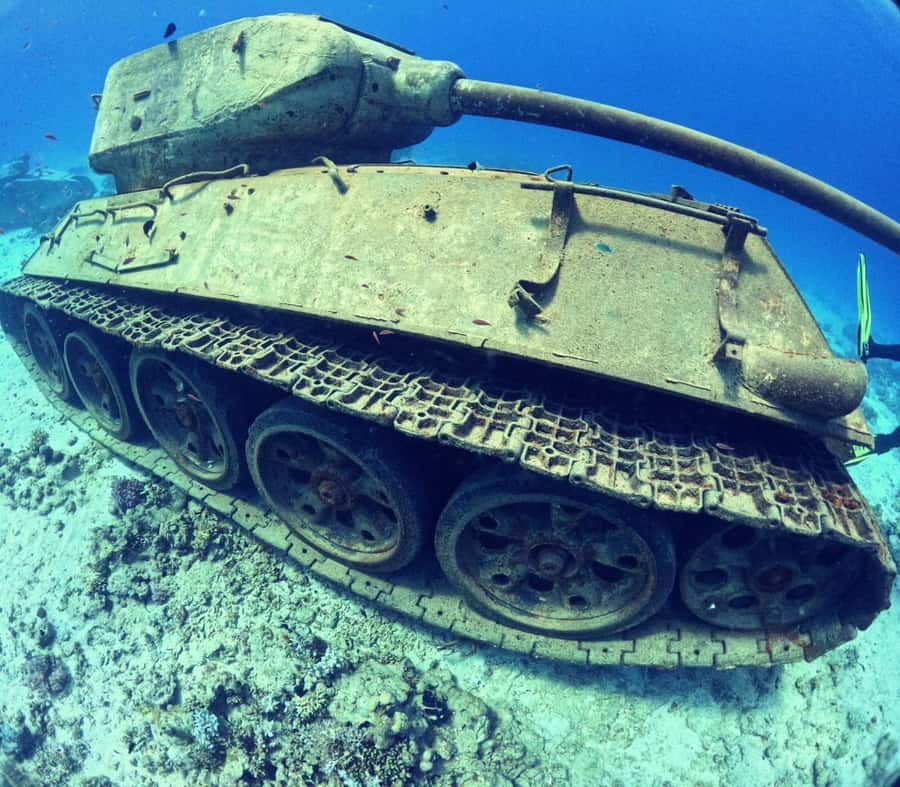
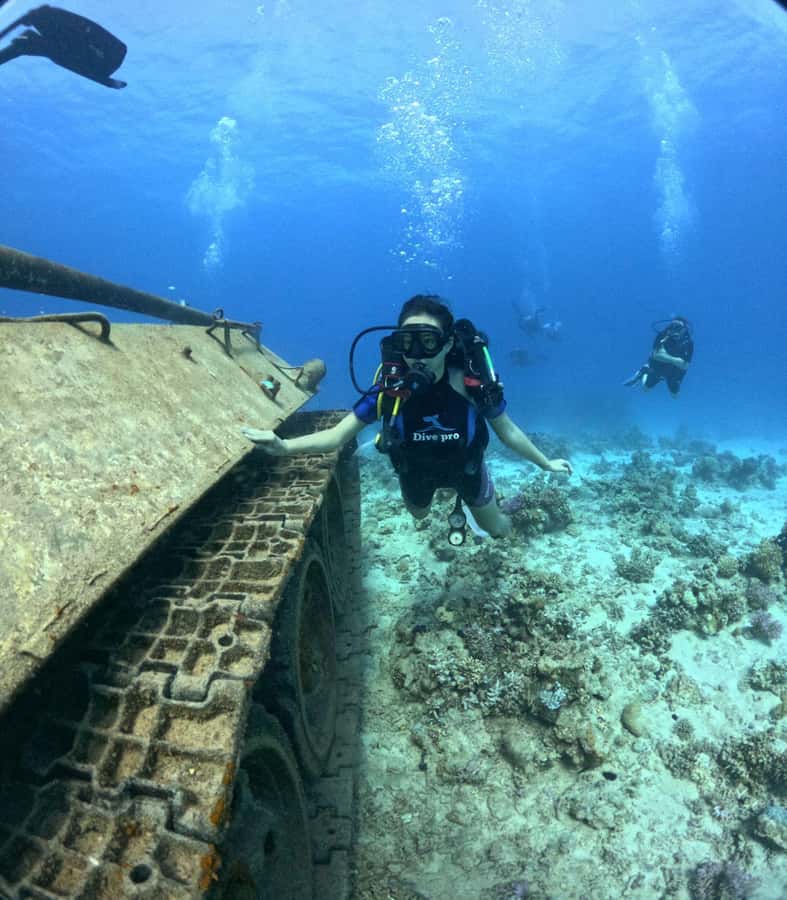
This is the headline, and it’s the reason most people choose this activity. The underwater museum is described as an artificial reef made from sunken military artifacts, including tanks, helicopters, and planes. In other words, the attraction isn’t a single “stand here and look” spot—it’s a set of objects and structures that work like an underwater exhibit.
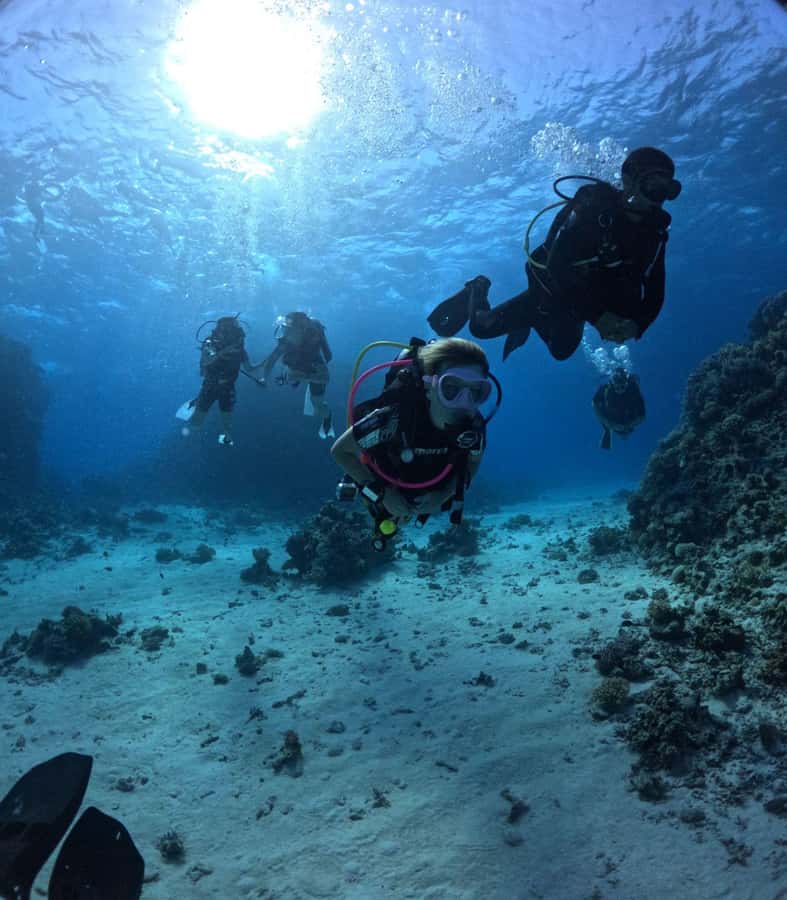
The format is also guided. You’ll receive a briefing, then gear up, then go in with professional guides. The goal is to help you explore the site without rushing and without feeling lost underwater. If you’re taking photos, you’ll likely want that guidance even more, because it helps you find angles and avoid unnecessary finning.
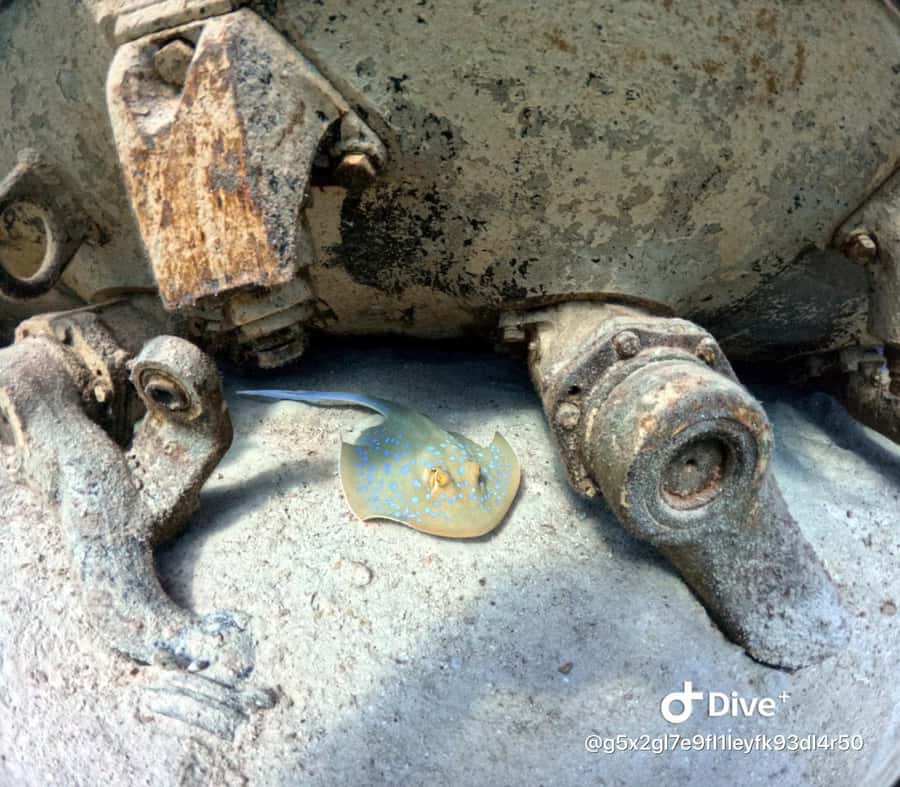
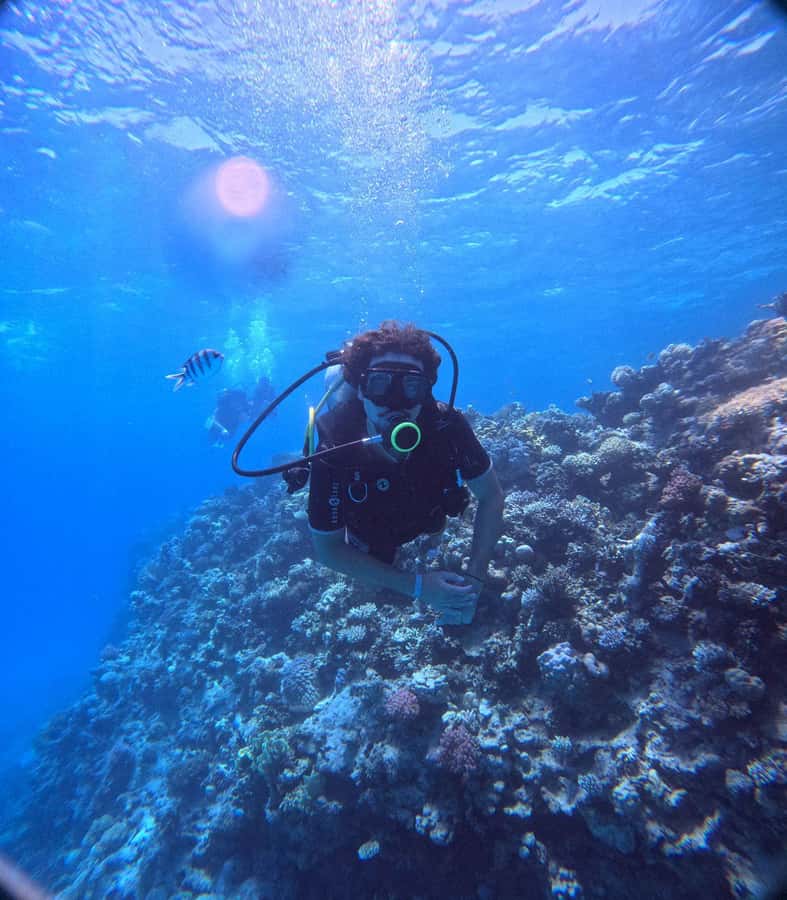
You can also expect marine life to move through all that structure. The water around artificial reefs often becomes a habitat for fish and other creatures, and your guide should point out what’s around you during the swim.
One more practical note: the attraction is visual and “object-heavy.” That’s great for first-time photographers, but it can be distracting if you’re new to buoyancy control. The safe way to enjoy it is to take your time and let your guide manage your pacing—especially if you’re a beginner.
Finally, keep expectations grounded: conditions at sea change. If visibility or currents affect how the crew plans the route on your date, the exact focus of what you see could shift. That’s not a failure—it’s scuba reality.
Safety and instruction: how the crew supports beginners
The experience includes use of SCUBA equipment, plus a guide/instructor team. The languages listed for the instructor are English, German, Russian, Arabic, which is a strong sign the team is used to mixed groups.
In the feedback, the most praised theme is the instructor style. Multiple people specifically call out safety and careful attention, including comments from beginners who felt looked after throughout. There are also named references that make the praise feel concrete: Badr shows up as an instructor/guide (and also as Captain Badr in one comment), and Joo is mentioned as the instructor in another.
That’s useful for your decision because it hints this is the kind of operation that trains people out of fear. If you’re anxious about being in open water or wearing gear for the first time, you’ll likely appreciate the calm, check-in style that keeps you aware of your depth and breathing.
Also pay attention to the “commentary throughout the dive” note. A guide who explains what you’re seeing makes the objects feel more alive. Tanks and planes can look cool on their own, but with context they become more meaningful.
If you’re already certified, you’ll still benefit from the guidance because it helps you navigate a site that’s different from a simple reef line.
Boats, facilities, and the small comforts that matter
Several comments praise the boat and crew facilities. One person specifically mentioned the facilities with Captain Badr, and more than one review highlights how the team worked hard to make the day fun—not just technically correct.
Lunch is included, and more than one note calls it good. On a 7-hour schedule, lunch isn’t a “nice extra.” It’s part of why the day doesn’t feel like a grind. One review also mentioned extra food later if hunger hit—which tells me the crew is watching the practical comfort of the group.
Then there are the memory tools. The experience description includes opportunities for photography, and the feedback mentions nice pictures. In other words: you’re not just coming home with tired arms and vague photos. You’re likely to leave with clear underwater shots or at least the chance to capture them.
Souvenir options are also mentioned. That’s common in this type of excursion, but it can help if you’re trying to avoid random gift stops during your vacation.
You can also read our reviews of more scuba diving tours in Hurghada





Price in real terms: what $61 buys you
The listed price is $61 per person for a 7-hour day that includes SCUBA equipment, lunch, and hotel pickup via an air-conditioned vehicle.
To judge value, I look at what you’d otherwise have to pay separately:
- SCUBA equipment is included, which saves you rental hassle.
- Lunch is included, which reduces hidden costs on a long day.
- Pickup and drop-off is included for Makadi Bay, Hurghada, and El Gouna areas, saving you transport planning.
Two extra costs matter:
- A marine park fee of $5 per person is not included.
- Transfers outside Hurghada cost extra: $10 USD (if your hotel is outside the covered area).
So if you’re comparing options, don’t just compare the base price. Add the marine park fee and think about whether your transfer would cost extra.
Also watch how this price matches the “museum” promise. If your main reason for booking is the underwater military artifacts, the $61 is fair only if the museum component is operating in the way you expect on your day. Given the one cautionary review, I’d message the provider ahead of time and ask what the underwater museum format looks like that day.
Logistics that can make or break the day
This is where practical tips save you time.
Bring
- Cash
- Passport or ID card (a copy is accepted)
Don’t bring
- Bags
- Pets
- Alcohol and drugs
- Drinks in the vehicle
Those rules are important because they affect what you pack for hotel pickup. If you’re traveling light, bring only what you need for check-in and in-water safety. No big bag means less to juggle on a boat.
You’ll also be skipping the line via a separate entrance, which helps keep things moving. The crew waits no longer than 10 minutes after pickup time, so be ready when they arrive.
One more “you should know” detail: this isn’t suitable for pregnant women and people over 70 years. If you fall into either category, skip it and ask for an alternative activity that matches your comfort and safety needs.
Who should book this and who should look elsewhere
This tour is a great fit if:
- You want Red Sea scuba with a theme beyond just coral and fish
- You value structured guidance (especially if you’re new or nervous)
- You care about safety and want a crew that’s attentive in the water
- You like the idea of photographing underwater objects and structures
It’s not a great fit if:
- You’re only interested in a strict “museum” format and want zero uncertainty about what’s operating that day
- You’re outside the age range or in a situation where it’s medically not recommended
- You don’t want a full, scheduled 7-hour day with land segments before/after the water
If you’re the kind of person who enjoys history meeting marine life—and you’re okay confirming details before you go—this is the kind of excursion that can feel uniquely memorable.
Should you book the Museum Scuba Experience in the Red Sea?
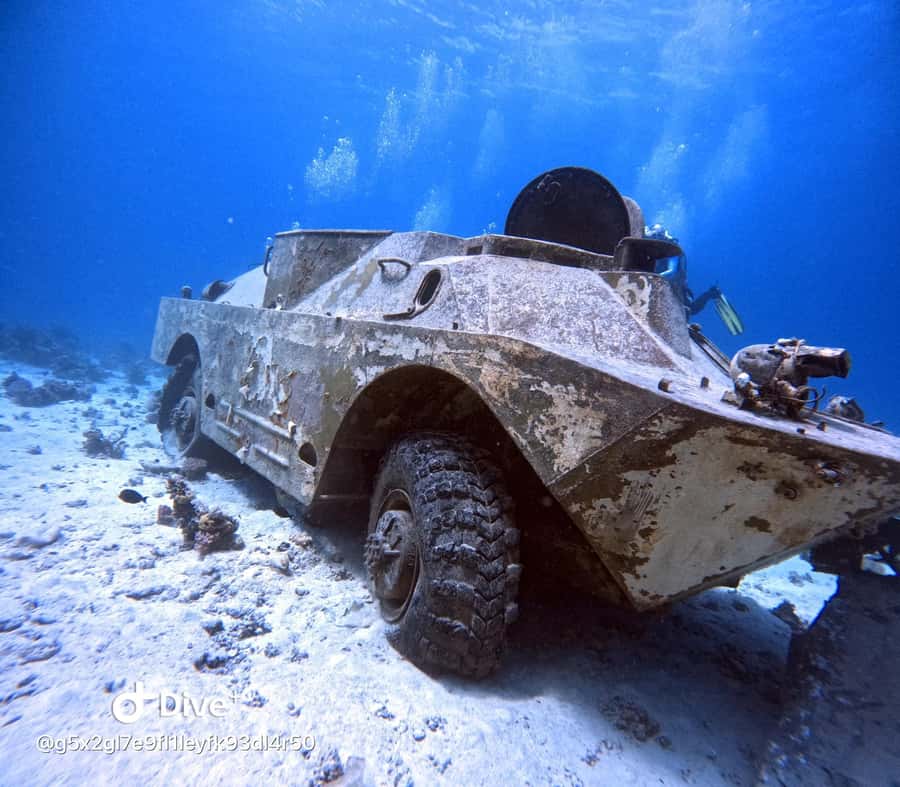
I think it’s worth booking if you’re excited by the specific idea of an underwater military museum reef. The strongest reason to choose it is the pairing of artifacts (tanks, helicopters, planes) with professional guidance and safety-focused instruction. Names like Badr and Joo show up in the feedback, which suggests real people are doing real work to keep things comfortable.
My one “pause” point is the single report that the underwater museum didn’t match expectations on that date. That’s not enough to dismiss the tour—but it is enough that I’d ask a couple of direct questions before booking: what artifacts will you prioritize, and how the underwater museum component is presented on your travel dates.
If the answer lines up with what you want, go for it. This is one of those Red Sea experiences where you’re not just swimming—you’re exploring a place with stories written into the reef.
FAQ
FAQ
What’s the total duration of the experience?
The experience lasts 7 hours.
Where does pickup happen?
Pickup is available from Makadi Bay, Hurghada, and El Gouna (with an additional Hurghada option). Drop-off returns to those same areas.
What’s included in the price?
Included are SCUBA equipment, lunch, and an air-conditioned vehicle.
What extra costs should I budget for?
The marine park fee is $5 per person and it’s not included. Transfers outside Hurghada cost an additional $10 USD.
What languages are available for the instructor?
The instructor is listed in English, German, Russian, and Arabic.
Do I need to bring ID or a passport?
Yes. You should bring a passport or ID card. A copy is accepted.
Is lunch provided?
Yes. Lunch is included.
Is underwater photography or souvenirs available?
You’ll have the opportunity to take photographs, and you can also purchase souvenirs.
Who shouldn’t take part in this activity?
It’s not suitable for pregnant women and people over 70 years.