REVIEW · CAIRO
Memphis & Saqqara Small‑Group Day Trip from Cairo
Book on GetYourGuide →Operated by Intrepid Urban Adventures - Africa · Bookable on GetYourGuide
Two capitals, one desert afternoon.
This small-group day trip is a fast, smart way to see Egypt’s early power centers without feeling like you’re in a human queue. I especially like the chance to get close to the colossal Ramses II statue at Memphis and then finish with the Step Pyramid of Djoser in Saqqara.
The tour’s pace and guide help you make sense of what you’re looking at, and a local guide named Muhammad has earned standout praise for being engaging. One thing to watch: if your must-see list includes the Bent and Red Pyramids, confirm this exact outing covers them for your day, since some guests reported they weren’t included.
In This Review
- Key things that make this trip worth your time
- Four hours that actually feels like a plan
- Meeting at Pharaohs Hotel and getting a smooth start
- Memphis at Mit Rahina: where early Egypt still feels close
- Photo notes for Memphis (without turning it into a photo marathon)
- The Alabaster Sphinx area: a striking stop with real character
- Saqqara’s desert necropolis and the Step Pyramid of Djoser
- Why Djoser hits differently than you expect
- Getting more from the guide (and what to ask)
- Cost and value: is $65 for 4 hours a fair deal?
- Who this trip is perfect for
- Who should consider a longer or different option
- What to bring for Saqqara’s sun and walking
- Should you book this Memphis & Saqqara small-group day trip?
- FAQ
- How long is the Memphis & Saqqara small-group day trip from Cairo?
- Where does the tour start and end?
- How big is the group?
- What places are included in the visit?
- What can I see in Memphis?
- Do I get an English-speaking guide?
- Is food or drinks included?
- What should I bring?
- Is the tour child-friendly?
- What are the cancellation and payment options?
Key things that make this trip worth your time
- Max 12 guests keeps the experience calmer and easier to photograph
- Mit Rahina Open-Air Museum gives you Memphis at ground level, with major monuments nearby
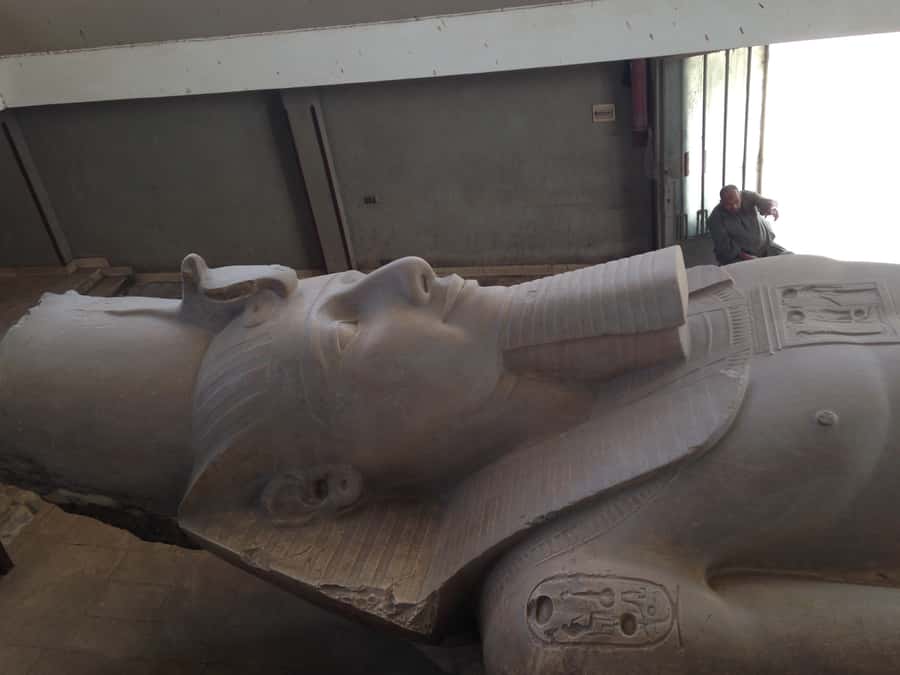
- Colossal Ramses II statue plus the Alabaster Sphinx area mean big visuals in a short window
- Saqqara’s Step Pyramid of Djoser is the main event, tied to Imhotep in the tour’s story
- English live guide helps you understand what you’re seeing as you move through the sites
Four hours that actually feels like a plan
If you’re short on time in Cairo, this is the kind of trip that works because it’s focused. You’re not trying to cram in every pyramid from every era. Instead, you hit two of the most important archaeological zones—Memphis first, then Saqqara—so you get the big picture quickly.
The other practical win is the small-group size (up to 12). That matters at places like Saqqara, where crowds can turn walking into a slow shuffle. Here, you’re more likely to get clear sightlines for photos and time to actually read the scene instead of just passing through.
The trip is also short enough that you’ll likely be energized at the end, not exhausted. That said, it’s still a day with real walking on uneven ground, and you’ll want to dress for sun.
A few more Cairo tours and experiences worth a look


Meeting at Pharaohs Hotel and getting a smooth start
The day begins at Pharaohs Hotel in Dokki (12 Lotfy Hassouna St). From there, you’re picked up for a round-trip route that takes you Cairo → Memphis → Saqqara → Cairo, and you return to the same meeting point.
I like starting at a specific hotel because it removes guesswork. You also avoid the stress of coordinating multiple transfers or negotiating rides while you’re trying to enjoy the day.
Even better: the ride includes scenic views on the way back to Cairo. It’s a small detail, but it helps break up the intensity of the ancient sites.
Memphis at Mit Rahina: where early Egypt still feels close
Memphis is a big deal in Egypt’s story—Egypt’s first capital in the narrative you’ll hear on this tour. And Mit Rahina Open-Air Museum is where that story becomes physical. You’re not just staring at distant shapes; you’re walking through an area that brings the monuments and ruins into a more human scale.
You’ll spend time with a guided visit at Mit Rahina. That guidance is useful because Memphis can feel confusing if you only see it as rubble. A good guide helps connect what you’re looking at to who built it, what it was for, and why it mattered.
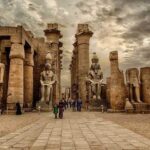
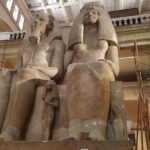
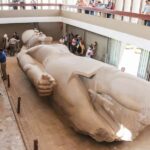
One of the highlights is the chance to see a colossal statue of Ramses II. It’s the kind of monument that grabs you instantly. Even without a long explanation, you feel the scale. With the explanation, you understand why that scale was meant to impress.
Photo notes for Memphis (without turning it into a photo marathon)
If you care about photos, Memphis can reward you because you’re dealing with dramatic surfaces—stone, fragments, and monumental silhouettes. The tour’s small-group setup helps here. You’ll generally have enough space to frame a shot without constantly stepping aside for a crowd.
If the light is harsh, look for angles where the statue or sphinx-like forms catch side light. That usually gives you more texture than flat midday glare.
The Alabaster Sphinx area: a striking stop with real character
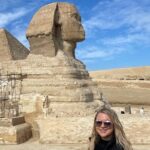
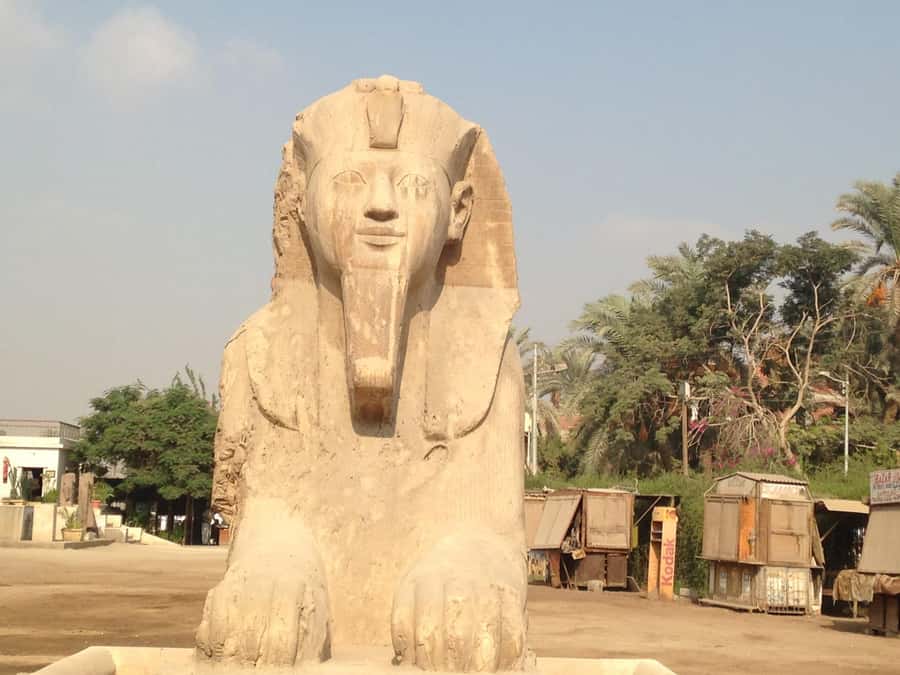
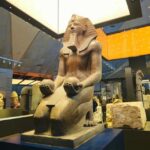
Memphis on this trip isn’t only about the big statue. You also get to see the Alabaster Sphinx and temple remains.
What I like about this stop is that it gives contrast. The statue can feel like pure scale; the Alabaster Sphinx area gives you a more atmospheric sense of place. Even if you’re not an archaeology expert, you can read the mood: this is an area built to last, and it’s still showing its personality through the ruins.
It’s also a great “pause” moment. The tour keeps moving, but this is the kind of view where you naturally slow down—because your eyes keep tracking details.


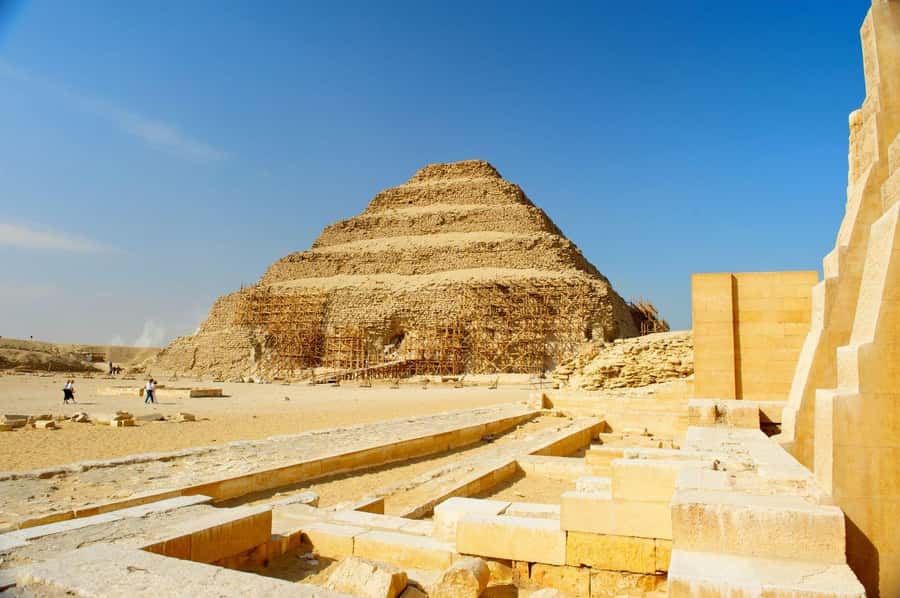
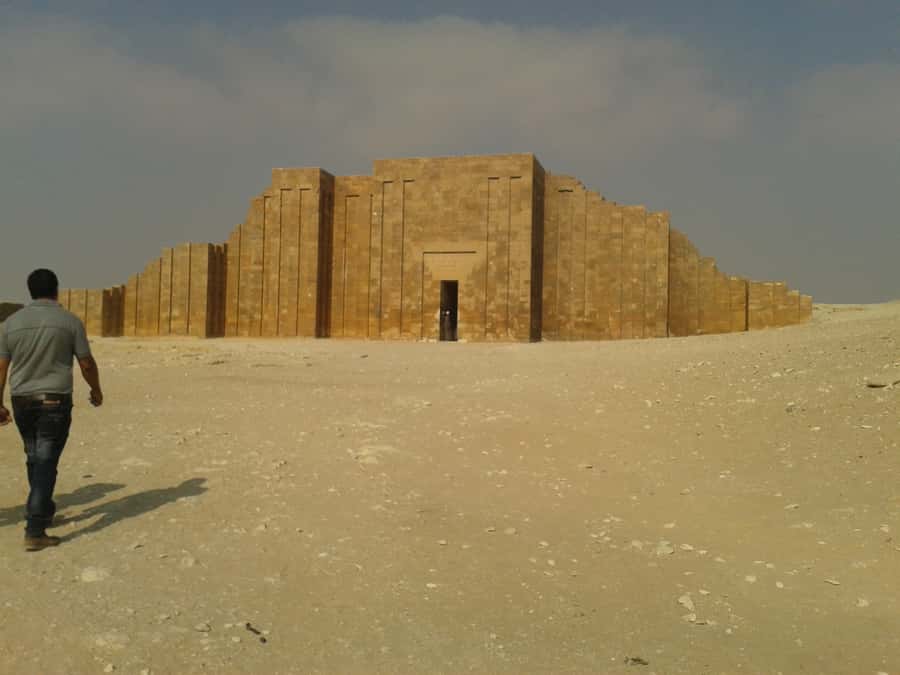
Saqqara’s desert necropolis and the Step Pyramid of Djoser
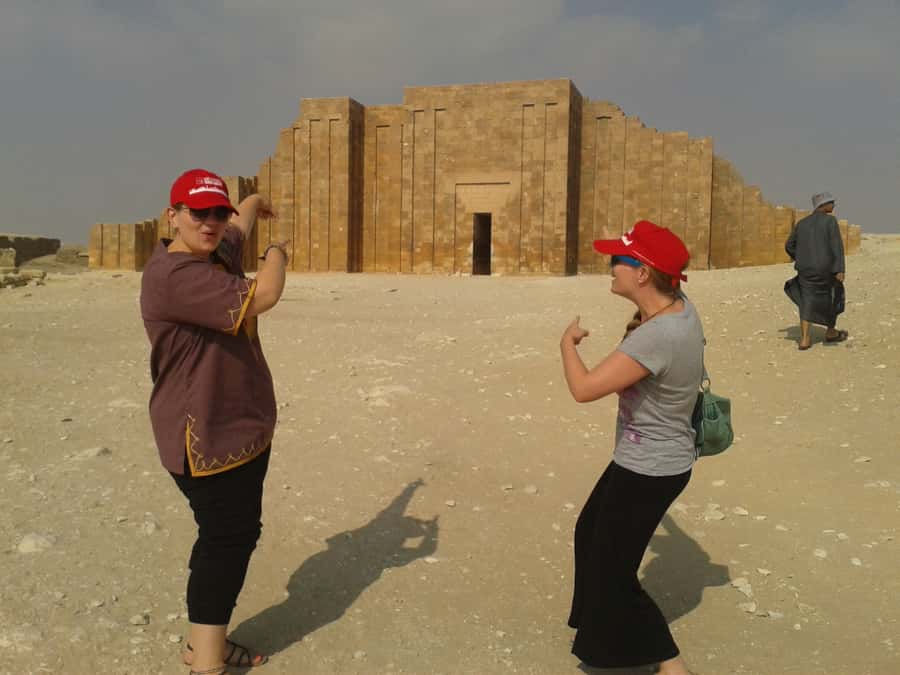
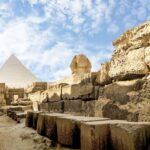
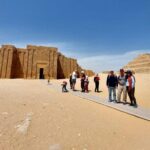
Then you head to Saqqara, and the whole atmosphere shifts. Saqqara is a massive desert necropolis, meaning it’s not one single monument you walk into. It’s a landscape of burials, structures, and history spread out across sand and stone.
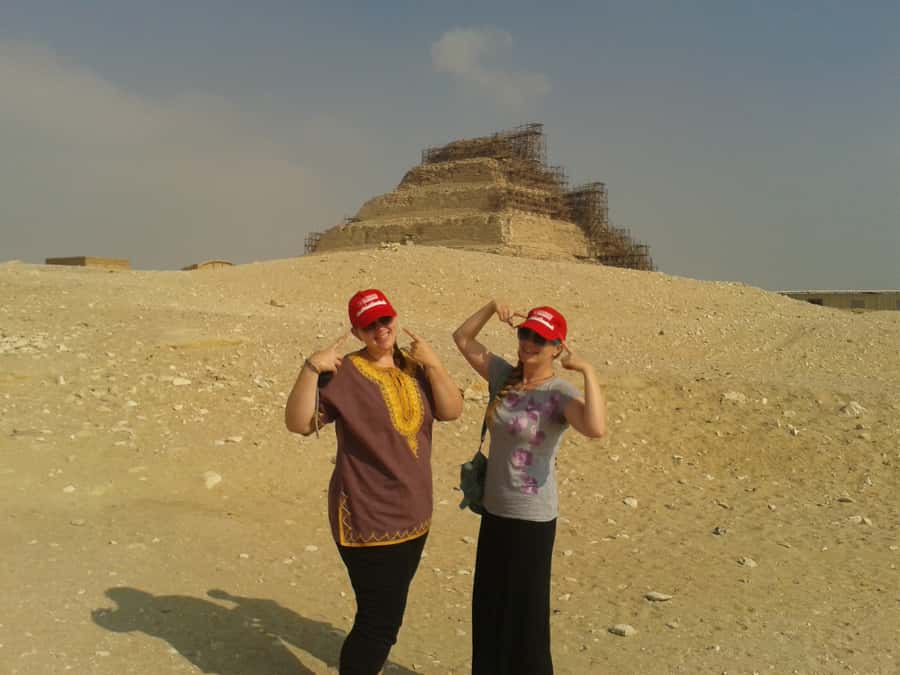
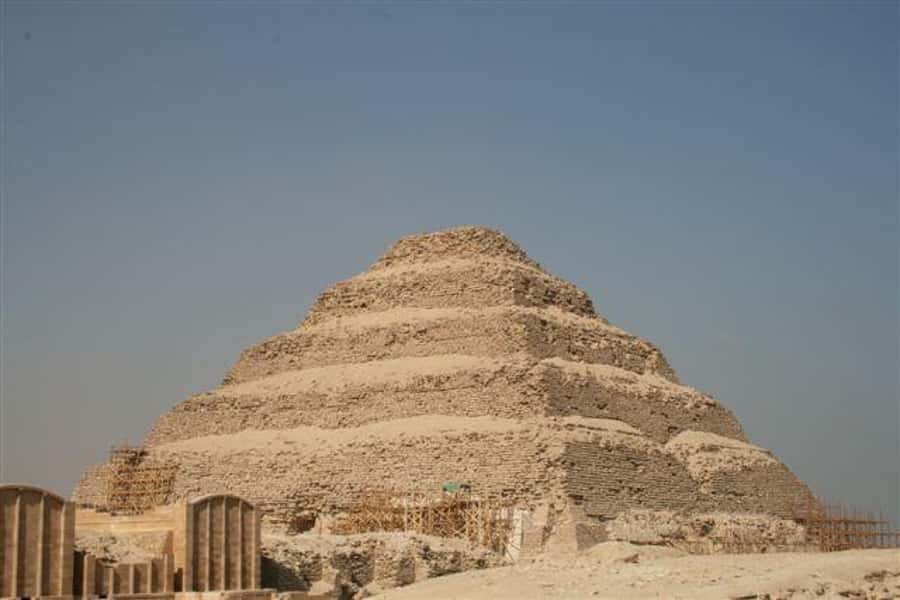
On this trip, your guided visit focuses on Saqqara and the Pyramid of Djoser—described as the world’s oldest Step Pyramid and the oldest stone monument on Earth. The tour also ties Djoser’s complex to Imhotep, which helps you connect the architecture to the people behind it.
You’ll have a chance to explore the broader necropolis feel, not just stand at one point for a quick photo. The tour mentions walking through the desert area and exploring tombs and smaller pyramids around the main complex. That matters because the Step Pyramid reads more clearly when you’re not treating it like a lone landmark.
Why Djoser hits differently than you expect
The Step Pyramid is famous, but that fame can make you think it’ll be all “seen it already.” It’s not. When you’re actually there, you get a better sense of how step design was a stepping-stone in engineering and style—literally in the shape.
The other thing: the location itself feels ancient in a way that city ruins sometimes don’t. You’re out in the open, surrounded by desert space, and that emptiness makes the monument feel even bigger.
Getting more from the guide (and what to ask)
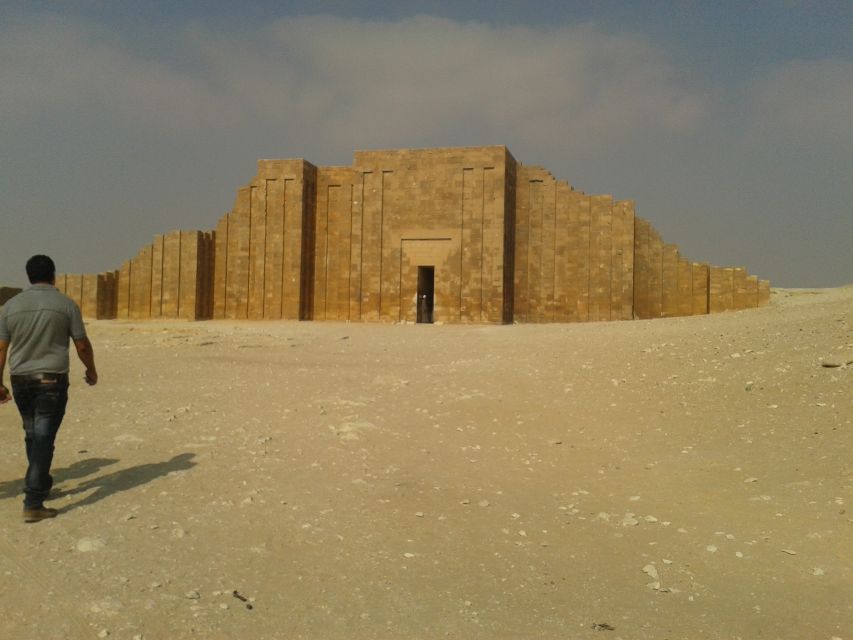
This is a professional local guide tour, and the live guide is in English. That’s a big deal for a short outing like this. When time is tight, you need help translating what you’re seeing into meaning.
A guide named Muhammad has been praised as spectacular, and that kind of feedback usually points to someone who explains clearly and keeps the group engaged. Even if you don’t get Muhammad, the format aims for the same outcome: you should leave understanding why Memphis came first and what Saqqara represents after that.
Here are a few questions you can ask during the walk—questions that match what this tour is designed to cover:
- What’s the best way to see the relationship between the Ramses II statue and the surrounding Memphis remains?
- Why does Imhotep matter in the story of the Step Pyramid?
- Are we stopping at the main Step Pyramid viewpoint, or do we also cover additional pyramid areas in Saqqara?
And one practical heads-up: if you’re specifically hoping to see Bent and Red Pyramids, ask before you go. This experience centers on the Step Pyramid of Djoser, and some guests reported other pyramids were not part of the plan on their day.
Cost and value: is $65 for 4 hours a fair deal?
At $65 per person for a roughly 4-hour trip, you’re paying for three things: transport, a guide, and access to two major archaeological sites in one compact day.
The transport value is real. Driving out and back between Cairo and the Memphis/Saqqara area is not just time—it’s also energy. When the tour handles the round-trip route, you avoid the hassle of piecing together rides while also trying to see monuments.
The guide value matters because these sites can be overwhelming without context. You’re walking among ruins and historical structures, and a local guide helps you spot what the site is trying to communicate. For a short trip, that context can turn a “cool photos” day into a “got it” day.
One cost note: food and beverages are not included. That’s common for short tours, but it means you’ll want a plan before or after. If you arrive hungry, you’ll feel it by the end of the session.
Who this trip is perfect for
I think this day trip is ideal if you:
- want a first taste of Memphis and Saqqara without committing to a full-day marathon
- enjoy photography and want fewer people so you can frame shots calmly
- like having a guide connect monuments to the bigger story, especially with an English explanation
- travel with kids age 6 and older (the tour is described as child-friendly)
It also suits you if you’re already planning other Cairo highlights and you want one excursion that feels efficient but still meaningful.
Who should consider a longer or different option
If you have a very specific pyramid checklist—especially if Bent and Red Pyramids are non-negotiable—this outing may not match your expectations on every day. Since coverage can vary, it’s smart to verify what’s included for your departure.
Also, if you want time to wander slowly, sit in shade, and take your time reading the area without rushing between stops, you may prefer a longer tour format.
This isn’t a “park for hours and take it all in” experience. It’s a “hit the key moments with guidance” experience.
What to bring for Saqqara’s sun and walking
This is a straightforward packing list, but it matters. The tour advises bringing:
- comfortable shoes
- sunglasses
- sun hat
- sunscreen
I’d treat those as minimums, not suggestions. Saqqara is outdoors, and even when the route is well-paced, you’ll still be in the sun and on foot.
If you forget one thing, let it be comfortable shoes. That’s the item that turns a good day into a painful one the fastest.
Should you book this Memphis & Saqqara small-group day trip?
Book it if you want a short, well-run excursion that hits the core monuments: Mit Rahina/Memphis, the Ramses II statue area, the Alabaster Sphinx and temple remains, and then the Step Pyramid of Djoser in Saqqara with an English live guide.
Skip it or double-check coverage if Bent and Red Pyramids are top of your list. Otherwise, this is strong value for a guided, transport-included day that keeps crowds lower with a max 12-guest group.
If you’re the type who likes seeing big landmarks with enough context to understand them, you’ll likely enjoy how quickly this trip connects the dots between Egypt’s early capital power and its burial landscape.
FAQ
How long is the Memphis & Saqqara small-group day trip from Cairo?
It’s listed as a 4-hour experience.
Where does the tour start and end?
The meeting point is Pharaohs Hotel in Dokki, and you return there at the end of the trip.
How big is the group?
It’s a small-group tour with a maximum of 12 guests.
What places are included in the visit?
The tour includes a guided visit to Memphis (Mit Rahina Open-Air Museum) and a guided visit to Saqqara (including the Pyramid of Djoser).
What can I see in Memphis?
You’ll see the colossal Ramses II statue, the Alabaster Sphinx, and temple remains as part of the Memphis experience.
Do I get an English-speaking guide?
Yes. The tour includes a live English tour guide.
Is food or drinks included?
No. Food and beverages are not included.
What should I bring?
The tour advises you bring comfortable shoes, sunglasses, a sun hat, and sunscreen.
Is the tour child-friendly?
Yes. It’s described as child-friendly, and children 6 years and older may join.
What are the cancellation and payment options?
There’s free cancellation up to 24 hours in advance for a full refund, and you can reserve now & pay later (pay nothing today).