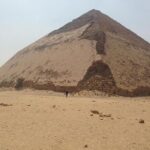
Magic happens when your day plan is tight and your guide handles the hard parts. This private tour links the big icons at Giza with the deeper stops at Saqqara and Memphis, so you leave with more than just photos. I like that it stays relaxed, with a private Egyptologist guide and hotel pickup that helps you dodge the worst of the street chaos.
Two things I really like: first, you get guided time at the Pyramids of Giza and the Great Sphinx (not just a quick pass). Second, Saqqara and the Memphis connection make the day feel like a story, not a checklist, with time for key tombs and ruins. One consideration: the full day can run long (about 4 to 8 hours), and the optional camel ride isn’t included.
In This Review
- Key highlights
- Why This Private Giza–Saqqara–Memphis Route Feels Easier
- Hotel Pickup, Mobile Ticket, and a Smooth Start at Al Giza
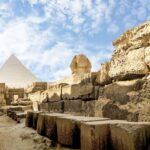
- Pyramids of Giza: What You’ll Do and What to Watch For
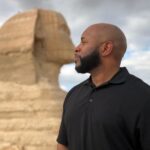
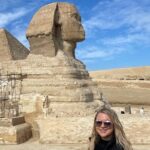
- Great Sphinx: Short Stop, Big Impact
- Panoramic Pyramids Views and the Camel Ride Moment
- The Mastaba of Ankh-Mahor: Meresankh III’s Tomb Context
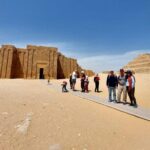
- Saqqara: The Step Pyramid Era and Tombs for Nobles
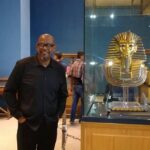
- Mit Rahina Museum and Memphis: Seeing the Capital, Not Just Ruins
- Lunch in a Traditional Restaurant: Fuel That Doesn’t Feel Like an Afterthought
- Clean Car, Well-Run Stops, and Why That Matters in Egypt
- Price Value: How $10 Per Person Can Make Sense
- Who This Tour Fits Best (and Who Might Adjust Expectations)
- Should You Book This Magic Private DayTour?
- FAQ
- How long is the Magic Private DayTour?
- What does the price include?
- Is the camel ride included?
- Is lunch included?
- Do I need to pay entrance fees separately?
- Does this tour offer hotel pickup?
- Where does the tour start?
- Can I cancel and get a full refund?
Key highlights
- Private Egyptologist guide for the whole route, not a rushed handoff
- Hotel pickup and drop-off designed to reduce hassle in Cairo and Giza
- Giza + Saqqara + Memphis in one day, so you see the “then” and “after”
- Mastaba of Ankh-Mahor visit adds context beyond the famous pyramids
- Optional camel ride during the pyramids area stop
- Egyptian lunch at a traditional restaurant during the day
Why This Private Giza–Saqqara–Memphis Route Feels Easier
Cairo’s sights are spread out, and the lines and street pressure can wear you down fast. This tour is built as one continuous loop: Giza first for the main monuments, then Saqqara for the older burial world, and finally Memphis for the capital-era echoes. That sequencing helps you connect the dots in a way that feels logical.
Because it’s private, you’re not stuck reacting to strangers’ pace or waiting for a group to line up. You also get the structure that matters at ancient sites: where to stand for photos, when to move on, and what to pay attention to while you’re there.
You can also read our reviews of more private tours in Cairo

Hotel Pickup, Mobile Ticket, and a Smooth Start at Al Giza
The day starts from Al Giza, Giza Governorate, with pickup offered from your Cairo or Giza hotel. This is one of those practical details that makes a huge difference in Egypt, where “getting there” can be half the stress of “seeing it.”
You’ll also have a mobile ticket, which helps keep things simple at the entrances. Bottled water is included, which sounds small, but you’ll feel it when the day runs long and the sun is doing its thing.
One note to plan around: if you’re coming from an airport hotel, New Cairo, or Naser City, there’s a $10 per person supplement mentioned for pickup/drop-off. If you’re staying in central Cairo or Giza proper, you’ll likely avoid extra costs.
Pyramids of Giza: What You’ll Do and What to Watch For
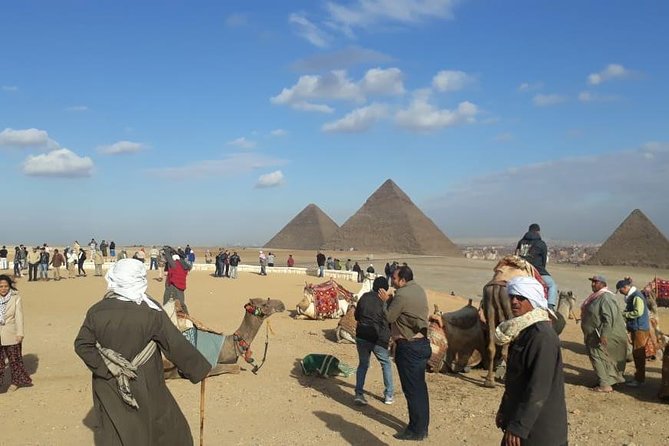
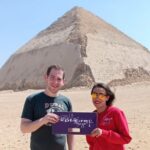
Your first major focus is the Pyramids of Giza area, with about 2 hours on-site. You’ll have time to view the pyramids up close and take photos you can actually keep, and the tour includes the entrance fees for this part.
This is the stop where good guidance matters most. With an Egyptologist at your side, the pyramids aren’t just shapes in the distance. You get help understanding what you’re seeing and why the placement, scale, and layout mattered to ancient Egyptians.
If you want the day to feel worth it, don’t treat the first hour as “orientation.” Use it to walk slowly, find your best sightlines, and notice how close the monuments really are compared to what your photos will suggest.
Great Sphinx: Short Stop, Big Impact
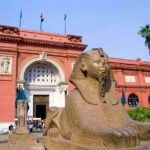
Next you go to the Great Sphinx, with about 30 minutes around the Sphinx area. Entrance is included here too, so you’re not scrambling at the door.
This is a classic case of a short time window that still pays off if you use it right. Think of it as a “make it count” moment: stand for views, look for details, and let your guide explain what the Sphinx connects to in the larger Giza story.
If you’re sensitive to crowds or noise, this half-hour is still manageable because you’re not stuck for hours. It’s also just long enough to reset your eyes before moving to the next photography and camel-friendly viewpoint.
Panoramic Pyramids Views and the Camel Ride Moment
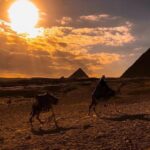
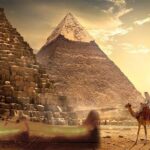
After the Sphinx, you’ll enjoy a panoramic view stop, with about 1 hour for pictures. This is where you can also ride a camel, but the ride itself is not included—so budget extra if you want this part of the experience.
For many people, this is the fun “out of the routine” component. You’re still in a historic landscape, but you’re also getting a different angle and a slower, desert-style pace. Just plan for the practical side: camel rides are working with animals, so keep expectations flexible and follow your guide’s directions.
Photo tip: the best moments here are usually when the light changes slightly. If the sky is clear, even a small shift in sun angle can make the pyramids glow. Your guide can help you time stops so you’re not stuck shooting at the worst light.

The Mastaba of Ankh-Mahor: Meresankh III’s Tomb Context
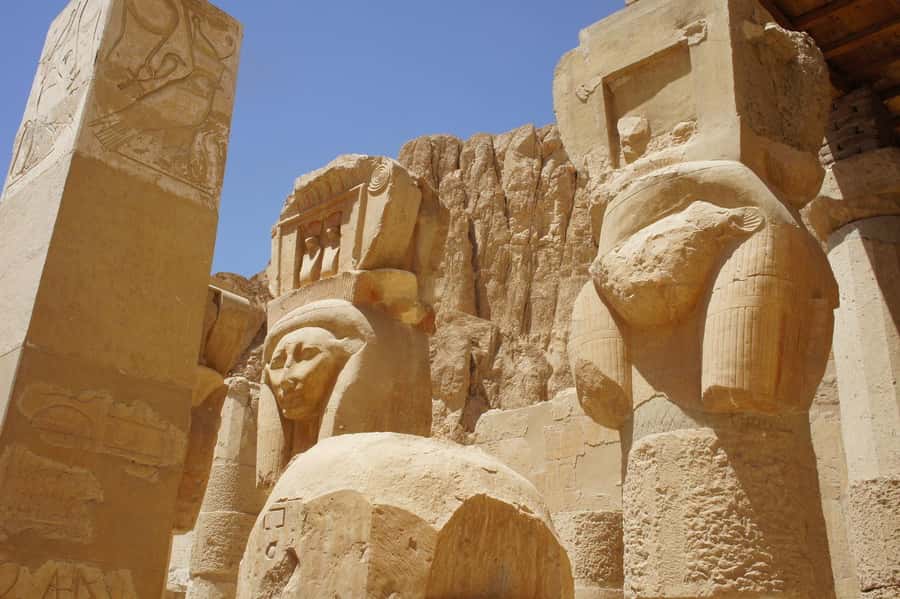
Then comes a stop that many first-time visitors skip: the Mastaba of Ankh-Mahor, connected with Meresankh III and the queens tied to the Giza period. You’ll spend about 1 hour here, and the stop is included with admission free for this segment.
This is valuable because it expands the day beyond the “headline monuments.” The point is to see how the Giza necropolis worked as a royal and artistic world, not only a pyramid construction project.
Your guide’s explanations are the key here. Even if you don’t read hieroglyphs, you can still grasp the importance of tomb design, scale, and where these queens fit into the dynastic story. It’s the kind of stop that makes your later Saqqara and Memphis visits feel connected instead of random.
Saqqara: The Step Pyramid Era and Tombs for Nobles
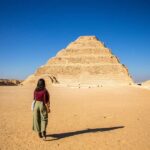
Next you head to Saqqara, where the day shifts from pyramid spectacle to older burial traditions. You’ll have about 3 hours here, with admission free for this part.
Saqqara is where the famous “firsts” start showing up, including the first pyramid in history, plus tombs connected to nobles. That matters because it changes your perspective. At Giza you’re seeing the polished end result; at Saqqara you’re seeing the earlier thinking that helped shape what came later.
The best way to handle a site like Saqqara is to slow down enough to understand the layout. Walk with intention, pause when your guide points out key features, and treat tomb areas as mini-museums in an open setting. This stop is also a strong fit for anyone who loves context more than only giant monuments.
If you’re short on energy, don’t worry. You can still enjoy the main sights in a focused way, because you’re not doing it alone. A private guide can help you pick the most meaningful viewpoints without wasting time.
Mit Rahina Museum and Memphis: Seeing the Capital, Not Just Ruins
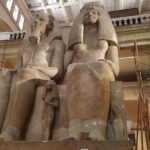
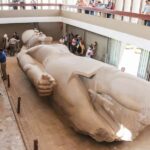
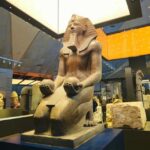
After Saqqara, you finish with the Mit Rahina Museum, which is described as tied to the oldest capital before about 3200 B.C.—that’s Memphis. This part wraps the day, and then you return to your hotel.
You’ll get a sense of Memphis through the museum and the associated context, with the day ending after you’ve made that transition from burial grounds to the bigger political and cultural picture. This is a smart final stop because it gives your brain somewhere to land: pyramids and tombs are intense, and Memphis helps you step back and think about how these places fit together.
In practical terms, finishing here also means you’re not trying to cram in one more “major monument scramble” after a long Saqqara segment. The rhythm helps.
Lunch in a Traditional Restaurant: Fuel That Doesn’t Feel Like an Afterthought
You’ll enjoy Egyptian lunch during the day at a traditional restaurant. Even if you’re not a big foodie, this is part of what makes the day feel complete: you’re not hunting for food while coordinating transport across three zones.
From what’s shared in past experiences, people tend to enjoy classic Egyptian dishes with a good mix of spices, plus rice, meats, and sweets. The staff is described as friendly, and the restaurant environment tends to feel organized.
If you have dietary needs, you’ll still want to communicate them ahead of time. The tour includes food as part of the experience, but details like substitutions aren’t listed here, so it’s best to confirm early.
Clean Car, Well-Run Stops, and Why That Matters in Egypt
A recurring theme in the best versions of this kind of day is how “kept” everything feels. Past experiences describe a spotless car, well-maintained facilities at sites, and a restaurant that stayed in good order. That kind of attention doesn’t sound exciting, but it changes how you feel once you’re out there for hours.
This tour also gets high marks for being organized and smooth. When your pickup works on time and your route moves logically, you spend more of the day looking at monuments and less time dealing with gaps and confusion.
Price Value: How $10 Per Person Can Make Sense
At $10 per person, this is priced as a budget-friendly private day (not a premium luxury rate). The real value comes from what’s included: private tour time, a qualified Egyptologist guide, hotel pickup and drop-off, bottled water, and entrance fees across Giza, the Sphinx, Saqqara, and Memphis-related stops.
A low base price only works if those inclusions are real and the schedule holds together. Here, the inclusion list is fairly solid for a multi-site day, and the entrance fees reduce the risk of surprise costs once you’re on the ground.
What you should budget for on top: the camel ride if you want it, and the possible $10 per person supplement if your pickup is from airport hotels, New Cairo, or Naser City. If you’re the kind of person who wants the camel ride, add that into your math.
Who This Tour Fits Best (and Who Might Adjust Expectations)
This tour fits well if you want a private structure across three major ancient zones: Giza, Saqqara, and Memphis. If you like learning as you go, an Egyptologist guide makes the day feel more connected, especially during the less-famous stops like the Mastaba of Ankh-Mahor.
It also suits couples and small groups who hate getting pushed around by hawkers and crowds. With a private guide, you’re not wandering and negotiating on your own.
You might adjust expectations if you’re looking for a half-day hit-and-run. The day can run up to 8 hours, and several stops are time-bound (like the 30-minute Sphinx segment). Still, the flow is designed to keep you moving without leaving you with nothing to see.
Should You Book This Magic Private DayTour?
Yes, you should consider booking if your priority is one guided day that connects Giza’s big monuments with Saqqara’s older burial world and then lands in Memphis. The combination of private guiding, pickup, and entrance fees included makes it a practical way to do this route without turning your day into logistics.
Before you say yes, check two things: whether you want the camel ride (since it’s not included), and whether your hotel location triggers the $10 per person pickup supplement. If those fit your plan, this is a strong-value day that’s built to feel smoother than doing it on your own.
FAQ
How long is the Magic Private DayTour?
The tour runs about 4 to 8 hours (approx.), depending on the pace of visits and timing.
What does the price include?
The tour includes a private Egyptologist guide, hotel pickup and drop-off, bottled water, and entrance fees for Giza Pyramids, Memphis, Saqqara, and the Great Sphinx.
Is the camel ride included?
No. Riding camel is not included.
Is lunch included?
You’ll enjoy Egyptian lunch at a traditional restaurant during the day.
Do I need to pay entrance fees separately?
Entrance fees are included for Giza Pyramids, Memphis, Saqqara, and the Sphinx as part of the tour inclusions.
Does this tour offer hotel pickup?
Yes, hotel pickup and drop-off are included. There may be a $10 per person supplement for pickup/drop-off from airports/airport hotels, New Cairo, or Naser City.
Where does the tour start?
The starting meeting point is Al Giza, Giza Governorate, Egypt.
Can I cancel and get a full refund?
Yes. You can cancel up to 24 hours in advance for a full refund. Less than 24 hours before start time isn’t refundable.