REVIEW · HURGHADA
Luxor Trip Private from Hurghada, Elite Trip
Book on Viator →Operated by Samegypt tours · Bookable on Viator
Waking up before sunrise changes everything in Egypt. This private Luxor trip balances big monuments with a real Egyptologist guide and less time stuck in huge crowds, plus round-trip transport from your Hurghada hotel. I really like the pace control you get when it’s just your group, and I also like that you’re out early enough to see the valleys before the day goes full chaos. The one drawback to plan for: it’s a long day, starting around 5:00 am, and the drive is substantial even in a comfortable vehicle.
You’ll move across both sides of the Nile in Luxor, with guided stops at the city’s major temples and the burial landscapes. I found the value comes less from “seeing everything” and more from having context while you’re walking those same stone paths.
Before you go: several famous tombs and some photography options are not included, so it helps to know what’s off-limits at the ticket counters.
In This Review
- Key Takeaways Before You Go
- Why This Private Luxor Day Feels Smarter Than the Big Buses
- The 5:00 AM Start: Comfort First, But It’s Still Long
- Luxor Temple: A Central Stop You Can Actually Take In
- Karnak Temple: The World’s Biggest Religious Complex, Minus the Chaos
- Valley of the Kings: Where Pharaohs Were Meant to End
- Valley of the Queens and Valley of Nobles: Power Beyond Pharaoh
- Hatshepsut at Deir el-Bahari: Terraces You Can Read Like Architecture
- Medinat Habu (Medinet Habu): The Well-Preserved Temple With Color
- Nile Boat Trip and the Colossi of Memnon: A Breath Between Stone
- Lunch Buffet and the Real Cost of “What’s Included”
- What the Early Arrival Adds (Beyond Fewer People)
- Who This Luxor Private Trip Makes Sense For
- Quick Practical Tips for a Smooth Day
- Should You Book This Private Luxor Trip From Hurghada?
- FAQ
- What time does the tour start?
- How long is the Luxor trip?
- Is hotel pickup and drop-off included?
- What’s included in the ticket admissions?
- Are drinks included with lunch?
- Is Tutankhamun’s tomb included?
- Is there a vegetarian lunch option?
- Is photography included in the valleys?
- Can I cancel for a full refund?
Key Takeaways Before You Go
- Private Egyptologist attention means you can ask questions and keep moving at your pace.
- Early pickup (around 5:00 am) helps you arrive in better light and often with fewer people.
- You get both temple and valley contrasts: Karnak and Luxor Temple on one side of the Nile, plus the royal and royal-adjacent tomb areas.
- Nile boat time and the Colossi of Memnon add variety beyond just walking monuments.
- Certain tombs and photography are excluded, so read the ticket rules before you assume.
Why This Private Luxor Day Feels Smarter Than the Big Buses
Luxor can be a lot. In peak hours, it’s the sound of buses, the shuffle of crowds, and the feeling that you’re being herded between photo stops. This trip is built around the opposite idea: your own private group with an Egyptologist guide, plus transport handled from your hotel in Hurghada.
That matters because the best part of Luxor isn’t just the scale. It’s the details—how the temples connect to pharaoh rule, how burial sites reflect power and rank, and how symbols repeat across generations. With a guide like Osama (he’s named in guide feedback), you get explanations while you’re actually standing in front of the wall or doorway.
The other big win is logistics. When pickup and drop-off are organized, you can focus on the day instead of coordinating multiple transfers, tickets, and timing.
You can also read our reviews of more private tours in Hurghada



The 5:00 AM Start: Comfort First, But It’s Still Long
Most people don’t wake up happy at 5:00 am. But in Luxor, early is useful. The trip starts around 5:00 am and runs about 11–14 hours, depending on traffic and timing.
You’ll travel in an air-conditioned, deluxe vehicle with round-trip service directly from your hotel. That’s a plus for the drive—especially if your group wants to avoid dealing with taxis, schedules, or extra costs.
One practical note: the tour uses a smart-casual dress code, and you’ll want comfortable shoes. The valleys involve walking on uneven ground and steps, and the day is long enough that “pretty sandals” stop being funny about two hours in.
Luxor Temple: A Central Stop You Can Actually Take In
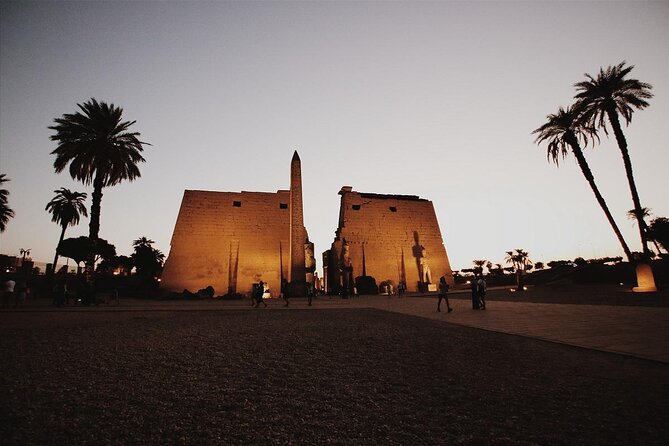
Luxor Temple sits in the heart of the city on the Nile. This stop is built for people who want their first impressions to feel calm instead of rushed.
You’ll hear how it was originally built by King Imenhotep III and later additions were made by Ramses II, including pylons, obelisks, and large statues near the entrance. The site is described as well preserved, and that’s a big deal: better preservation means better clues for understanding how the space was meant to work.
Why I like this stop: it’s close to the city energy, so it gives you context before you step into the more remote burial landscapes. It also tends to be easier to pace at the start of a long day.
Watch-outs: it’s still a guided sightseeing block, so if you’re the type who likes to linger quietly without moving, plan to do that at the end of the day when possible.
Karnak Temple: The World’s Biggest Religious Complex, Minus the Chaos
Karnak is the massive open-air religious complex people dream about before they ever arrive. This stop includes some of the most recognized structures in the area, such as:
- chapel of King Seti
- temple of Ramses III
- statues of Ramses II
- an obelisk of Tutmosis II
- an obelisk of Queen Hatshepsut
In plain terms: you’re walking through layers of rule. Karnak isn’t one building; it’s a huge statement of continuity across generations. With an Egyptologist guide, it’s much easier to connect what you see to who built it and why.
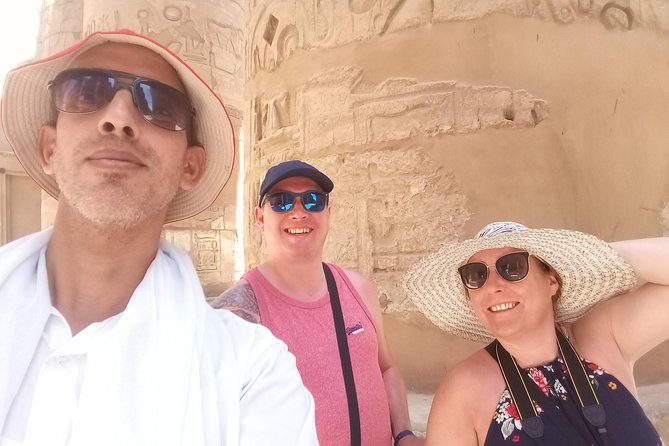
Osama is mentioned as both kind and informative in feedback, and that kind of guide style matters here. Karnak can feel overwhelming if you only see it as “big stones.” With explanations, it becomes a readable map of power, worship, and architecture.
The biggest value: arriving early and skipping the biggest group bottlenecks helps you actually look instead of just march.
Valley of the Kings: Where Pharaohs Were Meant to End
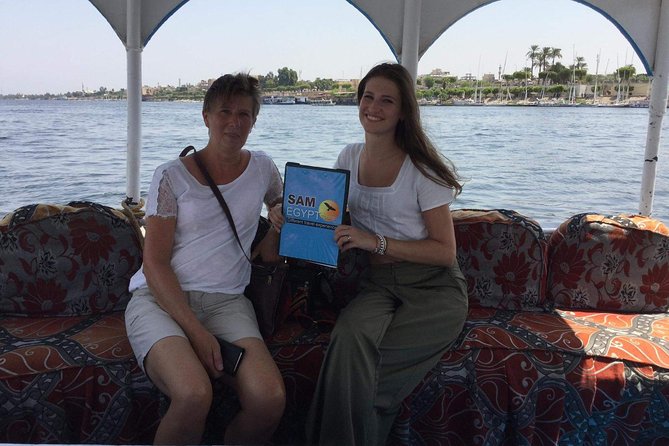
The Valley of the Kings is presented as one of the world’s most famous burial locations, tied directly to royal tombs. You’ll visit key tombs and hear about the era when kings were buried here.
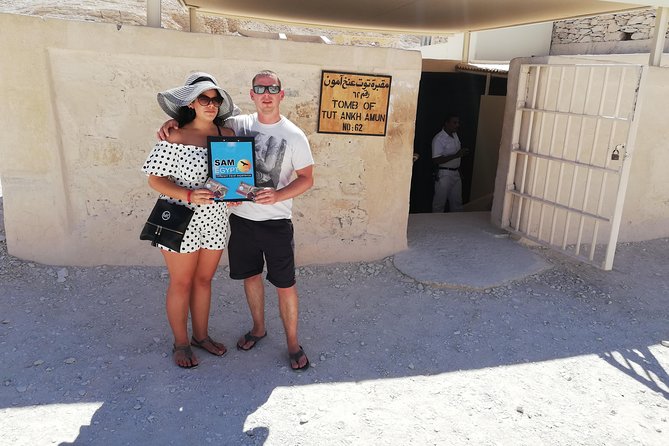
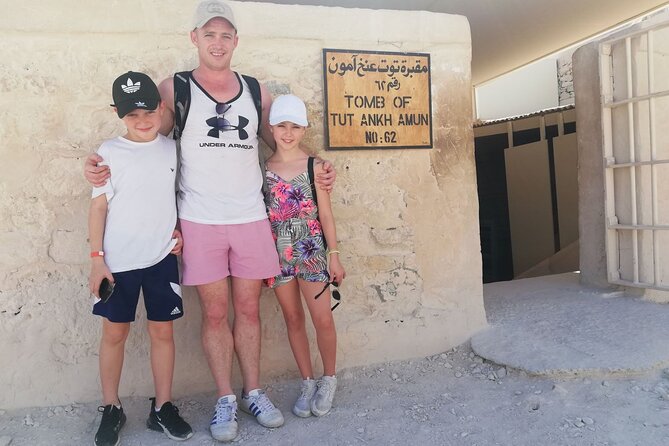
A standout is the mention of Tutankhamun’s tomb, discovered in 1922 and described as the only intact tomb of a king found. However, this trip explicitly does not include Tutankhamun’s tomb ticket entry, even though the area and story are part of the visit. That’s important for expectations.
Other tombs noted as part of the area include Ramses II, Ramses III, Ramses IV, Ramses IX, and Merenptah (also named as the son of Ramses II).
What I’d plan for: you’ll get history and site time, but if you specifically want inside views of those famous tombs, you may need an additional ticket and/or different option.
Photography: photography in the Valley of the Kings isn’t included, so expect to pay or follow restrictions at the tomb gates if you want to shoot.





Valley of the Queens and Valley of Nobles: Power Beyond Pharaoh
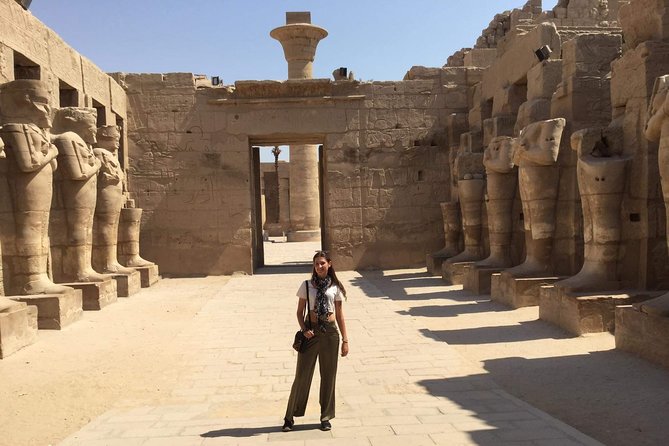
Not every Luxor day stops where the story gets interesting. This itinerary includes options for the Valley of the Queens and also includes the Valley of the Nobles as the burial area for elite figures—governors, mayors, generals, priests, and other important people.
The Valley of the Queens is described as the burial location of Egyptian queens and children, with tombs known for striking wall paintings and scenes. Even when you’re not entering the most famous tombs, you still learn how art and symbolism communicated status.
Then there’s the Valley of the Nobles, where the big idea is variety. You’re not just seeing royal power. You’re seeing who supported, administered, and served the system.
One feedback note mentions arriving among the first ones in the Valley of the Queens. That’s exactly what you hope for on a long day: early access helps you experience the paintings and corridors before it gets packed.
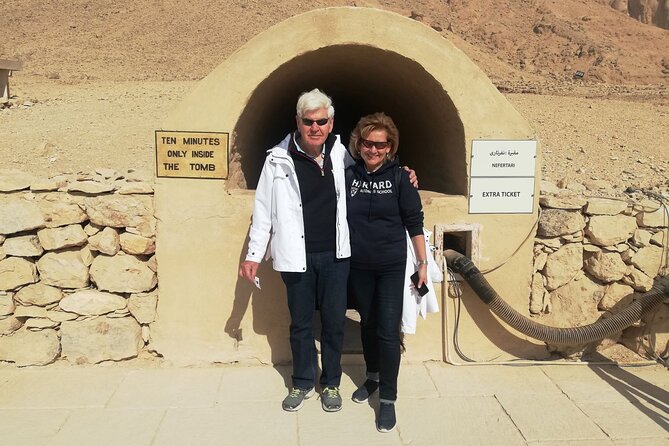
Expectations to manage: this trip does not include tomb entry for Queen Nefertari. So it’s a “see the landscape and learn the story” visit, not a guaranteed inside-the-most-famous-room day.
Hatshepsut at Deir el-Bahari: Terraces You Can Read Like Architecture
If Karnak overwhelms you with scale, Deir el-Bahari surprises you with geometry. The Temple of Hatshepsut at Deir el-Bahari is known for its three terraces and distinctive style.
You’ll hear it described as a mortuary temple of Queen Hatshepsut, and you’ll also learn that it was renovated by a Polish expedition, which is why parts can look very new compared to other ruins.
Why this stop works: the terraces give you a structure to understand the site’s purpose. You’re not only looking at carvings; you’re seeing how the temple was designed to step up the hill, creating a visual message tied to authority.
How long is enough? about an hour here is typically right. You’ll see the main features, hear the key story points, and then you can move on without losing the thread of the day.
Medinat Habu (Medinet Habu): The Well-Preserved Temple With Color
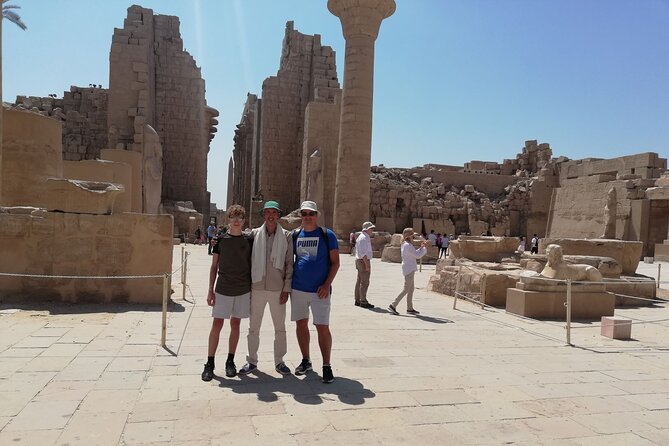
After the royal tomb areas, you’ll head to Temple of Medinat Habu. This is described as built by King Ramses III, and it’s noted as the second biggest temple after Karnak, plus one of the most well preserved.
The best part, based on the description: the colors and paintings inside are still striking enough to feel alive. In many Luxor visits, the walls are either too worn or too distant to appreciate. Here, the emphasis is on preserved detail.
What I like about including it: it gives you a calmer temple stop after valleys that can feel visually repetitive if you’re not learning. Medinat Habu can break that pattern and refresh your attention before the final tomb valley segment.
Nile Boat Trip and the Colossi of Memnon: A Breath Between Stone
The day isn’t only land walking. The package includes a private boat trip in the Nile and includes time at the Colossi of Memnon.
This is the kind of included detail that makes the overall day feel balanced. When you spend all morning in temples and valleys, everything starts to blur: same heat, same stone textures, same guided blocks. A boat ride gives your eyes and body a reset.
The Colossi of Memnon are also a useful contrast: they’re still massive, but the experience feels more open. You can see how these monuments relate to the broader Luxor area instead of feeling trapped in tight corridors.
If you like photos, you’ll want to pay attention to timing. The itinerary includes photo rules for valleys, not necessarily for the boat or temple areas, so the safest plan is to treat photography as “ask first” wherever you are.
Lunch Buffet and the Real Cost of “What’s Included”
This trip includes a buffet lunch. Lunch being included matters on long Luxor days because you avoid hunting for food while your time window shrinks.
Drinks are not included, so you’ll want to budget for water and other beverages. Egypt can be warm even in early hours, and waiting until you’re already thirsty always costs you time.
Tickets are partly handled. You’ll get admission tickets included for:
- Luxor Temple (when selected)
- Karnak Temple (when selected)
- Valley of the Kings or Valley of the Queens (depending on which option you’re assigned)
- Hatshepsut’s temple or Medinat Habu (Ramses III temple option)
- Valley of the Queens section and the Valley of the Nobles segment are described as part of the tour day
But several major tomb entries are explicitly not included:
- Tutankhamun’s tomb
- tomb of King Seti (in Valley of the Kings)
- tomb of Queen Nefertari (in Valley of the Queens)
So the value is strong for guided access and context, but you’re not buying every “inside tomb ticket” by default. If inside-entry access is a must for your personal wish list, plan to pay extra or choose a different configuration.
What the Early Arrival Adds (Beyond Fewer People)
Arriving early is good for comfort, but it’s also good for how your brain works. When you’re first there, you can take in details rather than racing for the next photo.
That shows up in the kind of experience described in feedback: one person specifically noted arriving among the first ones in the Valley of the Queens. When that happens, you can slow down enough to notice painted scenes and learn why particular tomb features mattered.
With your own private guide, you also have more flexibility to ask questions that pop up while you’re looking around. It’s easier to connect the guide’s story to the exact wall or column you’re standing in.
Who This Luxor Private Trip Makes Sense For
This trip is a strong fit if you want:
- a private group instead of a bus schedule
- an Egyptologist guide you can actually talk to
- a day that mixes temples with burial areas across both Nile banks
- hotel pickup and drop-off that removes most planning stress
It’s less ideal if you hate long drives or you need frequent breaks beyond the standard pacing. You should also expect a moderate walking level due to valley terrain.
Vegetarian options are available—just ask when you book—so food needs are covered.
Quick Practical Tips for a Smooth Day
A few small moves can make the day feel effortless:
- Bring a valid passport, because the tour requires it on the travel day.
- Make sure you can provide passport photos and your hotel room number ahead of time for travel permission.
- Wear smart casual clothing, but prioritize comfort for walking.
- Plan around excluded items: drinks aren’t included, and specific tombs and photography in the valleys aren’t included.
- If you’re staying in El Gouna, expect an extra transfer charge of $25 per vehicle.
Should You Book This Private Luxor Trip From Hurghada?
If your goal is to see Luxor with context and less crowd pressure, I’d book this. The best value isn’t just the sites—it’s the combination of private transport, an Egyptologist guide, and the early start that helps you experience the valleys without feeling rushed.
However, I’d think twice if your “must-do” list centers on inside access to the most famous tombs (like Tutankhamun’s or Nefertari’s). Since those specific entries are not included here, you may still love the day, but you’ll probably want to plan for add-ons if that’s your priority.
Bottom line: for most people doing Luxor as a day trip from Hurghada, this is a well-structured way to trade chaos for clarity, while still getting the big Luxor hits.
FAQ
What time does the tour start?
The start time is listed as 5:00 am.
How long is the Luxor trip?
The duration is approximately 11 to 14 hours, depending on traffic and timing.
Is hotel pickup and drop-off included?
Yes. Round-trip hotel transport from Hurghada is included.
What’s included in the ticket admissions?
Admissions are included for Luxor Temple or Karnak Temple (depending on your route), Valley of the Kings or Valley of the Queens, Hatshepsut’s temple or Medinat Habu, and the Valley of the Nobles. A few major tomb entries are specifically not included.
Are drinks included with lunch?
No. The buffet lunch is included, but drinks are not included.
Is Tutankhamun’s tomb included?
No. Tutankhamun’s tomb is not included.
Is there a vegetarian lunch option?
Yes. A vegetarian option is available if you request it during booking.
Is photography included in the valleys?
Photography in the Valley of the Kings or Valley of the Queens is not included.
Can I cancel for a full refund?
Yes. You can cancel up to 24 hours in advance for a full refund.