REVIEW · CAIRO
Luxor Private Day Trip from Cairo by Plane
Book on Viator →Operated by Go Tours Egypt · Bookable on Viator
Luxor in one day changes your whole pace. By air from Cairo, you trade a long drive for real sightseeing time, and you get that classic Egypt feeling from a small aircraft window. Two things I really like: the comfort of a private guide who knows how to explain what you’re seeing, and the simple, no-stress flow of pickup, flight, and return.
You’ll hit the big west bank sights—Valley of the Kings, Hatshepsut at Deir el Bahari, and the Colossi of Memnon—then finish on the east bank at Karnak. One consideration: it’s a long day (about 10–12 hours), and the entrance fees and tipping are not included, so budget a little extra.
In This Review
- Key things to know before you go
- Why flying Cairo to Luxor works so well
- The day’s rhythm: pickup, transfers, and staying on schedule
- Valley of the Kings: more than tomb labels
- Hatshepsut at Deir el Bahari: the power of symmetry
- Colossi of Memnon: two statues that set the mood
- Karnak Temple: where the gods explain the architecture
- Lunch in Luxor: a break that keeps the day sane
- Price and what you’re really buying
- Who this private Luxor day trip is for
- Final verdict: should you book?
- FAQ
- What’s included in the tour price?
- Are entrance fees for the sites included?
- How long does the trip take?
- Do I get a private guide and private group?
- Is lunch included?
- What happens if weather is bad?
Key things to know before you go
- Plane time saves the day: domestic Cairo–Luxor–Cairo flights compress the trip so you can see more in less time.
- Private, Egyptology-focused guiding: you’re not stuck in a crowd; your guide is there to make the monuments make sense.
- Big stops, short windows: each site is time-boxed, so you’ll want to show up ready to walk and look fast.
- Bottled water is included: an easy win for a hot day and a long schedule.
- Admission tickets aren’t included: plan ahead so you’re not surprised at the entrances.
- Local meal included: you get lunch in Luxor, so you’re not hunting food with the clock running.
Why flying Cairo to Luxor works so well
If you only have a day (or just a few hours of flexibility), this plan makes sense. The itinerary is built around domestic flights, so you’re not spending your “good time” on transit. You’re also not juggling a bus full of strangers and stop-and-go timing.
What makes the flight part feel special is the change of view. Looking out from a plane window, you’re basically watching your daybook flip from Cairo life to Upper Egypt desert and river country. It’s quick, but it gives you that mental shift that helps the rest of the day land.
And because this is private—your group only—you can keep momentum without feeling herded. The pacing can be brisk, but it’s still organized around your guide, not around whoever arrived last.
You can also read our reviews of more private tours in Cairo


The day’s rhythm: pickup, transfers, and staying on schedule
The tour is designed to run like a smooth relay. You get hotel pickup and return, plus transfers by a private modern air-conditioned vehicle. That matters more than it sounds. When you’re going from city hotel to airport to a multi-stop day in Luxor, you don’t want to burn time negotiating, waiting, or figuring out logistics.
The total duration is about 10 to 12 hours. That’s normal for a “see-the-best-bits” Luxor day, but you should treat it like a full-day commitment. You might also spend 1–2 hours in travel time around the pickup points and the tour locations, depending on where you start in Cairo.
One small practical note: this is a weather-dependent experience. If conditions are poor, plans can change. If you’re the type who hates uncertainty, it can help to keep your Cairo schedule roomy so you can shift dates if needed.
Valley of the Kings: more than tomb labels
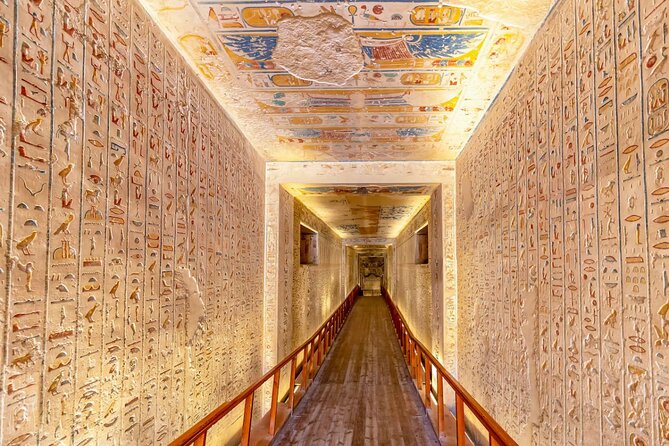
The Valley of the Kings is where Luxor goes from impressive to unforgettable. You’re in a rock-cut tomb landscape that was used for nearly five centuries—New Kingdom pharaohs and powerful nobles, roughly 16th to 11th century BC. On a day like this, the guide’s job is huge: they help you read the place fast, so you don’t just see entrances. You learn what made the valley important and how the tomb-building culture worked.
You’ll typically spend about 2 hours here. That’s enough time to see the vibe, pick up context, and appreciate how the valley layout shapes your photos and your walking route.
What I’d watch for:
- Wear shoes you trust. Steps and uneven ground are common around these sites.
- Don’t plan on long, inside-the-tomb time unless your guide builds it in. This tour is a “highlights in one day” kind of schedule.
- Entrance fees are extra, so budget for tickets before you go.
This stop also benefits from private guiding because you can ask quick questions as you move—why a particular tomb matters, how art choices connect to beliefs, and what to notice before you step inside.
Hatshepsut at Deir el Bahari: the power of symmetry
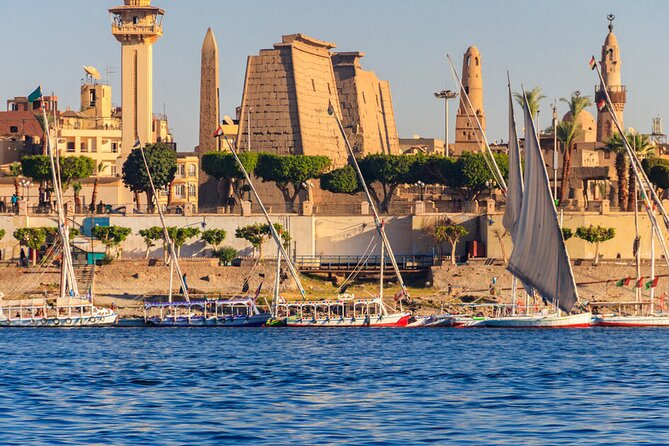
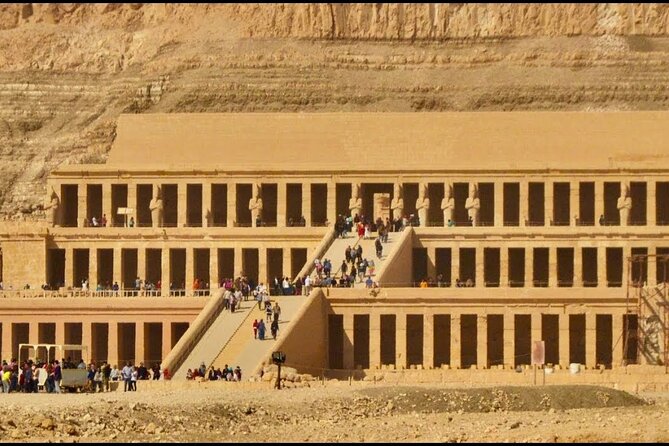
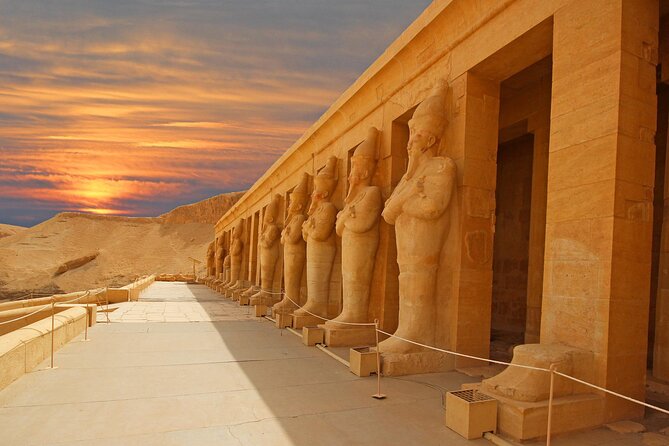
Next comes Hatshepsut’s mortuary temple at Deir el Bahari (about 1 hour 30 minutes). This is one of those places where the architecture does the explaining for you. The temple is tied to Queen Hatshepsut, built during her reign in Egypt’s 18th Dynasty, and it sits on the west bank opposite Luxor.
What makes it special is the way the design plays with terraces and views. Even if you’re not a “walk into the details” person, the scale and layout help you understand why people call it a masterpiece of ancient architecture. It’s also a great contrast after the valley tomb approach: less “hidden rooms,” more “statement in stone.”
If you like photographs, this is a good stop for getting your angles. Terraces can create nice lines and layered depth, and a guide who moves you to the right spot makes a real difference.
Practical points:
- Admission fees are not included.
- Expect walking between terraces and viewing areas.
- Hydrate—this stop often gets hot, fast.
Colossi of Memnon: two statues that set the mood
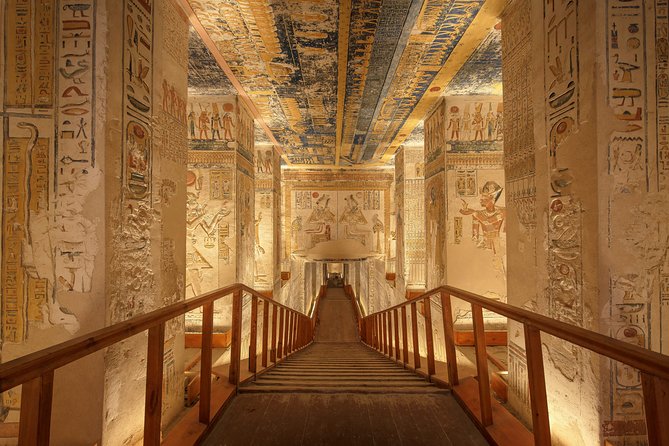
The Colossi of Memnon are two massive stone statues of Pharaoh Amenhotep III. They sit at the front of the ruined Mortuary Temple of Amenhotep III, and they work like a boundary marker—guarding the wider area people associate with the Valley of the Kings, Queens, and Nobles.
This stop is shorter than Karnak or the Valley of the Kings, but it’s a great breather. The statues are big enough that you don’t need complicated background reading to feel the scale. Still, your guide can add meaning: how these monumental figures were intended to communicate power and protect sacred space.
What I like here is the “calm between intensity” effect. After walking tomb entrances and temple terraces, you can stand back, take in the silhouette, and re-set your brain for the next monument.
A few more Cairo tours and experiences worth a look




Karnak Temple: where the gods explain the architecture
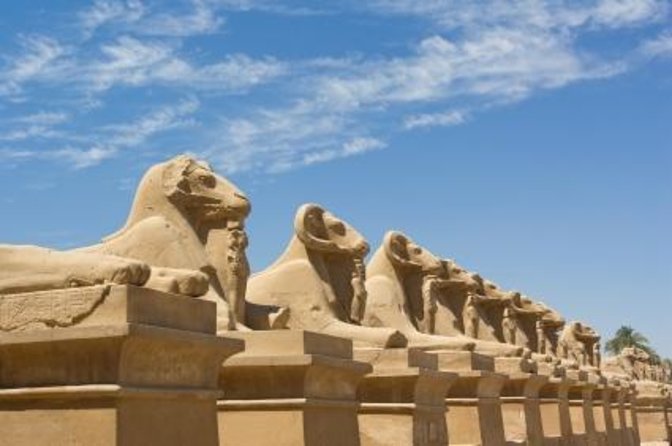
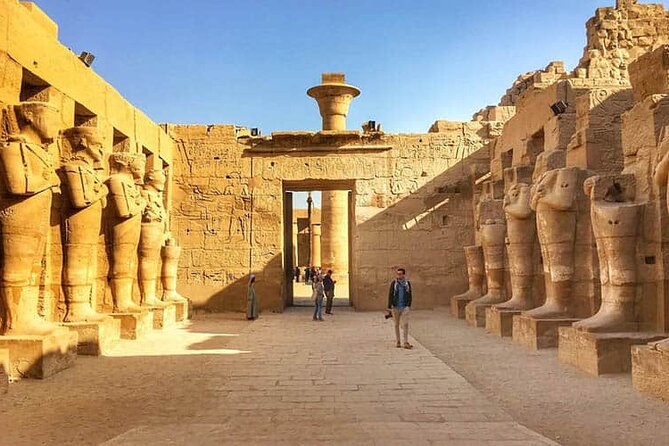
Karnak is the grand finale for many people, and for good reason. It dates from around 2055 BC to around 100 AD and served as a cult temple. It’s dedicated to Amun, Mut, and Khonsu—three divine names that your guide can connect directly to what you’re seeing in the space.
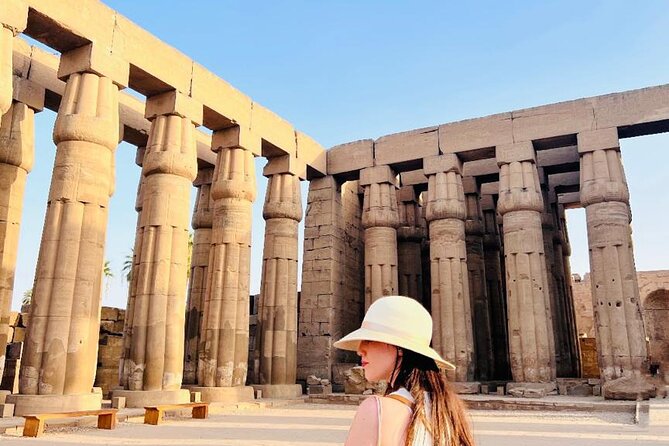
Plan for about 2 hours at Karnak. You’ll feel the scale in your body: tall columns, huge spaces, and layers of structures that weren’t built in one moment. It’s not just one building; it’s a religious complex that grew over time, and the result is a place where the past is literally stacked.
Amun (Amon/Ammen/Amen, depending on how you see the spelling) is linked with the sun and air. Mut is the mother goddess. Khonsu is also named as part of the dedication. Even if you don’t memorize everything, having a guide connect those names to what you’re standing in helps you avoid the common trap of seeing Karnak as “pretty ruins.”
A small cultural detail worth knowing: ancient Egyptians called Karnak the most select of places. Even on a “one day” schedule, that idea helps you understand why the site felt so important.
Lunch in Luxor: a break that keeps the day sane
You get lunch included, and that matters because the schedule is tight. When lunch is on the plan, you don’t lose time negotiating food stops or trying to eat while still wearing your sightseeing shoes.
It’s also a good moment to reset. After temples and tombs, take 20–30 minutes to sit, drink, and slow your pace. You’ll appreciate it more than you think once you’re back on your feet.
Bottled water is included during the trip, which is a thoughtful inclusion for a day in Egypt’s heat.
Price and what you’re really buying
At $99 per person, the value here isn’t just “you get Luxor.” You’re buying compression plus organization:
- Cairo–Luxor–Cairo domestic flights (time savings)
- Hotel pickup and return (less Cairo stress)
- A private qualified Egyptology guide (interpretation, not just transportation)
- All transfers by private modern air-conditioned vehicle
- Bottled water and lunch included
The two biggest things not included are entrance fees and tipping. That means your final budget will be a little higher than the sticker price—but the tour still does something important: it covers the expensive moving parts that would otherwise eat up your time, energy, and decision-making.
If you’re a traveler who dislikes crowds and prefers a guide to explain what matters, this is the kind of trip that feels like good money. If you’re mostly happy wandering on your own with an app and you plan to spend more time per site, you may prefer a slower, multi-day plan.
Also, note the tour is designed for moderate physical fitness. That usually means you can handle uneven surfaces, stairs, and walking, but you shouldn’t expect a sit-every-few-minutes pace.
Who this private Luxor day trip is for
This is a strong match if:
- You’re short on time in Cairo and want Luxor highlights without losing half your day in transit.
- You like having a guide connect the monuments to meaning instead of just giving you directions.
- You prefer private service over group tours, especially on a schedule with flights.
It may feel less ideal if:
- You hate long days and early starts. This is a 10–12 hour commitment.
- You want deep museum time or long stops inside tombs/chapels. This is built for checklists, not slow wandering.
- You’re budgeting tightly and don’t want to add entrance fees on top.
Final verdict: should you book?
I’d book this if you want Luxor’s best-known monuments and you don’t want the day to collapse under logistics. The flight-based approach is exactly what makes the trip work, and the private Egyptology guide is what turns the main sights into a story you can actually follow.
Just go in with clear expectations: entrance fees are extra, tipping is extra, and it’s a long day. If you’re okay with that tradeoff, you’ll likely come away feeling like Luxor packed a lot of meaning into a single visit.
FAQ
What’s included in the tour price?
The tour includes hotel pickup and return, private air-conditioned transfers, domestic flights Cairo–Luxor–Cairo, a private qualified Egyptology guide, bottled water, and lunch. All taxes and service charges are included too.
Are entrance fees for the sites included?
No. Entrance fees are not included, and you’ll need to pay them separately.
How long does the trip take?
Expect about 10 to 12 hours total.
Do I get a private guide and private group?
Yes. This is a private tour/activity, and only your group participates. You also have a private qualified Egyptology guide.
Is lunch included?
Yes. Lunch is included in the tour.
What happens if weather is bad?
The experience requires good weather. If it’s canceled due to poor weather, you’ll be offered a different date or a full refund.