REVIEW · CAIRO
Half Day Tour to Khan Elkhalili & Islamic Cairo
Book on Viator →Operated by Egypt Tours World · Bookable on Viator
Islamic Cairo hits different at street level. This half-day private tour strings together Islamic Cairo’s biggest street and gate moments with Khan el-Khalili, plus hotel pickup and onboard Wi-Fi so you get moving fast.
I love how the Egyptologist guide connects what you’re seeing to the why behind Fatimid and Ottoman Cairo. I also like the flexible timing, from morning to evening or night, so you can match your energy level and the light in the old city.
One thing to watch: it’s a tight 4–5 hour route focused on Muizz Street, key gates, and the Khan el-Khalili market area, not an all-day grab-everything tour.
In This Review
- Key highlights to look for
- Islamic Cairo feels made for a half-day route
- Muizz Street’s open-air museum stretch: the easiest way to understand old Cairo
- Bab al-Futuh: a gate you can actually picture defending a city
- Wekalet El Ghouri (Sultan Al-Ghuri Complex): where a trader complex becomes a cultural stop
- Bab Zuweila: the southern gate with a name loaded with history
- Khan el-Khalili: how to shop with a guide and keep your sanity
- Price and what you truly get for about $100
- Timing: morning vs night changes the experience
- Transport inside the walled city: why the private driver matters
- What you’ll learn (and what makes good guiding here)
- Who should book this Islamic Cairo and Khan el-Khalili half-day
- Should you book this Khan el-Khalili and Islamic Cairo tour?
- FAQ
- How long is the Half Day Tour to Khan Elkhalili & Islamic Cairo?
- Is this tour private?
- Do I get hotel pickup and drop-off?
- Is Wi-Fi included during the tour?
- Are entrance fees included for the sights?
- Is lunch included?
- What stops are included?
- What time do attractions close?
Key highlights to look for
- Hotel-to-hotel pickup and drop-off around Cairo and Giza, handled by a licensed tourist driver
- Onboard Wi-Fi and air-conditioned transport, plus bottled water depending on your option
- UNESCO Islamic Cairo street-and-gate focus, with time for the Khan el-Khalili souk
- Muizz Street open-air museum area, including the pedestrian window from 8:00 am to 11:00 pm
- Bab al-Futuh and Bab Zuweila: two of the remaining old-city gates with real defensive design details
- Sultan Al-Ghuri complex (Wekalet El Ghouri): a big 1500s complex you can spot as you walk Muizz Street
Islamic Cairo feels made for a half-day route
If you’ve only got a few hours in Cairo, this is a smart way to get oriented fast. You concentrate on Islamic Cairo’s most legible bones: a landmark street, major gates, and then the market that grew around it.
The private setup is what makes it work. Your driver meets you at your Cairo or Giza hotel, and you’re not spending your limited time figuring out routes, rides, or meeting points. Add onboard Wi-Fi, and you can handle messages or tickets on the way instead of burning time in transit.
You can also read our reviews of more tours and experiences in Cairo.

Muizz Street’s open-air museum stretch: the easiest way to understand old Cairo
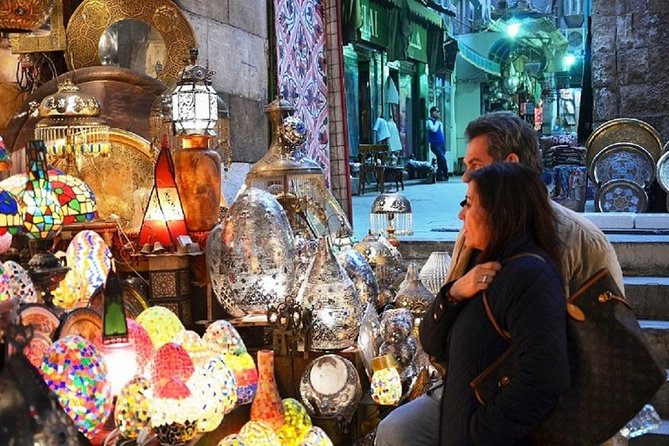
Most people see Islamic Cairo as a maze. Muizz Street (Shariʻa al-Muizz li-Din Illah) is the opposite: it’s a clear spine that runs about one kilometer, north to Bab Al-Futuh and south to Bab Zuweila.
This street got special treatment. Renovations started in 1997 and aimed to restore buildings, paving, and even sewerage so the area functions like an open-air museum. Later, it became a pedestrian-only zone between 8:00 am and 11:00 pm, with cargo traffic allowed outside those hours—meaning your walking experience can feel more human than chaotic.
You’ll also hear why the name matters. The street honors Al-Mu’izz li-Din Allah, the fourth caliph of the Fatimid dynasty. That’s not trivia. It’s the thread that helps you read the buildings you see as you go.
Practical tip: Wear shoes you can walk in for a few solid hours. Even when the stops are short, the old streets are uneven and you’ll cover ground.
Bab al-Futuh: a gate you can actually picture defending a city
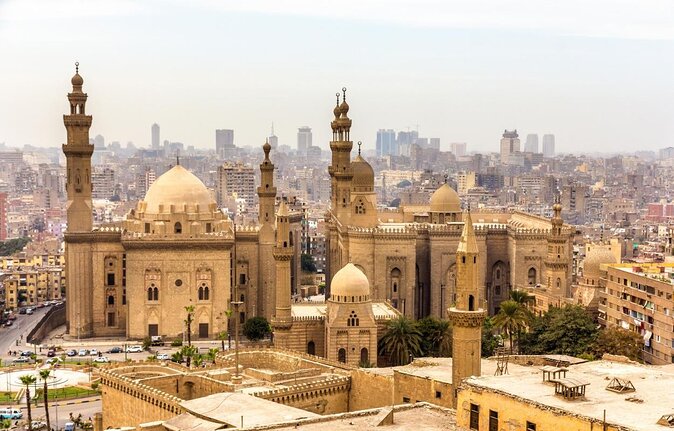
At the north end of Muizz Street, Bab al-Futuh (Conquest Gate) is one of the three remaining Old City gates. It was finished in 1087 and faces north, and it sits at a place you’ll recognize immediately once you’re standing there.
What I like about this stop is that it isn’t just a pretty structure. It connects to how the Fatimids fortified Cairo. The gate was part of fortifications built by Commander/Vizier Badr al-Jamali, connected to Imam/caliph Mustansir. The rounded towers were built for stronger defense than the square-tower style at Bab al-Nasr.
Even better, the details are the story: there were shafts for pouring boiling water or burning oil on attackers, plus arrow slits. If you like architecture that has a job beyond looks, this is your moment.
You also get decorative motifs—vegetal and geometric patterns—that make the gate feel like art, not just infrastructure.
Wekalet El Ghouri (Sultan Al-Ghuri Complex): where a trader complex becomes a cultural stop
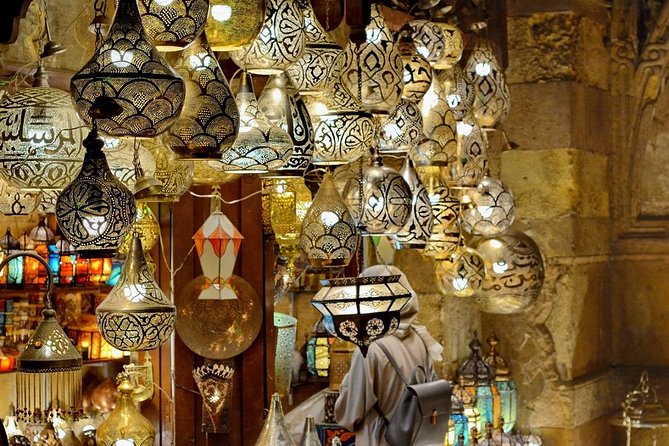
Wekalet El Ghouri Arts Center sits inside the larger Sultan Al-Ghuri Complex, built between 1503 and 1505. It’s big and slightly confusing at first glance, because the complex works on both sides of Muizz Street.
Here’s how to picture it: on one side you have the congregational mosque-madrasa. On the other side you have the khanqah-mausoleum-sabil-kuttab side. That mix helps explain how Cairo’s religious spaces and daily life overlapped.
This is a great stop when you want a pause. You can slow down, look at scale, and get a feel for why Islamic Cairo didn’t separate worship from commerce the way many modern cities do. Some guides also point out how complexes like this anchored neighborhoods over centuries.
Value note: Entrance fees depend on your option. If you choose an all-inclusive setup, attraction entry fees are included; otherwise, entry may not be covered.
Bab Zuweila: the southern gate with a name loaded with history
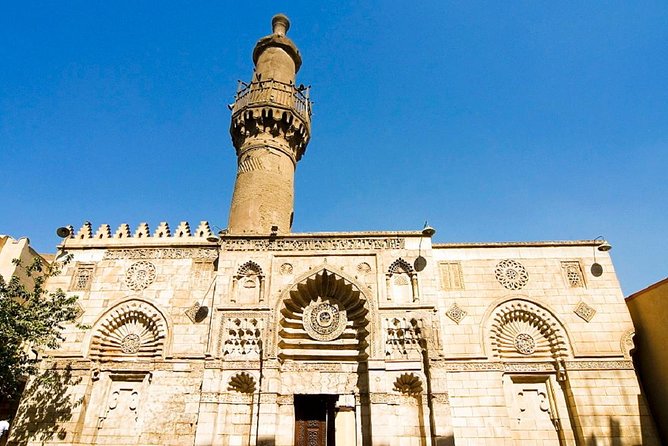
Down south, Bab Zuweila is the last remaining southern gate from Fatimid walls. It’s a major landmark, and it’s easy to spot because it acts like a visual punctuation mark at the end of your Muizz Street walk.
Bab Zuweila also carries different names. During the Ottoman period it was known as Bawabbat al-Mitwali, and you’ll sometimes see alternative spellings like Bab Zuwayla. The name comes from “Bab” meaning door, and “Zuwayla,” a Berber warrior tribe from the Western Desert that guarded the gate.
This stop works best when your guide gives you a quick mental map of why gates matter. They’re not random. They’re traffic funnels—where people entered the city, where goods moved, where stories condensed.
If you’re a photo person, this is a good place to slow down. You’ll want a minute to frame the gate and capture the transition from street walking into market energy.

Khan el-Khalili: how to shop with a guide and keep your sanity
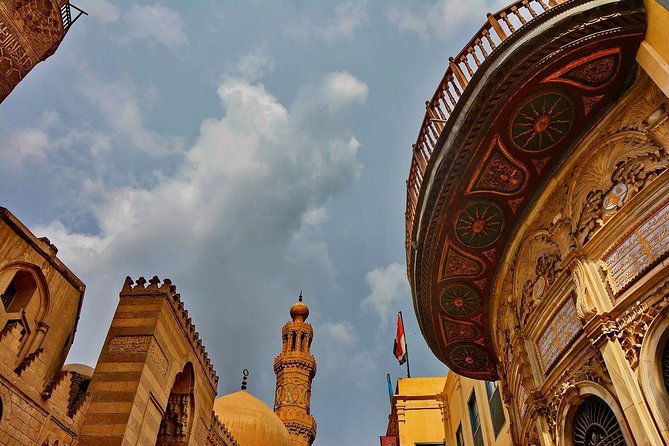
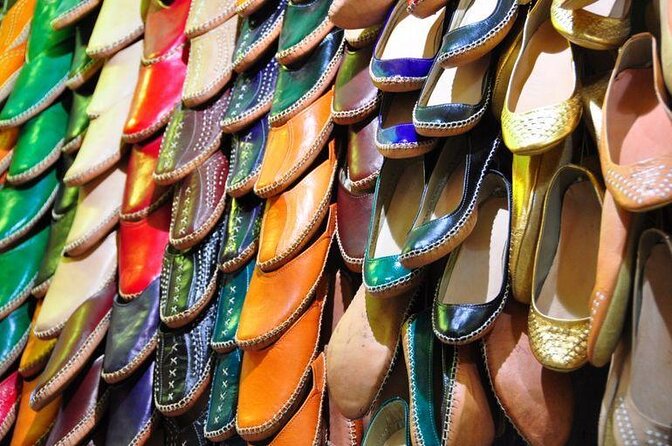
Khan el-Khalili is the headline. It’s a major souk in the historic center of Islamic Cairo, and it’s popular with both tourists and Egyptians—which is a polite way of saying it can be busy.
In a tour like this, you get a longer block here (about two hours). That matters because Khan el-Khalili isn’t a place you can do at a jog. You need time to browse, compare, and not feel like you’re constantly being herded.
What helps most is having an Egyptologist guide who knows the lanes and the rhythm. Some guides use a simple approach: ask what you want to shop for and then help you find good-quality stalls with fixed prices where possible. That reduces the guesswork and the awkward back-and-forth.
You’ll likely also get at least one break built into the market time. Some guides time it for a tea stop or coffee break (one classic example is El Fishawi for coffee and sweet bread). Even if you don’t want to buy anything, a sit-down moment helps you absorb what’s going on around you.
Shopping tip: Bring small bills if you can. You’ll make transactions easier, and you won’t lose time searching for change.
Price and what you truly get for about $100
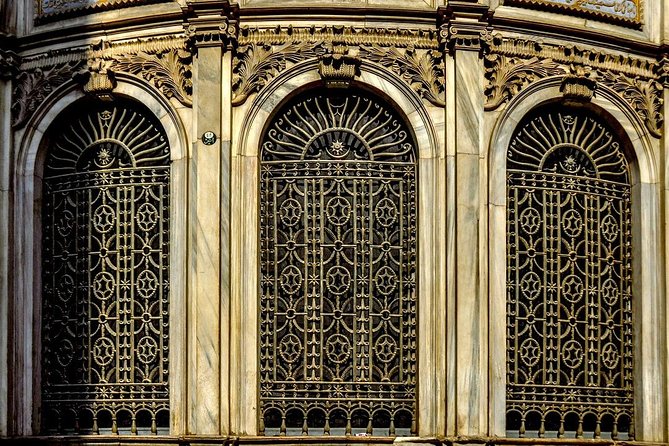
At $100 per person, this tour can feel like a lot or a bargain depending on two things: your group size and which option you select.
You’re paying for a dedicated driver, a private Egyptologist guide, an air-conditioned vehicle, bottled water (based on the selected price option), and onboard Wi-Fi. If you choose the all-inclusive option, attraction entry fees are included too. Without it, entry fees are not included.
Where the value shows up is in friction reduction. The old city is not where you want to spend your first day Cairo-solving. Hotel pickup and drop-off from Cairo and Giza saves time, stress, and wasted energy. And because the route is compact, you’re not losing hours to logistics.
Still, keep expectations realistic. This isn’t trying to hit every major Islamic Cairo monument in one go. It’s a focused sampler of the street-gate-market system.
Timing: morning vs night changes the experience
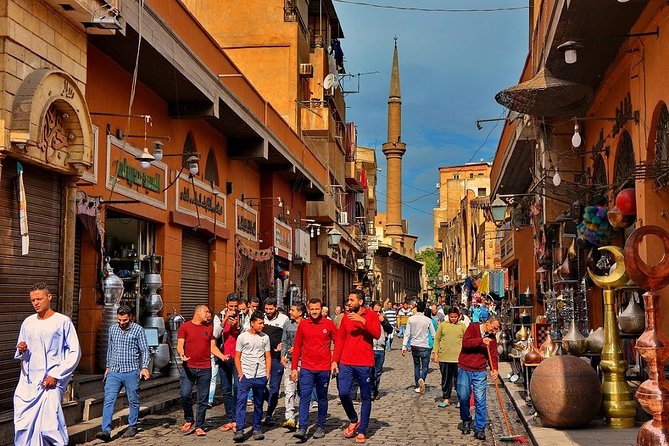
This tour lets you choose morning, afternoon, evening, or night. That’s a big deal in Cairo. Foot traffic, light, and crowd energy shift fast.
One practical wrinkle: all attractions close at 4:30 pm, and entry may only be available for options selected before that time. Streets and outdoor areas can still be active later, but if your plan depends on indoor stops, the timing choice matters.
If you’re booking a night option, it can be especially fun when the market energy builds—some guides also tailor their storytelling around moments like Ramadan, including a festive feel as people break their fast and walk through the architecture.
Practical tip: If you’re heat-sensitive, choose a time window that avoids the hottest stretch of the day. Wear light layers you can adapt quickly.
Transport inside the walled city: why the private driver matters
The old city streets can feel like a moving puzzle. A licensed tourist driver gets you in and out without you wrestling with street turns, parking, or hailing rides that don’t understand your exact pickup idea.
The vehicle is described as modern and air-conditioned, and you also get onboard Wi-Fi. That’s helpful for last-minute reminders and for confirming plans while you’re on the move.
That said, Cairo traffic can be unpredictable. One bad experience shows up in the reviews as a late start and a less-comfortable vehicle than expected. So, I’d do one simple thing: confirm your pickup details the day before and again the morning of your tour. Then you’ll catch problems early instead of spending the first hour stuck.
What you’ll learn (and what makes good guiding here)
This is the kind of tour where a good guide changes the whole experience. You’re looking at old architecture, but the real payoff is understanding what it meant to people at the time.
Guides often bring in specifics: Fatimid street naming, why gate towers were built a certain way, what a complex like Sultan Al-Ghuri was designed to do, and how Khan el-Khalili became a magnet for trade. The best guides also make the walking feel human, not like a museum line.
I’ve seen tours led by names like Mahmoud, Hamada, Mina, and Mohamed. Common thread: they tend to keep the group moving while explaining enough that the sights connect. Hamada’s tours, for example, are often praised for fun pacing and helping families navigate narrow streets with young kids.
If you care about faith and history, Islamic Cairo delivers. You’ll likely come away with a clearer sense of Islam’s role in shaping city life—through architecture, education, charity functions, and commerce that lived side-by-side.
Who should book this Islamic Cairo and Khan el-Khalili half-day
This tour is a great fit if you want:
- A first-time orientation to Islamic Cairo without spending the whole day
- A guide to help you read gates and streets so photos feel more meaningful
- A market experience that doesn’t turn into random wandering
It can also work well for families with kids, as long as you’re comfortable with walking and the fact that some areas are tight and crowded.
Skip it if you:
- Want a huge list of Islamic Cairo landmarks in one go
- Plan to do everything without any guide help and feel fine navigating the souk on your own
- Need lots of long museum-style entry time inside multiple sites (because the schedule is built for highlights, not deep museum marathons)
Should you book this Khan el-Khalili and Islamic Cairo tour?
Yes, if you want value in time. Your money buys you a private guide, hotel pickup/drop-off, and a focused route that hits the street that ties the whole area together—Muizz Street—plus gates and the market you’ll hear about everywhere.
No, if you’re hoping for a full-day, every-landmark Islamic Cairo checklist. This is more like a well-aimed introduction than an everything tour.
If you book, set yourself up for success:
- Choose the time option that fits your energy and consider the 4:30 pm closing reality for entries
- Pick the all-inclusive option if you hate surprise ticket costs
- Wear comfortable shoes and plan to walk through active market streets
- If shopping is a priority, tell your guide what you want early so they can steer you toward the right stalls
FAQ
How long is the Half Day Tour to Khan Elkhalili & Islamic Cairo?
It runs about 4 to 5 hours.
Is this tour private?
Yes. It’s a private tour/activity, and only your group participates.
Do I get hotel pickup and drop-off?
Yes. You’ll be picked up and dropped off from hotels across Cairo and Giza.
Is Wi-Fi included during the tour?
Yes. Wi-Fi is provided onboard.
Are entrance fees included for the sights?
It depends on your option. If you select the all-inclusive option, attraction entry fees are included. Otherwise, admission ticket costs are not included.
Is lunch included?
Lunch is not included unless your selected price option includes it.
What stops are included?
The tour includes Sharia Al Mu’izz Li-Din Allah (Muizz Street), Bab al-Futuh, Wekalet El Ghouri Arts Center, Bab Zuweila, and Khan Al-Khalili.
What time do attractions close?
All attractions close at 4:30 pm, and entry is available only for options selected prior to each attraction’s closing time.