Pyramids and quad bikes in one smooth half-day. This Giza experience pairs a guided look at Great Pyramid sights with a 1-hour ATV ride in the desert for a very different way to see the same iconic views. I really like that you can aim for the cooler light around dawn or dusk, so the whole day feels less exhausting and your photos look better.
I also like the air-conditioned door-to-door pickup plus snacks, because it keeps the focus on the sights instead of logistics. One thing to watch: the quad riding time is only about an hour, so if you’re craving hours of throttle time, this is more “adventure bonus” than a full desert riding day.
In This Review
- Quick hits before you go
- Why this half-day works in Giza
- Pickup and timing: the light is the hidden advantage
- Pyramids of Giza: what you actually see and why it matters
- The guide effect: names you’ll likely recognize
- Extra-charge choices: camel rides and pyramid entry
- Quad bike in the Sahara near Giza: gear, timing, and the “wow” factor
- Snacks, comfort, and what you’re really paying for
- Group discounts, mobile tickets, and the day-to-day feel
- Who should book this tour
- Should you book it?
- FAQ
- How long is the tour, and how long is the quad bike part?
- Does the tour include hotel pickup and drop-off?
- Is a guide and entrance fees included?
- What is provided for the quad bike ride?
- Can I ride a camel or enter a pyramid?
- What time does the tour start?
- What if I need to cancel?
Quick hits before you go
- Hotel pickup and drop-off in an air-conditioned vehicle to start and end with less stress
- 1-hour quad/ATV session with helmet and goggles supplied
- Giza highlights in one run: Great Pyramid areas, Sphinx statue, and the Mummification Temple visit
- Snacks included, which matters on a day that can feel long in the sun
- Private setup so it’s just your group (not a free-for-all with strangers)
- Extra options exist like camel rides and entering a pyramid, but they cost extra
Why this half-day works in Giza
Giza can be overwhelming. The pyramids are everywhere, traffic and crowds can be intense, and the “best order” of sights is the difference between a fun morning and a long day that feels like errands.
This tour fixes that with a simple rhythm: you get the big cultural hits first, then you swap gears to the desert where you can actually move. That contrast is the whole point. One minute you’re looking at pharaohs’ monuments; the next you’re steering across sand with the Sphinx and pyramid shapes in the background.
It’s also built for real schedules. The day runs about 6 hours, so you can still keep your Cairo time open for other things.
You can also read our reviews of more cycling tours in Cairo

Pickup and timing: the light is the hidden advantage
The pickup is listed for 9:00 am from your hotel lobby with a guide holding a sign with your name. It’s not just a nice-to-have. Starting on time means you spend less time waiting in the heat and more time at the monuments when the light is kinder.
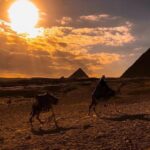
You can also choose the cooler hours (dawn or dusk) or a time that suits you better. That matters because Giza at midday can feel like a workout you didn’t train for. If you’re aiming for photos, softer light makes the pyramids’ edges look sharper and the desert tones less harsh.
Practical tip: wear breathable clothes under a light layer you can keep for the transport ride. The tour includes air-conditioned driving, but you’ll still be outside at Giza and on the quad.
Pyramids of Giza: what you actually see and why it matters
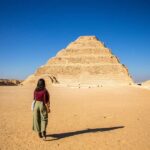
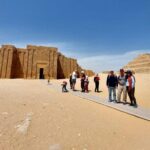
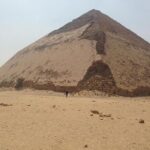
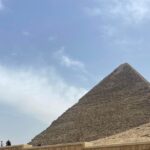
Your first stop is the Pyramids of Giza area, focused on the kings tied to the major structures: Cheops (Khufu), Chefren (Khafre), and Mykerinos. This is one of those moments where having a guide changes everything. Without context, you can look and admire. With context, you start to understand why each pyramid sits where it does and what the site was meant to communicate.
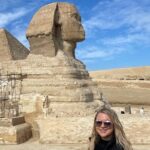
From there, the route also includes a visit to the Sphinx statue (described as the biggest statue in Egypt and Africa) and the Mummification Temple, connected to the mummification of King Chefren. Seeing these in the same run helps you connect the big monument story to the smaller “ritual” details that are easy to miss when you rush.
A lot of the day’s value comes from sequencing. You don’t just bounce between random stops. You move from the major pyramids’ story to the Sphinx, then to temple remains that give you a fuller picture of how the ancient Egyptians thought about kingship, burial, and afterlife.
The guide effect: names you’ll likely recognize
Even without knowing who you’ll get, the tour’s guide style seems consistent from the experience logs you can see. Names that come up often include Ali, Mervat, Walid, and Mido (as well as Mohamed Ali for quad days). The common thread is that the guide connects the shapes and names of the monuments to clear explanations.
That matters because the pyramids can feel like a photo background unless someone points out what you’re looking at. When the guide brings the connections to the surface, the site turns from impressive to understandable, which makes your time feel more worth it.
Extra-charge choices: camel rides and pyramid entry
This is not just a “walk past the pyramids and go.” You’re offered add-ons:
- Camel ride around the pyramids for an extra charge
- Entrance into a pyramid for an extra charge
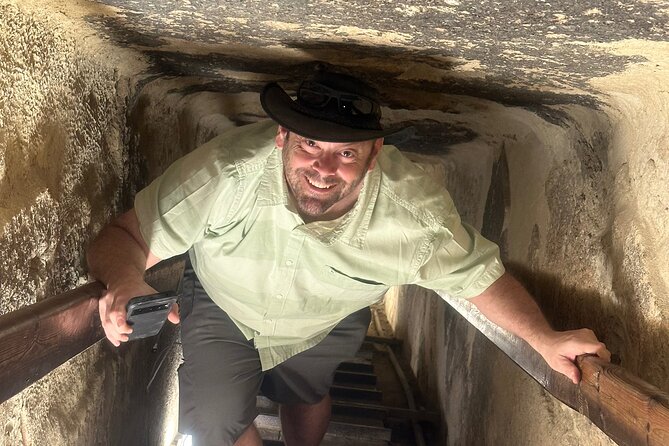
Whether you do these depends on your energy and comfort level. Camel rides can be fun if you’re expecting a slow, sightseeing pace rather than a real ride. Pyramid entry can be tempting, but it’s an extra cost and involves time inside a tomb environment, which is different from standing in open air.
My advice: if you’re short on cash or claustrophobia is a concern, skip the pyramid interior and focus on the exterior views and the Sphinx-temple connections. If you do want one add-on, pick the one that matches your travel priorities. Adventurers usually like the camel for the photo angles; history-focused people sometimes prefer entering one pyramid to see how the interior experience changes your perspective.
A few more Cairo tours and experiences worth a look
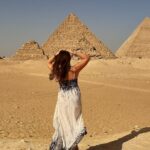


Quad bike in the Sahara near Giza: gear, timing, and the “wow” factor
After the Giza visit, you transfer to the quad bike location to start the desert adventure. The quad riding segment is 1 hour, and you’ll be given a helmet and goggles.
That combo—pyramids first, desert second—works well psychologically. Your brain has a chance to process what it saw at Giza, then it gets to play in the sand right after. For many people, this is the highlight because it lets you experience the area’s scale and emptiness in motion, not just from a viewpoint.
Safety-wise, you’ll get instruction from the team on how to use the quad and what to expect. Since the tour duration is fixed, the instruction time is practical rather than a full lesson. You should still take it seriously: sand changes how a vehicle handles compared with flat roads, and you’ll want to follow the team’s guidance on turning, speed, and keeping a safe spacing from others.
Photo tip: plan for a mix of wide shots and quick close-ups. The pyramids in the distance can look great, but you don’t want to spend the entire hour stopping. If you see a good angle while you’re riding, grab it—then keep moving.
Snacks, comfort, and what you’re really paying for
The price is $55 per person, and you do get a lot packaged in. The tour includes hotel pickup/drop-off, a qualified Egyptologist guide, entrance fees, and snacks, plus the quad bike session itself.
Here’s how I judge value in a day like this:
- If you had to arrange guide + transport + tickets separately, you’d usually spend more just in time, not even counting money.
- The quad ride is a specific, scheduled block. It’s not a vague “we’ll see if there’s time.”
The snacks help a surprising amount. Desert timing and heat make people sloppy with choices. Having something included keeps you from making hasty decisions later.
There’s also a practical note: it’s private, meaning only your group participates. That can feel calmer around the guide and less disruptive during transitions, especially in a place as busy as Giza.
Group discounts, mobile tickets, and the day-to-day feel
You’ll also see options like group discounts and a mobile ticket. The big practical benefit here is not having to manage paperwork on the day. In Cairo, anything that reduces standing around is good.
Also, the tour is described as near public transportation. That’s useful only as a backup plan, but it still signals that the logistics aren’t totally isolated from the city.
One more practical thought: Giza is a place where schedules can shift with traffic and site flow. A day that runs in a tight rhythm with pickup and fixed activity windows helps you stay on track.
Who should book this tour
This is a strong choice if you want:
- A one-day Giza hit without turning your day into a transport puzzle
- A blend of monument time and desert adventure
- A guide-led visit that helps you connect names to what you’re seeing
- A smaller, more focused setup since it’s private for your group
It may not be ideal if you:
- Want a long, heavy desert riding experience (this gives you about one hour)
- Prefer a slow, unhurried walk with lots of free time at each pyramid area
- Don’t like the idea of being out in the desert wind/sand for short stretches between stops
Still, if you want the “Cairo story” to include both ancient monuments and modern fun, this mix usually lands well.
Should you book it?
If you’re torn between a standard pyramid tour and a more active desert add-on, I’d lean toward booking this one. The reason is simple: you get the guided Giza essentials plus a timed quad experience that feels like a real “second act,” not just an extra stop.
Go for it if you care about efficiency, want help with tickets and entrance fees handled, and like the idea of cooler-hour timing for Giza photos. Consider skipping add-ons like camel rides or pyramid entry if you’d rather keep the day light and spend the energy on the quad hour.
In short: this is a smart way to see Giza’s main monuments and then actually feel the desert around them. For $55, the value is in the structure—transport, guide, tickets, and a genuine adventure block in one half-day run.
FAQ
How long is the tour, and how long is the quad bike part?
The tour runs about 6 hours. The quad bike adventure is 1 hour.
Does the tour include hotel pickup and drop-off?
Yes. You get hotel pickup and drop-off, with transport in an air-conditioned vehicle.
Is a guide and entrance fees included?
Yes. You’ll have a qualified Egyptologist guide, and entrance fees are included.
What is provided for the quad bike ride?
You receive a helmet and goggles before riding.
Can I ride a camel or enter a pyramid?
Camel rides around the pyramids are offered for an extra charge. Entering any of the pyramids from inside is also available for an extra charge.
What time does the tour start?
Pickup is listed at 9:00 am in the schedule provided. The tour can also be timed for dawn or dusk or another time you prefer.
What if I need to cancel?
Cancellation is free if you cancel up to 24 hours in advance for a full refund. If you cancel less than 24 hours before the start time, the amount paid is not refunded.