REVIEW · CAIRO
Giza Pyramids, Sphinx, Memphis, Saqqara, with private tour guide
Book on Viator →Operated by Travel Door Tours · Bookable on Viator
Ancient Egypt, packed into one smooth day. This private tour links Giza’s pyramids and Sphinx with the earlier pyramid experiments at Saqqara, then finishes in Memphis to see major Ramses II monuments. If you like your history with clear explanations and built-in time for photos, this is a strong way to do a lot without feeling rushed.
I especially like the way the day is built around key stops: Giza first (big wow factor), then Saqqara for context on how pyramid building evolved, and finally Memphis for the Old Kingdom-to-Ramesses story. I also love the practical touches that keep it manageable: hotel pickup/drop-off, bottled water, and the option to add lunch and a camel ride so you’re not constantly making decisions mid-day.
One thing to consider: pyramid interiors often require special tickets. Even when the main entry is included, going inside Khufu or other pyramids may mean extra payment, and the sites can feel hot and busy depending on the day.
In This Review
- Key highlights to know before you go
- Giza Pyramids + Sphinx: the camel ride and the valley-temple sequence
- What to watch for at Giza
- Khufu, Khafre, and Menkaure: how the “inside access” typically works
- Why the guide help matters here
- Menkaure is short but interesting
- Saqqara after lunch: why the Step Pyramid changes the whole story
- Why this stop is worth the long day
- A practical note on tickets again
- Memphis and Mit Rahina Museum: Ramses II and the Alabaster Sphinx
- A private guide that actually shapes your day
- Optional shops: you should know the rhythm
- Price and what you truly get for about $40
- What’s included
- What may cost extra
- Timing, heat, and how to pack for a 7–8 hour Cairo day
- Should you book this Giza–Saqqara–Memphis private day tour?
- FAQ
- How long is the private tour?
- Is hotel pickup and drop-off included?
- Do I get to ride a camel?
- Are entry fees included?
- Is lunch included?
- Does the tour include skip-the-line ticket help?
- Is this a private tour or a group tour?
Key highlights to know before you go
- Private Egyptologist guide who can keep the pace flexible based on your group
- Giza-to-Saqqara to Memphis route so you see both the peak and the “origin story” of pyramids
- Optional camel ride (~20 minutes) with a guided approach to the best photo angles
- Skip-the-line help for site tickets to reduce waiting time
- Choice-based inclusions: entry fees, lunch, and some add-ons depend on the price option you select
Giza Pyramids + Sphinx: the camel ride and the valley-temple sequence
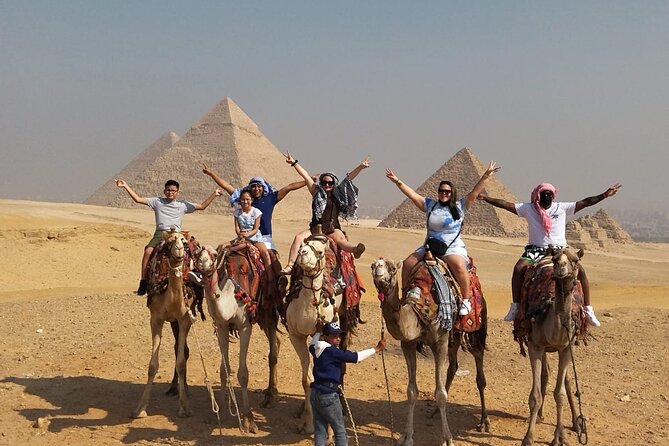
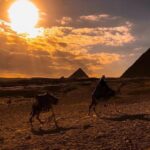
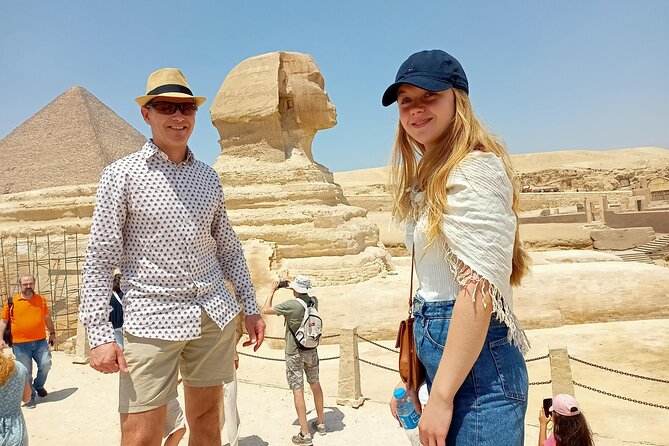
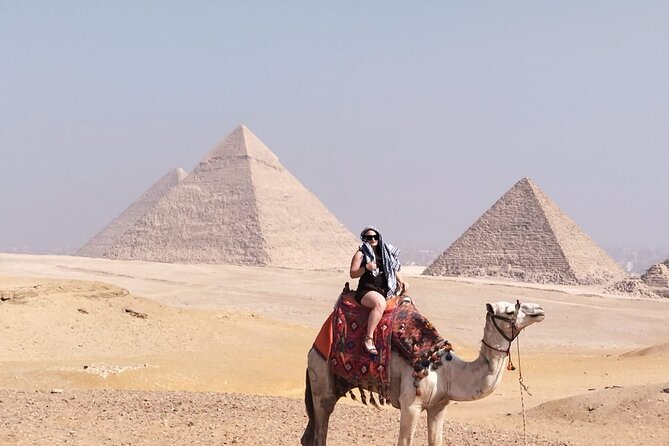
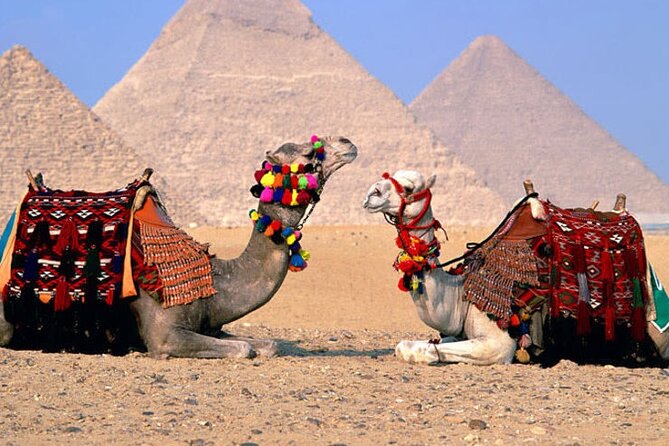
Giza is the headline, and the tour design makes sure you hit it in a logical way. You start with the Pyramids area, where you’ll be able to get the wide, iconic views first. Then comes a short camel ride option in the nearby panoramic zone, which is ideal if you want that slightly higher perspective without turning your day into a multi-hour activity.
After that, you move into the part of the Giza story that most visitors miss: the Sphinx and temple areas. You’ll visit the Sphinx and also the Valley Temple of Khafre. That matters because it’s not just about staring at giant stones. You’re seeing how the pyramids connected to the funerary process—especially the temple spaces tied to mummification and royal burial rituals.
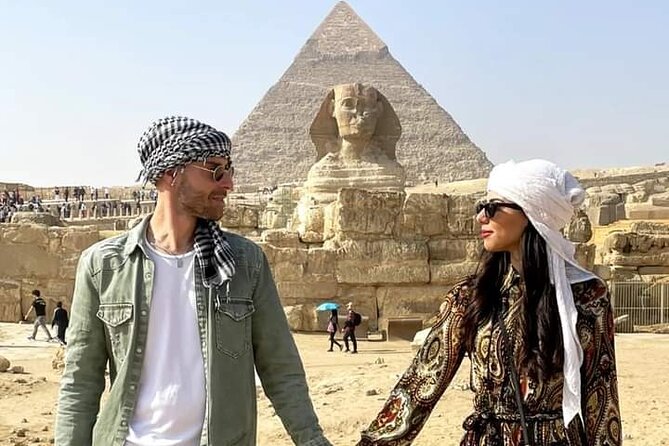
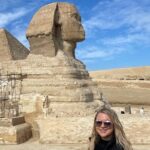
The tour also gives you time for the Great Sphinx itself. The Great Sphinx is described as having the body of a lion and the head of King Khafre, and you’ll get close enough to take photos with real presence. One practical plus: time at each main stop is flexible, so if you’re photo-happy (or you need a breather from the heat), you can slow down rather than feeling herded.
You can also read our reviews of more guided tours in Cairo



What to watch for at Giza
- Camel rides are offered as an option. If you’re not into animals or you want to keep your feet on firm ground, you can skip it.
- Crowds and sun can be intense. The tour’s best advantage is a guide who can help you time photos and choose positions that don’t feel like you’re fighting everyone else for a shot.
Khufu, Khafre, and Menkaure: how the “inside access” typically works
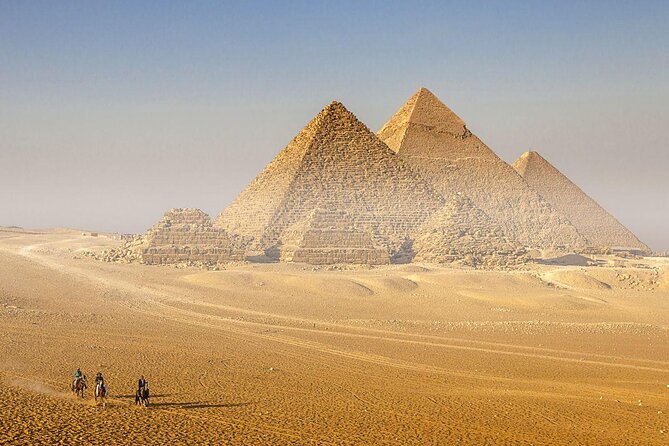
At Giza, the tour separates the outdoor seeing from the “go inside” choices. You’ll visit:
- The Great Pyramid of Cheops (Khufu)
- Khafre’s pyramid
- Menkaure’s pyramid
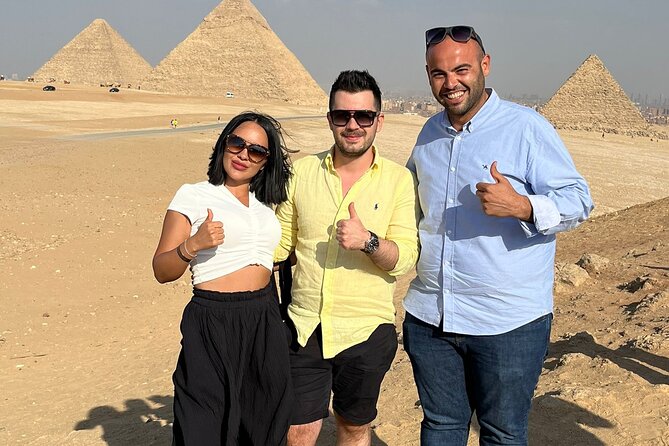
You’ll also get a panoramic photo stop for multiple pyramids at once, plus additional time near the Sphinx area.
Here’s the key practical detail: entering the pyramids from inside requires special tickets. The tour includes admission tickets only based on your selected option, and pyramid interior access is specifically flagged as needing a special ticket with guide assistance. So what this means for you is simple: plan your budget for possible extra entry if you truly want that interior experience.
Why the guide help matters here
Those interior tickets are easy to misunderstand when you’re tired, hot, and trying to follow multiple signage systems. A good guide smooths the process—telling you which areas you can access right now and which ones are ticket-only—so you don’t lose half your time figuring it out on-site.
Menkaure is short but interesting
Menkaure’s pyramid is the smallest on the plateau, and the tour notes that a granite outer layer remains on the lower part. That kind of detail is exactly why going with a guide helps: you tend to notice what you’d otherwise walk past.
You can also read our reviews of more private tours in Cairo




Saqqara after lunch: why the Step Pyramid changes the whole story
After lunch, the day shifts from Giza’s peak achievement to the earlier development of pyramid-building at Saqqara. This is one of my favorite parts of the route because it turns the day from sightseeing into something that feels like you’re watching history evolve.
You’ll visit Saqqara to see what’s described as the oldest pyramid ever built on the planet, plus tombs around the area. The tour also mentions that there may be possibilities to enter some pyramids for free, which can save you from last-minute paid decisions.
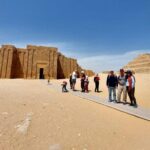
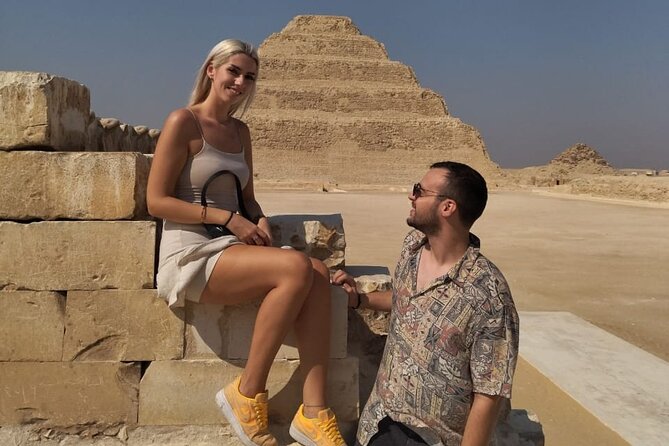
Then you’ll focus on the Step Pyramid of Djoser. This is framed as one of the earliest major stone structures, dating back to around 2670 BC. The Step Pyramid isn’t presented as a single block of stone. You’ll learn about the larger complex too—things like the colonnaded entrance, the Sed Festival complex, the enclosure wall, pavilions, and the surrounding tomb network.
Why this stop is worth the long day
Giza is awe-inspiring, no question. But Saqqara is where you understand the “how did they get there?” question. You’ll leave with a clearer idea of why early builders experimented, what changed over time, and how royal mortuary planning became more formal.
A practical note on tickets again
Like the Giza pyramids, parts of the Djoser complex may require special tickets for entry into the pyramid or the southern tomb. The guide can help you handle those choices so you don’t end up paying for areas you don’t care about.
Memphis and Mit Rahina Museum: Ramses II and the Alabaster Sphinx
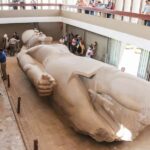
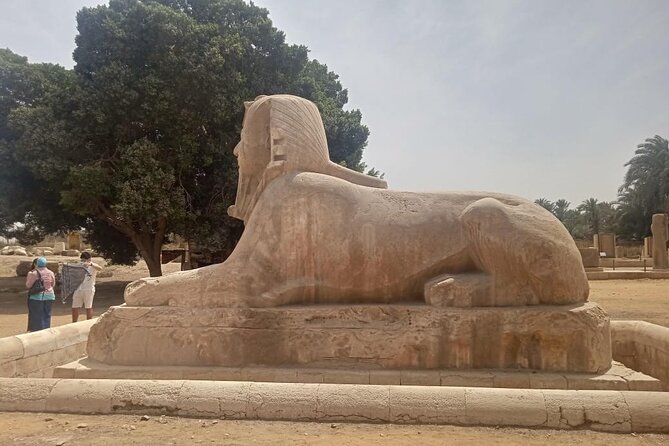
Next comes Memphis, the ancient capital area where you can see how power and monuments shifted over the long sweep of Egyptian history. At Memphis, you’ll visit the colossal statue area for Ramses II and the Alabaster Sphinx.
This is a nice counterbalance to the pyramid focus. After hours of massive tomb architecture, Memphis gives you a different “scale of meaning”: rulers commemorated through statues and symbolic guardian figures, in a city that once anchored political life.
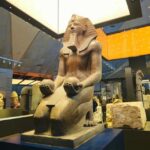
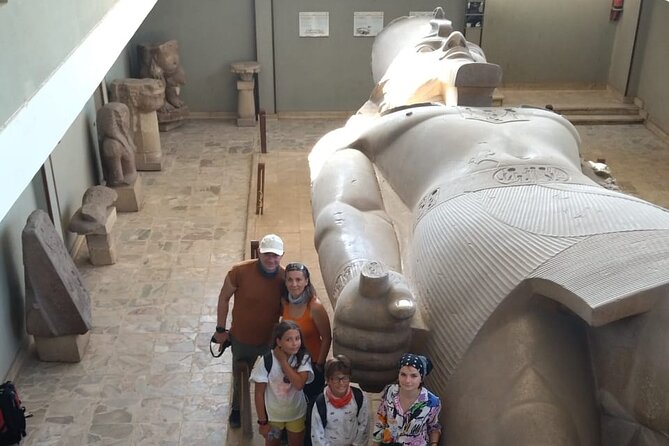
Then the tour includes a stop at Mit Rahina Museum. This is specifically tied to a famous Ramses II statue dated to around 1279 BC. The tour describes it as a huge limestone statue in amazing condition—another reason to include this stop. Even if you’re focused on outdoor monuments, museums here can prevent you from missing important context.
A private guide that actually shapes your day
The best part of this tour, based on recurring traveler feedback patterns, is the guide experience. Many standout names come up repeatedly, including Mariam and Mohammed, Waled, Mona, Mohamed Mohey, Sameh, Haitham, Mustafa, Ahmed, and Mimo. What you’ll notice in these stories is less about reciting facts and more about how guides organize your time, answer questions clearly, and adjust the day to how you move.
A few patterns show up again and again:
- Guides who explain how the sites connect, not just what they are
- Guides who are friendly and attentive, checking in about pace and comfort
- Guides who focus on practical photo positioning, including angles that make it easier to get good shots
One more useful theme: some pairings emphasize comfort during Cairo heat. For example, one review highlights an air-conditioned vehicle with cold water waiting between stops. Even if your setup is different, the tour’s included bottled water helps you stay functional for the full run.
Optional shops: you should know the rhythm
At least one account notes a visit to common souvenir areas like papyrus and perfume stores, with limited time. Other accounts emphasize that the guide asked first and didn’t push shopping. For your planning, this means: you’ll want to set expectations early. If you want strictly monuments, say so at pickup.
Price and what you truly get for about $40
The price is listed at $40 per person, with an average booking window around 21 days in advance. For a private day touching multiple major sites, that can be good value—especially because you’re not just paying for transportation. You’re paying for coordination: pickup/drop-off, an Egyptologist guide, time management, and the entry-ticket handling option.
Here’s how value breaks down for you:
What’s included
You get:
- Hotel pickup and drop-off
- Qualified Egyptologist guide
- Bottled water
- Skip lines of getting site tickets
- Entry fees of sites, based on the selected price option
- Lunch, based on the selected price option
- Camel ride around 20 minutes, based on the selected price option
- All taxes and service charge
What may cost extra
- Pyramid interiors (special tickets) for Khufu, Khafre, and also parts of Saqqara’s complex are specifically called out as requiring special tickets.
So my practical advice is: decide ahead of time whether you care about going inside. If you do, mentally budget for that. If you don’t, the tour still covers plenty of major monuments on the outside with strong photo potential.
Timing, heat, and how to pack for a 7–8 hour Cairo day
This is a full-day plan that runs about 7 to 8 hours. Cairo heat and walking can make any long day feel like a lot, even when the route is well designed. The good news is that the tour notes flexibility in time spent at key stops, so you’re not locked into a rigid clock for every corner of the plateau.
To make the day smoother, I’d show up with:
- Sun protection (hat or cap plus sunscreen)
- Comfortable walking shoes with grip
- Water discipline (even with bottled water included, start hydrated)
- A small plan for photos (decide what matters most: wide pyramid shots, Sphinx close-ups, or interior access)
Also: pyramid and tomb areas can involve steps and uneven ground. If you’re sensitive to that, tell your guide early so they can adjust pacing.
Should you book this Giza–Saqqara–Memphis private day tour?
Book it if you want a single organized day that links the biggest pyramid monuments with Saqqara’s “origin” context and then brings you to Memphis for Ramses II and the Alabaster Sphinx. It’s especially a good fit if you like the idea of a guide who can adjust pace and keep your time usable in hot, crowded conditions.
Think twice (or plan your expectations) if you’re very budget-sensitive about interior pyramid access, since special tickets are required for going inside. Also, because this is private, your experience will depend on your guide’s style—feedback patterns show many guides deliver excellent, attentive days, but you should choose this with the understanding that personalities can vary.
If you can align your priorities—outdoor monuments first, plus inside access only if it matters—this tour is a strong way to get a lot of Egypt in one day without turning it into a logistical stress test.
FAQ
How long is the private tour?
The tour runs about 7 to 8 hours.
Is hotel pickup and drop-off included?
Yes. Round-trip transfers from Cairo or Giza are included, and pickup/drop-off are provided.
Do I get to ride a camel?
Camel ride time of around 20 minutes is offered based on the selected price option.
Are entry fees included?
Entry fees are included based on the selected price option. The tour also notes that some inside entries require special tickets.
Is lunch included?
Lunch is included based on the selected price option.
Does the tour include skip-the-line ticket help?
Yes. You get skip lines of getting site tickets.
Is this a private tour or a group tour?
It’s a private tour/activity, and only your group participates.