REVIEW · CAIRO
Giza Pyramids, Memphis and Sakkara
Book on Viator →Operated by Over Egypt Tours · Bookable on Viator
Three capitals of ancient Egypt in one day.
This packed route hits the Giza Plateau for the pyramids and Sphinx, then moves on to Saqqara for the Step Pyramid, and finally includes Memphis, one of Egypt’s earliest royal centers. What I especially like is the private, hotel-to-hotel setup with an English-speaking Egyptologist guiding you through the big monuments instead of letting you figure it out on your own.
You’ll also enjoy how the day is paced for real viewing, not just rushing for a checklist. In particular, the guide-focused format (I’ve heard examples of Egyptology specialists like Sara, Gad, Michael, Ayman, Sylvia, Milad, Mohammed, and even drivers like Peter keeping things smooth) tends to make the Sphinx and Saqqara feel connected, not random. One consideration: entrance fees aren’t included, and extras such as camel rides and lunch are on you, so budget a bit beyond the tour price.
In This Review
- Key things that make this day tour work
- From your hotel to the Giza Plateau: why the timing matters
- Giza Necropolis: Cheops, Chephren, Mykerinus, and the Valley Temple
- Cheops, Chephren, Mykerinus: three pyramids, one skyline lesson
- Valley Temple: why it’s worth your time
- The Great Sphinx: views, context, and how to avoid a “photo-only” day
- A small strategy that helps
- What to consider
- Saqqara: the Step Pyramid of Zoser and why it feels older than Giza
- What you should notice at the Step Pyramid
- The practical reality
- Memphis: connecting the early capital to the monuments you saw
- Guides, safety, and the human touch (Samir, Sara, Gad, Ayman, and more)
- What that usually means for you
- Price and value: what $108.34 covers, and what to plan for
- What’s not included (and what that changes)
- Group discounts, even on a private tour
- Tips for planning a smooth day at Giza and Saqqara
- Bring for desert reality
- Think about your priorities before you arrive
- Consider the camel ride as an optional add-on
- Who should book this Giza, Memphis and Saqqara day tour?
- FAQ
- What’s the tour duration?
- When does the tour start?
- Is pickup from my hotel included?
- Is this a private tour?
- Are entrance fees included?
- Is lunch included?
- Are camel rides included?
- Do I get a mobile ticket?
- What is the cancellation policy?
- Is the tour suitable for most travelers?
Key things that make this day tour work
- Hotel pickup plus private vehicle: saves you from Cairo traffic stress and heat exposure.
- Giza highlights in one run: Cheops, Chephren, Mykerinus, plus the Great Sphinx and Valley Temple.
- Saqqara’s Djoser Step Pyramid: the world’s oldest major stone structure, tied to the 3rd Dynasty.
- Memphis is part of the story: you see how earlier Egypt set the stage for Giza-era power.
- Guides who explain, not just point: expect clear context and helpful photo stops.
- Extras can add up: entrance tickets, camel rides, lunch, drinks, and tipping are not covered.
From your hotel to the Giza Plateau: why the timing matters
Most Cairo days start with the simplest question: how do you beat crowds and heat without burning your whole trip on logistics? This tour’s basic advantage is that it starts with pickup from your hotel and runs by private air-conditioned vehicle, so you get moving early with less friction.
The start time is 9:00 am, which is usually a sweet spot for visibility at the pyramids before the later rush builds. Even with an early start, the Giza area can feel busy because it’s the world-famous showpiece of Egypt. A private format doesn’t magically erase crowds, but it does help you manage your time better—especially when you only have a limited window at each site.
Another practical win: bottled water is included during the trip. It sounds basic, but in Cairo, staying hydrated affects how much you actually enjoy standing around stone statues that are older than your country.
You can also read our reviews of more tours and experiences in Cairo.

Giza Necropolis: Cheops, Chephren, Mykerinus, and the Valley Temple
At Giza, you’re not just visiting one pyramid. You’re walking through a whole “cluster” of royal building achievements, which is why an Egyptologist guide makes such a difference.
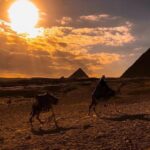
The plan gives you about two hours at the Giza Necropolis. That’s enough time to get oriented, see the major pyramids (Cheops, Chephren, and Mykerinus), and also include the Great Sphinx and Valley Temple without feeling like you’re sprinting the whole time.
Cheops, Chephren, Mykerinus: three pyramids, one skyline lesson
Here’s what you should pay attention to when you’re there:
- Cheops (Khufu): the best-known of the three and the one most visitors picture instantly.
- Chephren (Khafre): the one often discussed alongside the Sphinx connection.
- Mykerinus (Menkaure): smaller than its neighbors, but still part of the royal “set” that shows the scale of Giza’s planning.
With limited time, your guide’s job is to help you understand what you’re seeing right away: why these monuments belong together, and how the different pyramids communicate status, belief, and power.
Valley Temple: why it’s worth your time
Many people focus only on the pyramids and skip the in-between areas. The Valley Temple inclusion is smart because it helps you see that Giza wasn’t designed as an isolated photo spot. It’s tied to a ritual landscape: places for preparation and ceremonies, not just stone mass.
Even if you don’t memorize every detail, you’ll leave with a stronger mental map of the site.
The Great Sphinx: views, context, and how to avoid a “photo-only” day
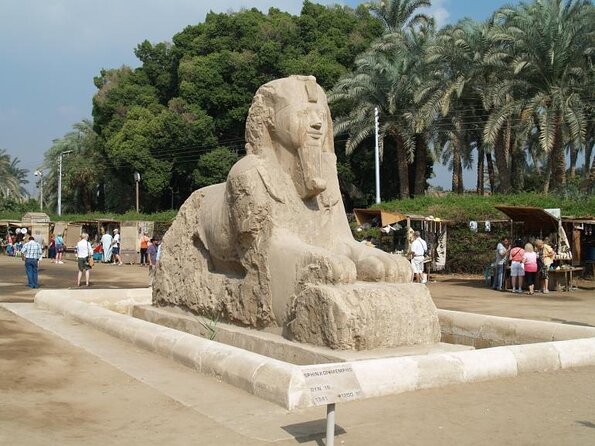
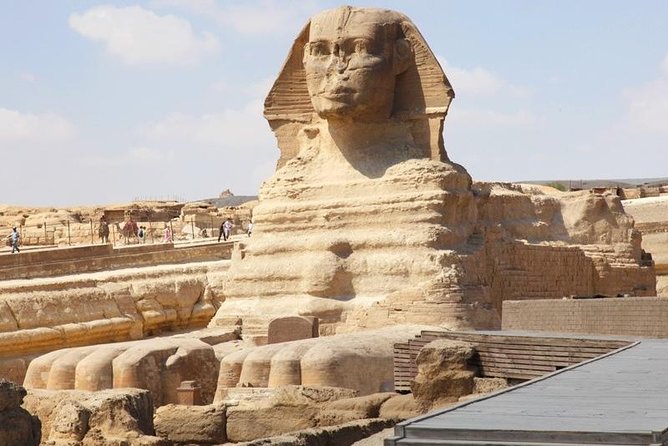
The Great Sphinx is one of those places that looks familiar in photos but still lands differently in person. It’s massive, weathered, and oddly watchful, and that effect is even stronger when your guide gives you the cultural context.
In this program, the Sphinx visit is scheduled right after the main pyramids viewing. That flow matters because it keeps you in the same visual world: stone, desert light, and the royal symbolism of the plateau.

A small strategy that helps
If you want the best experience (and not just a blur of poses), think of the Sphinx stop in two layers:
- Take one or two photos so you have the moment.
- Then slow down for the explanation and let the scale sink in.
A lot of past guests highlight that guides here are good at stopping for photos without turning the day into a nonstop camera session. That’s the right balance. You want memorable images, but you also want the meaning.
What to consider
Giza can be visually overwhelming. With only about two hours total for this stop, you’ll get more out of the experience if you decide in advance what you care about most: up-close pyramid views, Sphinx context, or the Valley Temple.
If you’re the type who loves every single minute in museums, you might feel the squeeze. If you’re there to understand the big picture and get strong first-hand impressions, this time window usually hits the mark.
Saqqara: the Step Pyramid of Zoser and why it feels older than Giza
Then the day shifts to Saqqara (Sakkara), and that’s where the tour gets especially interesting. Saqqara doesn’t have the same instant Hollywood recognition as Giza, but it often feels more emotionally real because it’s tied to earlier experimentation in stone architecture.
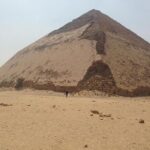
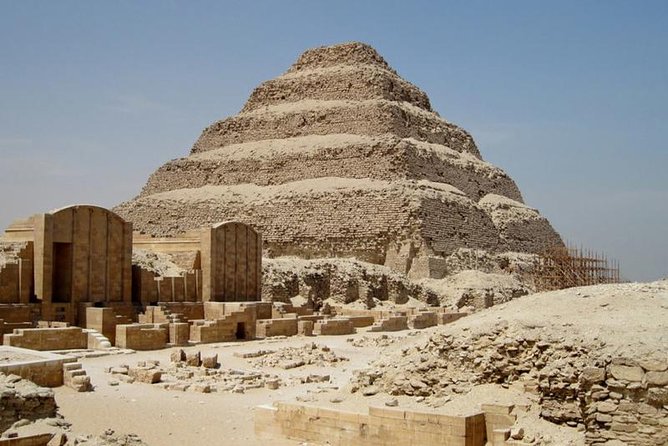
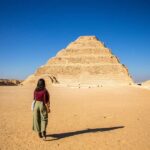
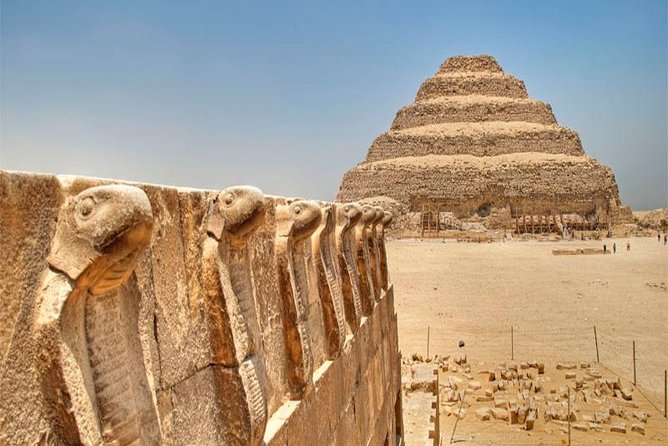
You get about one hour at Saqqara, centered on the Step Pyramid of Zoser. This monument is described as the world’s oldest major stone structure, built for King Djoser in the 3rd Dynasty. Even if you know nothing about Egyptology, that fact gives you a hook: you’re looking at a turning point.
What you should notice at the Step Pyramid
With limited time, aim for a “structure-first” approach:
- Notice how the pyramid shape looks like it’s stepping upward.
- Think of it as an early stage of a design that later gets refined.
- Listen for the story of how royal building ideas evolved from early dynastic power to later monumental projects.
This is exactly why Saqqara often makes people rethink their idea of what “ancient Egypt” means. You’re not just seeing impressive ruins. You’re seeing the logic of architectural progress.
The practical reality
One hour sounds short, but it’s also what keeps the day from dragging. If you’re the kind of visitor who hates being rushed, the key is to ask your guide to prioritize what matters to you. This format supports that, especially in a private tour setup where it’s only your group.
Memphis: connecting the early capital to the monuments you saw
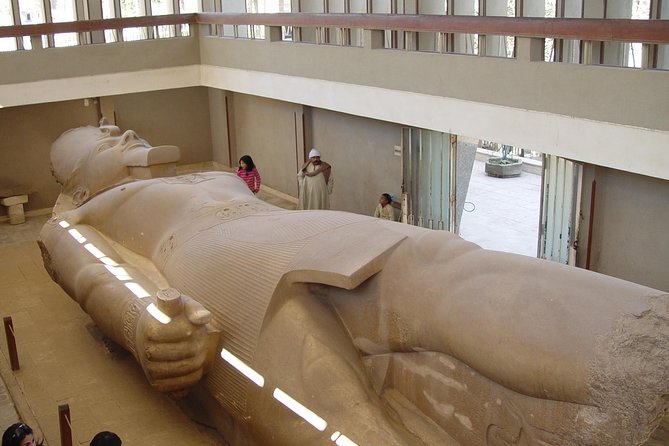
Memphis is included in the tour overview as part of the day’s big picture. Even though the schedule details provided focus more on Giza and Saqqara, Memphis is still the right “bridge” destination.
Why Memphis matters is simple: it helps you connect the sites. When you see Giza and then go to Saqqara, it’s easy to think they’re separate eras. Memphis helps you feel the continuity—how Egypt’s earliest centers of power influenced later monumental building.
If you’re a first-time visitor to Cairo and you want one day that makes Egypt feel like one story (instead of scattered stops), Memphis is a strong choice.
Guides, safety, and the human touch (Samir, Sara, Gad, Ayman, and more)
This is where the experience seems to win hearts, based on the way the guides and organizers are described in the feedback you can rely on.
A name that keeps showing up is Samir, who’s described as professional, organized, and attentive. Other guides and partners mentioned include Sara (for the pyramids day), Gad (liked for not rushing and for great engagement), Michael (for being informative and accommodating), and Ayman and Sylvia (for friendliness and expertise). People also mention support that felt especially reassuring for solo travelers, which is a big deal when you’re navigating a busy city and famous sites.
What that usually means for you
When a guide is doing the job well, you get:
- clearer explanations while you stand right in front of the monuments
- fewer uncomfortable moments with sellers and side offers
- a smoother flow between stops
- helpful photo guidance without making the day feel like a production line
Also, the tour description includes a private English-speaking Egyptologist guide. That’s important for value: you’re not paying for transportation alone. You’re buying context.
Price and value: what $108.34 covers, and what to plan for
At $108.34 per person for roughly 7 hours, this tour has a decent value profile for a Cairo day. You’re paying for:
- hotel pickup and return
- a private air-conditioned vehicle
- a private English-speaking Egyptologist guide
- bottled water
- taxes and service charges
That’s a lot of “hidden convenience” baked into the price. The biggest reason it feels fair is that it reduces your bargaining with the city. You show up, get picked up, and focus on the sites.
What’s not included (and what that changes)
You should plan extra money for:
- entrance fees to the pyramids, Sphinx area, and Saqqara
- camel ride at the pyramids (if you want it)
- lunch at a local restaurant
- drinks
- tipping
This doesn’t make the tour overpriced. It just means you should treat the tour price as the cost of the expert guidance and logistics, then add a realistic onsite spending budget.
If you go in expecting all tickets and meals to be covered, you’ll be surprised. If you budget for entrance fees and one meal, the overall day typically feels straightforward.
Group discounts, even on a private tour
The tour offers group discounts, which can help if you’re traveling with friends or splitting costs within your own party. Since it’s still private (only your group), you avoid the classic downside of “discounted group tours,” where you get stuck with strangers and a rigid pace.
Tips for planning a smooth day at Giza and Saqqara
A day like this is all about comfort and decision-making. Here are practical steps that fit how this day is structured.
Bring for desert reality
You’re dealing with sun, dust, and lots of walking. Wear shoes you trust and bring sun protection. You’ll have water during the trip, but you’ll still want to pace yourself.
Think about your priorities before you arrive
You have time pressure built into the schedule: about two hours at Giza and one hour at Saqqara. So decide what you want most:
- Do you want more time for photos and views at Giza?
- Do you want the Step Pyramid explanation to be your main focus?
- Or do you want Memphis to provide the story link?
Tell your guide your preference at the start, and they can steer you toward the best use of that limited time.
Consider the camel ride as an optional add-on
Camel rides are not included. If you’re tempted, decide based on your comfort and risk tolerance. This tour keeps the base experience straightforward; the camel is a separate choice, not a requirement.
Who should book this Giza, Memphis and Saqqara day tour?
Book it if you want a first-time-friendly Cairo day that covers the big names without losing the plot. It’s a strong fit for:
- first visitors who want Giza + Sphinx + Saqqara in one pass
- travelers who prefer a private Egyptologist guide over reading about monuments alone
- people who value comfort (pickup, private vehicle, air-conditioning, water)
Skip it—or consider a longer plan—if you need lots of free time inside each site. With limited hours at Giza and Saqqara, you won’t have the leisure pace of a multi-day schedule. And if you don’t want to manage entrance fees and a meal budget, you’ll need to pick tours that include those items (this one doesn’t).
FAQ
What’s the tour duration?
It’s listed as approximately 7 hours.
When does the tour start?
The start time is 9:00 am.
Is pickup from my hotel included?
Yes. Pickup services from your hotel and return are included.
Is this a private tour?
Yes. Only your group participates.
Are entrance fees included?
No. Entrance fees to the mentioned sites are not included.
Is lunch included?
No. Lunch at a local restaurant in Cairo is not included.
Are camel rides included?
No. Camel rides at the pyramids are not included.
Do I get a mobile ticket?
Yes. The tour includes a mobile ticket.
What is the cancellation policy?
You can cancel for a full refund if you cancel up to 24 hours in advance of the experience’s start time. If you cancel less than 24 hours before the start time, the amount paid is not refunded.
Is the tour suitable for most travelers?
The info says most travelers can participate.