REVIEW · CAIRO
Full- Day Tour to Giza Pyramids Saqqara Serapeum Private Tour
Book on Viator →Operated by Mak · Bookable on Viator
Cairo’s ancient sights pack a lot in. This private full-day tour is built around Giza, Saqqara, and the Serapeum, with a guide who ties what you see to clear context and practical on-the-ground help. I like the personalized explanations—and the guides I’ve heard praised, including Mohammed and Hudson, are described as friendly, flexible, and good at mixing history with local know-how.
One thing to plan for: entrance fees aren’t included, and the Serapeum requires a separate ticket. If you’re hoping for one flat price with zero extras at the sites, this tour may feel a bit more pay-as-you-go than expected.
In This Review
- Key highlights to look for
- Private pickup and a 7-hour plan that actually works
- Giza pyramids: Khufu, Khafre, Menkaure, and the Sphinx area
- Great Pyramid of Khufu
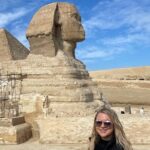
- Pyramid of Khafre and the Sphinx area
- Pyramid of Menkaure
- Photos, camel rides, and what to expect
- A quick reality check
- Saqqara’s Step Pyramid of Djoser and tombs like It and Meryt-Ra
- What you do here
- Why Saqqara feels different
- Serapeum: Apis bull burial tunnels and giant sarcophagi
- The key practical note
- Why it’s worth your time
- Timing, heat, and photo tactics for a smoother morning
- Lunch on your own: light, nearby, and not a full detour
- Price and value: what $60 buys (and what it doesn’t)
- Who this private Giza, Saqqara, and Serapeum tour suits best
- Should you book this tour?
- FAQ
- What time does the tour start, and do you get hotel pickup?
- How long is the tour?
- Is this a private tour?
- Are entrance tickets included in the price?
- What’s included in the tour cost?
- What sites are visited during the day?
- Is free cancellation available?
Key highlights to look for
- Hotel pickup + private air-conditioned transport so the day starts easy and stays comfortable.
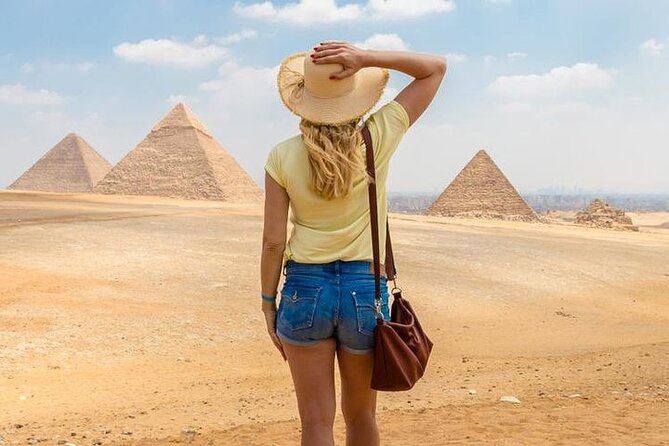
- Three Giza pyramids in one go: Khufu, Khafre (with the Sphinx area), and Menkaure.
- Saqqara’s Step Pyramid of Djoser plus tombs like It and Meryt-Ra.
- Serapeum tunnels and massive sarcophagi connected to the sacred Apis bull burial cult.
- Private group experience—it’s just your party, not a crowded bus with random pace changes.
- Guides who adapt to what you care about, from archaeology details to photo timing.
Private pickup and a 7-hour plan that actually works
This tour is designed for one key goal: fit the big monuments into a single, well-paced day without feeling like you’re constantly losing time. It runs for about 7 hours, and the remaining hours are meant for travel time rather than hiding “extra time” in your schedule.
You get hotel pickup and ride in an air-conditioned vehicle, plus bottled water. That matters in Cairo. Even in good weather, you’ll appreciate having a comfortable base between sites, especially if the day stretches longer than you expected due to traffic.
One practical advantage of going private: you control the tempo. Your guide can slow down when you want photos, answer questions on the spot, and help you navigate the sites without the back-and-forth frustration that comes with joining larger groups.
You can also read our reviews of more private tours in Cairo
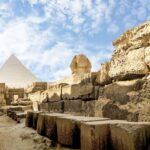


Giza pyramids: Khufu, Khafre, Menkaure, and the Sphinx area
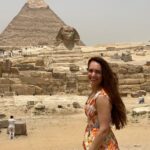
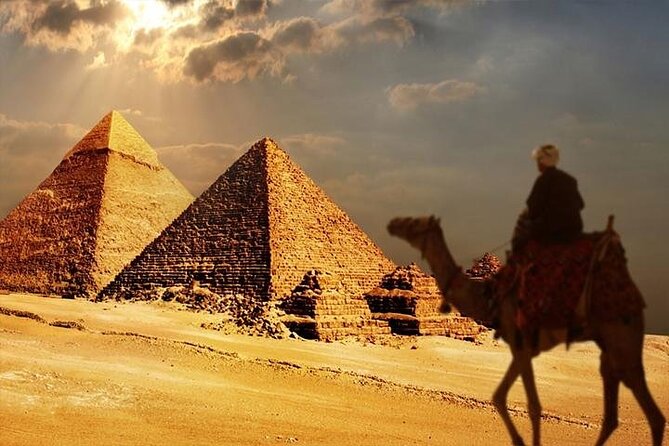
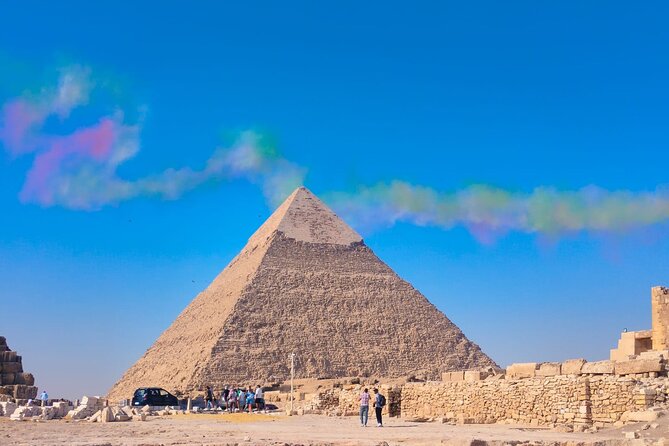
The day’s main headline is the Pyramids area at Giza, where you visit the three most famous pyramids together. The typical rhythm is simple: you arrive around 9:00 AM and then spend about 3 hours getting up close and taking in the scale.
Great Pyramid of Khufu
Khufu’s pyramid is the biggest of the three. Standing near it, you immediately get why it became a Seven Wonders icon. I’d treat this stop as your “anchor moment.” Give yourself time to take wide shots from a few angles, then come back for closer looks.
Pyramid of Khafre and the Sphinx area
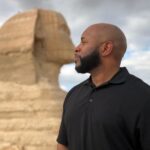
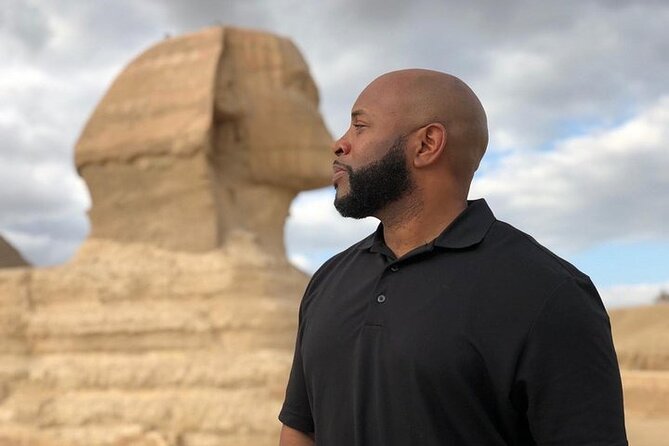
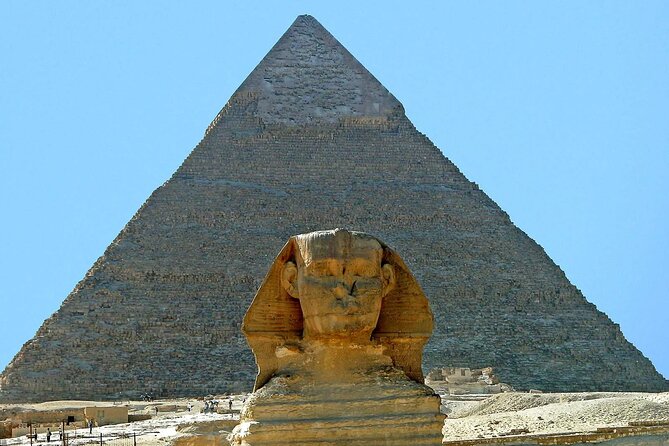
Khafre is often the one people remember for the famous Sphinx connection. Even if you’re not spending hours focusing on sculpture details, the overall setting here helps you understand how the monuments relate to each other across the plateau.
Pyramid of Menkaure
Menkaure is the smallest of the trio, but it still deserves your attention. Seeing the three back-to-back is the real payoff: you stop thinking of them as separate postcards and start recognizing patterns in how this whole landscape was planned.
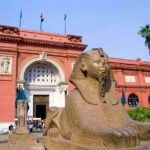
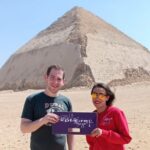

Photos, camel rides, and what to expect
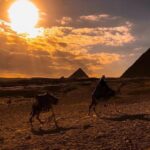
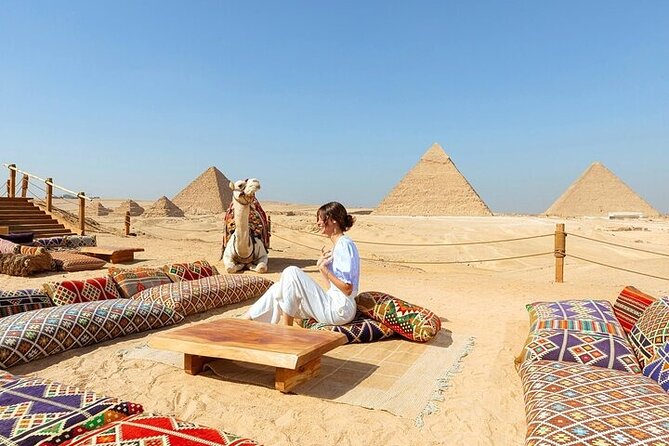
You can get up close and take photos. The tour also notes you may choose to ride camels or horses if you want a more traditional experience. If you’re deciding on that on the day, it’s smart to do it only if you’re comfortable with the physical ride and the photos you want, not as a must-do item.
A quick reality check
Entrance tickets aren’t included overall. For the pyramids part, the plan lists admissions as free, but the tour explicitly says entrance tickets are not included. So I’d assume you may still face some paid costs depending on what access you choose—especially for anything beyond the standard viewpoints. Bring a little flexibility in your budget.
Saqqara’s Step Pyramid of Djoser and tombs like It and Meryt-Ra
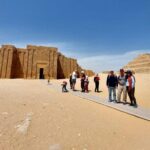
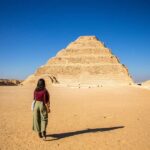
After Giza, you head to Saqqara, where the mood shifts from the famous skyline of pyramids to a larger archaeological landscape. The big highlight is the Step Pyramid of Djoser—often described as one of the oldest pyramids made entirely from stone.
This stop is valuable because it adds timeline context. At Giza, you’re looking at the finished masterwork style. At Saqqara, you’re seeing an earlier step in the evolution of pyramid-building. That alone makes the move worthwhile if you like understanding how ideas developed.
What you do here
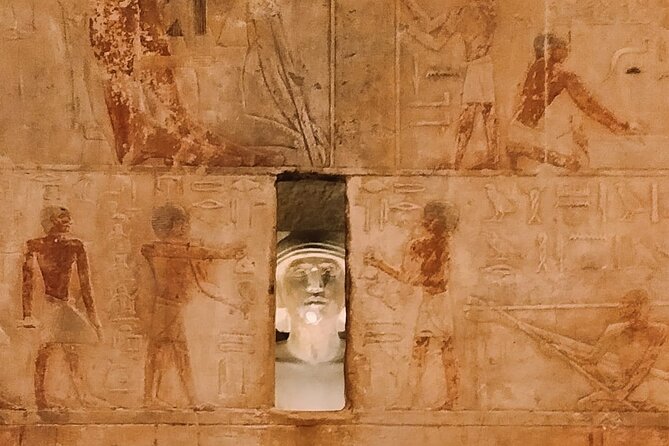
You explore the area that includes tombs and temples from ancient Egyptian life. The tour also allows you to visit specific tombs, including the Tomb of It and the Tomb of Meryt-Ra.
Even if tomb interiors are sometimes limited in what you can see at a distance, it’s the chance to connect names and stories to the architecture that makes it feel more human than just a stone structure. You’re not only looking at big forms—you’re seeing burial spaces tied to real people and roles.
Why Saqqara feels different
Saqqara often feels more spread out than Giza. That can be a good thing. You tend to get more “walk and look” time here, and the landscape can help you understand how ancient Egypt wasn’t only about one monumental site—it was a whole world of sacred geography.
As always, wear shoes you can move in. You’ll be doing plenty of walking across uneven ground.
Serapeum: Apis bull burial tunnels and giant sarcophagi
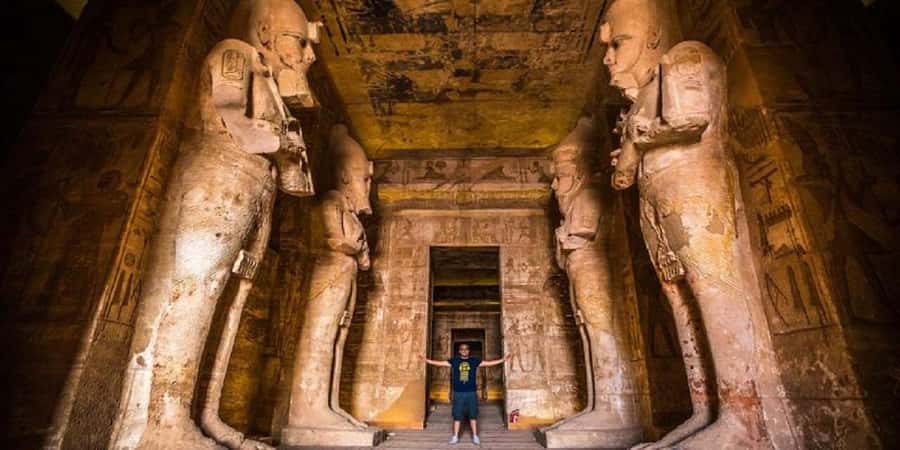
This is the part that most strongly differentiates the tour. The Serapeum is the burial site for the sacred Apis bulls—animals considered a symbol connected to Egyptian gods. Instead of focusing on one pyramid silhouette, you get something stranger and more underground: vast tunnels with massive stone sarcophagi meant to hold the remains of these bulls.
The tour schedule gives you about 1 hour for the Serapeum. That’s a solid amount of time for orienting yourself, moving through the space, and taking in the scale. Still, if you’re the kind of person who loves details, I’d spend extra attention on how the sarcophagi dominate your sense of space. You really can’t fully understand them from photos.
The key practical note
The Serapeum admission ticket is not included, so plan to pay an extra entrance fee here. In the experience reviews, people specifically called out that the Serapeum access is a big reason to choose this option—but they also noted the separate ticket requirement. So go in with a clear expectation: you’ll pay more at the Serapeum, but you’ll likely feel you’re paying for a site you can’t easily replicate on your own in a smooth way.
Why it’s worth your time
If you only hit the headline pyramids, Cairo’s ancient story can feel a little one-note. The Serapeum adds a different angle: religious practice, animal symbolism, and monumental burial engineering. It’s a change of pace that makes the day feel more complete.
Timing, heat, and photo tactics for a smoother morning
Starting around 8:00 AM is one of the smartest choices built into this plan. Mornings generally mean more tolerable heat and more breathing room as you move between sites. Even if the crowds are still there (Giza is Giza), early timing helps you get the first big visuals with less fatigue.
Here’s how I’d handle the day to keep it comfortable:
- Hydrate early. You’ll get bottled water with the tour, but I’d still sip regularly rather than waiting until you feel thirsty.
- Wear sun-smart clothing. A hat and lightweight layers save you. Egyptian sun doesn’t care about your schedule.
- Plan your photos in layers. Get the wide pyramid shots first, then do detail shots while you’re already positioned.
- Use shade breaks intentionally. Don’t just stop when you’re tired. Stop when you can step into cooler spots for a few minutes.
Because you’re on a private tour, you can ask your guide about the most comfortable routes through the busiest areas and where to stand for photos without constantly repositioning.
Lunch on your own: light, nearby, and not a full detour
After the Serapeum, you return toward Giza and get an optional lunch break. The plan gives about 1 hour, and it’s not included in the price.
This is a good moment to keep lunch light. You still want enough energy for the end-of-day transfer back to your hotel, and Cairo traffic can be unpredictable. If you’re choosing where to eat, aim for a place that’s easy to reach and doesn’t turn your meal into a long sit-down production.
If you’re a picky eater or you need specific dietary options, tell your guide in the morning. The best tours are the ones that quietly prevent your problems before they happen.
Price and value: what $60 buys (and what it doesn’t)
At $60 per person, this tour is positioned as a budget-friendly way to see three major sites with the convenience of private transportation and a private guide. For a day that includes hotel pickup, an air-conditioned vehicle, and guidance through multiple monuments, that price can feel like strong value—especially if you’d otherwise spend time and money trying to coordinate transport and entry access on your own.
That said, there’s a catch: entrance tickets aren’t included. The tour lists admission as free for some parts, but the overall rule is that tickets are not included, and the Serapeum specifically requires a separate ticket. So your final spend can move up depending on what entrances you need.
Still, I like this price structure because it keeps the day flexible. If you decide you want to focus more on photography viewpoints or move through specific areas, you’re not locked into a rigid bundle that might not match your interests.
One other value point: your group is private. In practice, that often saves time—time you can’t buy back once the sun is high and the sites get crowded.
Who this private Giza, Saqqara, and Serapeum tour suits best
I think this tour is a great match if you want:
- A first-time Cairo day that hits the big names without leaving you overwhelmed by logistics.
- A private guide who can adjust pacing to your interests—whether you care more about architecture, burial practice, or culture.
- Extra attention to the Serapeum, especially if you’re curious about the Apis bull cult and the unusual underground spaces.
- A comfortable day plan with pickup, bottled water, and air-conditioning between stops.
It may be less ideal if you want to minimize cash spending on-site and prefer a fully ticketed, one-price package. And if you’re chasing a lot of museum-style time, note that this is timed around site visits, not long indoor exhibits.
Should you book this tour?
Book it if you want a smart, efficient, private way to see Giza + Saqqara + the Serapeum in one day, with a guide who can explain what you’re looking at and keep the day moving. The Serapeum angle is the standout reason to choose this specific route, and the guides described as personable and flexible (including Mohammed and Hudson) sound like the type who help you get real context, not just names on walls.
Skip it only if you’re extremely cost-sensitive on entrance fees or you want a totally do-it-yourself schedule without paying for on-the-ground navigation and guidance.
FAQ
What time does the tour start, and do you get hotel pickup?
It starts at 8:00 AM, and pickup is offered from your hotel.
How long is the tour?
The duration is about 7 hours.
Is this a private tour?
Yes. It’s a private tour/activity, and only your group participates.
Are entrance tickets included in the price?
No. Entrance tickets are not included. The Serapeum specifically notes that its admission ticket is not included.
What’s included in the tour cost?
Included items are private transportation, an air-conditioned vehicle, bottled water, and a private tour guide, along with the sightseeing stops mentioned.
What sites are visited during the day?
You’ll visit the Giza pyramids area (Great Pyramid of Khufu, Pyramid of Khafre with the Sphinx area, and Pyramid of Menkaure), Saqqara (Step Pyramid of Djoser and tombs such as It and Meryt-Ra), and the Serapeum (Apis bull burial site).
Is free cancellation available?
Yes, you can cancel for free up to 24 hours in advance for a full refund.