REVIEW · CAIRO
From Cairo: 2-Day Abu Simbel & Luxor Tour
Book on GetYourGuide →Operated by Emo Tours Egypt · Bookable on GetYourGuide
You can feel how far south Egypt goes in just two days. This trip strings together Abu Simbel and Luxor with domestic flights, so you spend less time in transit and more time actually seeing the big monuments. What I like most is the efficient routing plus the full lineup, from the West Bank tombs to Karnak Temple. The main thing to consider is the schedule: it’s packed, with early starts and a lot of driving between sites.
The payoff is that you get expert context from a live Egyptologist guide in English, Spanish, German, and Arabic, and you’re not wasting time in ticket lines. One practical note: depending on flight timing, breakfast on the second day may be rushed or missed, so plan to grab an extra bite if you tend to sleep in.
In This Review
- Quick hits before you go
- Flying to Aswan: Saving Hours for Abu Simbel
- Philae Temple and the High Dam: Aswan’s Iconic Start
- Abu Simbel and Nefertari’s Small Temple: What to Look For
- Overnight at Pyramisa Isis Hotel: Rest, Then Reset
- Luxor West Bank: Valley of the Kings and Deir el-Bahari Views
- Colossi of Memnon and Hatshepsut’s Temple: The Stone That Holds Time
- Luxor Temple on the East Bank: A Big Stage in Granite
- Karnak Temple with the Avenue of Sphinxes and Hypostyle Hall’s 134 Columns
- Price and Logistics: Is $815 Good Value?
- Should You Book This Abu Simbel and Luxor 2-Day Tour?
- FAQ
- How long is the Cairo to Abu Simbel and Luxor tour?
- Does the tour include domestic flights?
- Is this tour private, and what languages are available?
- What’s included in the price?
- What should I bring?
- Can I cancel for a refund?
Quick hits before you go
- Domestic flights (Cairo–Aswan–Luxor–Cairo) cut travel time versus overland routes
- Skip-the-ticket-line helps you stay focused on temples, not queues
- Aswan landmarks first: Philae Temple, the High Dam, then Abu Simbel
- West Bank essentials: Valley of the Kings, Colossi of Memnon, Hatshepsut’s temple
- Karnak’s scale: Avenue of Sphinxes, unfinished Propylon, and Hypostyle Hall’s 134 columns
- Private group with an air-conditioned car and a multilingual Egyptologist guide
Flying to Aswan: Saving Hours for Abu Simbel
This tour is built around a smart idea: use domestic flights to protect your time. Instead of burning most of a day on long drives, you fly to Aswan and then hit the southern highlights that most people can’t reach comfortably on a tight schedule.
You start with hotel pickup in Cairo, then head to the airport for the first flight to Aswan. Once you land, a representative meets you at the airport and you’re quickly handed over to the ground team. That handoff matters. In Egypt, logistics can be the difference between a smooth day and a day that feels “lost.”
If you’re thinking about order: the itinerary commonly runs Cairo → Aswan → Luxor, but some departures may be arranged with Luxor first depending on connections. Either way, the goal stays the same: get you to the right places early enough to enjoy them.
A few more Cairo tours and experiences worth a look



Philae Temple and the High Dam: Aswan’s Iconic Start
Before you even think about Ramses II, Aswan sets the mood. The day begins with a drive to Philae Temple and the High Dam.
Philae is reached by boat, and the tone is calm and scenic compared with the rest of the trip. In at least one guide account, the boat ride to Philae is described as smooth and easy, which is exactly what you want after a travel day. Then you’re there for one of Egypt’s best-known temple sites, perched and oriented to feel connected to the river.
Next comes the High Dam, which is more modern, but it helps you understand why Aswan matters beyond temples. You’ll see the landmark that reshaped the region’s water and landscape. For a first-time visitor, it’s a useful “why this place is important” stop.
A practical tip: wear comfortable shoes. Even when sites are well organized, you’ll still walk between viewing areas and entrances, plus you’ll be outdoors more than you expect.
Abu Simbel and Nefertari’s Small Temple: What to Look For
Then the trip makes its big move: Abu Simbel.
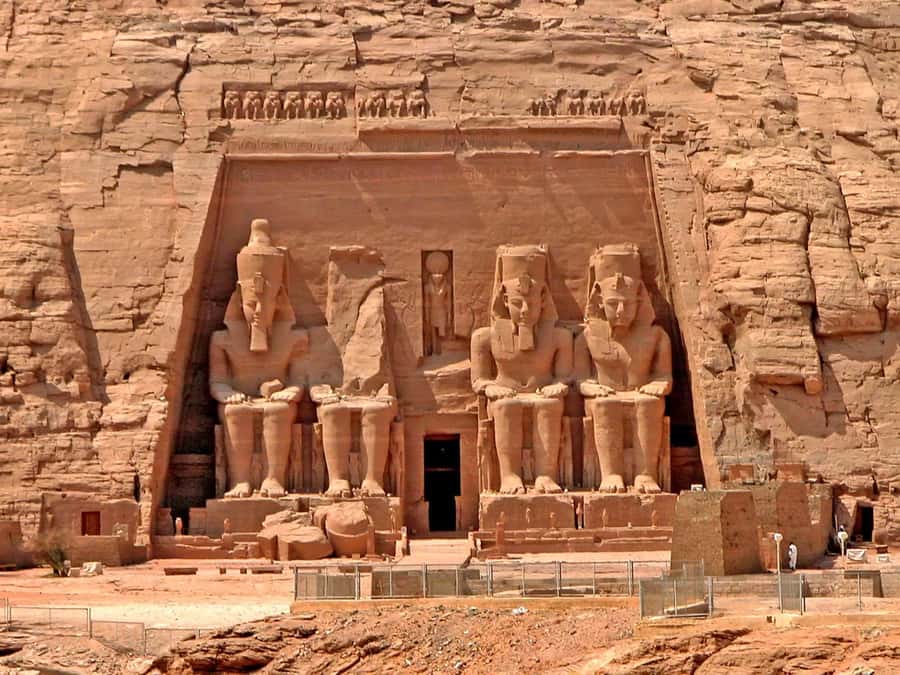
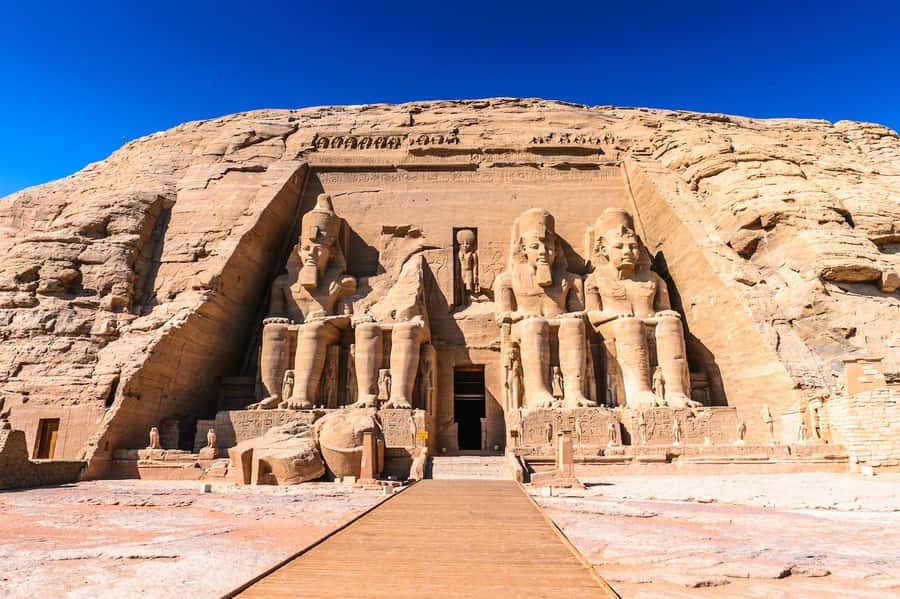
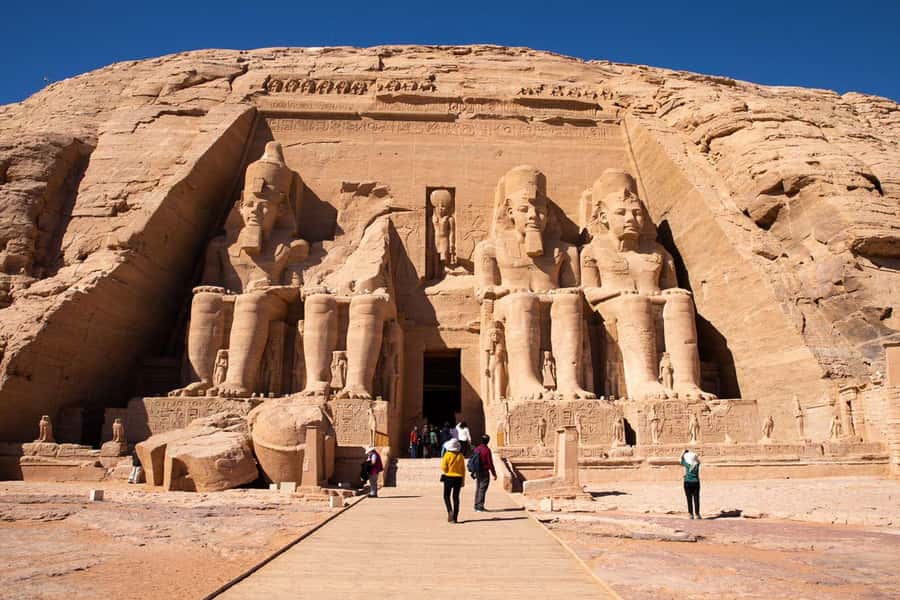
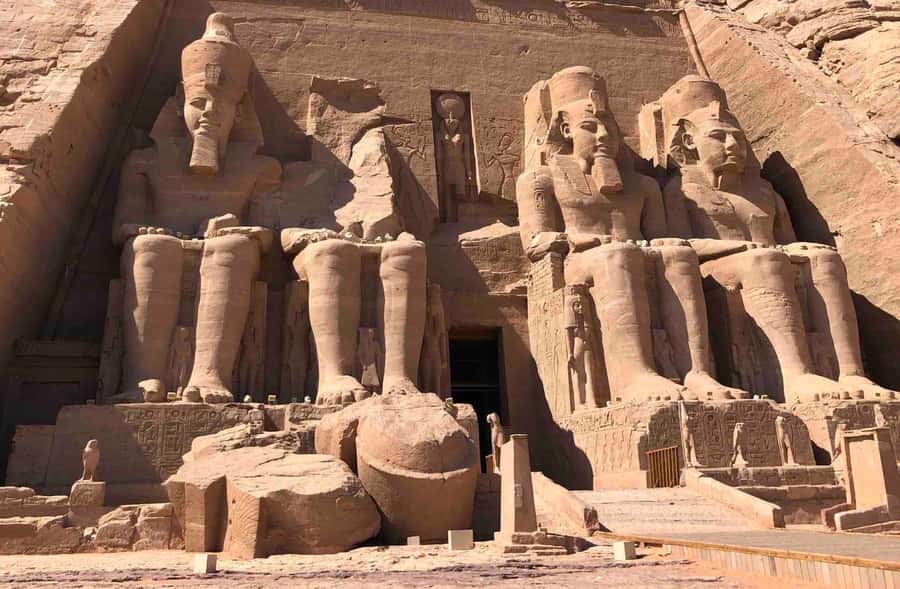
This isn’t just another temple stop. It’s built into a sandstone rock cliff and carries the heavy, royal statement you’d expect from Ramses II. When you’re standing in front of the façade, you’re looking at deities carved into a monumental front wall—exactly the kind of work that’s hard to “get” from photos, but easy to feel in person because of the sheer scale.
Also, don’t rush past the smaller details. Even if you only catch a slice, pay attention to the way the carvings and figures hold their presence across the façade. The monument is designed for distance viewing, then rewarding for the closer second glance.
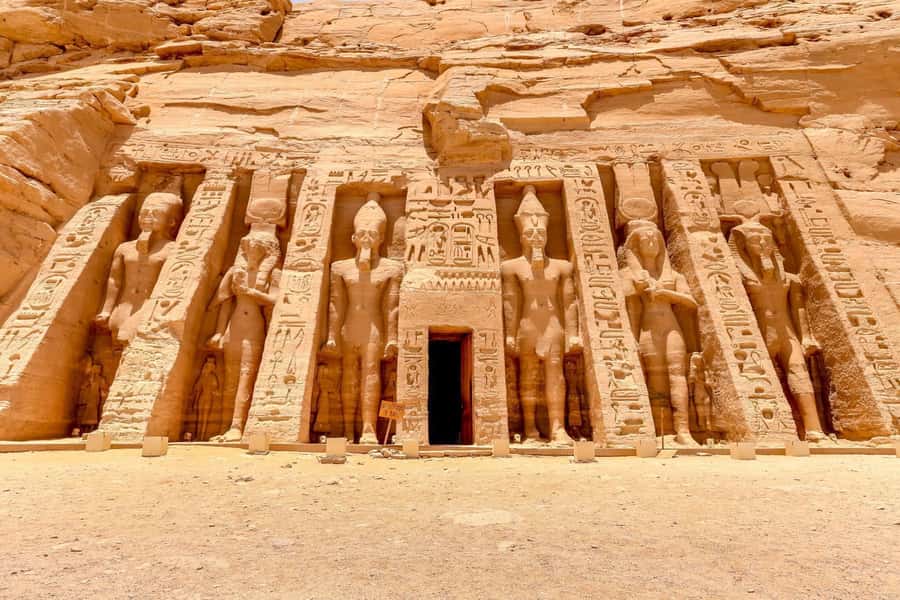
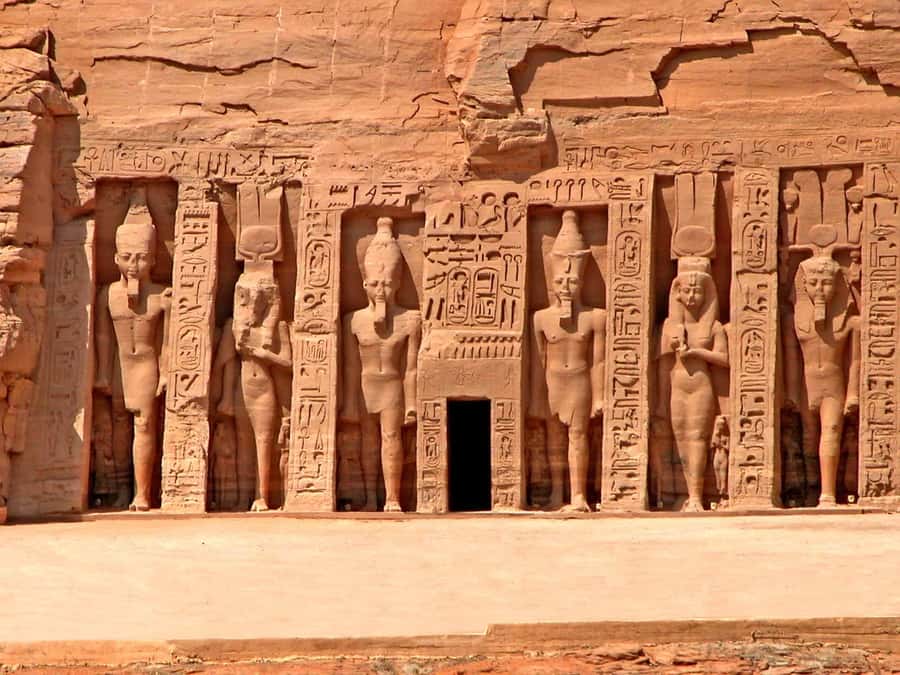
Right after, you’ll continue to the Small Temple of Nefertari, dedicated to the Goddess Hathor. It’s a good contrast stop: you’re shifting from the main Ramses staging to a more specific religious focus. If you like seeing how Egyptian royal power expressed itself differently across spaces, this pairing is a strong one.
A quick scheduling note: this kind of full-day temple run is why domestic flights are so valuable. It helps keep Abu Simbel from turning into an exhausting, end-of-trip slog.
Overnight at Pyramisa Isis Hotel: Rest, Then Reset
You’ll drive to your hotel in Aswan for the night. This tour includes an overnight stay at Pyramisa Isis Hotel with breakfast.
Hotels are always the wild card on multi-city tours. Most feedback is positive about accommodations and views, but there are also a few mixed comments in the set: one mentions drainage issues in a shower; another mentions hotel disorganization and even an added charge despite the package being included.
So here’s my practical advice: before you leave the hotel desk, confirm what’s been included and don’t assume the front desk will always interpret your booking the same way you do. It takes two minutes and can save you a headache later.
Also, plan for an early next day. Abu Simbel days often run long, and sunrise energy doesn’t come from magical springs. It comes from sleep.
Luxor West Bank: Valley of the Kings and Deir el-Bahari Views
After breakfast, you transfer to Luxor. The next segment is the West Bank, where the pace slows in a good way because you get time to focus on tomb and temple complexes.
The headliner here is the Valley of the Kings, the burial ground for tombs of different dynasties. Even if you’ve read about it before, being inside the valley zone changes everything. You understand why this location was chosen: it feels isolated, purposeful, and protected, with the kind of dramatic setting that makes tombs feel like they belong to eternity.
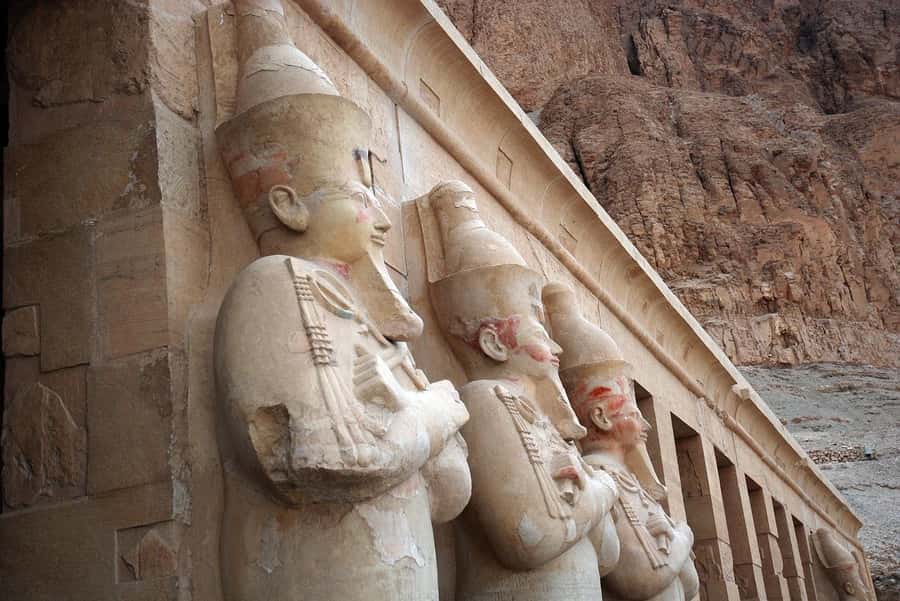
In the same West Bank run, you’ll also have a stop connected to Deir el-Bahari, the temple area often associated with Hatshepsut. That pairing is smart: tomb valley + temple terrace gives you a more complete picture of how different Egyptian rulers staged death and worship in the same region.
Practical tip: bring water and expect sun. The tour structure is tight, so you won’t always have long breaks.



Colossi of Memnon and Hatshepsut’s Temple: The Stone That Holds Time
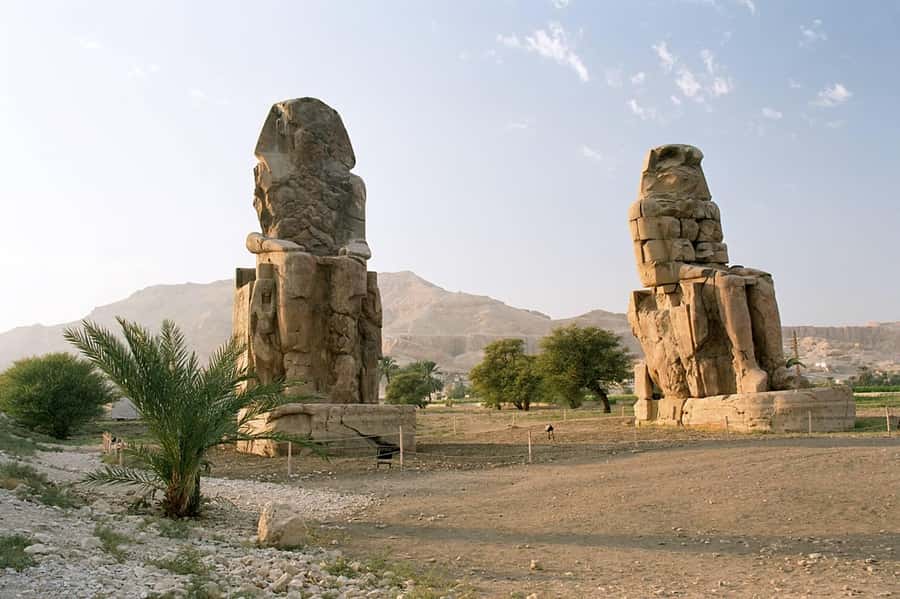
Next up are the Colossi of Memnon—two gigantic sitting statues facing the Nile. They’re one of those places where your brain struggles at first because the scale is so out of proportion. The statues are the kind of landmark you remember even if you forget everything else you learned in a museum.
Then you’ll visit the Temple of Queen Hatshepsut, which is described as majestic for a reason. The temple gives you a chance to slow down and look at a royal project designed to be seen as much as used. If you like architecture that’s both functional and dramatic, this stop delivers.
One useful thing to know: West Bank sites can feel similar if you rush. So don’t. Pause long enough to notice how each monument’s layout guides sightlines and movement.
This is also where a strong guide makes a difference. In feedback, guides like Samir in Aswan and Shireen in Luxor are praised for being helpful and giving visitors time to enjoy the sites. If you get someone with that approach, you’ll get more out of the stone than just selfies.
Luxor Temple on the East Bank: A Big Stage in Granite
After the West Bank, you head to the East Bank for Luxor Temple.
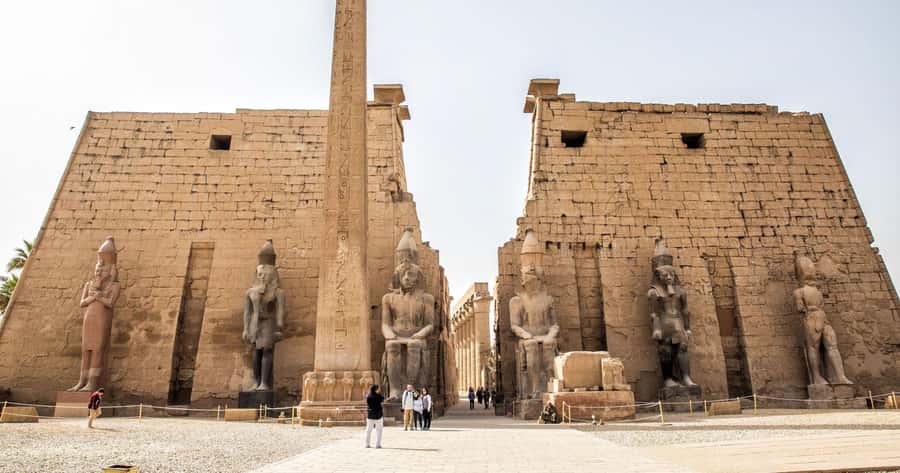
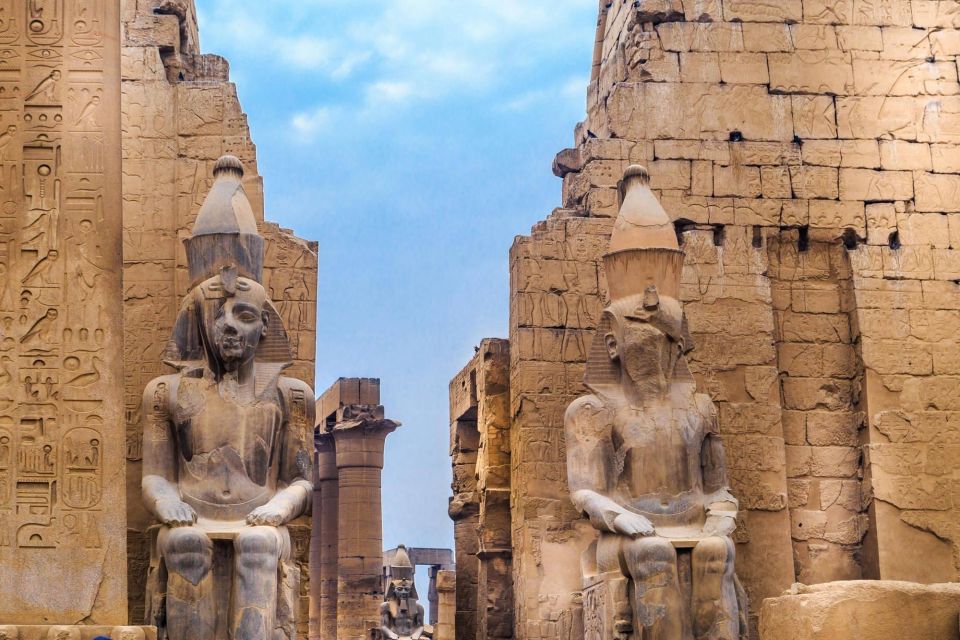
Luxor Temple is a great “day reset” because you’re shifting from tombs and cliffs to a temple complex that feels like it was built for processions. You’ll stroll through the courtyard and see granite statues of Ramses the Great.
This stop works well even if you’re tired, because the layout is easier to follow than some of the outlying temple grounds. It’s a good place to regain your orientation before the tour’s final big act.
If you’re the type who likes taking in a site without constantly checking your watch, this is the moment to breathe for a minute.
Karnak Temple with the Avenue of Sphinxes and Hypostyle Hall’s 134 Columns
Then comes Karnak Temple, and it’s the part many people remember most because it feels endless.
You’ll start along the Avenue of Sphinxes. That first approach is important because it gives you an instant sense of scale. From there, the tour continues to the unfinished Propylon—a reminder that building in ancient Egypt took planning, time, and changing political priorities.
Next is the Hypostyle Hall, where the headline is the 134 gigantic columns. You don’t just see columns. You experience weight and rhythm—repetition that makes the room feel like it stretches farther than your eyes can handle.
Finally, you’ll see the obelisks of Queen Hatshepsut. That’s a nice historical anchor: even inside a massive complex shaped by many reigns, you still get clear moments tied to specific rulers.
If you’re visiting in hot season, Karnak can become a battle of sun versus shade. The hall itself offers relief, and it’s one reason Hypostyle Hall is worth prioritizing instead of treating it as a quick stop.
Price and Logistics: Is $815 Good Value?
Let’s talk money, because this is not a budget trip.
At $815 per person, the value comes from what’s included, not just the total number. You’re getting:
- Domestic flights Cairo–Aswan–Luxor–Cairo
- Air-conditioned transfers in a car
- Entrance fees and a live Egyptologist guide
- A 4-star hotel night with breakfast
- Lunch
- A private group setup, plus skip-the-ticket-line
If you tried to replicate this independently, the flights plus entrance costs plus guide time would likely add up fast. Where it can feel pricey is if you’re the type who wants lots of free time for wandering, or if you’re traveling very slowly. This tour is made for people who want the essentials packed into a short window.
Also remember: not every part is equal in comfort. There are early mornings and lots of transfers. One review even flagged unsafe driving (speeding and sudden maneuvers) and noted improvement after raising concerns. That’s a reminder: if anything about driving feels off, speak up right away. It’s your safety.
On the plus side, many accounts rate the organization highly for punctual transfers and smooth handling. Drivers and guides get named for professionalism and care, including folks like Hamood, Ali, and Mostafa, plus guides Khaled and Ahmed Omar in Luxor, and Ahmed Eid and Ahmed El Bob in other parts of the experience.
If you can handle a fast schedule and you care about seeing Abu Simbel plus Luxor without a longer southern Egypt trip, this price starts to make sense.
Should You Book This Abu Simbel and Luxor 2-Day Tour?
Book it if:
- You have limited time and you want Abu Simbel and Karnak in one compact plan
- You prefer a guide-led route with skip-the-line support
- Domestic flights make your travel life easier
- You’re okay with a busy itinerary and early starts
Maybe skip or look for something slower if:
- You hate rushed days and want lots of unstructured time
- You’re sensitive to long transfers and frequent site changes
- You’re worried about hotel consistency. The included 4-star stay is generally liked, but a few reviews mention cleanliness or billing hiccups.
If you do book, go in with the right mindset: this is a “best-of” sprint, not a slow travel meander. When it works, it’s a powerful way to see Upper Egypt’s greatest hits without needing a full Nile cruise.
FAQ
How long is the Cairo to Abu Simbel and Luxor tour?
The experience is listed as lasting 10 hours, and it includes an overnight stay in Aswan as part of a two-day itinerary.
Does the tour include domestic flights?
Yes. Flights are included for the route Cairo–Aswan–Luxor–Cairo.
Is this tour private, and what languages are available?
It’s a private group tour. The live guide is available in English, Spanish, German, and Arabic.
What’s included in the price?
The package includes transfers in an air-conditioned car, a tour guide, entrance fees, lunch, one night in a 4-star hotel with breakfast, domestic flights, and meeting/pickup support.
What should I bring?
Bring your passport or an ID card.
Can I cancel for a refund?
Free cancellation is available up to 3 days in advance for a full refund.