REVIEW · CAIRO
Explore Egypt 8 Days Include Bob Marley Guesthouse Accommodation.
Book on Viator →Operated by Bob Marley Tours & Operator Egypt · Bookable on Viator
A week in Egypt, neatly organized. This Cairo-to-Luxor-to-Aswan route is built to make the huge Egyptian “wow factor” feel doable, with a private guide and the big sights grouped by geography. You’ll move with a plan, but still keep room to adjust your pace.
What I really liked is the Bob Marley Guesthouse angle—staying put in one place instead of constant hotel switching. The trip is also set up with meals and accommodation included, which matters when you’re juggling flights, early starts, and long days at monuments.
One drawback to consider: the fine print lists private transport and an air-conditioned vehicle as not included, so you’ll want to confirm what your day-to-day vehicle situation looks like and how you’ll handle transfers and site entry timing.
In This Review
- Quick Hitters Before You Go
- First Night in Cairo: Getting Oriented at Bob Marley Guesthouse
- Cairo to Luxor by Air: Karnak and Luxor Temple, Plus a Nile Cruise Start
- Valley of the Kings Day: Hatshepsut, Colossi of Memnon, and the Luxor Tempo
- Edfu and Kom Ombo: Temple Days That Feel Like Chapters
- Aswan Highlights: Philae Temple Complex, High Dam, and the Two-Dam Story
- Abu Simbel by Day Trip and Back to Cairo by Flight
- Pyramids and Egyptian Museum on Day Seven: Your Cairo Finale
- Value and Logistics: What the $500 Price Really Buys
- Who This Tour Fits Best (And Who Should Think Twice)
- Should You Book This Bob Marley Cairo-to-Aswan Tour?
- FAQ
- How many days is the tour?
- Where does the tour start and end?
- Is the tour private?
- What’s included in the price?
- What’s not included?
- Do I get a ticket on my phone?
- Is Bob Marley Guesthouse accommodation part of this experience?
- Are guides available during the trip?
- What is the cancellation policy?
Quick Hitters Before You Go
- Bob Marley Guesthouse accommodation included for an easy base during your Cairo and cruise timing
- Pickup in Cairo helps you start without the usual first-day stress
- Nile cruise built into the itinerary so the river becomes part of the experience, not just a backdrop
- Private guide + customization means you can focus more on the temples, the museum, or the day trips
- Flights between cities cut down the backtracking and keep sight days efficient
- Major “anchor stops” include Karnak, Valley of the Kings, Philae, and Abu Simbel
First Night in Cairo: Getting Oriented at Bob Marley Guesthouse
Cairo can be a lot on day one. Even if you’re excited, the streets, traffic, and sheer size of the city make it easier when someone else handles the early logistics. This tour starts and ends in Cairo, with a meeting point around Downtown Cairo (Bab Al Louq area / Abdeen), so you’re not trying to solve navigation from scratch.
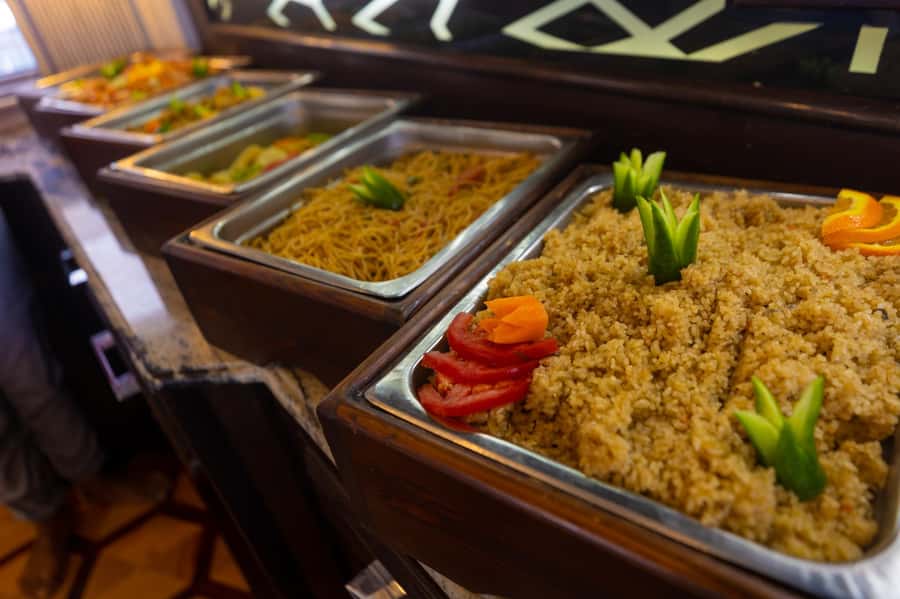
Staying at the Bob Marley Guesthouse (and Bob Marley house vibes, as people describe it) is part of what makes the trip feel human. Based on prior guests’ experiences, the place is kept clean and comfortable, and the food is a real part of the welcome, not an afterthought. That means you can recover after a day of arriving, exchanging money, and figuring out your first Egyptian evening.
Practical tip: bring modest, breathable clothing for daytime and something warmer for evenings. Even when days feel hot, the indoor temperatures and early morning air can swing.
You can also read our reviews of more tours and experiences in Cairo.
Cairo to Luxor by Air: Karnak and Luxor Temple, Plus a Nile Cruise Start
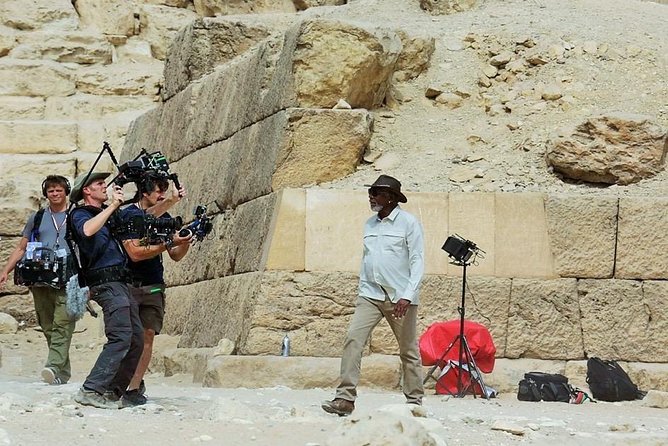
The first big transition happens quickly—this itinerary uses a flight to get you from Cairo to Luxor. That saves hours compared with overland travel, and it’s a big reason the trip can pack in so many monuments without feeling like you’re always on the move.
Once in Luxor, you’ll hit Karnak Temple and Luxor Temple. Karnak is the kind of place where you feel scale immediately: towers of stone, layered halls, and carvings that reward slow attention. Luxor Temple hits differently—more intimate, more of an evening-walk feel, and a strong reminder that Egypt’s monumental architecture wasn’t just built for one era.
Then the Nile cruise becomes your mobility tool. Instead of returning to a hotel after temple time, you get to shift from land-hopping to living on the river for part of the journey. It’s also a great way to break up long days with calmer transitions.
If you love planning your photos: Luxor temples tend to be best when the light softens and crowds shift. Ask your guide what timing makes sense for your pace.
Valley of the Kings Day: Hatshepsut, Colossi of Memnon, and the Luxor Tempo

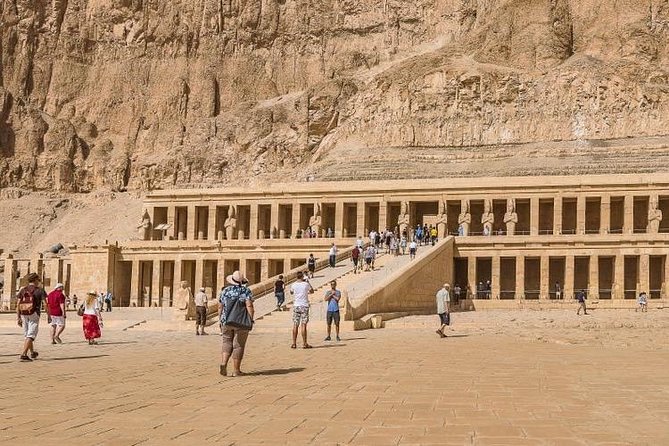
Luxor continues with a heavy-hitter lineup. You’ll visit the Valley of the Kings, plus Hatshepsut Temple (often written as Hatsheput), and the Colossi of Memnon. This is the day where the tour’s private guide really earns their keep—because the monuments are impressive, but the story is what makes them stick in your brain.
The Valley of the Kings is compact in area but huge in impact. Even if you’re not a hardcore museum person, you’ll likely enjoy how the site is arranged for exploration and how your guide connects the tombs with the beliefs and politics of the time.
Hatshepsut’s temple is striking for a different reason: it feels like a statement of power and legitimacy built into the landscape. The Colossi of Memnon, meanwhile, give you that iconic image—massive figures with a sense of endurance. It’s also a nice contrast after the tomb valleys: you move from hidden chambers to monumental stone guardians.
A practical note: this kind of day can involve walking surfaces that feel uneven or dusty. Wear shoes with grip, and plan to hydrate. Your guide will help keep you moving, but it’s still a long day.
Optional add-on you should confirm: many Egypt trips in this style also include a Luxor hot air balloon sunrise and sometimes other activities like ATV-style outings. If those are on your wishlist, don’t assume they’re automatically included—ask upfront so you can budget and time it correctly.
Edfu and Kom Ombo: Temple Days That Feel Like Chapters
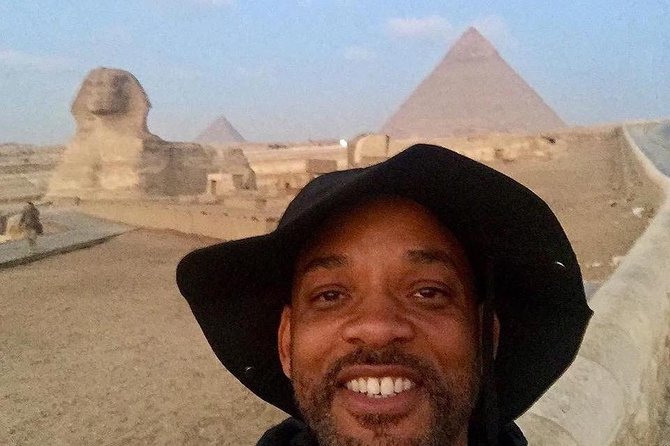
After Luxor, the itinerary continues downriver with Edfu and Kom Ombo. This is where the Nile cruise turns from transport into rhythm. You wake up near one stop, and later you’re in the next with less friction than a constant hotel shuffle.
In Edfu, you’ll see the Horse Temple (Temple of Horus). This temple is often a favorite because it’s so visually “complete” for a classic Egyptian temple experience—your guide can point out architectural and symbolic details that are easy to miss if you’re just looking for general wow.
Then comes Kom Ombo Temple, a stop that many people find satisfying because it feels like stepping into a different mood while staying within the same ancient worldview. The combo of Edfu and Kom Ombo also helps because they’re linked geographically. You’re not jumping back and forth; you’re building a line of monuments you can remember as one sequence.
Drawback to keep in mind: temple days often come with long stretches where the sun is doing the heavy lifting. Bring a hat, use sunscreen, and plan for pauses when you need them. A private guide helps here because you can adjust, not just endure.
Aswan Highlights: Philae Temple Complex, High Dam, and the Two-Dam Story
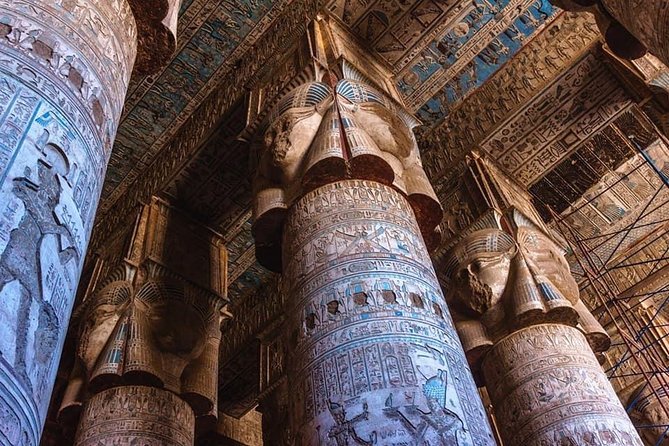
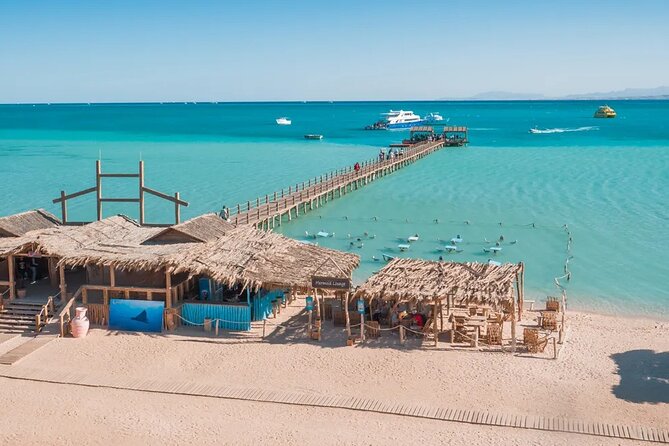
Aswan is where the trip starts to feel more “river real.” You’ll visit the Philae temple complex, plus the High Dam and the Old Dam. Philae is a standout because it feels like a temple complex with atmosphere—stone, water, and a sense of sacred space. Your guide’s job here is vital: it’s easy to feel awed, harder to understand what you’re seeing unless someone explains the context.
The dam stops are also a good balance. Temples are the headliners, but the High Dam and Old Dam visits add a modern layer to the Nile story. You get to see how the river has shaped Egypt’s past and how Egypt has shaped the river’s impact in return.
This is also a nice day for slowing down. You’ve already done several big “monument blocks,” so Aswan can feel like a calmer pause that still hits key landmarks.
Practical tip: if you’re sensitive to long travel days, use Aswan to catch your breath. The itinerary’s structure helps—you’re still sightseeing, but you’re not constantly sprinting to the next city.

Abu Simbel by Day Trip and Back to Cairo by Flight
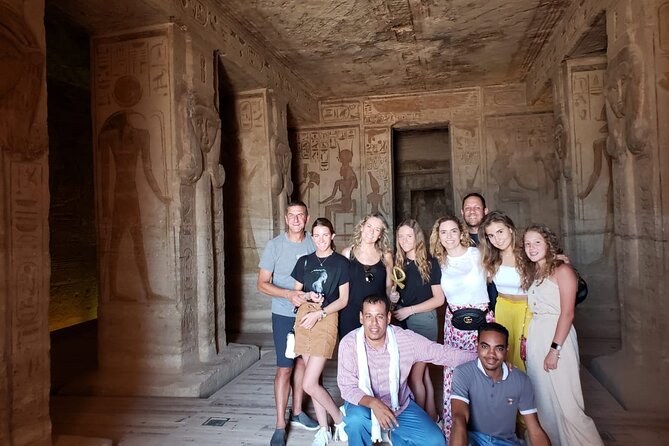
The itinerary includes Abu Simbel in Aswan, plus a flight back to Cairo afterward. Abu Simbel is one of those places where you understand why people plan entire trips around it. The scale and the effort involved in getting there makes it feel like an event, not just a stop.
Because it’s a major day, this is also the moment to check your energy. The site visit is worth it, but don’t schedule extra add-ons the same day unless your guide confirms timing works.
Flying back to Cairo keeps your last part of the trip efficient. Instead of losing a full day to transportation, you get back in time for the big Cairo finale.
Small but helpful advice: start hydrating early on day trip days. Waiting until you feel thirsty is how you end up miserable at the worst possible time.
Pyramids and Egyptian Museum on Day Seven: Your Cairo Finale
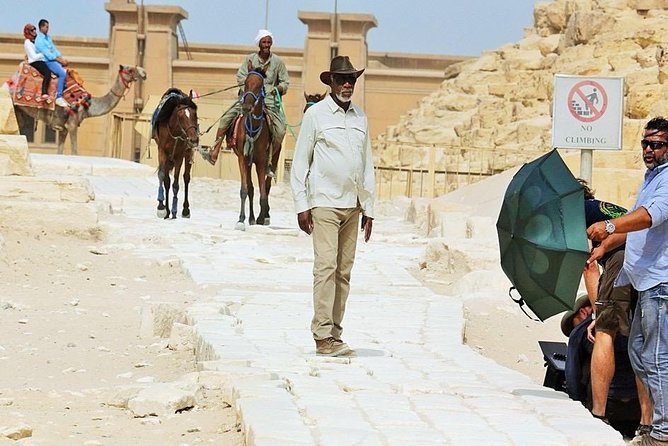
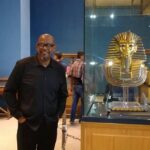
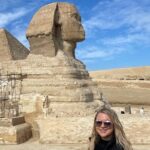
Your final full sightseeing day in Cairo is built around two headline anchors: the pyramids and the Egyptian Museum. This pairing works well because it gives you two ways to connect to ancient Egypt. The pyramids deliver the instant visual impact; the museum helps you attach names, objects, and timeline context to what you’ve been seeing.
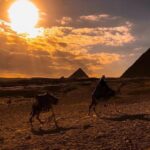
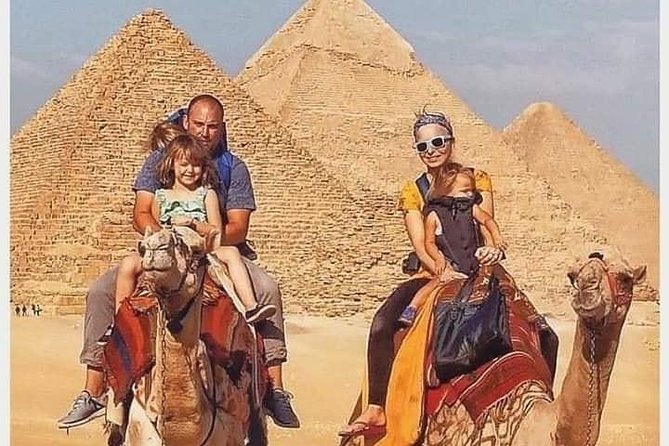
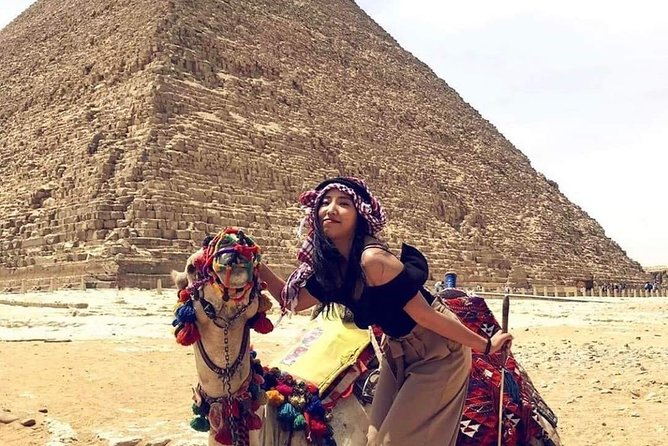
The pyramids portion is also where you’ll likely have choices—timing, photo angles, and possibly classic extras. Some visitors note that camel rides can be part of the experience when you opt in. If that interests you, ask your guide how to handle it safely and what the practical setup is for your visit.
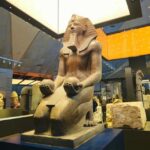
At the Egyptian Museum, pace matters. If you try to power through everything, you’ll remember less. A private guide can help you focus on the objects most likely to click for you, based on what you find interesting.
Practical tip: if you’re taking photos, keep a charging plan. Egypt sun + phone cameras drain batteries faster than you expect.
Value and Logistics: What the $500 Price Really Buys
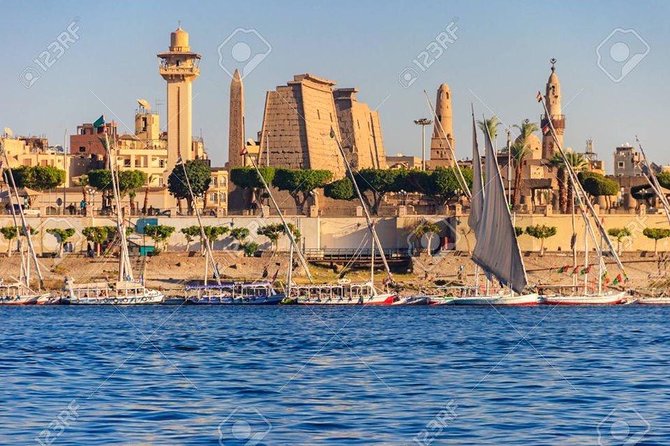
This tour is listed at $500 per person, and it’s the kind of price that only makes sense when you look at what’s bundled. The itinerary includes flights between major stops, a Nile cruise, and guided visits. It also includes accommodation and meals, which is where many budget itineraries quietly fall short.
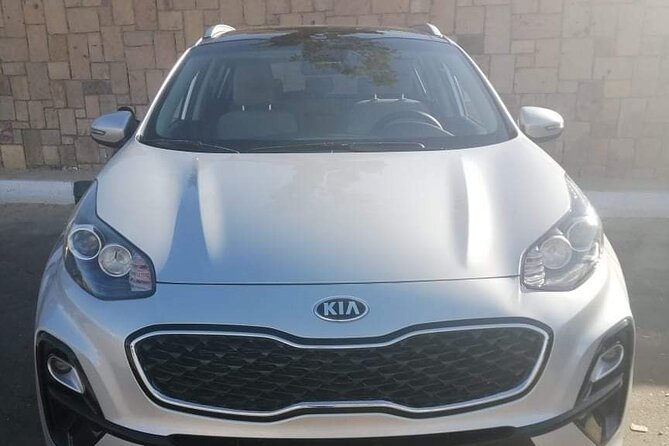
Where you’ll want to be alert: the details say private transportation and an air-conditioned vehicle are not included. That doesn’t mean you’ll have a terrible experience, but it does mean you should verify how transfers work day to day. Ask your organizer:
- What vehicle type you’ll use for city pickups and temple days
- Whether you’re getting AC during longer rides
- How long transfers usually take between stops
The trip also uses mobile tickets and includes a private guide. That combination helps you avoid the most annoying travel friction: standing around, guessing lines, and repeating questions with multiple staff members.
Also: this is a private tour/activity, so it’s only your group. That tends to make the pace feel more comfortable—especially if you want to customize how long you spend at each site.
Who This Tour Fits Best (And Who Should Think Twice)
This tour fits best if you:
- Want a guided, private plan without doing all the logistics yourself
- Like a strong lineup of famous sites, but still want your day to feel flexible
- Care about comfort enough to have accommodation and meals handled
- Are okay with early starts and long sightseeing days (Egypt rewards effort)
It might not be the best fit if you:
- Hate car transfers and want every ride to be climate-controlled
- Prefer totally independent exploration with zero structure
- Need a plan that can be changed easily, since the experience is non-refundable and not amendable for any reason under the policy provided
If you’re a solo traveler, there’s an extra angle to consider: guests describe feeling safe and comfortable with the Bob Marley team. That’s often one of the biggest hidden values of a private, arranged route in Egypt.
Should You Book This Bob Marley Cairo-to-Aswan Tour?
If your goal is to see the pyramids, Luxor, Aswan, and Abu Simbel without building an itinerary from scratch, this is a smart way to do it. The big value points are the Nile cruise structure, the private guide, and the fact that accommodation and meals are part of the package. For many people, that’s what turns Egypt from a stressful dream into a smooth, memorable week.
I’d book if you confirm two things first: how ground transport works for your dates (especially the AC question) and whether your key add-ons—like a hot air balloon—are included or need arranging. If those answers line up with your comfort level, this trip is a strong match for a classic Egypt circuit done in a practical, human way.
FAQ
How many days is the tour?
The itinerary is listed as an 8-day package starting and ending in Cairo.
Where does the tour start and end?
It starts and ends in Cairo, with a meeting point in Downtown Cairo around Bab Al Louq and Abdeen.
Is the tour private?
Yes. It’s a private tour/activity, meaning only your group participates.
What’s included in the price?
The overview says the package includes accommodation, flights, an expert guide, meals, transport, and more. The included items list also shows lunch and breakfast (2).
What’s not included?
Private transportation and an air-conditioned vehicle are listed as not included.
Do I get a ticket on my phone?
Yes. The tour offers a mobile ticket.
Is Bob Marley Guesthouse accommodation part of this experience?
Yes. The experience is specifically described as including Bob Marley Guesthouse accommodation, and guests also reference staying at the Bob Marley house.
Are guides available during the trip?
Yes. The tour includes an expert guide, and guests mention professional guides who speak English.
What is the cancellation policy?
This experience is non-refundable and cannot be changed for any reason.