REVIEW · CAIRO
Egypt in 9 Days from Saturday to Sunday including tours and Dahabeya Nile trip.
Book on Viator →Operated by Oxen of Egypt Tours · Bookable on Viator
Big monuments, zero herd chaos. What makes this trip appealing is the way it pairs a private Luxor day with an early sunrise balloon moment over the West Bank. One thing to plan for: key site tickets are not included, so your total spend will go up on top of the tour price.
I also like that the pace is built around smart timing, not just checklists. You get an organized flow from Cairo to Luxor, then down to Aswan, and finally onto a Nile dahabeya where meals are handled—so you can actually enjoy the water and the views.
In This Review
- Key things that make this trip worth your time
- The Big Picture: Cairo to Luxor to Aswan, Then the Nile by Dahabeya
- Day 1 Arrival in Cairo: Your First Day Is for Getting Your Bearings
- Giza Pyramids and Saqqara: One Day for the Most Famous Names
- The Museum and Coptic Cairo Before Your Flight to Luxor
- Valley of the Kings at Sunrise: Where the West Bank Feels Cinematic
- Karnak Temple and the Train South to Aswan
- Abu Simbel Early Morning and Philae at Night
- Dahabeya Check-In: Sailing Days That Actually Feel Like a Break
- Edfu by Horse Carriage: Best-Preserved Temple Meets River Rhythm
- Back to Luxor and Home: Your Final Transfer Day
- What $2,800 Covers (and What You’ll Want to Budget for)
- The Guide Factor: Timing and Explanation Are the Real Luxury
- Who This Trip Fits Best (and Who Should Rethink)
- Should You Book This Private 9-Day Egypt Route?
- FAQ
- What is the tour duration and when does it run?
- Where does the trip start?
- Is this a private tour?
- Are the plane tickets included?
- Are site entrance tickets included?
- Is the Cairo hotel included?
- What’s included on the Nile dahabeya?
- Are hotels included in Luxor and Aswan?
- Does the itinerary include a balloon ride?
- Is free cancellation available?
Key things that make this trip worth your time
- Private Luxor touring built for your group, not a rotating crowd
- Sunrise balloon add-on planned early, weather permitting
- Nile dahabeya with meals included for a smoother, lower-effort cruise day
- East and West Bank highlights packed into realistic chunks
- On-the-ground guiding focused on explaining what you’re seeing, in plain English
- Water and snacks provided so you’re not stuck rationing yourself mid-sightseeing
The Big Picture: Cairo to Luxor to Aswan, Then the Nile by Dahabeya
This is an efficient route that keeps you moving without feeling like you’re sprinting nonstop. The overall structure is simple: Cairo for iconic start-of-Egypt energy, Luxor for the temple-and-tomb core, Aswan for desert-side drama and Nubian highlights, then the river cruise portion where the days slow down just enough to feel like a vacation.
Because it’s private for your group, you don’t lose time to herding adults with daypacks into the same photo line. You still need patience—Egypt is Egypt—but the difference is how your day is paced.
And yes, it includes multiple early starts. That’s not a dealbreaker, but it does mean you should be the type of traveler who likes getting the best light before it gets hot and crowded.
You can also read our reviews of more tours and experiences in Cairo.
Day 1 Arrival in Cairo: Your First Day Is for Getting Your Bearings
Day one is built as a reset day. You land in Cairo, meet the representative outside the airport hall with a name sign, and go straight to your Cairo hotel.
Then you’re free to relax. That matters because Cairo can feel like a lot on day one—traffic, noise, light, and the first wave of historical sights all at once. This format helps you show up fresh for the next morning’s big-ticket monument day.
Giza Pyramids and Saqqara: One Day for the Most Famous Names
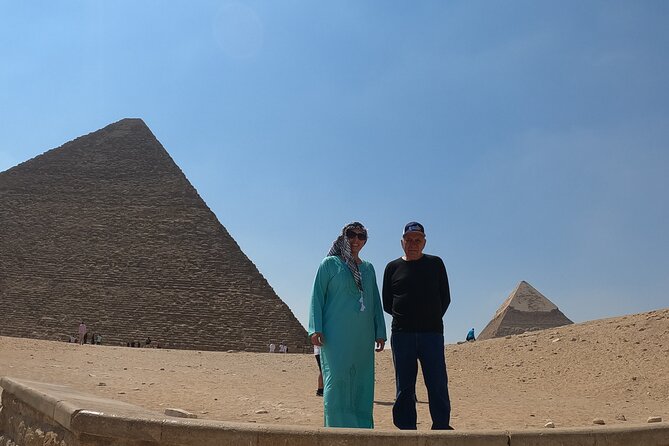
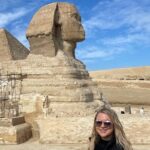
On day two, you start with Giza pyramids. You’ll explore one of the largest structures ever built, dating to around 2571 BC over roughly 23 to 27 years. It’s the kind of sight that looks familiar from books, and then somehow still feels real once you’re standing there.
After lunch, you continue to Saqqara, which is home to the oldest pyramid in Egypt and often treated as a masterpiece of early pyramid design. Practically, this is a smart pairing because it gives you both the headline monument and the deeper context in one shot.
What to expect: walking time under strong sun, with lots of people nearby. If you’re sensitive to heat, plan your hydration strategy early. Also remember that tickets for these sites are not included in the package price.
The Museum and Coptic Cairo Before Your Flight to Luxor
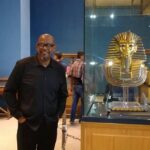
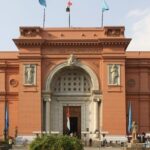
Day three switches gears. You visit the Museum of Egyptian Antiquities, with thousands of artifacts collected from across Egypt. Even if you know the basics, this museum stop helps make what you’ll see in Luxor feel less like random temple rooms and more like a connected story.
Then you go to Coptic Cairo to see sites tied to early Christianity, including the Hanging Church. It’s a nice change of pace from the pharaonic world, and it gives you a broader picture of how layers of history stack up in one city.
After lunch, you transfer to Cairo airport for an evening flight to Luxor. That means your day is structured to minimize wasted time, but you do need to stay aware of your flight timing and any boarding deadlines. Overnight is in Luxor, setting you up for an early West Bank day.
Valley of the Kings at Sunrise: Where the West Bank Feels Cinematic
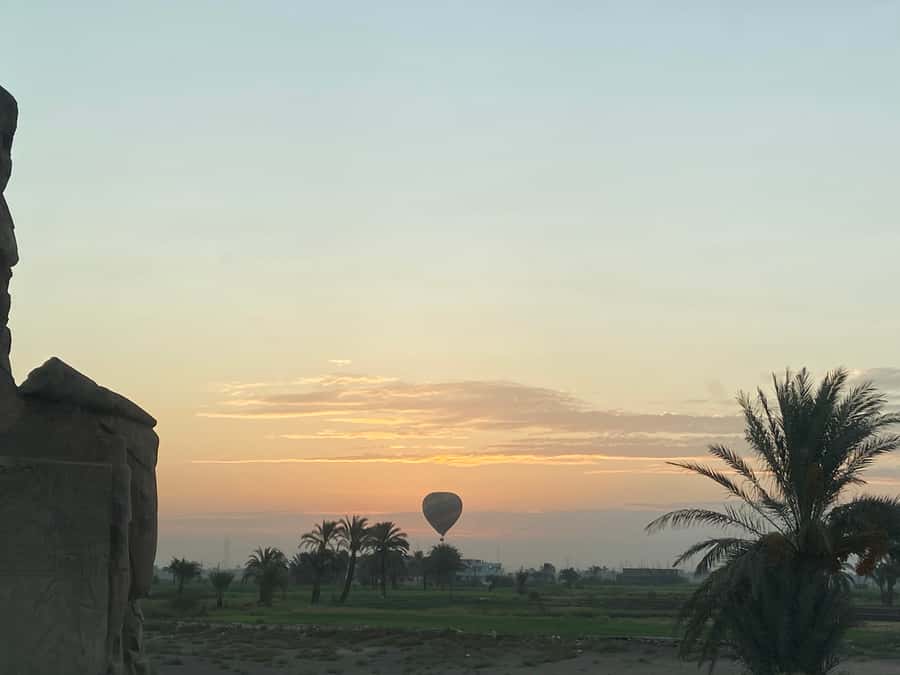
Day four is the classic Luxor West Bank focus, and it starts early—with an early sunrise balloon ride planned over the monuments. If weather doesn’t cooperate, the experience may be adjusted since the tour depends on good conditions.
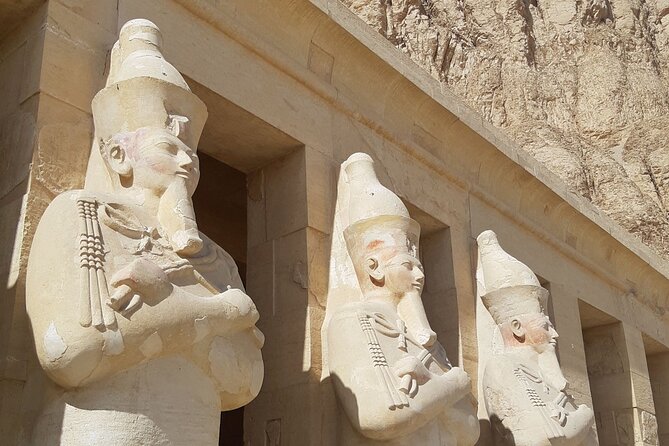
Once you’re grounded, you head into the Valley of the Kings, where more than 62 tombs from the New Kingdom era have been discovered. Then you visit the Mortuary Temple of Hatshepsut, with its distinctive design and colorful presentation. A quick stop at the Colossi of Memnon breaks up the long archaeological flow.
Why this works: you’re hitting the most meaningful zones in the right order—starting with the high-impact tomb landscape, then moving to a major temple complex, then finishing with the iconic statue moment. It’s built for attention, not fatigue.

Karnak Temple and the Train South to Aswan
On day five, you go to Karnak Temple, described as the second largest temple in the world. Expect huge halls, massive columns, and a visual experience that’s hard to process because there’s just so much stone.
After lunch, you move on to Aswan via an evening train. Overnight is in a 4-star hotel in Aswan on a bed-and-breakfast basis. This is one of those logistical choices that keeps travel days from eating all your energy. You’re not stuck spending the entire afternoon in transit, and you arrive in Aswan with enough day left to enjoy the next day’s plans.
Abu Simbel Early Morning and Philae at Night
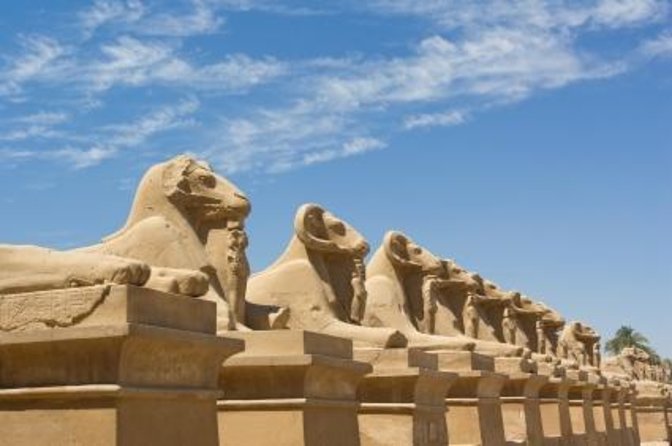
Day six starts with an early trip to Abu Simbel, built by Ramses II and widely considered one of Egypt’s most impressive temple complexes. This is the day where you feel the scale of what ancient Egypt pulled off—far from the capital, in a place that now feels remote.
Back in Aswan, you have lunch, then in the evening you visit Philae Temple for a sound and light show. The island temple was dismantled and moved to Agilika when the Aswan low dam flooded the original site. That detail matters. It turns what could feel like a casual show into a story about preservation under modern pressure.
Practical tip: evening shows can still be cool depending on season. If you’re the type who runs cold, bring a light layer. You’ll thank yourself during the waiting and while you’re watching.
Dahabeya Check-In: Sailing Days That Actually Feel Like a Break
Day seven is where the trip starts to feel like a river holiday instead of a museum sprint. You drive to the dahabeya, check in, and start sailing north.
Lunch is on the sailing portion, then later you stop at Kom Ombo in the afternoon. Kom Ombo’s temple is tied to the god Sobek and reflects Ptolemaic period influences. You’ll also notice the special location feeling—this isn’t just a temple on a map; it’s part of the river scene.
After Kom Ombo, you continue to Gabal El Silsila, a sandstone quarry area where temple blocks are associated with being cut for different kings. Dinner and overnight happen on the boat.
Why this part is valuable: you’re seeing Egypt’s monuments, but you’re also getting time on the water where you can decompress. It breaks up the brain-tax of nonstop entry fees, lines, and translating information.
Edfu by Horse Carriage: Best-Preserved Temple Meets River Rhythm
Day eight starts with breakfast while sailing toward Edfu city. You visit the Temple of Horus using horse carriage. The temple is described as the best-preserved structure in Egypt and it’s dedicated to Horus from the Ptolemaic period.
Around lunchtime you return to the boat, then keep sailing to a nearby island. Dinner and overnight are again on board.
A quick note: horse carriage is part of the plan, so factor in comfort and weather. If you’re sensitive to animal carriage time, plan to keep the visit short in your mind and focus on the temple itself. And as always, sun protection matters more than you think, even if you’re moving.
Back to Luxor and Home: Your Final Transfer Day
Day nine is your wrap-up. After breakfast, you check out of the boat and drive toward Luxor city for about an hour. Then you transfer to Luxor airport to fly back to Cairo.
A representative meets you at Cairo airport and helps with the transfer onward to your destination. Then it’s the end of the service, with plenty of memories and photos to sort through.
This structure is smart because it avoids stacking one last huge sightseeing day on top of a travel day. You get closure without exhaustion.
What $2,800 Covers (and What You’ll Want to Budget for)
At $2,800 per person, this isn’t a cheap trip. So here’s the value angle that matters.
Included features that justify the price:
- Air-conditioned vehicle transport through key segments
- Two nights on the Nile dahabeya with all meals and soft drinks included
- 4-star hotels (bed and breakfast) in Aswan and Luxor
- A guided route that focuses on major Luxor sights and the important stop-and-see blocks across Cairo, Luxor, and Aswan
- For the Luxor touring portion, the experience notes snacks and bottled water provided for you
Costs you should plan on adding:
- Tickets for mentioned sites are not included, estimated around USD 150 per person
- Plane tickets are not included
- Cairo hotel accommodation is not included (you’ll be paying for this separately)
When the math makes sense: if you want a private pace, you value guided interpretation, and you want the dahabeya days handled for you. If you’re the type who prefers renting a car, building your own schedule, and skipping guides entirely, you may find a cheaper DIY route. But if your goal is a smooth, high-effort-to-relaxation ratio, this price starts to feel more logical.
The Guide Factor: Timing and Explanation Are the Real Luxury
One thing that tends to define a good Luxor guide is not just knowing dates. It’s how the day feels: who you can talk to, how clearly you understand what you’re looking at, and whether you get stuck in crowd pressure at every turn.
For this route, the Luxor portion is set up for a more intimate atmosphere. That’s also where guides like Samar—described as enthusiastic, energetic, and strong in English—tend to shine. Multiple people highlight that the visits were timed well, especially for the Valley of the Kings, so you’re not fighting peak crowd conditions the whole time. You also see repeated mention that water is managed and the guide is patient with questions.
Even if you don’t match with a specific guide name, look for these traits: clear explanations, calm pacing, and flexibility. This itinerary is packed enough that a great guide makes it feel organized instead of frantic.
Who This Trip Fits Best (and Who Should Rethink)
This is best for you if:
- You want a private experience with major Luxor sights without the feeling of being dragged by a large group
- You like early starts when it buys you better conditions
- You want the dahabeya segment to be part of the value, not a separate thing you have to plan
- You’d rather understand what you’re seeing than just photograph it
It might not fit if:
- You strongly dislike early mornings (balloon day, Abu Simbel morning)
- You don’t want to handle ticket budgets on top of the tour price
- You prefer building your own plan and managing transport independently
Should You Book This Private 9-Day Egypt Route?
I’d book it if your priority is efficiency with comfort: a Cairo intro, real Luxor East/West moments, Aswan’s standout sights, and a dahabeya cruise where meals are handled. The private format and the guide-led timing are the kind of upgrades you feel in your feet and your patience.
But do book with eyes open. Tickets not included, Cairo lodging not included, and the schedule relies on weather for the sunrise balloon plan. If you can handle early mornings and you want a guided route that reduces decision fatigue, this one is a strong match.
FAQ
What is the tour duration and when does it run?
The trip runs for about 9 days, scheduled from Saturday to Sunday.
Where does the trip start?
It starts in Cairo. On arrival day, a representative meets you outside the airport hall with a sign showing your names and transfers you to your hotel.
Is this a private tour?
Yes. It’s private, meaning only your group participates.
Are the plane tickets included?
No. Plane tickets are not included.
Are site entrance tickets included?
No. Tickets for the mentioned sites are not included and are estimated at around USD 150 per person.
Is the Cairo hotel included?
No. Cairo hotel accommodation is not included.
What’s included on the Nile dahabeya?
You get 2 nights on the Nile dahabeya with all meals and soft drinks included.
Are hotels included in Luxor and Aswan?
Yes. The tour includes 4-star hotels with bed and breakfast in Aswan and Luxor.
Does the itinerary include a balloon ride?
The schedule includes an early morning balloon ride to watch sunrise over the West Bank monuments.
Is free cancellation available?
Yes. You can cancel up to 24 hours in advance for a full refund, with timing based on the experience’s local time.