REVIEW · CAIRO
Egypt 9 Days- Cairo Pyramids and Nile Cruise from Luxor to Aswan and Abu Simbel
Book on Viator →Operated by Look at Egypt Tours · Bookable on Viator
Egypt can feel huge. This 9-day loop ties it together fast. I like the all-in-one coverage of Cairo, Luxor, Aswan, and Abu Simbel, and I like that you’re guided by a qualified Egyptologist. The main thing to consider is the pace: you’ll pack in major sites with few true pause moments.
This tour is built for people who want structure without guesswork. Pickup, hotels, cruise, entry fees, and most meals are handled, and the group stays small (max 15 people). If you’re the type who wants a lot of free time between monuments, you may feel the schedule more than you’d like.
Still, the route makes sense. You start in Cairo, move into the temples on the Nile’s east and west banks, then finish with the big wow factor of Abu Simbel—followed by Philae—and your return flight back to Cairo.
In This Review
- Key takeaways before you go
- A “see-it-all” route that fits first-timers and history fans
- Day 1 in Cairo: transfer, check-in, and an easy first night
- Day 2: Giza Plateau, Sphinx, Saqqara Step Pyramid, and Memphis
- Day 3: Egyptian Antiquities Museum, Khan el-Khalili, and Coptic Cairo
- Day 4: Karnak Temple and Luxor Temple on the Nile’s east bank
- Day 5: Valley of the Kings, Hatshepsut at Deir el-Bahari, and Colossi of Memnon
- Day 6: Temple of Horus and the double temple at Kom Ombo
- Day 7: Abu Simbel plus Philae—two big finishers
- Day 8: Cruise check-out and back to Cairo
- Day 9: Final airport transfer and departure
- Price and what you really get for $2,895 per person
- Hotels, cruise, and the comfort factor that affects everything
- Guides and small-group days: how the tone stays human
- What’s included (and what you should plan for)
- Should you book this 9-day Egypt tour with Cairo pyramids and a Luxor-to-Aswan Nile cruise?
- FAQ
- What is the duration of this tour?
- Where does the tour start and how does it end?
- What’s included in the price?
- Are Abu Simbel and Philae included?
- Is tipping included?
- How large is the group?
Key takeaways before you go
- Small group (max 15): fewer people to fight for time at stops.
- Egyptologist-guided throughout: explanations you can actually use on the ground.
- Pyramids + Step Pyramid combo: one day that spans Old Kingdom ambition.
- Nile cruise from Luxor to Aswan: you’re traveling through the story, not just visiting it.
- Abu Simbel included: the rare detour most shorter tours skip.
- Pickup and drop-off included: less time figuring out logistics.
A “see-it-all” route that fits first-timers and history fans
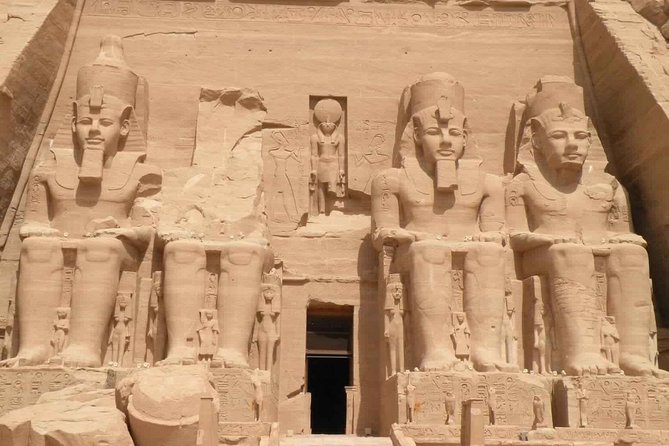
This is a classic Egypt sweep with a big advantage: it’s not one city only. You get Cairo’s iconic landmarks and museums, then the Nile-world of Luxor and Aswan, then the remote-feeling targets like Abu Simbel.
If you like having a plan and want to hit the headline sights without juggling tickets or timing, you’ll probably appreciate how the day-to-day flows. And because the tour includes entry fees for the listed sites, you won’t be stopping mid-trip to sort out paperwork.
The value also shows in how the tour combines land time with a luxury Nile cruise. That split matters because you’re not constantly switching hotels city to city.
You can also read our reviews of more boat tours in Cairo



Day 1 in Cairo: transfer, check-in, and an easy first night
On arrival, assistance meets you to handle formalities. Then you’re transferred to your hotel for the night, with the day keeping things simple.
This is a good setup for your first evening because you can focus on rest. The next day starts with a big, early concentration of sites.
Day 2: Giza Plateau, Sphinx, Saqqara Step Pyramid, and Memphis
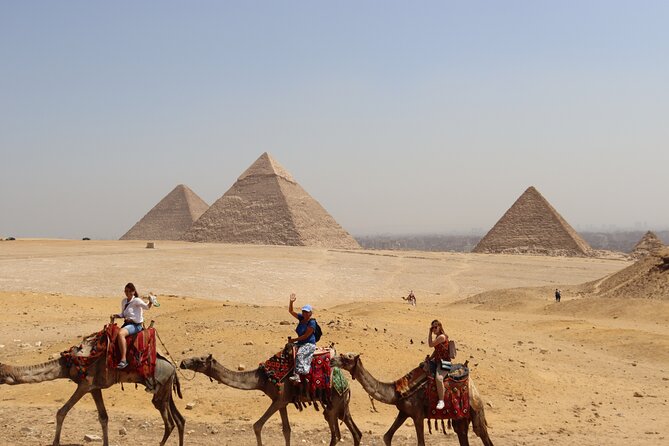
This is the day for Egypt’s early monument power.
Giza Plateau and the Pyramids + Sphinx
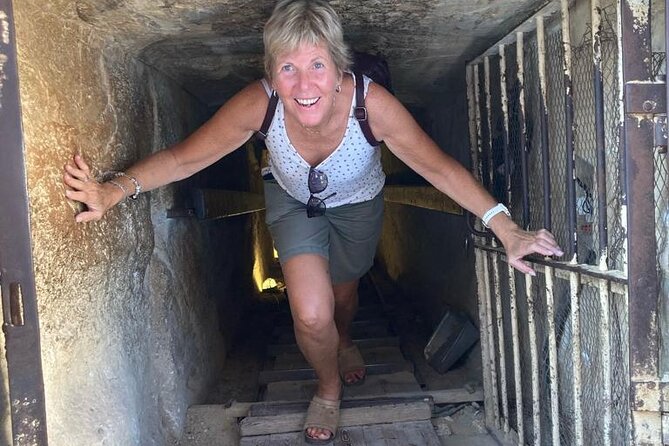
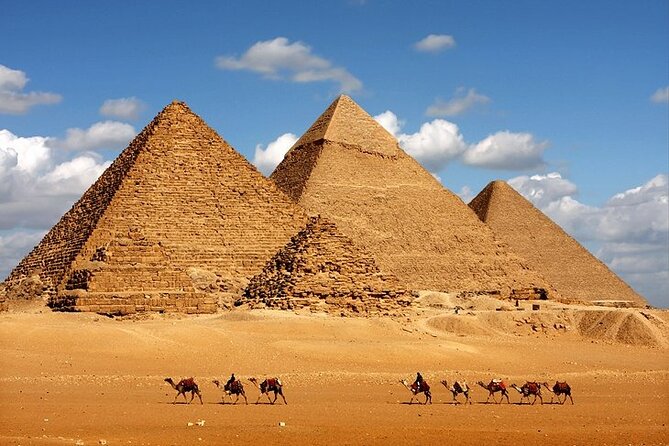
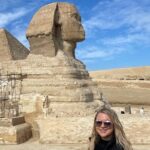
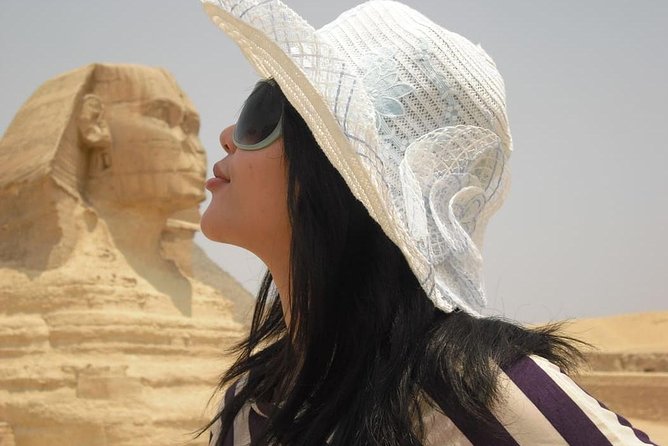
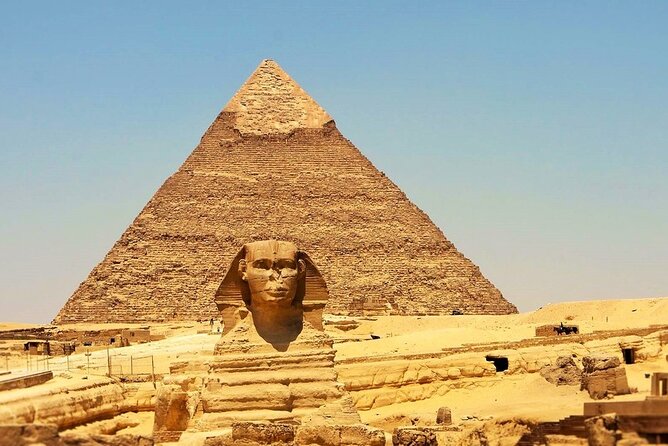
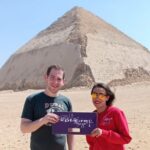
You’ll visit the Pyramids of Giza, including time at the Great Pyramid and the chance to get inside the queen Pyramid. You’ll also see the Sphinx and then take photos with the view that made it famous.
Practical note: this day is built around time inside major sites, so it’s the kind of day where you’ll want to pace yourself. Even with a guide, it moves quickly because the pyramids and Sphinx are big in both scale and crowd attention.
Saqqara (Step Pyramid) and Memphis
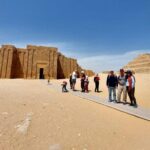
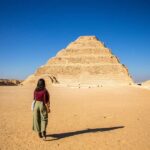
After Giza, you move to Saqqara for the Step Pyramid of King Djoser, often described as Egypt’s oldest major pyramid type. The visit is the perfect “bridge” from the monumental idea of the pyramids to the step-by-step engineering that led there.
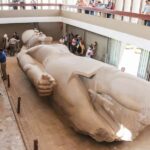
Then you head to Memphis, the first capital of Egypt, plus the Mit Rahina Museum area. It’s a strong pairing because Memphis gives you the context of power and governance behind the stone.
Day 3: Egyptian Antiquities Museum, Khan el-Khalili, and Coptic Cairo
This day adds a different kind of meaning: seeing artifacts and layers of religion and culture in the same broad trip.
Museum of Egyptian Antiquities (Egyptian Museum)
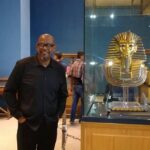
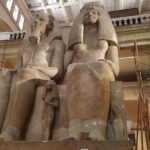
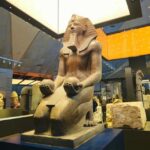
You’ll visit Cairo’s Museum of Egyptian Antiquities, which holds a very large collection (120,000 items, with a representative portion displayed). For first-timers, this is often the quickest way to connect what you saw outside—temples, tomb design, royal symbols—to objects you can actually examine.
Khan el-Khalili bazaar
Then the tour shifts to Islamic Cairo at Khan Al-Khalili, one of the city’s main souk areas. It’s a different rhythm from museums and monuments: you’re walking, looking, and getting a feel for daily life in a historic market district.
Coptic Cairo
Finally, you go into Old Cairo’s Coptic zone, which includes sites like the Hanging Church and other churches connected with the tradition of the Holy Family’s visit. This stop helps balance the trip, since the tour’s earlier days focus strongly on ancient Egypt and royal monuments.
If you like a variety of “eras” in your sightseeing, this is a smart day. It prevents Cairo from feeling like only pyramids and glass cases.
Day 4: Karnak Temple and Luxor Temple on the Nile’s east bank
Now you shift from Cairo’s city feel to Luxor’s temple scale.
Temple of Karnak
Karnak is a vast complex dedicated mainly to Amun, with origins going back to about 2000 BC. The place is famous for how many parts it has, so your guide’s explanations matter because there’s a lot to notice across the different buildings.
Luxor Temple
Next comes Luxor Temple, built around 1400 BCE on the east bank of the Nile. This stop adds a more specific “temple city” feeling compared with the wider sprawl of Karnak.
In a practical sense, this is a day where you’ll benefit from taking pauses to look upward and not just forward. Temple design is meant to be read, not just seen.

Day 5: Valley of the Kings, Hatshepsut at Deir el-Bahari, and Colossi of Memnon
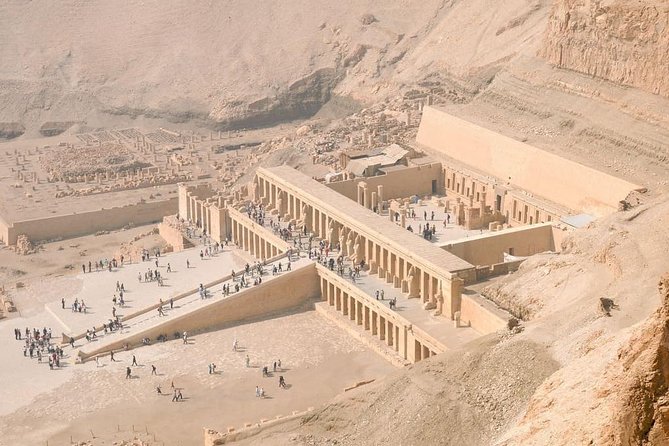
This is one of the most satisfying days on the itinerary because it combines royal tombs, a major female pharaoh’s monument, and iconic statues.
Valley of the Kings
You’ll visit the Valley of the Kings on the west bank, across from Thebes. The valley is within the Theban Necropolis area, split into east and west valleys—so even within the valley itself, there’s a sense of layered space.
If tomb-focused history is what you came for, this is the anchor stop. Admission is included, and the guide helps make sense of what you’re seeing.
Temple of Hatshepsut at Deir el Bahari
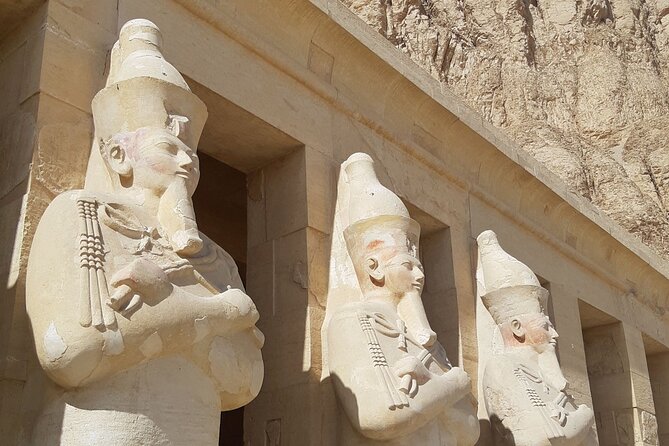
Then comes Deir el-Bahari and Hatshepsut’s mortuary temple. You’ll learn why Hatshepsut’s temple is so distinctive, since it’s built into the cliffs and tied to the 18th Dynasty.
Colossi of Memnon
To wrap up the day, you’ll see the Colossi of Memnon: two massive stone statues of Amenhotep III. One of the best parts of this stop is how quickly it registers in your mind—big shapes, clear silhouettes, and a strong sense of scale.
Day 6: Temple of Horus and the double temple at Kom Ombo
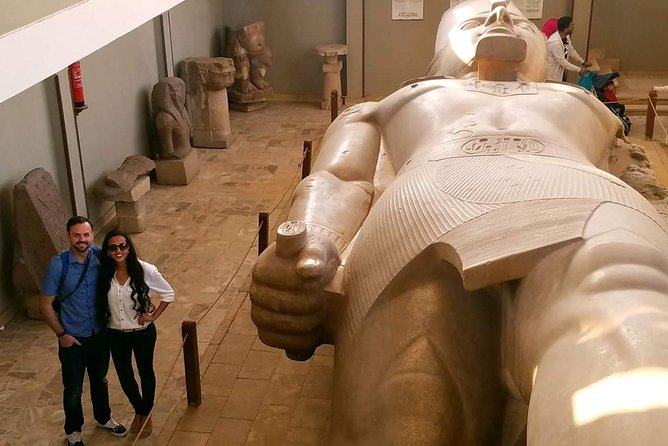
This is a day for temple design that feels unusual and fun to compare.
Temple of Horus (Edfu)
You’ll visit the Temple of Horus, described as one of the most preserved temples in Egypt, dating to Ptolemaic time. Even without knowing the backstory, the structure can feel like a carefully planned story in stone.
Temple of Kom Ombo
Next is Kom Ombo, famous for being a double temple. One side is dedicated to Sobek (the crocodile god), with links to fertility and creation themes, along with Hathor and Khonsu on the southern half.
The comparison effect is real here: you can see how the tour keeps widening the “temples and theology” map you built earlier.
Day 7: Abu Simbel plus Philae—two big finishers
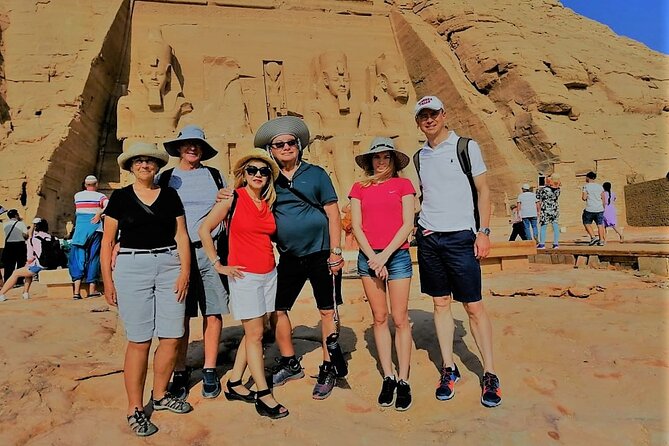
This is a heavy-hitter day, and it’s also the kind of day that can define whether your trip feels magical or rushed.
Abu Simbel Temple Complex
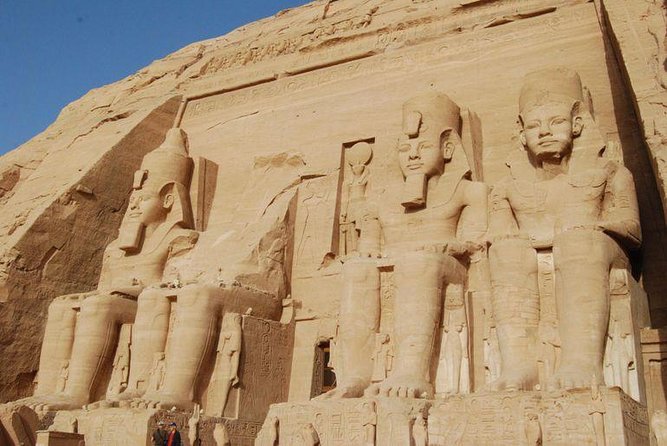
You’ll go to Abu Simbel, a pair of massive rock temples near Lake Nasser, about 230 km southwest of Aswan. The temples are on the western bank of Lake Nasser, and they sit in a remote-feeling setting near the Sudan border.
The sheer effort to reach Abu Simbel is part of the value. It’s not just a stop—it’s the “big moment” that many shorter cruises leave out.
Philae Temple
Then you’ll visit Philae, on an island in the reservoir downstream of Aswan Low Dam and Aswan Dam. The temple complex originally was near the First Cataract and is connected with Egypt’s island temple tradition.
If you want your last Nile days to feel complete, this pairing works well: one site is the giant remote spectacle (Abu Simbel), and the other is the island temple setting around the Nile’s changing geography (Philae).
Day 8: Cruise check-out and back to Cairo
After breakfast, you check out of the cruise and fly back to Cairo. Then you’re transferred to a hotel to relax.
This day works as a mental break after temple intensity. You’ve still got activity, but you’re not adding another full day of monuments.
Day 9: Final airport transfer and departure
After breakfast, you’ll have a transfer to Cairo International Airport for your final departure. It’s a clean ending, with the focus on getting you out smoothly.
Price and what you really get for $2,895 per person
The price—$2,895 per person—can look high until you break down what it covers. This tour includes 4 nights at a 5-star hotel on a bed-and-breakfast basis and 4 nights on a luxury Nile cruise on a full-board basis. It also includes entry fees for the major listed sites, plus meals: 8 breakfasts, 6 lunches, and 4 dinners.
You’re also getting qualified Egyptologist guidance and hotel/port pickup and drop-off. For many people, that’s where the value lands: not in one ticket line, but in removing the time cost of figuring things out.
Two practical things to keep in mind:
- Tipping for guides and drivers is not included, so you’ll want to budget for that.
- The schedule is tight. You’re paying for density and organization, so if you want slow sightseeing, this may feel like too much.
Hotels, cruise, and the comfort factor that affects everything
Because you’re staying in 5-star accommodation for Cairo nights and switching to a luxury cruise for the Nile portion, you’ll likely feel less strain than you would on a basic-budget plan. Rest matters when you’re doing major sites across multiple days.
Also, the cruise component changes how you experience the Nile segment. Rather than packing and changing hotels repeatedly, you’re traveling while your itinerary unfolds.
Guides and small-group days: how the tone stays human
The tour keeps groups to a maximum of 15 travelers, which is a meaningful difference on famous sites. Smaller groups tend to mean more attention and faster problem-solving when plans meet real-world timing.
The best sign is that the tour uses Egyptologists and experienced support. From feedback tied to this company, I’ve heard good things about guides such as Mahmoud, Remon, and Mustafa—and if you’re lucky enough to be paired with someone like them, you’re likely to get clearer explanations of what you’re looking at.
What’s included (and what you should plan for)
Included:
- Qualified Egyptologist guide
- Hotel/port pickup and drop-off
- 4 nights 5-star hotel (B&B)
- 4 nights luxury Nile cruise (F&B)
- Entry fees for mentioned sites
- Meals: 8 breakfasts, 6 lunches, 4 dinners
Not included:
- Tipping for guides and drivers
Should you book this 9-day Egypt tour with Cairo pyramids and a Luxor-to-Aswan Nile cruise?
I’d book this if your goal is to get the headlines plus the big payoff sites, with guidance that helps you understand what matters. You’ll like it if you want a structured plan from Cairo to Luxor to Aswan, including Abu Simbel and Philae, without needing to build your own transportation and ticket strategy.
I wouldn’t book it if you want lots of unscheduled time. This is a “hit the key sights” route, and that means fewer slow breaks.
If you’re comfortable moving from one landmark to the next and you value included entry fees and meals as part of the deal, this tour has strong value for a first-time Egypt visitor.
FAQ
What is the duration of this tour?
It runs for 9 days (approx.).
Where does the tour start and how does it end?
It starts with pickup assistance in Cairo (start time listed as 8:00 am) and ends with a transfer to Cairo International Airport for your final departure.
What’s included in the price?
The tour includes a qualified Egyptologist guide, hotel/port pickup and drop-off, 4 nights at a 5-star hotel (B&B), 4 nights on a luxury Nile cruise (F&B), entry fees for the listed sites, and meals including 8 breakfasts, 6 lunches, and 4 dinners.
Are Abu Simbel and Philae included?
Yes. Abu Simbel Temple Complex and Philae are both included as part of the tour.
Is tipping included?
No. Tipping for guides and drivers is not included.
How large is the group?
The tour has a maximum group size of 15 travelers.