REVIEW · ASWAN
Day Tour to Abu Simbel from Aswan by Bus
Book on Viator →Operated by Here Egypt Tours · Bookable on Viator
You wake up before the alarm just to see two massive temples. This Abu Simbel day trip from Aswan is built for one thing: getting you there early in air-conditioned comfort for the Great Temple of Ramses II visit, with history explained by an Egyptologist guide.
I like that the trip is genuinely door-to-door from your Aswan hotel or Nile cruise, so you’re not playing taxi roulette at 4:00 am. I also like that you’re not left to wander—your guide helps you make sense of what you’re seeing, including the gods named in the Ramses II temple and where the best wall art/hieroglyphs are hiding.
One thing to weigh: this is a long, early day, and you can end up with less than ideal temple time if the van runs late. Also, temple entry fees are not included, so you’ll pay extra on top of the tour price.
In This Review
- Key things that make this day trip work
- Why Abu Simbel Starts at 4:00 am (and why that’s a good thing)
- A/C mini bus pickup: smooth when it’s on time
- The Egyptologist guide: how the story clicks while you’re there
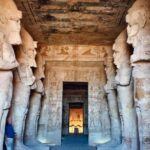
- Great Temple of Ramses II: where the wall art does the talking
- Temple of Hathor: the time-saver that still feels huge
- The road time: long hours, but built-in breaks help
- Price and value: what $52 actually buys
- Private for your group, but still a busy day at the temples
- Who this Abu Simbel bus trip suits best
- Should you book this Abu Simbel day trip?
- FAQ
- How long is the Abu Simbel day tour from Aswan?
- What time does the tour start?
- Does the tour include temple entrance fees?
- Where will pickup happen in Aswan?
- Is the group tour private or shared?
- Do I need an internet connection to use the ticket?
- What is the cancellation window?
Key things that make this day trip work
- 4:00 am start from Aswan, timed for a worthwhile visit rather than a late-day rush
- A/C mini bus transfers plus pickup and return to your hotel or cruise
- Egyptology guide on-site, with explanations that turn carvings into a story
- UNESCO and the flood-saving effort behind Abu Simbel’s survival and relocation
- Temple entry is your expense, not included in the $52 price
- Private for your group, even though you’re still in a bigger bus-convoy atmosphere at the site
Why Abu Simbel Starts at 4:00 am (and why that’s a good thing)
The day starts around 4:00 am because Abu Simbel is far enough from Aswan that waiting until later would basically waste the whole day. You’re traveling in the dark, then hitting the site when energy levels are low but the schedule is finally on your side.
The upside is that you get a proper temple visit window instead of arriving after the best hours have passed. One review even described the drive as about a three-hour minivan ride, which matches the reality: you’re trading a slow morning for a full-on ancient stop. You also get that special feeling of arriving at a desert temple complex before most people are fully awake.
The tradeoff is fatigue. This is not a leisurely tour. It’s a bus ride plus guided viewing, with a set amount of time for both temples. If you’re the type who gets cranky when plans shift, you’ll want to go into it with a calm, flexible mindset.
You can also read our reviews of more tours and experiences in Aswan.
- 4-Days Nile Cruise From Aswan To Luxor including Abu Simbel and Hot Air Balloon
★ 5.0 · 3,142 reviews

A/C mini bus pickup: smooth when it’s on time
This trip runs on scheduled pickup and return transfers from your Aswan East bank hotel (and Nile cruises), with a door-to-door promise. The whole point is reducing decision-making: you’re picked up, driven out, guided through Abu Simbel, and returned.
Most reviews describe the experience as smooth and well-organized, including friendly drivers and guides who show up on time. At least one person specifically mentioned a driver who was on schedule and another who was helpful with the flow of the day.
Still, plan for the one thing Egypt travel can’t always control: road time and convoy traffic around the site. One review mentioned the group left Aswan nearly an hour late, which then squeezed the visit time down to about 75 minutes to see both temples. That doesn’t mean it will happen to you, but it’s the kind of risk you should keep in mind on any long-distance, fixed-time outing.
Practical tip: If you’re staying in a Nubian village or a place where the bus can’t get close to your door, you might need your hotel to handle the closest pickup point. One review warned that the bus can’t enter certain roads, so don’t assume pickup will be exactly at your exact entrance.
The Egyptologist guide: how the story clicks while you’re there
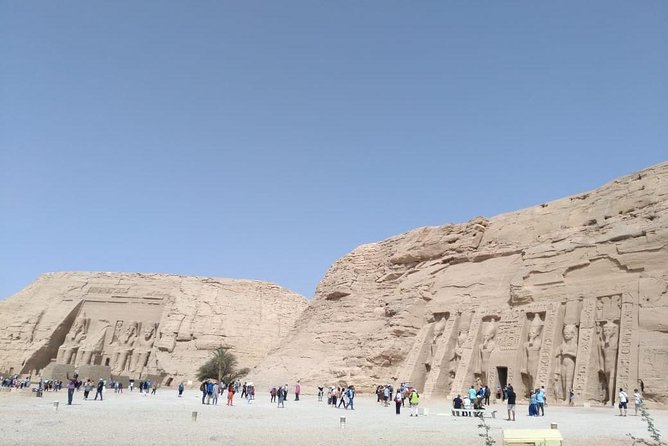
This tour includes an Egyptology guide during the Abu Simbel visit. And that matters, because Abu Simbel can look like impressive stone from a distance—until someone helps you connect the carvings to the meaning.
Here’s what the guide focus is built around:
- The Temple of Ramses II is tied to several universal gods—Ptah, Re-Her-Akhtey, Amun-Re—and also to Ramses II himself. Your guide helps you notice how the temple design supports that message.
- You’ll hear why Abu Simbel exists the way it does today. The temples are described as masterpieces of the New Kingdom era, and UNESCO and the Egyptian government cooperated to save the temples from floods that would affect more than 28 monuments.
- You’ll learn what to look for with the hieroglyphics and wall art. The experience description emphasizes carvings hidden in chambers and on the walls, and the guide’s job is to point them out so you don’t miss the best details while you’re busy taking photos.
Guide names show up in reviews too. People mentioned Spanish-speaking guides (one was named Jaled), and another person referenced a guide called Alcalde. There’s also a mention of Basant as helpful during the visit. Even if your guide’s language is different, the value is the same: you’ll spend less time guessing and more time understanding.
What I’d aim for: Ask one question early. Where do you want me to look first? When your guide answers, your whole visit tends to become easier.
Great Temple of Ramses II: where the wall art does the talking
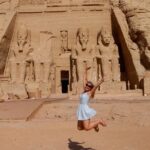
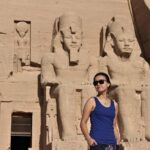
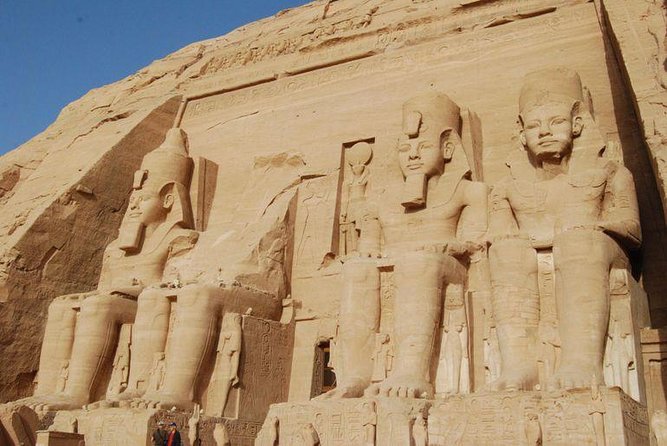
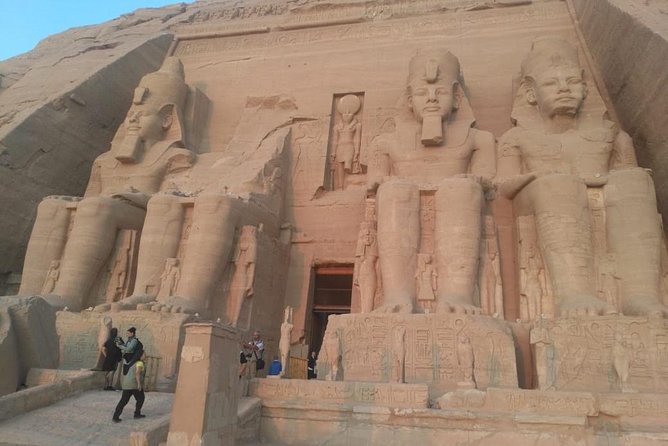
Your main temple stop is the Abu Simbel Temple Complex, with priority on the Great Temple of Ramses II. This is the one most people picture: giant facades, grand scale, and a temple that feels deliberately designed to impress.
The tour materials stress two things that are worth your attention as you walk in:
- The temple is associated with the gods and with Ramses II’s own role. That’s why you’ll keep hearing religious references rather than only dates and names.
- The walls and chambers are packed with statuary and hieroglyphs. The goal is not just to see big buildings—it’s to locate the carvings your guide points out.
If you’ve visited other Egyptian sites, you know how easy it is to get temple-fatigue: you see columns, you see walls, and then your brain goes on autopilot. This is where an actual guide route helps. You’re less likely to miss the “aha” moments—those spots where the artwork is telling a story, not just decorating space.
Timing reality: The visit is short compared to what you’d need for a slow, museum-style tour. So if you’re hoping for time to read everything yourself, you might want to take photos quickly and rely on the guide for what you can’t realistically absorb in one pass.
Temple of Hathor: the time-saver that still feels huge
The other major stop is the Temple of Hathor. The key detail is that entry to both temples isn’t included in the tour price, so you’ll plan for ticket time and payment at the site.
In reviews, the trip is often described as tiring but worth it. People also mention that the tour gives you time for pictures, which is important because Abu Simbel isn’t a place you’ll want to skip on the photo front. One review specifically described free time for pictures during the visit.
The biggest consideration isn’t whether Hathor is worth it. It is. The real issue is how tightly the day is scheduled. If everything runs perfectly, you’ll likely feel like you got your money’s worth. If there’s a delay—like the hour-late scenario mentioned earlier—you could end up with a compressed plan where you must choose between extra time in one temple or a quick glance in the second.
If you’re going for one thing: Let the guide show you the most meaningful sections first. Then use the remaining time to go back for the carvings you care about most.
- 4-Days Nile Cruise From Aswan To Luxor including Abu Simbel and Hot Air Balloon
★ 5.0 · 3,142 reviews


The road time: long hours, but built-in breaks help
You’re looking at roughly 8 hours total for the day. That includes early departure, the drive to Abu Simbel, guided temple time, and the return trip to Aswan.
Road time is the make-or-break part of Abu Simbel trips. The good news here is the ride is in an A/C mini bus, which matters a lot in Egypt. At least one review called out the A/C as very important.
Also, guides and drivers can make the day feel less brutal by building in practical pauses. One review mentioned water and restroom breaks during the outing. Those are small things, but on a day that starts at 4:00 am and runs all day, small things stop being small.
What you can do to make it easier:
- Bring a bottle of water (even if the guide stops).
- Wear comfortable shoes. You’ll do enough walking in two temples to notice if your feet aren’t happy.
- Have your camera charged early. You’ll likely be using it hard.
Price and value: what $52 actually buys
The tour price is $52.00 per person. For that, you get the big cost reducers: pickup and return transfers, A/C mini bus transport, and an Egyptology guide during the Abu Simbel visit. You also get a license for Abu Simbel and service charges/taxes are included.
What’s not included: entrance fees to the temples. That means your final day cost will be higher than $52 once you pay for tickets on-site.
So is it value? For a site as far out as Abu Simbel, paying for guided entry routes and round-trip transport is often cheaper (or at least less stressful) than trying to coordinate everything on your own, especially if you’re short on time in Aswan.
A balanced way to think about it:
- If you care about explanations and don’t want to navigate the temple complex while reading everything at your own pace, the guide and structured timing are worth real money.
- If you prefer total control and already have reliable info and transportation, the ticket-only portion could make self-guided travel tempting.
Either way, the included guide service is the core value. If you get a good guide (and reviews show strong guide performance), the $52 can feel like a bargain.
Private for your group, but still a busy day at the temples
This is listed as private for your group, meaning it’s not an endless shuffle through a massive herd of strangers inside your bus. Reviews often describe the experience as smooth and well-run.
But here’s the honest part: Abu Simbel is popular, and you’ll be there alongside many other buses and groups. One review described it as a full convoy scene where multiple buses converge and run similar timing patterns. You can expect a tourist atmosphere at the ticketing and viewing areas, even if your group has its own guide and flow.
The good side of the bus-convoy setup is you’re not waiting around for your own transportation. The site operates on tour rhythms, and your day fits into that system.
Who this Abu Simbel bus trip suits best
This tour is a good match if you:
- Want door-to-door pickup from Aswan and don’t want to plan transport logistics at sunrise
- Like guided history so you understand what you’re looking at—especially inside the Ramses II temple areas
- Are okay with an early start and a shorter visit window in exchange for seeing the highlights
It may be less ideal if you:
- Hate tight schedules or rely on long, unhurried museum-style time
- Have timing-sensitive plans that could be affected by road delays (because a late departure can cut temple time)
- Are very sensitive about additional costs, since ticket entry fees are extra
One more practical note: some people mentioned language differences (like Spanish-speaking guides). If language matters to you, it can be smart to confirm the language preference before you go.
Should you book this Abu Simbel day trip?
If Abu Simbel is on your Egypt checklist, I’d book this type of guided bus day—especially if you want transport handled and you value the explanation that turns carved stone into something you actually understand. The combination of early pickup, A/C comfort, and an Egyptologist guide is the real win.
Before you say yes, decide two things:
- Can you handle 4:00 am energy? If that part sounds fun, you’re probably the right fit.
- Are you okay paying temple entry fees separately? If not, you’ll want a different option or budget for the add-on.
For most people, that trade is worth it. Abu Simbel is exactly the kind of place where waking up early feels rational once you’re standing in front of the scale and detail.
FAQ
How long is the Abu Simbel day tour from Aswan?
It’s listed as approximately 8 hours in total.
What time does the tour start?
Start time is 4:00 am.
Does the tour include temple entrance fees?
No. Entrance fees are not included, though the tour includes the Egyptology guide and transfers.
Where will pickup happen in Aswan?
Pickup is offered from hotels on the Aswan East bank. Pickup from the Aswan West bank costs an extra $10 per person.
Is the group tour private or shared?
It’s described as private for your group, meaning only your group participates.
Do I need an internet connection to use the ticket?
A mobile ticket is included.
What is the cancellation window?
You can cancel for a full refund up to 24 hours before the experience’s start time. Free cancellation is available, and changes less than 24 hours before start aren’t accepted.
You Might Also Enjoy


More Tours in Aswan



More Tour Reviews in Aswan
- 4-Days Nile Cruise From Aswan To Luxor including Abu Simbel and Hot Air Balloon
★ 5.0 · 3,142 reviews