REVIEW · CAIRO
Customizable Private Shopping Tour from Cairo and Giza with lunch
Book on Viator →Operated by Hesham Egypt tour guide · Bookable on Viator
Shopping in Cairo can feel like a blur.
A private guide turns that blur into a plan, with round-trip private transportation and a shopping route built around classic Egyptian buys. I like that the pace is flexible enough to let you stop, compare, and ask questions without being rushed by a big group.
I also like the bargaining coaching built into the tour. You’ll be shown where to shop for items like papyrus art, perfume essences, handmade carpets, and Egyptian cotton goods, and your guide helps you spot real quality and avoid the obvious fakes. One drawback to consider: this is a shopping-focused itinerary, so if you hate sales pressure or want zero market time, you may find it feels too focused on buying.
In This Review
- Key things to know before you go
- What You Get With a Private Cairo Shopping Guide (and Why It Matters)
- The 6-Hour Route: Papyrus Art, Perfume Essences, Handmade Carpets, Egyptian Cotton
- Stop 1: Papyrus Shop for Handmade Art (and what to ask)
- Perfume Factory: Smell the Essences, Ask About Purity Claims
- Carpet School: Watching Handmade Work Up Close
- Cotton Store: Egyptian Bed Sheets, Materials, and Scarves
- Bargaining With a Pro: How to Get Fair Prices Without Overthinking
- What’s Actually Worth Buying Here (Papyrus, Perfume, Carpets, Cotton)
- Papyrus art: choose meaning and size
- Perfume: buy the scent you love, not the story you hear
- Handmade carpets: understand before you commit
- Egyptian cotton: practical souvenirs with daily value
- Price and Logistics: Is $10 Per Person a Good Deal?
- Who This Shopping Tour Suits Best (and Who Might Skip It)
- Should You Book This Private Cairo Shopping Tour?
- FAQ
- FAQ
- How long is the private shopping tour?
- Is hotel pickup and drop-off included?
- Is lunch included in the price?
- What stops are included during the tour?
- Are admission or entry fees included?
- Is the tour private or shared with others?
- Do I get a mobile ticket?
- What if I’m traveling with children?
- Can I get a refund if I cancel?
Key things to know before you go

- Private hotel pickup and drop-off so you can shop without navigating Cairo logistics
- Bargaining help from your guide aimed at better prices for common souvenirs
- A flexible shopping route where you can choose among papyrus, perfume, carpets, and cotton options
- Craft-forward stops like a carpet school where you can see handmade work
- Entry fees and taxes included, plus bottled water to keep your energy steady
- No lunch included, so plan a meal stop before or after the 6-hour window
What You Get With a Private Cairo Shopping Guide (and Why It Matters)
This tour is built around one clear idea: getting better souvenirs with less stress. Instead of you wandering through markets and guessing which shop is legit, you get a guide for your group’s exact time window, with private transportation that gets you from your hotel and back.
The value is practical. You’re paying for someone to do the two hardest parts of shopping in Cairo: figuring out where to go and negotiating in a way that doesn’t waste hours. And because it’s private, you can set your priorities fast—paper crafts first, perfume first, textiles first—rather than locking yourself into someone else’s shopping list.
A detail I like: bargaining is taught as part of the experience, not treated like a nuisance. That means your guide isn’t just translating or pointing. They’re there to help you ask the right questions and work toward a fair price for items you actually want.
You can also read our reviews of more private tours in Cairo



The 6-Hour Route: Papyrus Art, Perfume Essences, Handmade Carpets, Egyptian Cotton
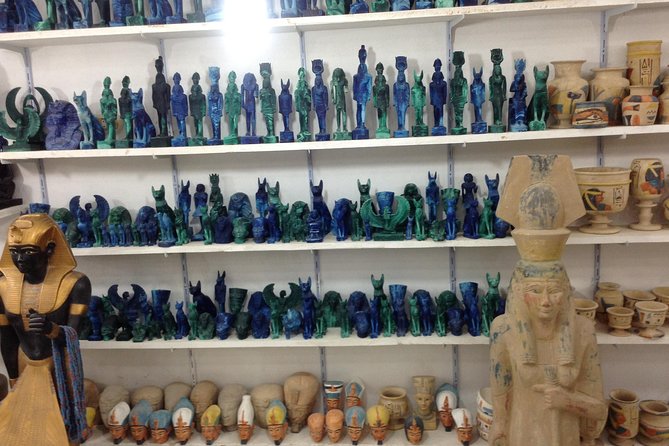
The schedule is simple and shop-heavy: about 6 hours of targeted stops with no time burned on guesswork. The itinerary flows from papyrus and perfume to a carpet workshop and ends with cotton textiles like bed sheets and scarves.
Here’s how each stop works in real terms, plus what to watch for so you leave with items that make sense.
Stop 1: Papyrus Shop for Handmade Art (and what to ask)
You start at a Papyrus shop where you can choose what style you want and where you want to buy. You’ll have options like governmental papyrus art paintings, including handmade pieces, and you can decide what you want to carry home based on size and price.
This is a good place to set your shopping tone. If you care about authenticity, ask your guide what makes this papyrus item different from cheaper look-alikes. If you’re focused on price, you can compare designs and materials before you commit—because later stops will also involve bargaining.
A consideration: papyrus art can vary a lot in size. If you’re packing light, be ready to narrow your choices early, not late.
Perfume Factory: Smell the Essences, Ask About Purity Claims
Next comes the perfume factory stop. The point here isn’t just buying a bottle—it’s trying the scents and learning how sellers describe their products. You’ll be able to smell the essence and see the shop’s approach to quality, including claims that their perfume is high quality and made without chemical use (as stated by the business).
When you’re doing scent shopping, don’t rush the testing. Smell, wait a moment, then decide if you still like it as it develops on your skin or in the air. Your guide can help you compare what you’re being offered, and whether the story you’re hearing matches the product they’re selling.
If you’re sensitive to strong fragrances, come prepared. You’ll be around scent testing for a while.
Carpet School: Watching Handmade Work Up Close
After perfume, you’ll visit a carpet school to see and learn how carpets are made, by hand, right in front of you. This is one of the more “craft” stops on the route, because it’s not only about buying—it’s about understanding what you’re paying for.
Even if you don’t plan to buy a full carpet, this stop helps you shop smarter. You’ll get a real look at the work involved, and that makes it easier to judge quality claims when you’re negotiating afterward.
One practical note: carpet shopping can turn emotional fast. If you feel pressured by big discounts or dramatic pitches, fall back to basics—materials, size, and what exactly you’re getting.
You can also read our reviews of more shopping tours in Cairo





Cotton Store: Egyptian Bed Sheets, Materials, and Scarves
The final stop is a cotton store where you can look for real Egyptian bed sheets, plus fabrics and scarves. If textiles are your priority, this is where you can focus on usable items you’ll enjoy right away at home.
This stop is especially useful if your goal is practical souvenirs, not just decor. Bed sheets and scarves can be easier to justify than artwork because you’ll use them. And since this portion includes materials and fabric options, you can shop based on what you actually need.
What to do here: keep your decision simple. Pick the items you truly want to pack and use, and don’t let yourself get pulled into random add-ons just to fill time.
Bargaining With a Pro: How to Get Fair Prices Without Overthinking

The biggest promise of this tour is guided bargaining. You’ll learn how to negotiate, and your guide will help you find the best possible prices for classic souvenirs.
Here’s the mindset that tends to work best on tours like this:
- Start with one or two priorities, not ten.
- Ask for an explanation, not just a number.
- Use your guide to compare shops and spot shaky claims.
Your guide is also there to advise you on quality—so you’re not stuck at the mercy of sales talk. In the best-case scenario, guides like Mai (mentioned as someone who helped visitors shop with confidence) guide you toward quality and away from obvious fakes.
The hard part is that shopping tours can feel like a parade to someone who isn’t in shopping mode. If you’re happy to browse and negotiate, this works well. If your idea of a perfect day is walking museums, you’ll probably feel the time is too commercial.
What’s Actually Worth Buying Here (Papyrus, Perfume, Carpets, Cotton)
Let’s talk about the souvenirs in plain terms—what makes them worth it, and what can go wrong.
Papyrus art: choose meaning and size
Papyrus is iconic, and papyrus art paintings can make memorable gifts. The value is partly cultural and partly practical: it’s usually lighter than you expect, and it’s easy to frame or display.
To avoid disappointment, focus on the piece you’d actually hang on a wall. Your guide can help with that by pointing you toward better choices and advising on what to buy versus what to skip.
Perfume: buy the scent you love, not the story you hear
Perfume is personal, so you should treat it like a small experiment. The stop includes scent testing, and that’s the right approach. Decide what you like first, then negotiate based on what you’re actually getting.
If a shop stresses purity claims—like their perfume being made without chemicals—ask what that means in practice for the product you’re buying. Your guide can help you translate the talk into something more concrete.
Handmade carpets: understand before you commit
Carpets are expensive, and it’s easy to overspend when someone shows you the craftsmanship but doesn’t help you compare options. Watching a carpet school in action helps you see the work behind the price.
Before buying, think about how you’ll move it home and where it will live. If a full carpet isn’t realistic for you, you might still find smaller textile items easier to manage.
Egyptian cotton: practical souvenirs with daily value
Egyptian bed sheets, fabrics, and scarves are often the best type of souvenir for long-term use. They’re also easier to evaluate based on comfort and feel, especially once you’re inside a dedicated cotton shop.
If you’re hunting for items you’ll use on your next trip home, this final stop is where your money can translate into something you enjoy every day.
Price and Logistics: Is $10 Per Person a Good Deal?
The price listed is $10.00 per person, for about 6 hours of private guided shopping with hotel pickup and drop-off. That’s unusually low for a private guide plus private transport, so I’d treat it as a value opportunity but double-check what’s included for your exact booking.
What you can count on from the tour details:
- Private tour with a private guide just for your group
- Transport by private vehicle and hotel pickup/drop-off
- Entry fees included, plus all taxes/fees/handling charges
- Bottled water included
- A mobile ticket
What isn’t included:
- Lunch
That last point matters. If you’re arriving hungry after a flight or temple visits earlier in the day, you’ll want a meal plan before or after the tour. Since lunch isn’t covered, the real cost depends on what you do for food during those 6 hours.
Also note: the experience is listed as private, meaning you’re not sharing your guide with strangers. Group discounts are mentioned, which can be a bonus if you’re traveling with friends or family and want to split the cost more comfortably.
Who This Shopping Tour Suits Best (and Who Might Skip It)
This tour fits best if you:
- Want souvenirs like papyrus, perfume, textiles, and cotton goods
- Are willing to spend time in shops and actually negotiate
- Prefer a private pace over a rigid group schedule
- Like learning basics on quality as you shop
It’s less ideal if you:
- Want a mostly cultural or sightseeing day
- Dislike shopping-heavy itineraries
- Prefer zero negotiating and minimal sales interaction
Families can consider it too. The details include a child rate rule: the child rate applies only when sharing with two paying adults. And it notes that most travelers can participate.
If you’re traveling with luggage constraints, keep an eye on the size of papyrus art and textiles. Your guide can help you choose items that are easier to pack within your limits.
Should You Book This Private Cairo Shopping Tour?
Book it if you want a guided shopping day that’s structured, private, and focused on classic Egyptian buys. The biggest wins are hotel-to-hotel convenience, guided bargaining, and craft stops like the carpet school that help you shop with more confidence.
Skip it if you’re not there to shop. This isn’t a museum day, and the route moves through shops where you’ll be offered products. Even with a good guide—like those named in the tour provider info (Hesham Egypt tour guide, and guides such as Mai)—you should still expect a sales environment as part of the itinerary.
Also, plan your day around the missing lunch. If you want a full-day experience with meals included, this isn’t that format.
FAQ

FAQ
How long is the private shopping tour?
It runs for about 6 hours.
Is hotel pickup and drop-off included?
Yes. The tour includes hotel pickup and drop-off and transport by private vehicle.
Is lunch included in the price?
No. Lunch is not included.
What stops are included during the tour?
You’ll visit a papyrus shop, a perfume factory, a carpet school, and a cotton store.
Are admission or entry fees included?
Yes. Entry fees are included, and admission tickets are listed as free.
Is the tour private or shared with others?
This is a private tour/activity. Only your group participates.
Do I get a mobile ticket?
Yes. A mobile ticket is included.
What if I’m traveling with children?
A child rate applies only when sharing with 2 paying adults.
Can I get a refund if I cancel?
No. The experience is non-refundable and cannot be changed for any reason.