REVIEW · CAIRO
Cairo: Private Pharaonic Village Tour With Tansfer and Lunch
Book on GetYourGuide →Operated by Egypt Excursions Online · Bookable on GetYourGuide
A Nile boat ride, in a story you can walk through. This private Pharaonic Village tour links ancient life and religion to real exhibits and museum-style stops, all with a guide who keeps the pace easy to follow. I especially like the way you get a quick overview of ancient Egypt through replicas (not just statues), and I like that lunch is built in so the day doesn’t feel like a frantic museum sprint.
One thing to consider: soft drinks and water aren’t included, so you’ll want to plan for that (or buy water when you can), especially in warm weather.
In This Review
- Key Points I’d Use to Decide
- Nile-Linked Transfers From Cairo or Giza
- The 3-Hour Guided Walk That Makes Replicas Feel Useful
- Tutankhamun, Coptic, and the Museum Stack in One Pass
- Lunch at the Right Time (So the Day Doesn’t Collapse)
- Kids’ Add-Ons: Art Center, Papyrus Writing, Gypsum Figures, and Play Areas
- Price and Timing: Is $107 Worth It for a 4-Hour Day?
- Who Should Book This Pharaonic Village Tour?
- Should You Book This Tour?
- FAQ
- How long is the Pharaonic Village tour?
- Where are pickups available?
- Does the tour include lunch?
- Are soft drinks and water included?
- What languages are the live tour guides?
- Does the tour help you avoid lines?
- Are entrance fees included?
- Is there a free cancellation option?
Key Points I’d Use to Decide
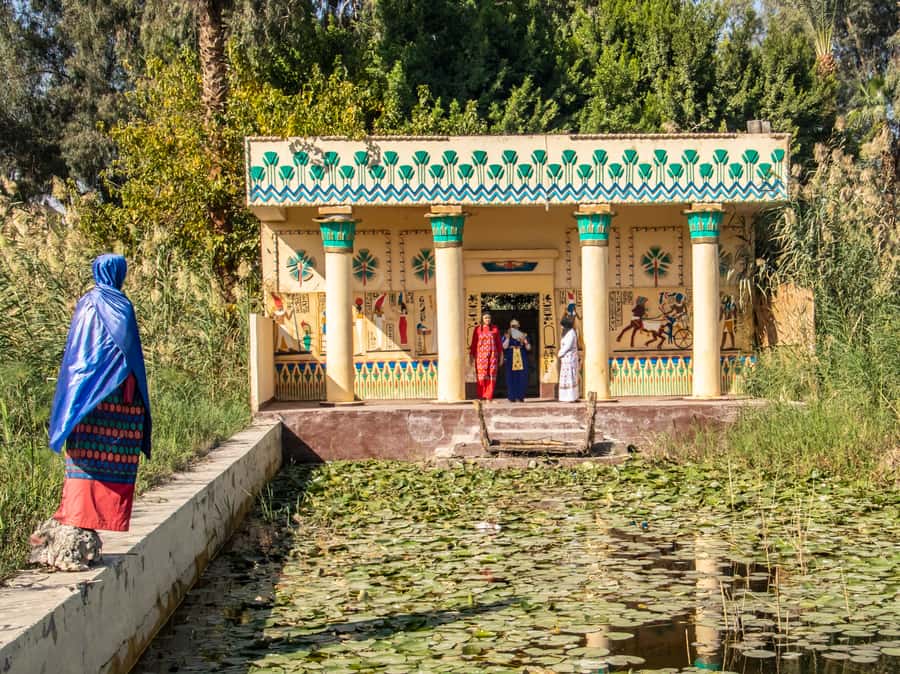
- Nile transfer by small boat: You start with a mini “Egypt in motion” moment, not a bus ride first.
- A real guide-led route: You’re not left to read signs; the guide explains figures like Osiris, Isis, Horus, and Ramesses II.
- Replica temples and homes: Peasant house architecture sits next to noble and royal residences, which helps everything make sense.
- A museum stack in one day: From Coptic and Mummification themes to Napoleon’s and Sadat’s exhibits, you get multiple Egypt eras without changing plans.
- Family-friendly add-ons: Optional art activities and kids’ areas can turn this into a hands-on day.
Nile-Linked Transfers From Cairo or Giza
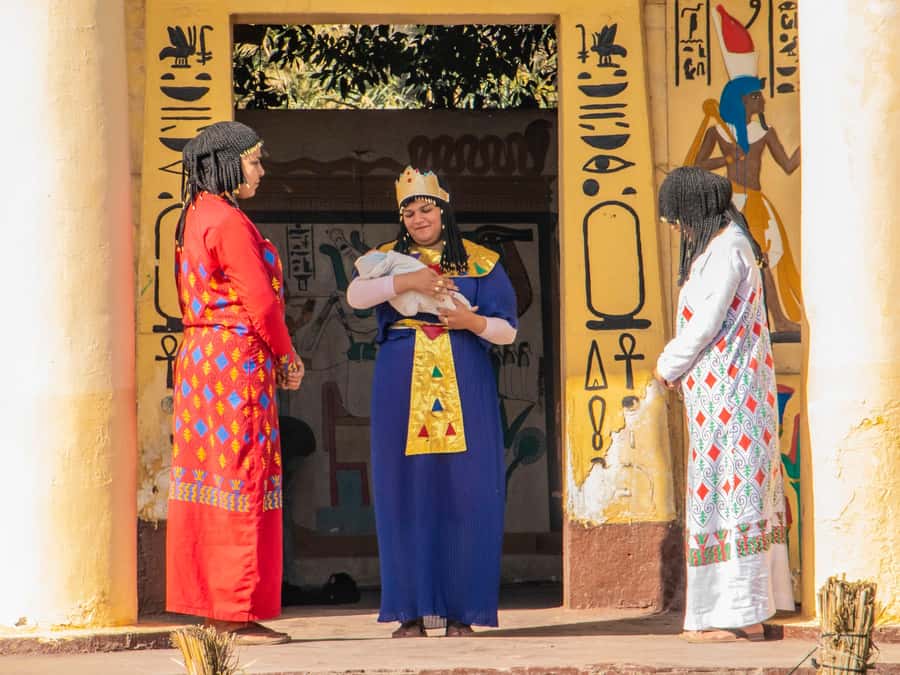
This is a simple, practical setup: you’re picked up from any hotel in Cairo or Giza, then you head to the Pharaonic Village area. What makes it feel special is that your transfer includes a small boat ride on the Nile, with a private setup and narration along the way.
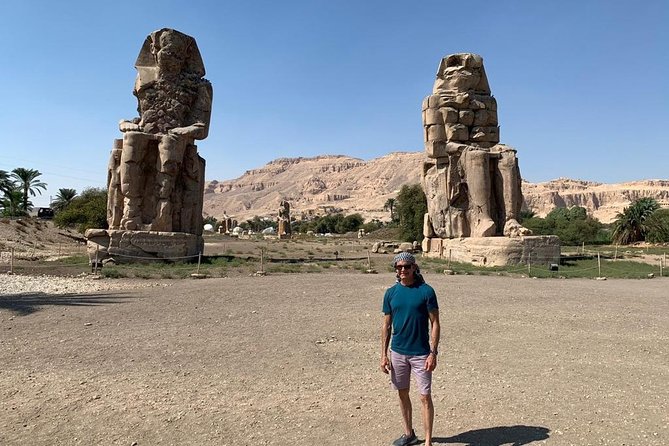
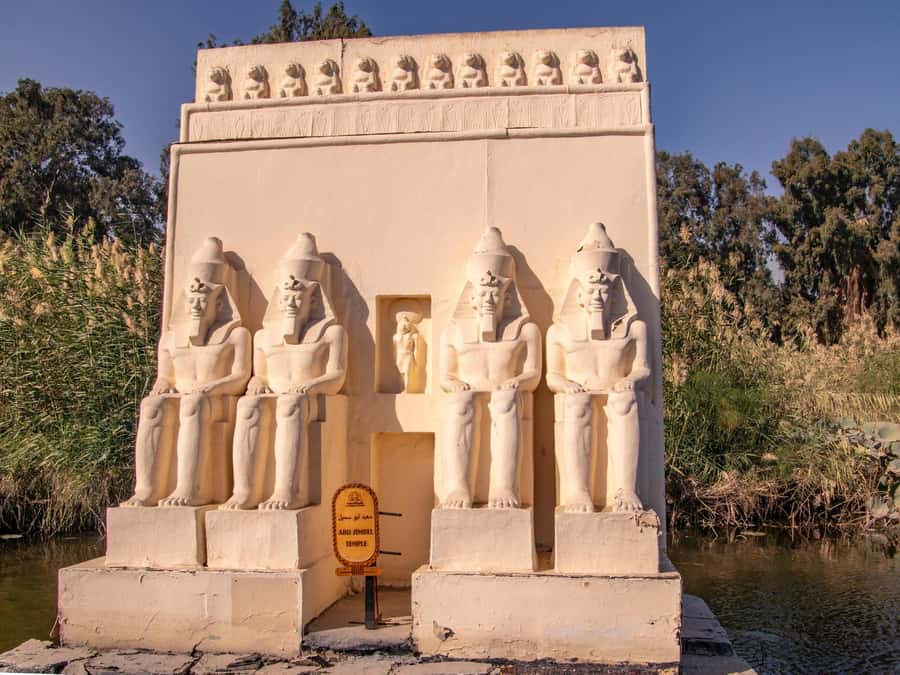
Even before you reach the village buildings and exhibit rooms, you’re already in “story mode.” As you sail, you pass statues that mimic the style of Pharaonic figures. The guide ties these to major characters—starting with Osiris and moving through a chain of gods and rulers—so the day doesn’t start as random sightseeing.
Practical note: because this is a shared river environment, dress for comfort and expect some sun and airflow. The tour includes transportation, but it doesn’t include water or soft drinks, so plan accordingly (or pick up water when you need it).
You can also read our reviews of more private tours in Cairo



The 3-Hour Guided Walk That Makes Replicas Feel Useful
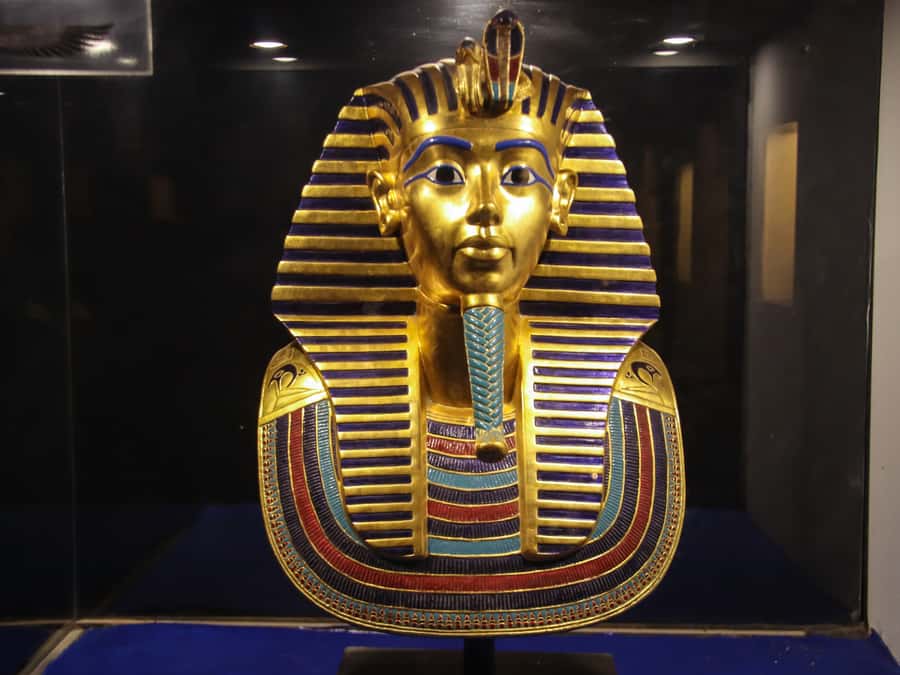
The core experience is the guided 3-hour tour inside the Pharaonic Village. This is where the trip earns its keep: replicas can be hit-or-miss, but here they’re used as teaching tools. The guide doesn’t just point; they connect what you’re seeing to daily life, belief, and power.
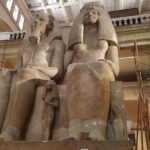
A big highlight is the statue sequence and the explanation behind it. You’ll hear about iconic Egyptian figures and religious themes, including Isis, Horus, Amun, Thutmose III, Akhenaten, and Ramesses II, plus references tied to Abu Simbel, the scene of Moses, and the god Bes. That sounds like a lot, but the benefit is that you’re getting a mental map, not isolated facts.
Then the story shifts toward how Egyptians lived and worked. You’ll learn about agricultural life and the foundations of their farming civilization, plus the ancient industries and craftsmanship that supported everyday society. I like that the tour doesn’t treat ancient Egypt as a museum you just stare at—it shows you the systems behind it.
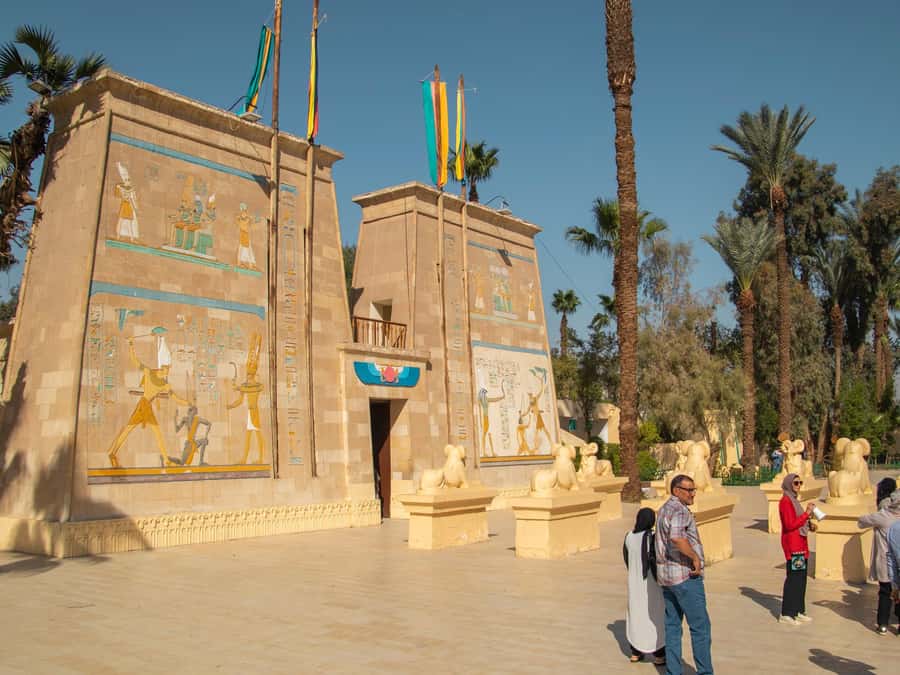
You also see how the village layout connects to social life. Temple replicas show pharaonic development, while house replicas range from peasant homes to noble and royal residences. When you can picture where people lived (and how space changes by status), the architecture becomes more than “pretty buildings.” It becomes context.
Possible drawback: because you’re covering a lot in a short window, you may not get deep into any single building. If you’re the type who wants to linger, plan to treat this as a guided overview that sets you up for longer stops later.
Tutankhamun, Coptic, and the Museum Stack in One Pass
After the core guided time, you still have a lot of variety built into the day—especially the exhibit-and-museum portion. The tour includes key themes across different periods, which is great if you want a “big picture” day rather than a single-site deep dive.
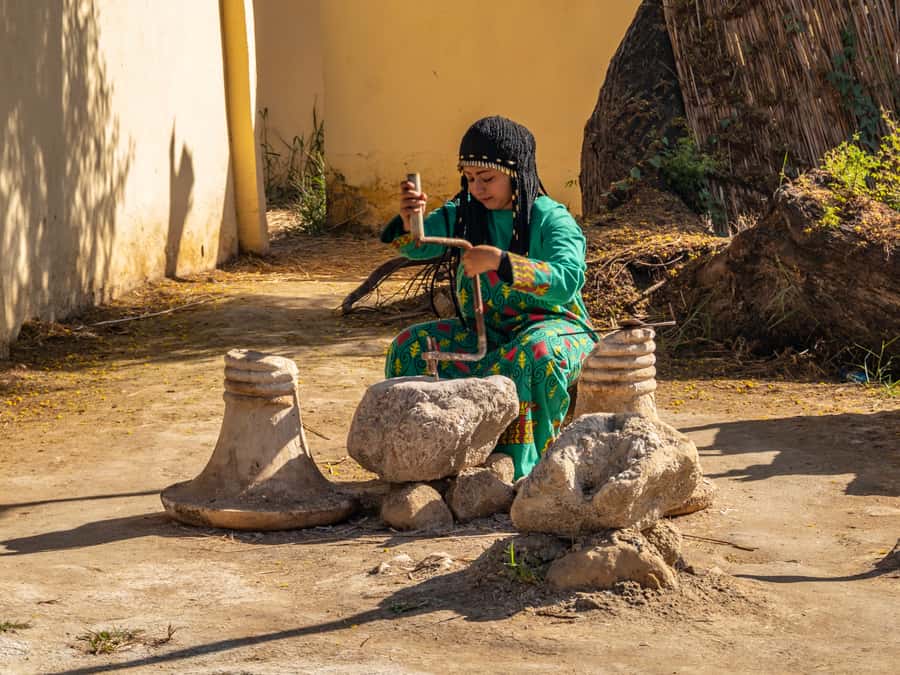
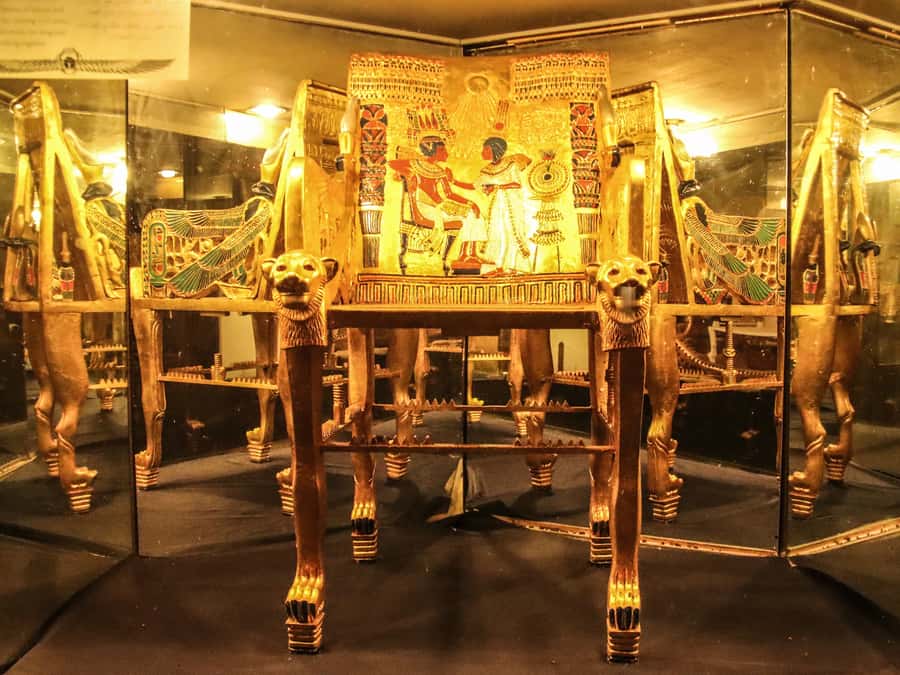
A standout in the highlights is the replica of Tutankhamun’s tomb. Even though it’s a reproduction, the value is how it’s used to explain royal rituals and the symbolism people associate with pharaonic kingship.
You’ll also visit exhibit areas tied to later and neighboring histories, including:
- The Islamic Exhibit
- Nasser’s Exhibit
- The Art Center
Then the tour moves into museum-style stops featuring multiple eras, with names that help you decide what you care about. You’ll find:
- Coptic Museum
- Mummification Museum
- Napoleon’s Exhibit
- Sadat’s Museum
What I like here is pacing-by-theme. If you enjoy cross-period comparisons—how one Egypt story overlaps with another—this structure helps you keep the day coherent. You’re not bouncing between totally unrelated sites. You’re moving through a guided sequence of eras and subjects.
The tour also includes additional themed museums such as:
- Nubia’s History Museum
- Boats Museum
- China Museum
That last trio is especially useful if you’ve only ever associated Egypt with pyramids and pharaohs. You get a broader view that includes trade, geography, and cultural connections suggested through exhibit themes.
One more practical reality: this portion of the day can feel “busy” in the best way. You’ll see a lot of rooms and displays. If you’re easily overwhelmed, arrive with the mindset that you’re here to skim with a guide, take photos where allowed, and absorb the big concepts.
Lunch at the Right Time (So the Day Doesn’t Collapse)
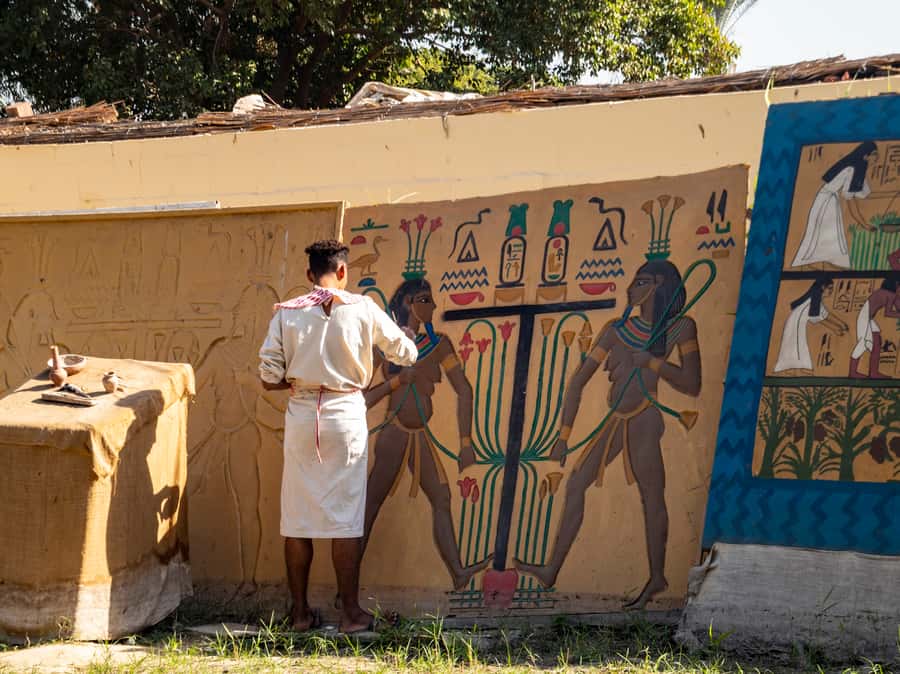
Lunch is included for about 30 minutes. That sounds short—because it is—but it’s designed to keep the tour on track inside the 4-hour total duration.
For me, the value isn’t just food. It’s timing. You avoid the typical Cairo problem where you’re hungry, overheated, and behind schedule all at once. A scheduled lunch makes the rest of the exhibits feel less stressful.
Also, remember: soft drinks and water are not included. If you know you drink a lot, it’s worth having a plan. Even a small bottle can change how comfortable you feel for the second half of the day.
Kids’ Add-Ons: Art Center, Papyrus Writing, Gypsum Figures, and Play Areas
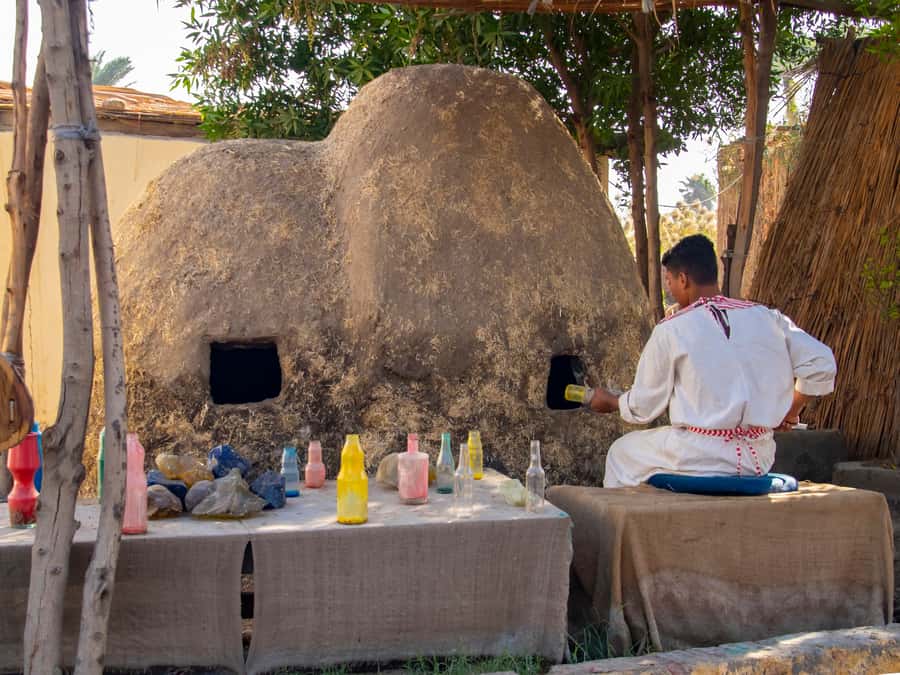
If you’re traveling with children, this is one of those tours that actually matches family energy. The Pharaonic Village setup includes an Art Center option for children, plus optional hands-on activities. The info here is clear: some activities cost extra, so you can choose how much you want to do.
Optional add-ons mentioned include:
- Pottery-making
- Coloring gypsum figures resembling statues
- Writing names on papyrus
- Playgrounds and extra activities for children
I like the idea of choosing your involvement. If you have kids who want to move and create, the extra activities give them a reason to stay engaged. If your kids are more “watch and listen” types, you can skip the paid add-ons and still get plenty of value from the guided exhibits.
In the same spirit, the on-the-ground guiding style seems to matter. You may get guides like Fatma, who is known for packing in explanations in a way that works for kids and keeps patience when questions fly. Another name you might hear is Jadian, described as accommodating—especially helpful when traveling with younger visitors.
For families, this tour reads like a practical compromise: you get structured education without asking children to sit through a long, quiet museum day.
A few more Cairo tours and experiences worth a look




Price and Timing: Is $107 Worth It for a 4-Hour Day?
At $107 per person for about 4 hours, this isn’t a “grab-and-go” bargain. It’s more like a shortcut to a guided, themed overview with transport and included lunch.
Here’s why the value can still make sense:
- You’re not just paying for entrance fees. You’re paying for a tour guide and private transfers from Cairo or Giza.
- The tour includes a skip-the-ticket-line benefit, which can save time and irritation.
- You get guided content plus a set lunch stop, which is often what breaks cheaper tours.
- Entrance fees are included if you select that option, so check what’s included in your specific booking choice.
Timing matters too. A 4-hour total duration means you won’t cover everything in Egypt, but you will walk away with a clearer sense of how multiple eras connect—pharaonic life, later religious history, and modern-era exhibits—without spending a full day zigzagging across Cairo.
What to watch:
- If you need bottled water and soft drinks, they’re not included.
- The guide languages listed are German, Russian, French, Spanish, and Italian. If you need English, you should confirm language availability before you go.
If you’re the type who wants one focused, high-signal day near Giza rather than a spread of separate stops, this price can feel fair.
Who Should Book This Pharaonic Village Tour?
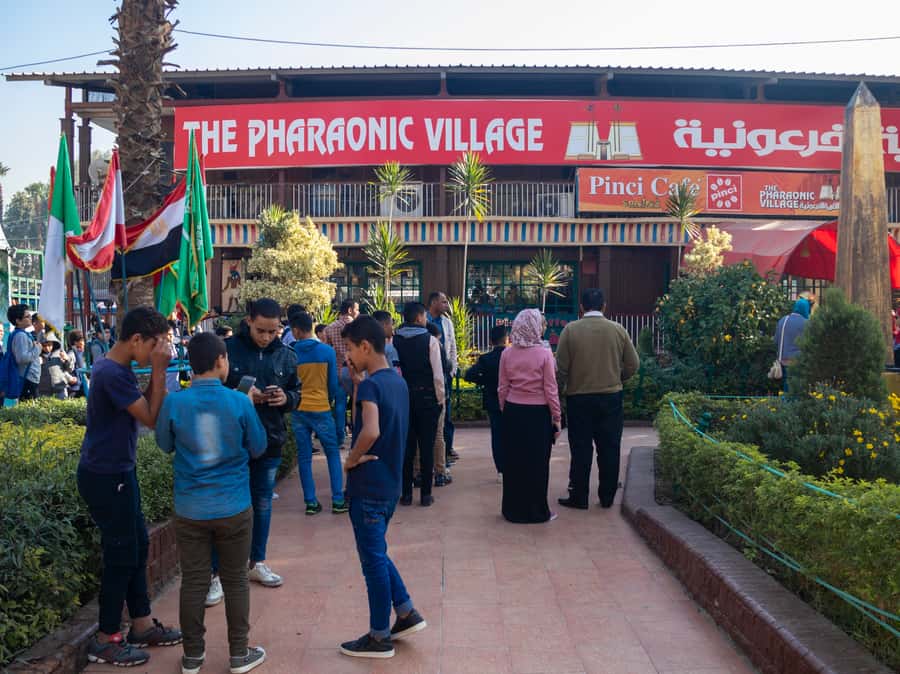
This tour is a strong fit if you want:
- A guided overview of Egypt themes across different periods
- A family day that mixes exhibits with child-friendly areas
- A realistic option when you only have a half-day window
- A stop that works whether your interest is pharaohs, religion, or how daily life functioned
It’s also a good choice if you like the idea of learning through layout—peasant houses vs royal residences, temple replicas vs tomb replicas—because the guide narration ties the visuals to meaning.
You might reconsider if you want:
- Slow museum wandering with no time pressure
- Very deep study of one specific topic
- Guaranteed English-language guiding (based on the languages listed)
Should You Book This Tour?
Yes, I’d book it if you want an organized, family-friendly way to understand Egypt’s layers in a short day—especially if the Nile transfer and guide-led replicas are appealing to you. The best reason to choose it is the structure: guided explanations, a clear sequence of themes, and lunch built into the schedule.
Before you go, do two quick checks:
- Confirm which optional children activities (like papyrus writing or pottery) you want, since some cost extra.
- Plan for water, since it’s not included with the tour.
If that works for your style, this is one of the easier ways to get your bearings around pharaonic life and Egypt’s later themes—without turning your day into a marathon.
FAQ
How long is the Pharaonic Village tour?
The total duration is about 4 hours, with around 3 hours for the guided portion and about 30 minutes for lunch.
Where are pickups available?
Pickup is included from any hotel in Cairo or Giza.
Does the tour include lunch?
Yes. Lunch is included and takes about 30 minutes.
Are soft drinks and water included?
No. Soft drinks and water are not included.
What languages are the live tour guides?
Live tour guidance is available in German, Russian, French, Spanish, and Italian.
Does the tour help you avoid lines?
Yes. The tour includes a skip-the-ticket-line benefit.
Are entrance fees included?
Entrance fees are included if you select the option in your booking.
Is there a free cancellation option?
Yes. You can cancel up to 24 hours in advance for a full refund.