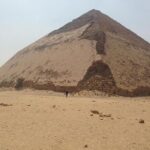
REVIEW · CAIRO
Cairo: Giza Pyramids, Memphis, and Sakkara Day Trip
Book on GetYourGuide →Operated by Ramses tours · Bookable on GetYourGuide
Pyramids in one tight, guided day. This Cairo-to-Giza-to-Sakkara-to-Memphis trip is built for people who want the big monuments plus the story behind them, with guides such as Ahmed Salah and Pierre known for clear explanations. I like that pickup is handled from your accommodation, so you can focus on photos and facts instead of figuring out transport on your own.
My favorite part is the way you move from the Pyramids of Giza to the Great Sphinx and then onward to Sakkara’s Djoser step pyramid, showing how Egyptian pyramid-building evolved. The one thing to watch is language: the live guide in your preferred language depends on availability, and if it’s not there you may need to rely on the included audio guide plus an English-speaking guide.
In This Review
- Quick hits from this 6-hour monuments route
- How the 6-hour Giza–Sakkara–Memphis day really feels
- Pickup and transport: why it matters more than you think
- Giza Plateau: Cheops, Chephren, Mykerinus and the view game
- Great Sphinx and Valley Temple of Khafre: where the story clicks
- Sakkara’s Step Pyramid of Djoser: the oldest pyramid idea in plain terms
- Memphis: Ramses II and the alabaster Sphinx of Memphis
- What the guides (Ahmed Salah, Pierre, Mina) tend to do well
- Languages and audio guides: plan for flexibility
- Price and value: is $70 per person worth it?
- Who this trip suits best (and who should think twice)
- Should you book this Cairo Pyramids, Memphis, and Sakkara day trip?
- FAQ
- How long is the Cairo Giza, Memphis, and Sakkara day trip?
- Is hotel pickup and drop-off included?
- Are entrance fees included in the $70 price?
- Does the tour include a skip-the-ticket-line feature?
- What languages are available for the live guide and audio guide?
- Can I cancel for a full refund?
Quick hits from this 6-hour monuments route

- Hotel pickup and drop-off so the day stays simple and you lose less time to Cairo logistics
- Skip-the-ticket-line to keep momentum at the most popular sites
- Giza Plateau stops for Cheops, Chephren, Mykerinus views and practical photo opportunities
- Great Sphinx + Valley Temple timing that lets you connect the monuments to Chephren
- Sakkara’s Step Pyramid of Djoser as the oldest pyramid built for King Djoser in the third dynasty
- Memphis and Ramses II paired with the alabaster Sphinx of Memphis for a strong wrap-up
How the 6-hour Giza–Sakkara–Memphis day really feels
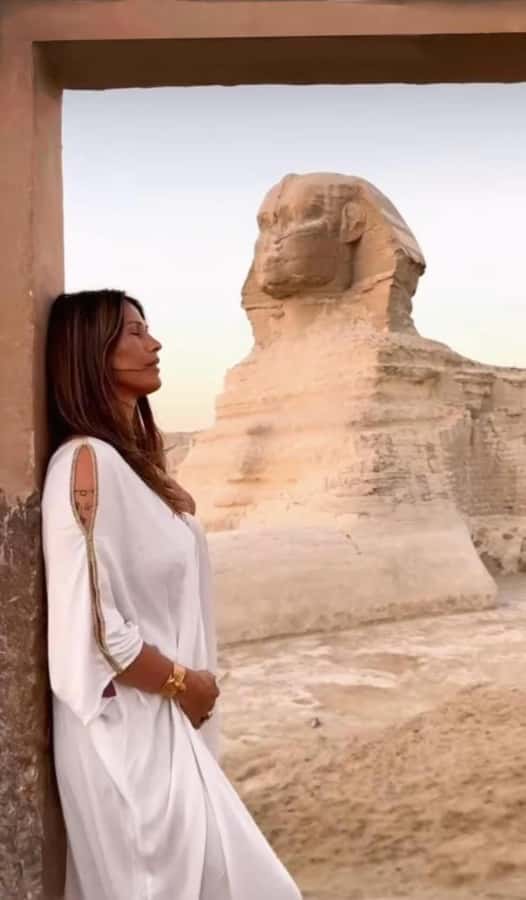
This is a classic “greatest hits, guided” day: you start in Cairo with pickup, then you spend your time at three different monument zones—Giza, Sakkara, and Memphis—before heading back comfortably to your hotel. The benefit of this format is that you’re not bouncing around trying to arrange transport between far-flung sites.
The pace is efficient. You’ll be inside multiple archaeological areas and you’ll get guided interpretation for each stop, plus photo breaks along the way. You’re not meant to linger for hours at a single spot. If you’re the type who wants to read every wall, you might feel slightly rushed—but if you want a focused, well-guided overview, this timeline is a big win.
A few more Cairo tours and experiences worth a look



Pickup and transport: why it matters more than you think

Pickup is included when you select it, and the tour is designed around being collected from your Cairo accommodation. That’s huge in Cairo, where time can disappear quickly if you’re coordinating taxis, rideshares, or multiple transfers.
Your group travels by air-conditioned vehicle, which is a practical comfort detail rather than a luxury claim. Also, you have a long list of pickup and drop-off options, including airport-related and Nile Corniche-area locations. One caution: if pickup is from Heliopolis (airport area) or 06th of October or similar areas, there’s a supplement. If your hotel is outside the main pickup zones, double-check that cost early so there are no surprises.
Giza Plateau: Cheops, Chephren, Mykerinus and the view game
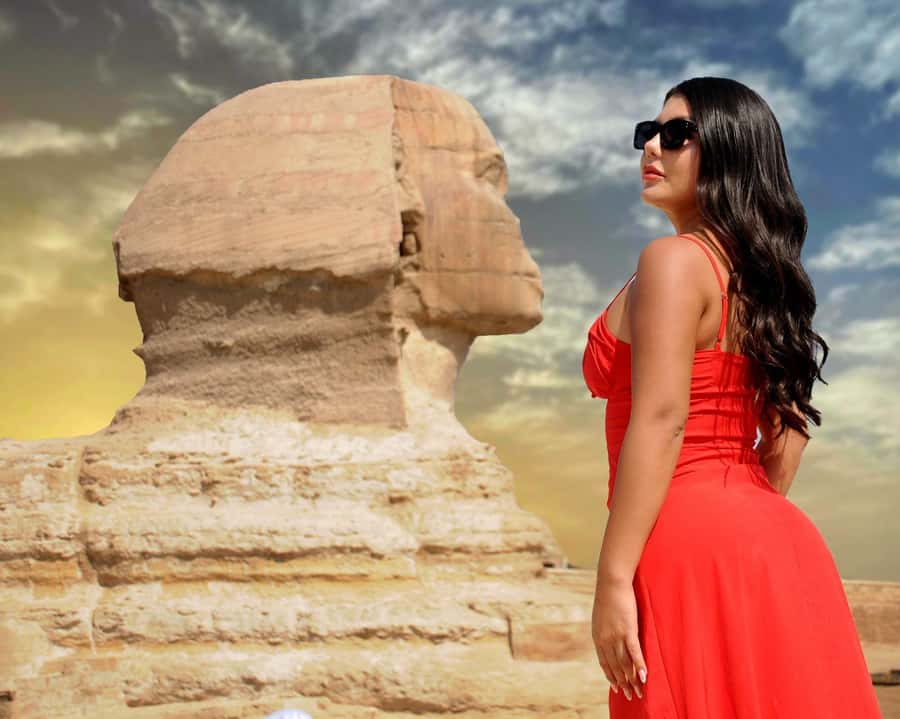
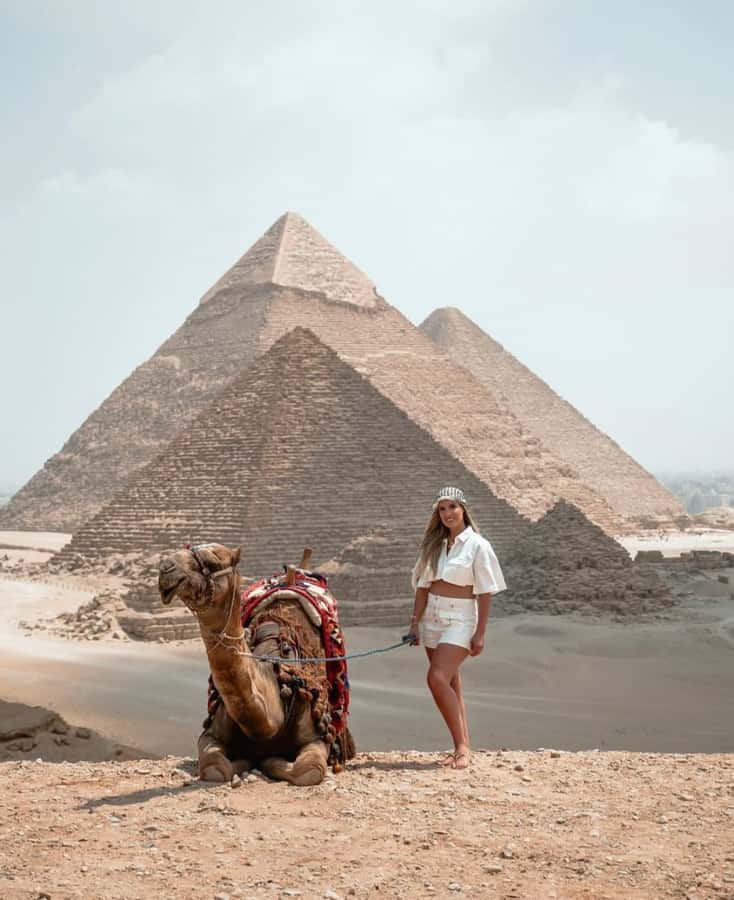
Your day begins with the Giza Plateau and a guided visit at the Pyramids of Cheops, Chephren, and Mykerinus. Even if you’ve seen these pyramids in photos, standing in the Giza Plateau area changes your sense of scale. The shapes look simpler than the myths—until you realize how precise the placement is and how many angles you can catch from different positions.
What I like here is the structure. Instead of dropping you off and letting you wander, your guide points out what’s relevant and keeps the story moving. There are also multiple photo stops, which matters because the best angles at Giza are not always the ones right by the entrance gate.
Practical note: you’ll likely do plenty of standing and walking between viewpoints. Comfortable shoes help, even for a “short” 6-hour tour.
Great Sphinx and Valley Temple of Khafre: where the story clicks
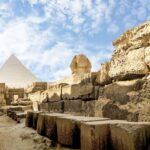
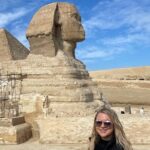
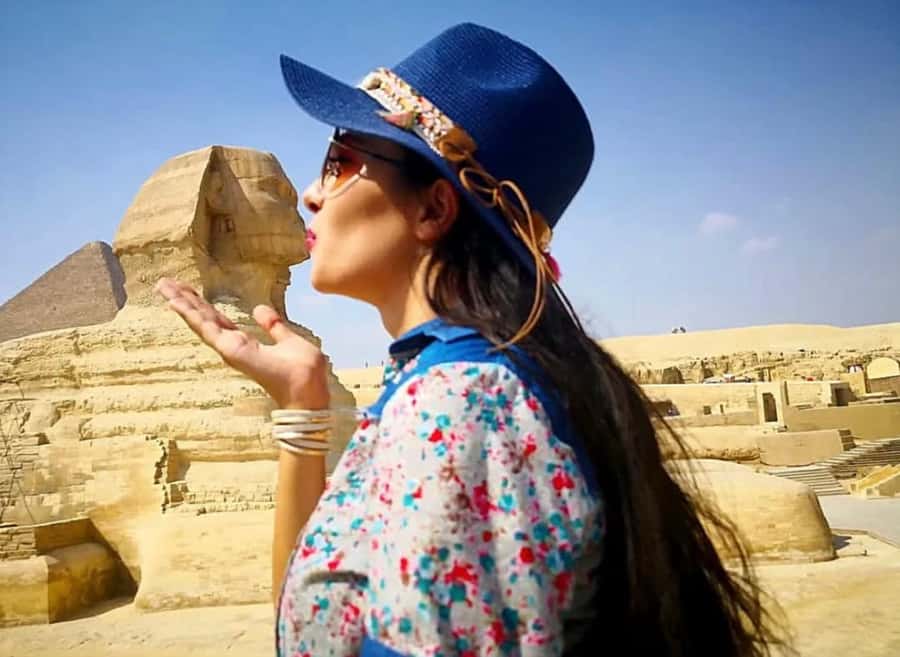
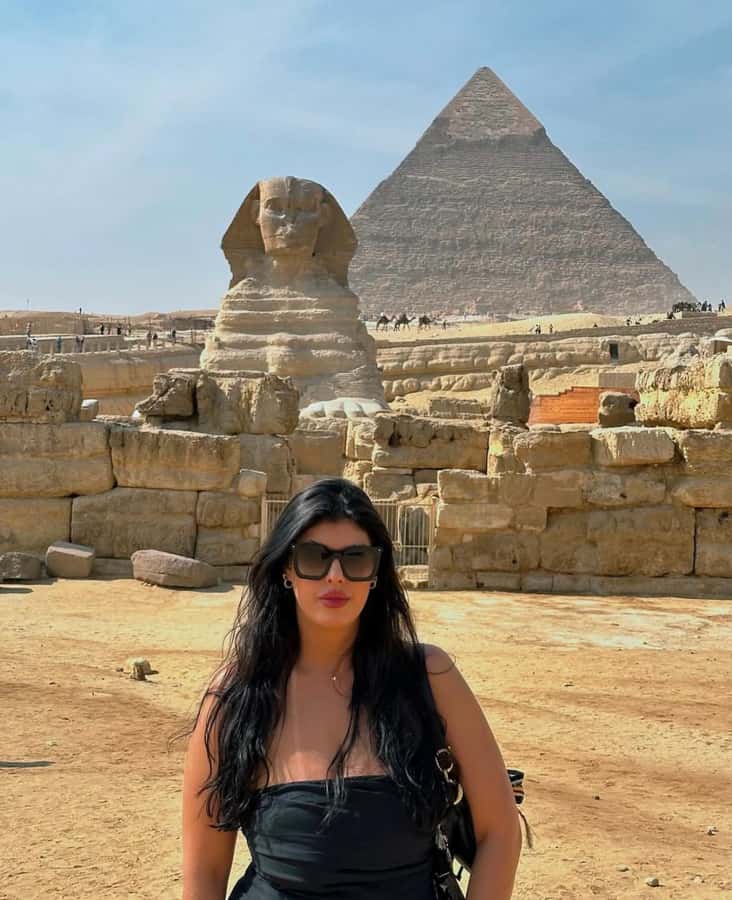
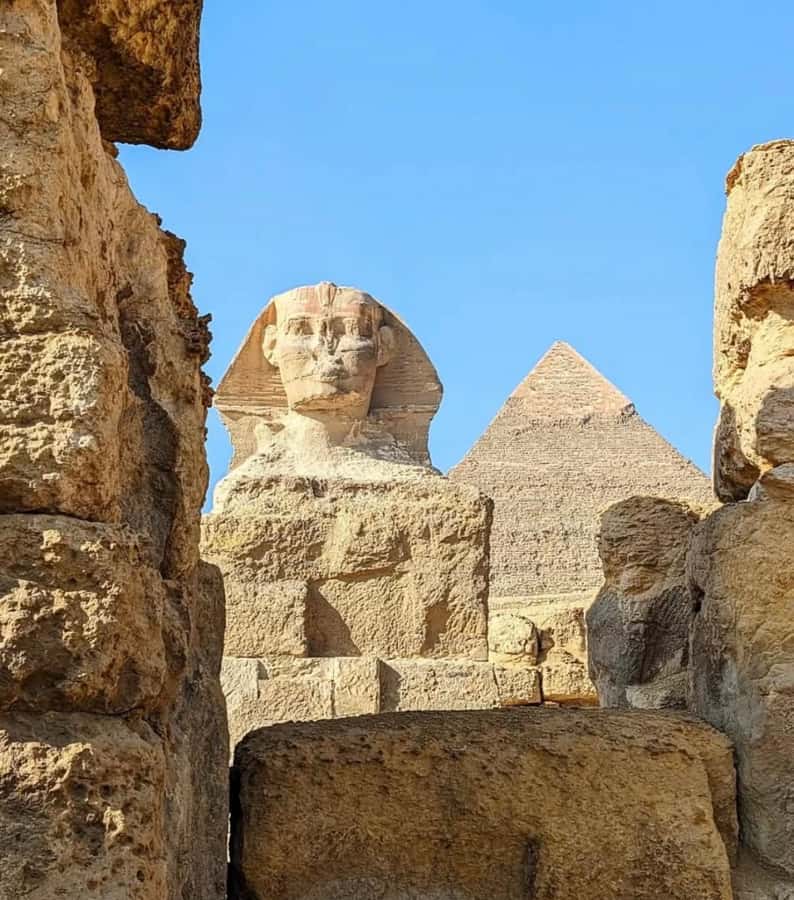
After the main pyramid area, you go to the Great Sphinx, which dates back to the time of Chephren. That date detail is more useful than it sounds. It shifts the Sphinx from being a single iconic statue into something you can place in the same historical frame as the nearby pyramid complex.
Then comes the Valley Temple of Khafre. This stop is where the morning starts to feel like a coherent lesson rather than a checklist. Visiting the temple gives you architectural context for the pyramid complex—think of it as the supporting cast that helps the pyramids make sense as a system, not just giant shapes in the desert.
Your guide also builds in photo time here, so you’re not stuck searching for angles on your own while the group moves.
Sakkara’s Step Pyramid of Djoser: the oldest pyramid idea in plain terms

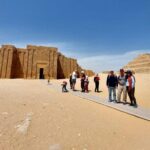
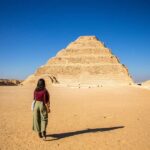
Next, you head to Sakkara and the Pyramid of Djoser (often spelled Djoser / Zoser depending on the guide’s preference and the spelling used in different materials). This is one of the most important stops on the day because it turns the focus from a mature pyramid form into an earlier development stage.
You’ll see Egypt’s oldest pyramid, built in the third dynasty for King Djoser. That fact matters for how you interpret what you saw in Giza. Instead of only admiring finished masterpieces, you start seeing a timeline of experimentation and evolution. The step shape is the visual clue—it’s a different idea of getting to the heavens, and it’s fascinating to compare it to what later becomes the smoother pyramid style associated with Giza.
If you like history that feels connected and not random, Sakkara is what gives the day its “click.”


Memphis: Ramses II and the alabaster Sphinx of Memphis
The final monument stop is Memphis, the ancient capital of Egypt. This is a smart ending because it shifts you from royal building projects to a place that functioned as a political and cultural center.
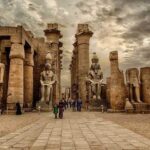
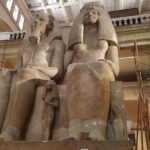
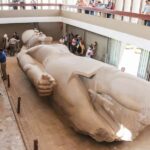
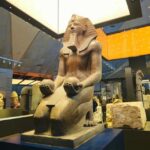
You’ll visit the great Statue of Ramses II, plus the alabaster Sphinx of Memphis. The alabaster Sphinx part is especially interesting because it reminds you that Egyptian monumental culture wasn’t limited to Giza alone. It also helps break up the day visually: by the time you’re in Memphis, you’re no longer just thinking about pyramid geometry.
Even if your main goal is the pyramids, Memphis adds context and keeps the day from feeling repetitive. It’s like getting the “after” chapter.
What the guides (Ahmed Salah, Pierre, Mina) tend to do well
One of the best parts of a guided day is the human element: how you’re treated at pickup, how clearly the story is explained, and whether you’re helped when language shifts. In this tour, guides have included people such as Ahmed Salah (praised for passion and constant attention), Pierre (known for strong communication even when guests asked for a different live language), and Mina (paired with a driver who handled traffic smoothly).
Here’s what that usually translates to on the ground for you: you get more than facts. You get direction—what to look for, where to stand for better views, and how the monuments connect. The tour also includes a wide set of languages for the live guide and a built-in audio guide in many languages. If your exact language isn’t available on a given day, you should expect the tour to pivot rather than cancel your understanding.
Languages and audio guides: plan for flexibility
The tour offers live tour guide support in many languages, but it’s subject to availability. If your preferred language isn’t available, you’ll get help in English live, supported by the audio guide in your selected language. That’s a good system for travelers who care about interpretation but can handle a backup plan.
Also, the audio guide is included, and it’s available in many languages. So even if the live guide situation shifts, you’re not left with silence. You may just have to listen more through the device than through the guide’s voice.
Price and value: is $70 per person worth it?
At $70 per person for a 6-hour day covering Giza, Sphinx, Valley Temple, Sakkara, and Memphis, the value mostly depends on what you choose to include. The tour can include:
- a tour guide (if you select that option)
- hotel pickup and drop-off (if selected)
- air-conditioned transportation (if selected)
- lunch (if selected)
- entrance fees (if selected)
Entrance fees are listed as not included by default, which means your final total may be higher if you don’t add them. That said, the big practical value here is the combination of transport + guided interpretation + skip-the-ticket-line. If you’ve ever tried to do Giza and Sakkara independently, you know the time cost can be brutal, and arranging entry plus guides plus transit can turn into a part-time job.
So is it worth $70? For many people, yes—especially if you want a single structured day that hits the key monuments without constant decision-making.
Who this trip suits best (and who should think twice)
This tour fits well if you:
- want a guided first taste of Egypt’s most famous ancient sites
- are short on time and want a one-day route that connects Giza to Sakkara
- prefer pickup from your accommodation over navigating Cairo independently
- like having photo stops built into the plan rather than hunting for angles
Think twice if you:
- want to spend long, slow hours at just one location
- dislike tours with a fixed 6-hour window
- strongly need a very specific live-guide language every time (since availability can change, even though audio helps)
Should you book this Cairo Pyramids, Memphis, and Sakkara day trip?
I’d book it if your priority is efficiency with real context—pyramids plus the step pyramid story plus Memphis at the end. The route is built to connect sites rather than treat them like separate photo errands.
If you’re debating between doing this on your own versus guided, this is one of the cases where guided structure usually makes your day better: pickup reduces stress, skip-the-ticket-line protects time, and you get explanations for what you’re seeing at each stop.
Before you confirm, do two quick checks:
- choose whether you want entrance fees and lunch included, so the final bill matches your expectations
- confirm your language preference and understand the fallback to an English live guide with audio support if needed
FAQ
How long is the Cairo Giza, Memphis, and Sakkara day trip?
The duration is 6 hours.
Is hotel pickup and drop-off included?
Hotel pickup and drop-off is included if you select the option. You’ll be collected from your Cairo accommodation, and there are multiple drop-off locations.
Are entrance fees included in the $70 price?
Entrance fees are not included by default. They can be included if you select the entrance-fees option.
Does the tour include a skip-the-ticket-line feature?
Yes, skip the ticket line is included.
What languages are available for the live guide and audio guide?
A live tour guide is available in many languages, depending on availability. An audio guide is included and available in a long list of languages, including English and many others.
Can I cancel for a full refund?
Yes. You can cancel up to 24 hours in advance for a full refund.