REVIEW · CAIRO
Cairo and Nile Cruise 7-Days Private Tour
Book on Viator →Operated by Bastet Travel · Bookable on Viator
Ancient Egypt, served with a Nile sail. This private Cairo and Nile cruise packs the big monuments you came for, with comfort built in and a standout early trip to Abu Simbel. You’ll move by air-conditioned vehicle, fly domestically, and then settle into cruise life along the river.
I especially like how the Cairo days hit two essentials fast: Giza Plateau (Pyramids and Sphinx) and the Egyptian Museum with King Tutankhamun treasures. I also love the way the schedule protects the hardest-to-get highlight—an early morning Abu Simbel start around 4:30 AM—so it’s not just another day you rush through.
One consideration: the itinerary is packed, with early mornings and domestic flights (Cairo to Aswan, then Luxor back to Cairo). If you hate tight schedules, or you need slow, unplanned time, this tour may feel like a sprint.
In This Review
- Key highlights at a glance
- The Cairo to Nile setup that keeps the trip efficient
- Day 1 in Cairo: arrival transfer and an easy first night
- Day 2: Giza Plateau with the Sphinx, then the Egyptian Museum and optional Khan el Khalili
- Giza Plateau: Pyramids and Sphinx with ticketed entry
- Egyptian Museum: King Tutankhamun highlights
- Optional Khan el Khalili Bazaar
- Then the domestic flight to Aswan
- Day 3 Aswan: Philae temples, the High Dam, and a softer day on the river
- Temple of Philae: Isis, relocation, and the temple-with-a-story effect
- Aswan High Dam and then leisure time
- Day 4 Abu Simbel at dawn, then cruise time and Kom Ombo on the route
- Abu Simbel Temple Complex: Ramses II’s rock-cut statement
- Why the early start is worth it
- Back onboard: cruising, relaxing, and sailing past Kom Ombo
- Day 5 Edfu Temple of Horus, Esna Lock, and Luxor’s Karnak plus East Bank temples
- Temple of Horus at Edfu: a strong change of pace
- Sailing toward Luxor and Esna Lock
- Luxor East Bank: Karnak and Luxor Temple at dusk
- Day 6 Luxor West Bank: Colossi of Memnon, Hatshepsut, Valley of the Kings highlights
- Colossi of Memnon: the first monuments you meet
- Temple of Queen Hatshepsut
- Valley of the Kings: your main West Bank moment
- Fly Luxor → Cairo, then one more Cairo night
- Day 7: return transfer to the airport for your international flight
- Price and value: what $1,300 covers (and why it can make sense)
- Who this tour fits best (and who should think twice)
- Practical tips so the monuments feel enjoyable, not exhausting
- Should you book this Cairo and Nile Cruise?
- FAQ
- Is this a private tour?
- What’s included for Cairo sightseeing like the Pyramids and the Egyptian Museum?
- How do you get between Cairo, Aswan, and Luxor?
- Is the Abu Simbel Temple Complex visit included, and when does it start?
- What meals are included during the trip?
- What if weather causes a cancellation?
Key highlights at a glance
- Abu Simbel around 4:30 AM: a rare dawn-style visit to Ramses II’s monumental temples
- 5-star Nile cruiser stays: premium comfort with full board while you cruise
- Ticketed Cairo icons: Giza Plateau admission plus Egyptian Museum entry
- Temple circuit that matches the river: Philae → Edfu → Luxor with major stops planned
- Private tour pace: only your group, with an air-conditioned guide-and-driver setup
The Cairo to Nile setup that keeps the trip efficient
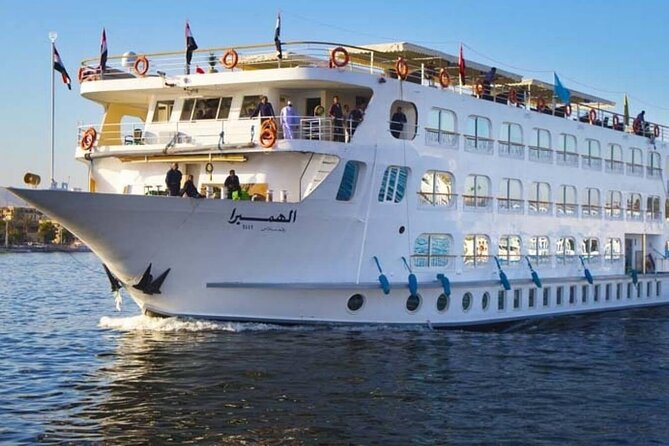
This is one of those Egypt plans that tries to solve a real problem: getting from Cairo to the Upper Nile without burning days in transit. You start in Cairo with hotel time, then use domestic flights to reach Aswan and later return from Luxor back to Cairo.
That flow matters because it lets you concentrate on monuments rather than logistics. You’re also not left to figure out timing on your own—airport transfers and an included professional guide handle the handoffs, so you can stay in “see it, enjoy it” mode.
And since it’s a private tour for your group, the pace tends to feel more controlled. You’re still moving through major sites, but the rhythm is designed for a smooth day-to-day sequence.
You can also read our reviews of more boat tours in Cairo



Day 1 in Cairo: arrival transfer and an easy first night
Day 1 is straightforward: welcome to Egypt, included transfer to your Cairo hotel, then an overnight. It’s a good structure for jet lag because you’re not forced into a long first-day museum crawl.
You also get your bearings. Cairo is big and busy, and even when you’re excited, it helps to have one day where you’re not constantly navigating. You’re starting from a known base, with your guide role kicking in more clearly on the later sightseeing days.
Day 2: Giza Plateau with the Sphinx, then the Egyptian Museum and optional Khan el Khalili
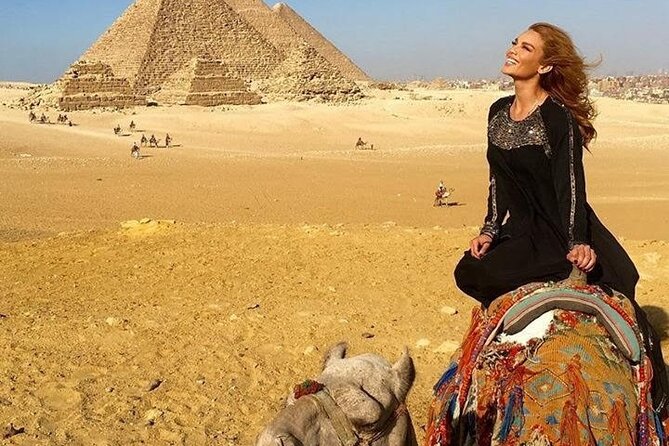
This is the classic Cairo day, and it’s planned like a one-two punch.
Giza Plateau: Pyramids and Sphinx with ticketed entry
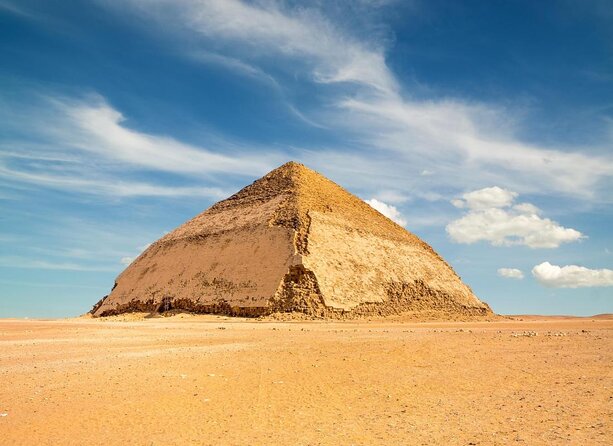
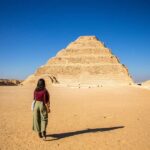
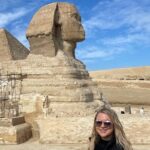
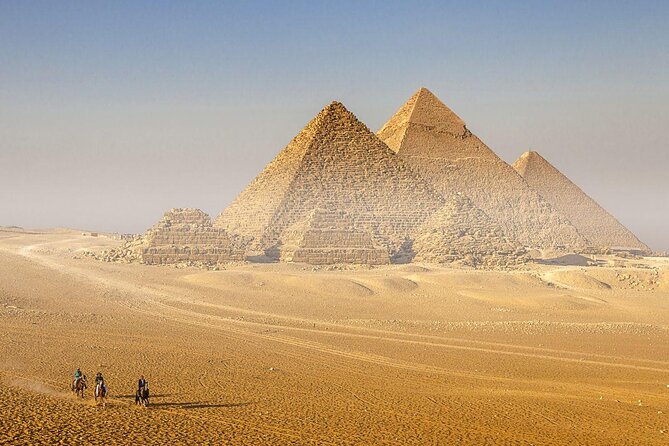
You’ll visit the Pyramids of Giza and the Sphinx on the Giza Plateau with admission included. The plan calls out Cheops (Khufu) as the largest pyramid and notes the scale—over 2.5 million limestone blocks and a build time thought to exceed 20 years.
Practical note: Giza is visually huge, and it can help to give yourself time to stand back and look, not just rush from one close-up photo spot to another. You’ll get a feel for how those forms dominate the skyline.
Egyptian Museum: King Tutankhamun highlights
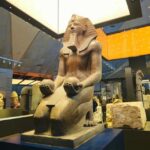
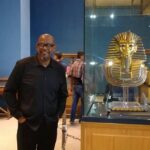
Next comes the Museum of Egyptian Antiquities (Egyptian Museum), also with admission included. The focus is the museum’s treasures tied to King Tutankhamun, including the famous solid gold funerary mask.
This is where a guide helps you feel oriented fast. Egyptian museum visits can turn into wandering if you don’t know what to prioritize. You’ll have a clear target list for the time you have.
You can also read our reviews of more private tours in Cairo



Optional Khan el Khalili Bazaar
After the museum, there’s an optional visit to Khan el Khalili Bazaar. That’s a nice option if you want market atmosphere, snacks, and that Cairo street energy.
If you’re more “monument-only” than “shopping and wandering,” you can skip it and save energy. Either way, you’ll transfer back to your hotel for another night in Cairo.
Then the domestic flight to Aswan
Day 2 ends with a domestic flight to Aswan the next morning. That means you’re moving toward the cruise portion without losing the Cairo highlights you really want.
Day 3 Aswan: Philae temples, the High Dam, and a softer day on the river
Aswan is your first true stop on the Upper Nile. You’ll arrive, check in on the Nile cruise, and then do a focused sightseeing block.
Temple of Philae: Isis, relocation, and the temple-with-a-story effect
You’ll visit the Temples of Philae, dedicated to the goddess Isis. The tour highlights a key detail that makes this stop more than a pretty backdrop: the temples were moved in the last century to a higher site to avoid flooding.
That relocation detail changes how you see the whole complex. It adds urgency and human history to the story, not just ancient stone.
Aswan High Dam and then leisure time
After Philae, you’ll visit the Aswan High Dam, then have the rest of the day at leisure. That leisure time is important. You’re about to spend several days alternating between early starts and temple visits. A day to breathe, shop in souqs, or just relax on the ship helps the trip feel enjoyable rather than exhausting.
Day 4 Abu Simbel at dawn, then cruise time and Kom Ombo on the route
This is the day that often defines whether people feel they got the “real Egypt” moment.
Abu Simbel Temple Complex: Ramses II’s rock-cut statement
You’ll head to the Abu Simbel Temple Complex with an early morning start around 4:30 AM. The emphasis is the Sun Temple of Ramses II, carved into rock and built to revere the mighty pharaoh.
If you’ve seen photos, this still hits differently in person. These temples don’t feel small or decorative. They’re built to be noticed from a distance, and the scale is part of the impact.
Why the early start is worth it
An early departure is not just for schedule control. It usually means cooler temperatures and less midday glare, which makes walking the temple approach easier and lets you spend more time looking and less time fighting heat. It also sets the tone: you’re doing Abu Simbel with focus.
Back onboard: cruising, relaxing, and sailing past Kom Ombo
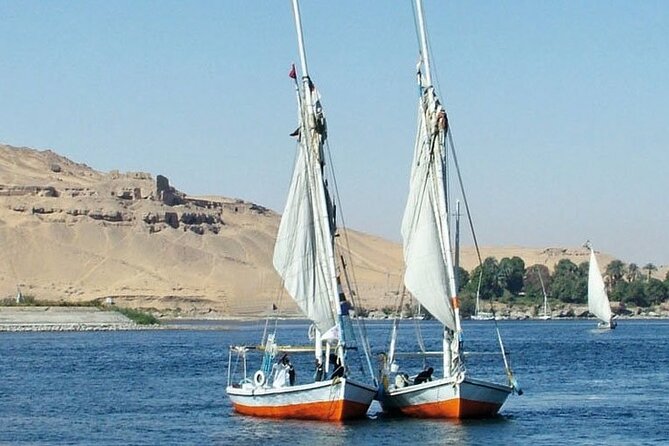
Once you’re back, you relax and sail the Nile. The plan includes Kom Ombo in the cruising section, though the provided details focus more on sailing time than a separate Kom Ombo temple visit description.
Either way, the value of this day is the contrast: dawn monument intensity, then a ship-based “reset” as the river carries you onward.
Day 5 Edfu Temple of Horus, Esna Lock, and Luxor’s Karnak plus East Bank temples
Today keeps you on the temple trail, but it’s arranged to follow the geography—Edfu first, then onward to Luxor.
Temple of Horus at Edfu: a strong change of pace
In the morning you’ll visit the Temple of Horus in Edfu. This is a good mid-cruise anchor stop because it feels distinct from both Cairo and Luxor. You’re still looking at pharaonic art and sacred architecture, but the mood and setting shift as you move upstream.
The admission is included, so you don’t have to manage ticket lines while you’re in the middle of the sightseeing flow.
Sailing toward Luxor and Esna Lock
After Edfu, you’ll sail again toward Esna Lock and then onward to Luxor. If you’ve never watched a lock system in action, it can be a quiet reminder that the river isn’t just scenery—it’s a working route.
Luxor East Bank: Karnak and Luxor Temple at dusk
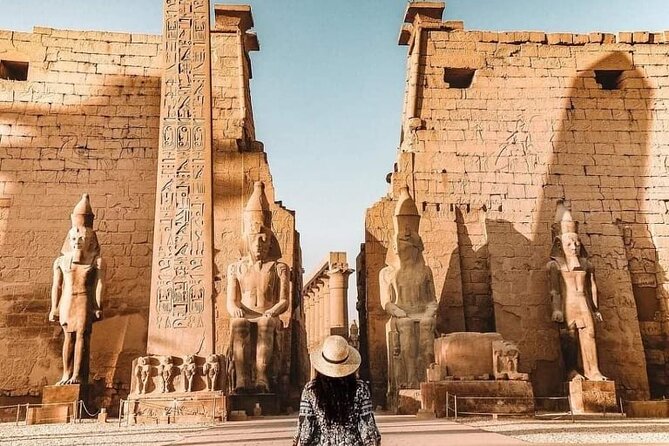
In the afternoon, you tour the ancient city of Thebes (East Bank), including the Temple of Karnak. The plan calls Karnak a massive complex of sanctuaries and pylons dedicated to the Theban gods.
Then you have Luxor Temple at dusk, with it described as illuminated at night. This is one of the smartest placements on the schedule: late-day lighting tends to make temples feel more cinematic and less harsh.
Day 6 Luxor West Bank: Colossi of Memnon, Hatshepsut, Valley of the Kings highlights
West Bank Luxor is the morning’s big pay-off. You check out of the Nile cruise, see the highlights on the West Bank, and then fly back to Cairo.
Colossi of Memnon: the first monuments you meet
You’ll start with the massive pair of statues known as the Colossi of Memnon. The plan notes they’re among the first monuments you’ll see during the West Bank morning.
These statues work as a kind of gateway. Once you spot them, it’s easier to understand how the West Bank temple world is built for monumental impact.
Temple of Queen Hatshepsut
Next is the colonnaded Temple of Queen Hatshepsut. This stop adds variety because Hatshepsut’s temple layout and storytelling feel different than the “statues first” vibe.
Valley of the Kings: your main West Bank moment
You’ll also visit highlights of the Valley of the Kings. Even without going into niche detail, it’s a famous enough site that it’s worth giving it time to sink in.
Fly Luxor → Cairo, then one more Cairo night
After the West Bank tour, you transfer to Luxor airport for your domestic flight back to Cairo. Then you return to your Cairo hotel for another overnight, which gives you a chance to decompress before your final departure day.
Day 7: return transfer to the airport for your international flight
Day 7 is a clean finish: your adventure ends with an included departure transfer to the airport in time for your international flight.
That matters because Egypt can make travel days feel chaotic if you’re guessing timing. Here, the plan aims to keep your ending simple.
Price and value: what $1,300 covers (and why it can make sense)
At $1,300 per person, this isn’t a budget trip. So you’ll want to look at what’s wrapped into the price.
Here’s what the tour includes in a tangible way:
- Cairo hotel accommodation
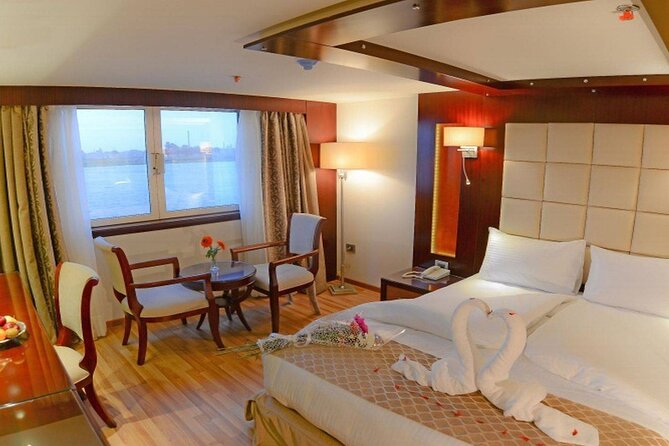
- A premium 5-star Nile cruise with full-board style support
- Round-trip domestic flights: Cairo → Aswan, Luxor → Cairo
- Professional guide for the excursions
- Air-conditioned vehicles for excursions and transfers
- Admission tickets for major stops like Giza and the Egyptian Museum, plus other included temple entries
- Meals are part of the package (listed as Breakfast (6), Lunch (4), Dinner (3))
For many people, the biggest value is the way it stitches together flights + hotels + guide + key admissions so you’re not piecing everything together yourself. Domestic flights in particular are often the hidden cost when you plan a trip on your own.
When might the price feel high? If you mainly want Cairo and hate early starts, you won’t use as much of the cruise portion. Also, if you’re the type who never shops and rarely wants any optional extras, your “included value” comes mostly from temples and the cruise comfort—which still can be plenty, but it’s a narrower match.
Who this tour fits best (and who should think twice)
This is a strong fit if you want a well-paced mix of Cairo and Nile temples without spending days moving between regions. It’s also a good match if you care about comfort: the plan is built around a premium 5-star cruiser, not a basic boat.
It may not be ideal if you:
- dislike early wake-ups (Abu Simbel starts around 4:30 AM)
- get stressed by back-to-back major sites
- want lots of unstructured time with no fixed schedule
Most people can participate, and the trip includes air-conditioned transport plus bottled water, which helps a lot in Egypt’s heat.
Practical tips so the monuments feel enjoyable, not exhausting
A tour like this can feel amazing, but only if you prepare a little.
- Pack for heat and long outdoor time: light layers, sun protection, and shoes you can walk in for temple areas.
- Plan your day around early mornings. When Abu Simbel is on the calendar, treat sleep like part of the itinerary.
- Bring small cash for personal expenses and souvenirs. Optional stops like Khan el Khalili depend on what you feel like doing.
- If you’re sensitive to crowds, remember that the most famous sites draw attention. A guide can help you get the most out of the time you have.
Also, the plan includes admission tickets for the major monuments. Still, keep your timing flexible—temple areas can involve queues and security checks.
Should you book this Cairo and Nile Cruise?
I’d book it if you want a classic Egypt “greatest hits” plan done with private comfort and a real anchor moment at Abu Simbel. The value is strongest when you count the included cruise nights, Cairo hotel stay, domestic flights, guide, and admission tickets as a package.
I would pause and think twice if you hate early mornings or prefer a slower, more spontaneous travel style. This itinerary is designed to maximize major monuments across Cairo, Aswan, Edfu, and Luxor, and it rewards visitors who like momentum.
If you can handle that, this is the kind of trip that leaves you with a clean story: pyramids and Tutankhamun in Cairo, Isis at Philae, Ramses II at Abu Simbel at dawn, then Horus and the Luxor temples, ending with the West Bank’s most famous sights.
FAQ
Is this a private tour?
Yes. It’s listed as a private tour/activity, meaning only your group participates.
What’s included for Cairo sightseeing like the Pyramids and the Egyptian Museum?
Admission tickets are included for the Pyramids of Giza and the Sphinx and for the Museum of Egyptian Antiquities.
How do you get between Cairo, Aswan, and Luxor?
You use domestic flights: round-trip Cairo to Aswan and Luxor to Cairo, with airport transfers included.
Is the Abu Simbel Temple Complex visit included, and when does it start?
Yes, the Abu Simbel Temple Complex visit is included, with an early morning start around 4:30 AM.
What meals are included during the trip?
The package includes meals listed as Breakfast (6), Lunch (4), and Dinner (3), plus full board on the 5-star Nile cruise.
What if weather causes a cancellation?
The experience requires good weather. If it’s canceled due to poor weather, you’ll be offered a different date or a full refund.