Fast dunes, bigger payoff.
This Hurghada desert super safari mixes high-energy riding with a classic Bedouin evening, so your day doesn’t feel like one long wait in a vehicle. I like that you get a quick ATV test run before you head out, and I also like the variety: ATV quad biking, a drive buggy, camel time, dinner, and a show all roll into one 8-hour block.
One thing to keep in mind: the base price doesn’t cover everything on the ground. You’ll want cash for the national park admission fee and there can be extra paid add-ons during the stops, so set expectations early and keep your spending in your own control.
In This Review
- Key things to know before you go
- Why This Hurghada Super Safari Works for a One-Day Desert Fix
- Price and What’s Actually Included (and What Isn’t)
- Pickup, Timing, and How the 11:30am Start Shapes Your Day
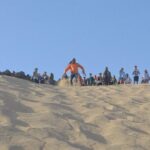
- ATV Quad Bike Test Run, Mirage Stop, and the Dune Climb
- Switching to the Drive Buggy: More Adrenaline, Different Feel
- Jeep Super Safari to Bedouin Village: Camel Ride and Local Stops
- Stargazing with a Digital Telescope After Sunset
- Bedouin Dinner Buffet, Tea, and Watching the Sunset from the Mountain
- The Bedouin and Egyptian Show: Belly Dancing and Tanura
- Practical Tips: Cash for Fees, Add-On Pressure, and Camera Planning
- Who This Tour Suits Best (and Who Might Want Another Option)
- Should You Book This Tour or Skip It?
- FAQ
- What time does the Hurghada Super Safari start?
- How long is the tour?
- Where does the tour take place?
- How much does it cost?
- Is hotel pickup and drop-off included?
- What rides and activities are included?
- What dinner and drinks are included?
- Is there entertainment during the evening?
- Are there any fees not included in the price?
- What is the cancellation policy?
Key things to know before you go
- ATV + buggy back-to-back gives you both the tight, bumpy dunes feel and the faster “race across the sand” vibe
- Digital telescope stargazing is included, which is a standout compared to the usual desert photo stop
- Dinner is timed around sunset from the mountain area, then you continue into night skies and entertainment
- Camel ride + Bedouin village visit adds culture without turning the day into a lecture
- Group size caps at 30, so the experience stays lively instead of chaotic
Why This Hurghada Super Safari Works for a One-Day Desert Fix
If you want one day in the desert that actually feels like the desert, this plan is built for motion. You’re not just sitting on the edge of sand and taking pictures. You ride, you switch vehicles, you get camel time, and the evening turns into a full desert night routine: sunset, dinner, then stargazing and a performance.
I also like the pacing. Starting at 11:30am means you don’t waste your morning in traffic. By the time the sun drops, you’re already set up for the best part of the evening: the sky. And because it’s a super safari format, you get both the adventure side and the Bedouin cultural side in one go.
A few more Hurghada tours and experiences worth a look
Price and What’s Actually Included (and What Isn’t)
The headline price is $17 per person, which is the kind of number that makes you think this will be basic. In practice, the value comes from what’s packed in: hotel pickup and drop-off, an air-conditioned vehicle, helmet and safety equipment, ATV quad ride, buggy drive, and a Jeep tour that includes a Bedouin village visit plus camel ride.
Dinner is also included: Bedouin dinner with tea and water. You also get the Bedouin and Egyptian show, with live entertainment that includes belly dancing and a Tanura.
What’s not included is where you should plan ahead. There’s national park admission (€5 per person, cash). If you’re staying outside the main Hurghada pickup zone (El Gouna, Safaga, Somabay, Makadi, Sahl Hasheesh), there’s an extra (€10 per person, cash). That doesn’t sound huge, but it’s the difference between a “cheap ticket” and the real final cost after you land on the ground.
Pickup, Timing, and How the 11:30am Start Shapes Your Day
This experience starts at 11:30am and runs about 8 hours. That timing matters. Late morning departure gives you enough daylight for the rides and the early desert scenery stops. Then you roll into the evening while it’s still bright enough for the dune moments, and you finish under the stars.
The day flows like this:
- You begin with vehicle pickup and transfer to the activity area.
- You do ATV riding and dune stops in daylight.
- You continue with buggy driving.
- You head to the Bedouin village area and do camel ride time.
- You reach the camp area for dinner and the sunset-to-night transition.
- You end with entertainment plus stargazing using a digital telescope.
Because it’s one long circuit, it’s smart to treat it like a day trip: eat before pickup if you can, and plan to be in the desert for most of the daylight and night.
ATV Quad Bike Test Run, Mirage Stop, and the Dune Climb
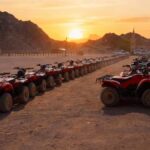
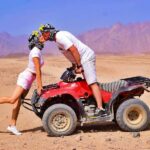
The ATV portion is built around confidence first, speed second. You’ll take a test run at the bike station so you can get a feel for the controls before you head into the dunes. That step is underrated. On desert safaris, the scariest part is often the first few minutes—when you’re trying to learn while already bouncing over sand. Here, you get a buffer.
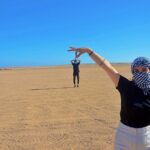
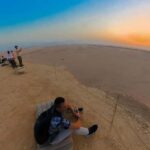
Once you’re out there, you’re driving sandy terrain that can feel loose and unpredictable. The highlight stops include seeing a mirage and then climbing a sand dune. Even if you’re not a physics person, mirages are one of those desert moments that look unreal in real life. It’s also a good reminder: the desert has its own visual rules, and the tour gives you a chance to notice them.
Practical note: ATV rides can be rough on your hands and lower arms if you grip too hard. I find it helps to relax your elbows and let the machine do some of the work. Also, if you’ve got motion sensitivity, the dune bouncing can be intense. The helmet helps, but it won’t fix every kind of stomach.
Switching to the Drive Buggy: More Adrenaline, Different Feel
After the ATV, you switch gears to a buggy car ride. This part is where the adrenaline ramps up again, but with a different driving feel. Instead of the single-rider ATV vibration and constant balance work, you’re racing across dunes in a vehicle that changes how you absorb the bumps.
The description focuses on conquering the desert and feeling that rush as you move across sand. That’s exactly what you should expect: faster movement, more dune-to-dune driving, and a more “adventure ride” vibe than the calmer cultural stops.
If you’re traveling with friends or family, this is also where the group energy changes. ATV time can feel like everyone’s focused. Buggy driving tends to create more shared excitement—more point-and-laugh moments, more cheering as the vehicle tackles a dune.
A few more Hurghada tours and experiences worth a look

Jeep Super Safari to Bedouin Village: Camel Ride and Local Stops
The tour doesn’t stop at riding. It shifts into Bedouin cultural time with a Jeep tour that includes a visit to a Bedouin village and an insight into the Bedouin pharmacy.
That pharmacy detail is interesting because it gives you a window into how people interpret plants and remedies. It’s not a museum-style history lesson. It’s presented as part of daily knowledge. You’ll also have a drink when you start the Bedouin village segment, which helps break up the adrenaline with something simple and human.
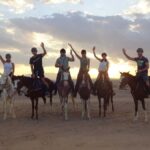
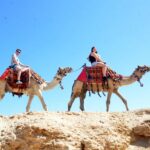
Then comes the camel ride. I like camels because they slow you down in a way ATVs can’t. You get a different perspective: quieter, higher, and more “you are in the desert” than “you are on a ride.” Camel time is also one of the best ways to stretch your legs after hours in vehicles.
Two practical thoughts:
- Wear something that covers well and protects from wind and sand.
- If you’re nervous about height or animals, take it slow and let the handlers guide you. The ride is short, but the first step matters.
Stargazing with a Digital Telescope After Sunset
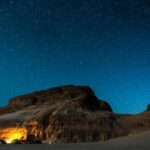
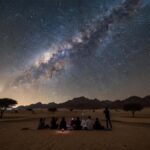
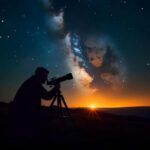
This is one of the most distinctive parts of the whole evening: stargazing using a digital telescope. Most desert tours give you generic darkness and maybe a quick photo. Here, you’re given equipment meant for looking at the sky, which can make the night feel educational rather than just pretty.
The timing also helps. Dinner and the sunset happen before the sky segment, so you’re not scrambling to be cold and hungry while trying to see stars. You’re already settled into the evening rhythm.
If clouds move in or visibility is poor, you might not get the same view as a crystal-clear night. Still, the idea—using a digital telescope in an area that’s dark enough to matter—is a strong upgrade.
Bedouin Dinner Buffet, Tea, and Watching the Sunset from the Mountain
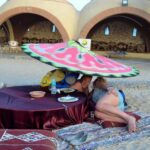
Dinner is a major part of the experience, and it’s not just “food and go.” You’ll watch the sunset from the mountain area, then move into Bedouin dinner with tea and water. The dinner is described as an open-buffet, which usually means you can take your time and build a plate without waiting for a strict serving schedule.
Food-wise, you can expect local touches as part of the Bedouin dinner style. It’s the kind of meal meant to be eaten slowly while you soak in nightfall and people-watch the camp scene.
One thing I’d plan for: desert evenings can cool down. Even if Hurghada daytime is warm, the temperature drop hits your comfort level fast once you stop moving. Bring a light layer you can pull on during or after dinner.
The Bedouin and Egyptian Show: Belly Dancing and Tanura
After dinner, the evening turns into live entertainment: a Bedouin and Egyptian show featuring belly dancing and a Tanura performance. This is the part where the tour leans into the “you’re in a desert camp tonight” mood.
Here’s why it works: the performance gives you structure to the night. You’re not just standing around waiting for something to happen. You sit, watch, and then the night sky comes afterward.
As always, set expectations with a performance mindset. This isn’t a quiet cultural event where every detail is explained. It’s meant to entertain while you’re in a special setting. If you’re into stage shows, you’ll likely enjoy it. If you prefer learning-focused tours, treat the show as the entertainment segment and focus your attention on the village and pharmacy stops for the context.
Practical Tips: Cash for Fees, Add-On Pressure, and Camera Planning
Let’s talk money on the ground, because this is where your experience can swing.
You have required cash costs:
- National park admission (€5 per person, cash)
- Possible extra transfer fee (€10 per person, cash) if you’re coming from El Gouna, Safaga, Somabay, Makadi, or Sahl Hasheesh
Then there’s the optional add-on world. One of the more frustrating patterns with desert tours (and something I’d personally avoid if it annoys you) is the habit of offering small paid purchases and extra interactions. You might be offered things like:
- scarves and rentals (like glasses) for extra cost
- paid animal photo options or paid animal visits
- extra charges for basic services like toilets
You don’t have to buy any of that. The trick is to decide before you’re standing there with sand in your shoes. If you wear glasses, bring your own. If you like taking photos, decide whether you want to pay for extras. Keep small bills so you’re not surprised, and keep a firm grip on how much you’re willing to spend beyond the ticket.
Also bring:
- sunglasses and sun protection
- a way to protect your phone/camera from dust
- a small bag for water/tea items if you tend to get thirsty between segments
The helmet is included, so you don’t need to source that part yourself. Still, comfort matters—smooth surfaces for straps and a fit that doesn’t twist can make the ride less annoying.
Who This Tour Suits Best (and Who Might Want Another Option)
This is a great fit if you want a single desert day that has:
- real driving time (ATV + buggy)
- a camel ride
- a full evening with dinner and a show
- and something a bit different, like digital telescope stargazing
It’s also a strong choice if you like a guided structure. The desert is big and tricky to navigate alone. Here, someone else handles the route, timing, and the handoffs between activities.
It might be less ideal if:
- you’re very sensitive to bouncing and motion
- you hate feeling upsold for extras at stops
- you prefer a more quiet, minimal-interaction cultural tour and less entertainment
Also, start mentally prepared for dust. Even with helmets and controlled areas, desert wind finds you. Dress for that, not for comfort perfection.
Should You Book This Tour or Skip It?
I’d book it if you want an active Hurghada desert super safari day that mixes adrenaline with a proper Bedouin night: ATV, buggy, camel ride, sunset dinner, then show and stargazing. The “digital telescope” element alone is worth paying attention to because it turns the night sky into more than a pretty backdrop.
I’d hesitate if you’re likely to get irritated by cash add-ons or paid extras during the stops. In that case, set your rules before you arrive: bring your required cash for fees, bring your own essentials (like glasses), and stick to what’s included unless you truly want the extra purchases.
If you want a fun, structured desert day and you’re okay with the reality of desert tourism economics, this one is a solid bet.
FAQ
What time does the Hurghada Super Safari start?
The experience starts at 11:30am.
How long is the tour?
The duration is about 8 hours.
Where does the tour take place?
It’s based in Hurghada, Egypt.
How much does it cost?
It’s listed at $17 per person.
Is hotel pickup and drop-off included?
Yes. Hotel pickup and drop-off are included, along with an air-conditioned vehicle.
What rides and activities are included?
You’ll get an ATV quad bike ride and a drive buggy car ride. The tour also includes a Jeep tour to the Bedouin village area, a camel ride, and Bedouin-related activities.
What dinner and drinks are included?
Dinner is included with tea and water.
Is there entertainment during the evening?
Yes. There is a Bedouin and Egyptian show, including belly dancing and Tanura.
Are there any fees not included in the price?
Yes. National park admission (€5 per person) is not included and is paid in cash. If you need transfer from certain areas (El Gouna, Safaga, Somabay, Makadi, Sahl Hasheesh), there is also a €10 per person cash fee on the spot.
What is the cancellation policy?
You can cancel for a full refund up to 24 hours before the experience starts.