REVIEW · ABU SIMBEL
Abu Simbel Temple QR Tickets
Book on GetYourGuide →Operated by FTS Travels · Bookable on GetYourGuide
Abu Simbel is all about timing. With pre-booked QR tickets, you can reduce the hassle and spend more of your precious visit with Ramesses II’s rock-cut temples in front of you. These twin temples sit south of Aswan on the Lake Nasser shorelines and carry serious New Kingdom power in stone.
I like two things most: first, you get an authorized entrance QR from the supplier (not just a booking email), and you scan it at entry after any security check. Second, the experience is straightforward for the price: entrance is included, and hotel pickup/drop-off is only if you select it. The main drawback is communication timing—if the supplier is slow, you may receive the final QR later than expected, so treat the day-before QR as non-negotiable.
In This Review
- Key Things to Know Before You Go
- Abu Simbel Temple QR Tickets: What You’re Really Buying
- Your Ticket Delivery: QR vs Booking Confirmation (Don’t Get Tricked)
- Getting In on the Day: Security, Scanning, and Fast Entry
- The Temples of Ramesses II: What You’ll See (and Where to Look)
- A simple self-guided plan
- Timing: Opening Hours and Why Sunrise Can Matter
- Pickup and Drop-off: Convenience If You Select It
- What’s Included, What’s Not, and How to Budget Smart
- Price and Value Check (Is $27 Worth It?)
- Practical Packing and ID Checklist
- Who This Ticket Suits Best (and Who Might Struggle)
- Should You Book This Abu Simbel QR Ticket?
- FAQ
- FAQ
- How much do Abu Simbel Temple QR tickets cost?
- Where are the Abu Simbel Temples located?
- What is included with the ticket?
- Do I get a guide with this experience?
- Are drinks included?
- When will I receive the QR ticket that allows entry?
- Is the GetYourGuide QR confirmation valid for entrance?
- What time are the temples open?
- What ID do I need to bring?
- What should I do if my ticket doesn’t work at the entrance?
Key Things to Know Before You Go
- Skip the line with a supplier-issued entrance QR for Abu Simbel Temple
- Get the right QR: the GetYourGuide confirmation alone is not valid for entry
- Pick up your ticket ahead of time: you should receive it one day before
- Security check can happen: show your QR and expect scanning at the door
- No guide included: you’re doing this self-guided with your own plans
- Last admission matters: last ticket entry is 4:00 PM
Abu Simbel Temple QR Tickets: What You’re Really Buying
This ticket is mainly about access and convenience. You’re paying $27 per person for an entrance ticket that comes with a pre-booked process designed to save you from long queues at Abu Simbel—one of Egypt’s most in-demand ancient stops.
I think this is good value if you care about time. Abu Simbel isn’t an “hour and done” kind of place. Between travel time, heat, and the sheer visual impact of the temples, arriving and entering smoothly can change your whole experience.
One more practical note: your ticket covers the temple entry, not guiding. That means you’re responsible for your own pace and interpretation. If you want a guided narrative, you’ll need to arrange that separately.
You can also read our reviews of more tours and experiences in Abu Simbel.
Your Ticket Delivery: QR vs Booking Confirmation (Don’t Get Tricked)
Here’s the part that matters most for a stress-free visit.
After booking, you should receive a confirmation from GetYourGuide, but that confirmation is not the same thing as an entrance ticket. In other words, don’t show the confirmation and assume it works at the gate.
What you need for entry is the QR code sent by the activity supplier one day before your trip. This supplier QR is authorized by the Ministry of Tourism, and it’s the one staff scan for access. If you book on the same day, the supplier contacts you to send the tickets as soon as possible—so expect delays if you wait too late.
Also, keep your eye on your inbox. The ticket delivery is split: you might get a booking message first, then the actual entrance QR later. One past experience described confusion around documentation and the way information was delivered, so plan to double-check that you have the correct QR right before you head out.
Getting In on the Day: Security, Scanning, and Fast Entry
On the day of your visit, you should expect a straightforward arrival workflow.
You may go through a security check before entering the museum area. After that, staff will ask for your QR code. You show it on your phone or device, they scan it, and you’re in.
If someone tells you the ticket is not valid, the right move is not to debate or pay extra on the spot. Contact your supplier immediately. The instruction is clear: don’t make any additional payments.
This is exactly where pre-booking helps. You’re not trying to solve problems at the last minute when lines are forming and everyone is tired.
The Temples of Ramesses II: What You’ll See (and Where to Look)
Even without a guide, Abu Simbel is designed to be understood with your eyes.
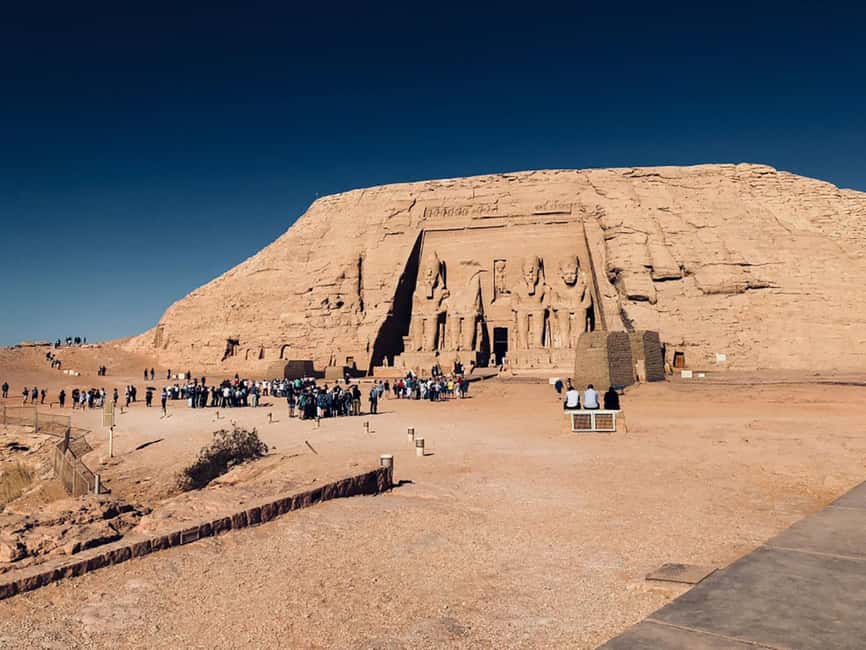
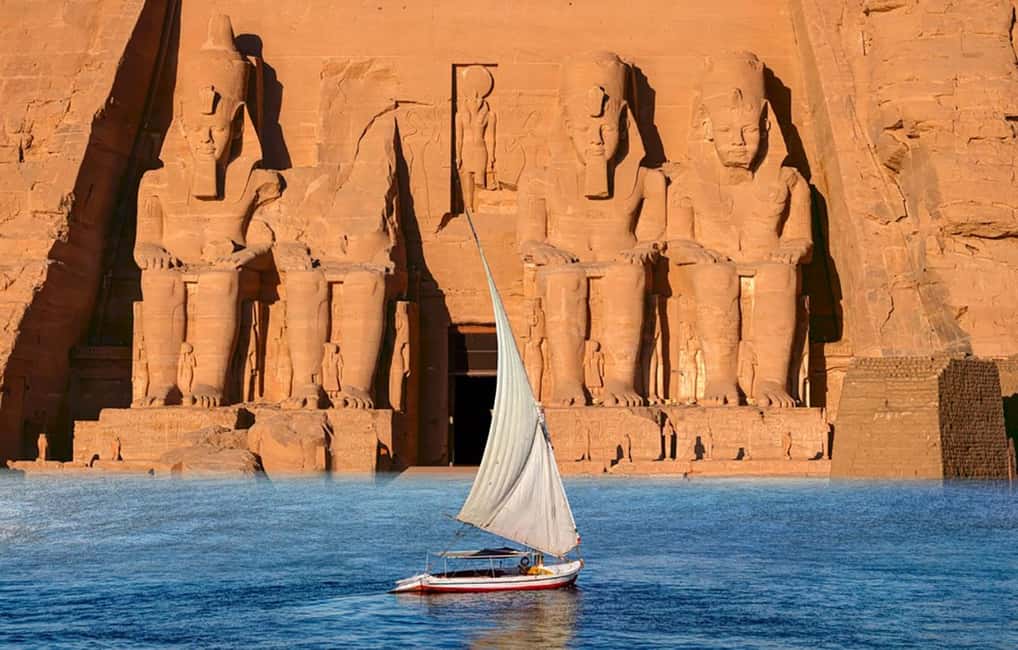
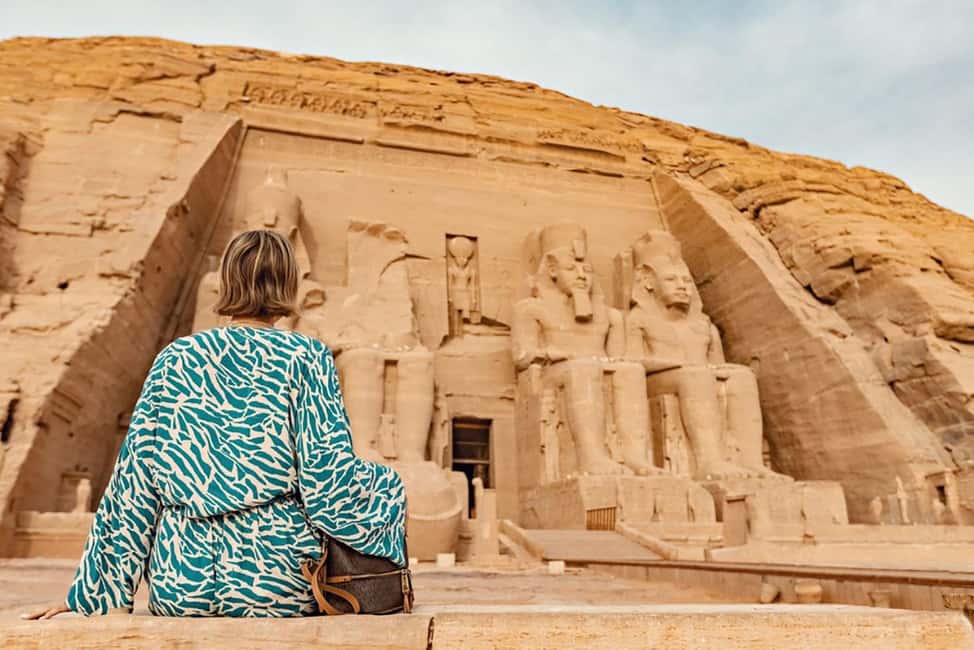
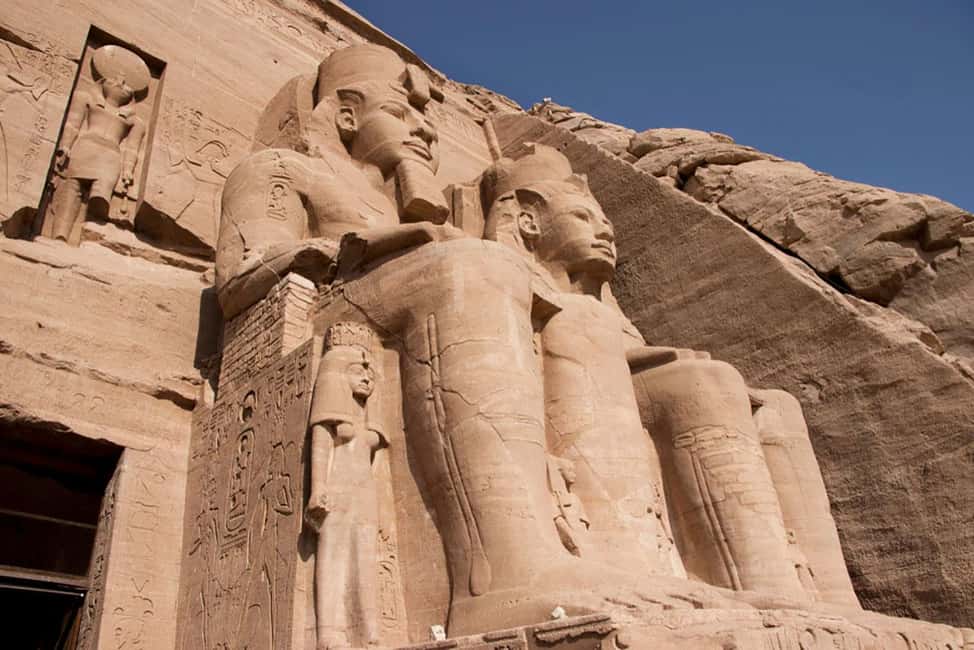
The bigger temple is linked to Pharaoh Ramesses II, and the entrance guards are four colossal statues. These are among the largest surviving Pharaonic sculptures from that ancient era. They loom at the threshold like a “this is power” message carved for anyone who walks up the hill.
You’ll also see that Abu Simbel isn’t just one building. There are twin temples, tied to Ramesses II and his beloved queen, Nefertari. The symbolism is built into the architecture and the way the temples mark status—Egypt’s strength extending south toward Nubia during the New Kingdom.
There’s also a historical storyline baked into the site’s purpose. The temples commemorate Ramesses II’s triumph at the Battle of Kadesh. Even if you don’t memorize details, you’ll feel the intention: rulers wanted their achievements to be visible in stone for centuries.
A simple self-guided plan
If you’re going on your own, do this:
- First, take in the whole façade and entrance statues.
- Then shift your attention to the smaller temple and compare the twin layout.
- Finally, spend time on carvings and architectural details while you still have energy.
You’ll get more out of the visit if you treat it like a slow photo walk with pauses for reading what’s in front of you.
Timing: Opening Hours and Why Sunrise Can Matter
The temples are open daily from 6:00 am to 5:00 pm, with last ticket admission at 4:00 PM. That last entry time is important. If you arrive late, you can miss the chance to get fully inside.
One experience highlighted the joy of being there at sunrise. Even if you don’t chase sunrise as a goal, early hours usually mean cooler temperatures and a calmer start. Abu Simbel can feel intense in the heat, so starting earlier gives you breathing room.
Also, if your goal is photography, sunrise (or at least early morning light) can improve the way the rock surfaces and stone details show up in photos. It’s not magic—just physics and less glare.
Pickup and Drop-off: Convenience If You Select It
The ticket can include hotel pickup and drop-off if you select that option. That matters at Abu Simbel because the site is far from Aswan city. Having a planned ride reduces stress and helps you keep to your entry timing.
If you don’t select pickup, you’ll still have the entrance ticket, but you’ll need your own logistics to get there and back. For many people, paying for pickup time-saving is part of the “value” here—even if the core ticket itself is just the entrance.
No matter what, this experience ends back at the meeting point, so plan the rest of your day around a return.
What’s Included, What’s Not, and How to Budget Smart
This ticket includes:
- Entrance ticket to the Abu Simbel Temple
- Pickup and drop-off from your hotel if that option is selected
It does not include:
- A guide
- Drinks
That no-guide detail changes your expectations. You’re buying access, not interpretation. If you want someone to connect the site to the broader story of Egypt’s New Kingdom and the symbolism of the statues and twin temples, consider arranging a separate guide.
Since drinks aren’t included, it’s worth thinking ahead. Bring what you need for comfort. Even if you only buy what’s available on-site, you’ll feel better if you aren’t scrambling mid-visit.
Price and Value Check (Is $27 Worth It?)
At $27 per person, you’re not paying for a fancy tour package. You’re paying for:
- an entrance ticket handled through a pre-booked workflow
- a supplier-issued QR designed for scanning at the gate
- optional hotel pickup/drop-off convenience
That’s good value when you’re trying to protect your time. Abu Simbel is one of those places where “saving 30 minutes” is not about luxury—it’s about keeping the day functional. If you’d otherwise spend time in lines or risk paperwork problems, the convenience factor can easily be worth the cost.
If you’re traveling with a very flexible schedule and you already have solid logistics worked out, you might feel less urgency about pre-booking. But the whole point here is to reduce uncertainty at the entry point. For many people, that’s where the money goes to work.
Practical Packing and ID Checklist
Don’t show up to the gate empty-handed. You’ll need:
- Passport or ID card
- Comfortable shoes
- Sunglasses
The ID requirement is explicit: visitors must show valid identification. For safety and speed, keep your ID and your QR ready in the same spot so you don’t dig around during scanning.
Who This Ticket Suits Best (and Who Might Struggle)
This setup is ideal if you:
- want to skip waiting in line
- value clear entry instructions and timed access
- are comfortable exploring on your own without a guide
- want optional hotel pickup to reduce travel stress
It can be less smooth if you:
- need last-minute ticket delivery and might book too close to departure
- rely on support that may take time to resolve communication issues
- expect a fully guided experience included in the price
One experience described ticket delivery arriving shortly before release after big communication problems. That doesn’t mean it will happen to you, but it is a reminder to treat the day-before QR timing as essential.
Should You Book This Abu Simbel QR Ticket?
If your top priority is simple entrance to a high-demand site, I’d book this. The main advantage is the supplier-issued QR you scan for access, plus the chance to avoid line stress.
I’d think twice if you want a guided tour included, because guide services aren’t part of the package. Also, don’t gamble with timing—make sure you receive the QR code from the supplier one day before your visit so you’re not trying to fix problems at the gate.
If you’re planning Abu Simbel as a highlight of your Egypt trip, getting in smoothly lets you focus on what really matters: the scale of Ramesses II’s monuments, the twin temples, and the feeling of standing in a piece of ancient power.
FAQ
FAQ
How much do Abu Simbel Temple QR tickets cost?
The price is $27 per person.
Where are the Abu Simbel Temples located?
They’re located south of Aswan on the shores of Lake Nasser, in the Aswan Governorate, Egypt.
What is included with the ticket?
The ticket includes the entrance ticket to the Abu Simbel Temple, and pickup/drop-off from your hotel if you select that option.
Do I get a guide with this experience?
No. A guide is not included.
Are drinks included?
No. Drinks are not included.
When will I receive the QR ticket that allows entry?
You should get the supplier QR ticket one day before your visit.
Is the GetYourGuide QR confirmation valid for entrance?
No. The GetYourGuide confirmation QR is only a booking confirmation and cannot be used as an entrance ticket.
What time are the temples open?
They’re open daily from 6:00 am to 5:00 pm, and last ticket admission is at 4:00 PM.
What ID do I need to bring?
You need a passport or ID card, and you must show a valid ID at entry.
What should I do if my ticket doesn’t work at the entrance?
Contact your supplier immediately and do not make any additional payments.