REVIEW · CAIRO
9 Day Egypt travel Cairo and Nile Cruise from Aswan to Luxor
Book on Viator →Operated by Egypt Tours Club · Bookable on Viator
Egypt in nine days, with your feet mostly resting. I love the all-in-one logistics: airport pickup, A/C transfers, hotels, sleeper train, and a Luxor-Cairo flight. I also like the Egyptologist-led sightseeing in Cairo, Alexandria, and on the Nile cruise, so you’re not just looking at monuments. One catch: the schedule is tight, and extras like inside-pyramid entrances are not included.
You’ll move between Cairo’s top monuments and the Nile route with a mix of fast days and slower boat time, plus meals planned for you. Over the trip, you’ll get 4-star hotel comfort for four nights, then three nights on the cruise, with breakfast, lunch, and dinner included on most days. If you’re the type who loves a lie-in, plan for some early pickups.
In This Review
- Quick take: what makes this Egypt trip tick
- Route Snapshot: Cairo, Alexandria, Sleeper Train, and Aswan-to-Luxor Sailing
- Cairo’s Giza + Memphis + Saqqara Day: Big Monuments, Clear Context
- Alexandria’s Catacombs and Pompey’s Pillar: A Different Egypt Mood Before Sleep
- Aswan High Dam + Philae Temple, Plus the Abu Simbel Option
- Nile Cruise Days: Kom Ombo and Edfu Temples, Plus the Real Boat Time
- Luxor West Bank: Valley of the Kings, Hatshepsut, and Colossi of Memnon
- Luxor East Bank: Karnak Temple and the Shift to a Luxor Hotel Night
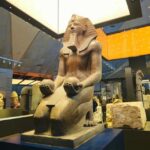
- Coptic Cairo and the Egyptian Museum: Your Final Day’s Best Mix
- Price and Logistics: What $2,950 Buys You (and What It Doesn’t)
- Tips to Make This Trip Feel Easier (Not Just Faster)
- Should You Book This 9-Day Cairo and Nile Cruise?
- FAQ
- Where does the tour start and end?
- How long is the experience?
- What cities does this trip include?
- How do you travel from Cairo to Aswan?
- Is there a flight during the trip?
- How long is the Nile cruise?
- What’s included for meals?
- Are entrance fees included?
- Is pickup offered?
- Is Abu Simbel included?
Quick take: what makes this Egypt trip tick
- From airport to hotel to boat to train to plane: most key moves are handled for you
- Giza + Memphis + Saqqara in one Cairo block, without you doing the planning
- Alexandria day includes both the classical sights and a late shift to an overnight sleeper train
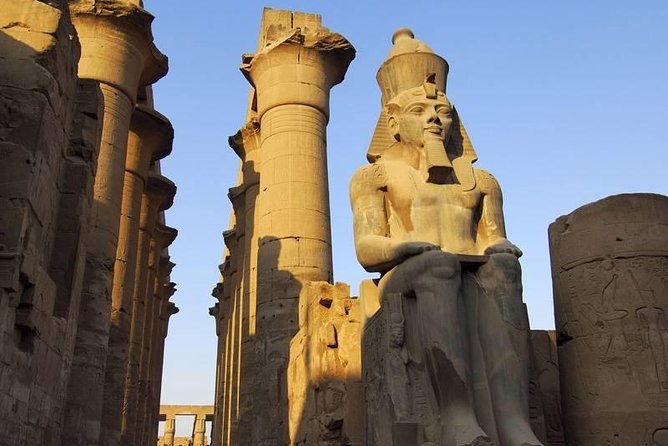
- Aswan-to-Luxor cruise temples on the water route, paired with West Bank and East Bank in Luxor
- Small group (max 15) keeps the experience feeling human, not like cattle
Route Snapshot: Cairo, Alexandria, Sleeper Train, and Aswan-to-Luxor Sailing
This is a classic “see the big stuff fast” Egypt plan, with the practical advantage that travel days are built into the itinerary. You start with Cairo, add Alexandria, then shift to the Nile world via a sleeper train to Aswan. After that, the trip becomes a steady march through the main monuments from Aswan’s temples to Luxor’s East and West Banks.
What I like for your peace of mind is how many handoffs are included: airport pickups, train-station pickup/drop-off, A/C vehicle transport, and a Luxor-to-Cairo flight at the end. You’re still on the move, but the heavy lifting is done for you.
The balance to expect: there are long travel stretches (sleeper train and flights), plus several full sightseeing blocks in a row. You’ll get some downtime onboard the cruise, but you won’t exactly have “vacation padding” between the highlights.
You can also read our reviews of more boat tours in Cairo



Cairo’s Giza + Memphis + Saqqara Day: Big Monuments, Clear Context
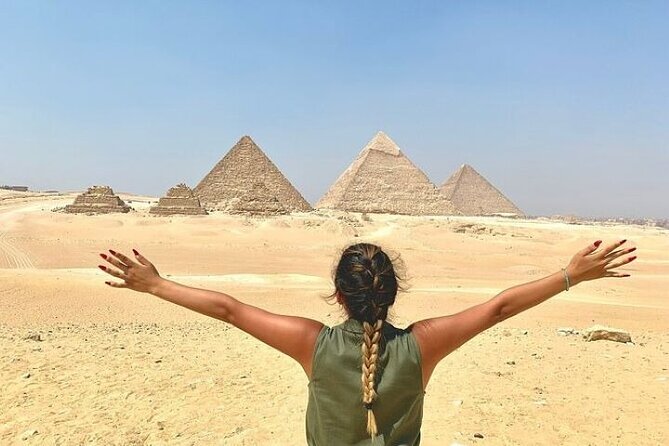
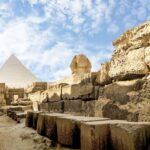
Cairo starts strong at Giza, then the tour steers you to Memphis and Saqqara. This combo matters because it links the pyramids era to what came before and around it. Instead of treating Giza as a one-off photo stop, you get the bigger picture of Old Egypt’s power centers.
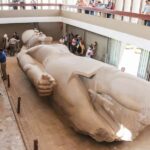
Memphis is a great warm-up because it brings you into the scale of the Old Kingdom capitals. You’ll visit the open-air museum area tied to King Menes, where statues and monuments show how long this place mattered. The tour specifically includes a look at the Statue of Ramses II, which helps you connect royal power to stone you can actually stand near.
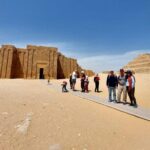
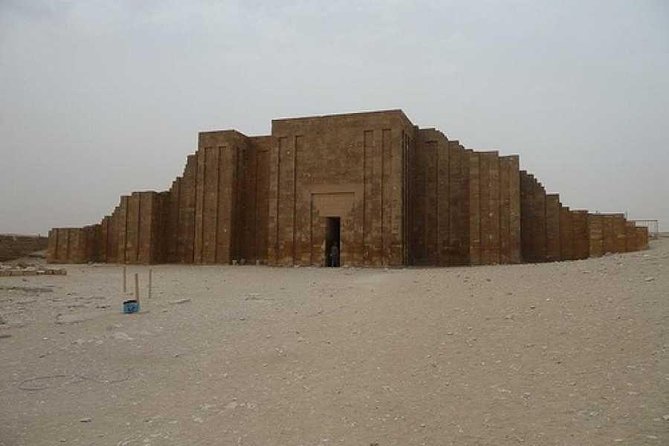
Saqqara is where many first-timers feel the Egypt puzzle click into place. The necropolis setting is less about one “icon” and more about a whole sacred landscape. Your guide will focus on the most important parts, which is the smart way to do Saqqara unless you’ve already studied the site map.
A practical note: this is one of those days where shoes and water matter. Some sections are spread out, and you’ll want to move with energy rather than dragging behind the group.
Alexandria’s Catacombs and Pompey’s Pillar: A Different Egypt Mood Before Sleep
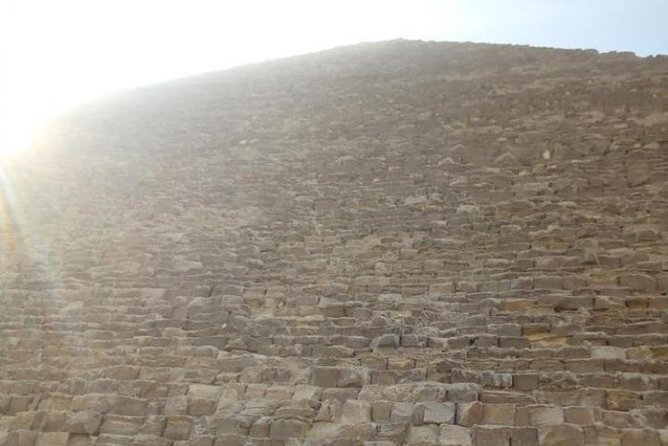
Alexandria day is a change of pace from the Cairo-Saqqara rhythm. You get an early start, then head into the city for a tour that highlights the layered story of Greek, Roman, and ancient Egyptian influences.
One of the more unusual stops here is the catacomb experience, described as a multi-level site with carvings and symbols from Roman, Greek, and Egyptian art. That’s a good reminder that Alexandria wasn’t just a seaside city—it was a meeting point of cultures, with burial spaces carrying that mix.
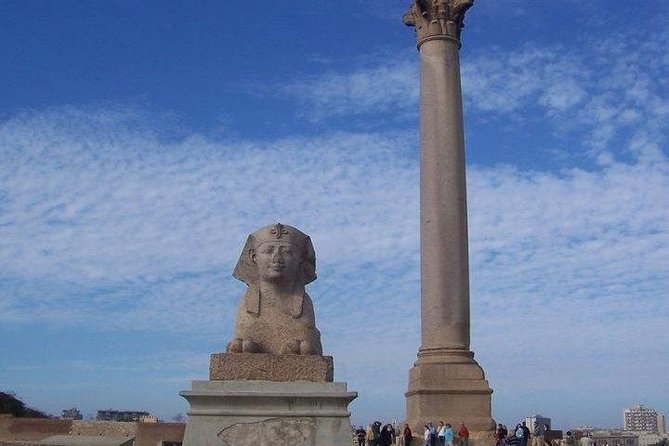
You also visit Pompey’s Pillar, a 25-meter red granite column tied to the Temple of Serapeum tradition. The tour frames it as one of the last surviving relics of that complex and notes the connection to Emperor Diocletian—details like that turn the pillar from a “cool photo” into a historical anchor.
Then comes the pivot: after your Alexandria sightseeing, you head back toward Giza train station for the sleeper train to Aswan. This is where you’ll either love the rhythm or find it tiring. If you can sleep on trains in general, it’s a smart way to cover distance without losing a full day. If not, treat it like an overnight shuttle and plan to be a bit slower the next morning.
Aswan High Dam + Philae Temple, Plus the Abu Simbel Option
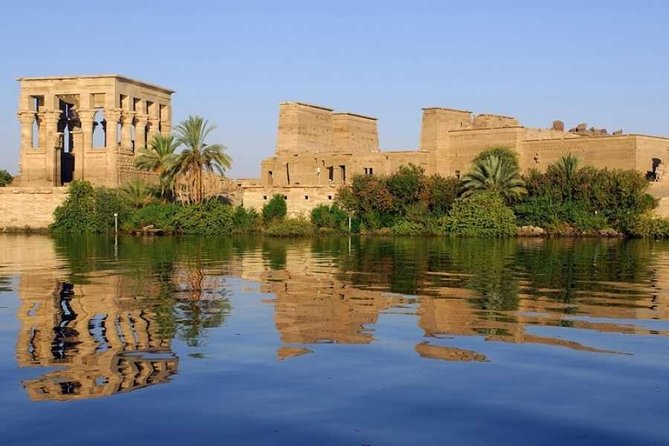
Aswan is your Nile gateway, and the first full day there sets a solid tone. You visit the High Dam and Philae Temple, two landmarks that explain how modern water management and ancient worship both shape the region.
Philae is often the emotional favorite for people who like archaeology with atmosphere. You’re getting temple history and the sense of place—this is the part of the trip where the Nile stops being just a route and becomes the setting.
Then the itinerary offers an optional add-on: Abu Simbel early morning before disembarkation. That’s a big deal in Egypt because it’s one of the most famous monuments in the country, but since it’s labeled optional, you should expect it to cost extra. If you’re on the fence, ask yourself one simple question: are you the kind of person who will regret skipping a once-in-a-lifetime day trip? If yes, consider it.
On this Aswan day, you also get the cruise-life touches onboard, including lunch, afternoon tea, and dinner, with an evening disco party mentioned as part of the onboard programming. Even if you’re not a dance-floor person, it’s nice to know the cruise has social energy built in rather than feeling like a silent floating hotel.
Nile Cruise Days: Kom Ombo and Edfu Temples, Plus the Real Boat Time
After boarding and getting into the Nile flow, the route focuses on temple stops along the way to Luxor. The cruise itinerary includes Kom Ombo Temple and Edfu Temple of Horus, with additional context via the ancient settlement area at Apollinopolis mentioned in the plan.
Kom Ombo is especially memorable if you like symbolism. The tour calls out the crocodile-god Sobek and the falcon-god Haroeris. That kind of paired deity theme makes you feel how complex and local Egyptian religion could be, even across different towns.
Edfu is one of those “you’ll understand why this place gets attention” stops. Horus is a major figure in Egyptian mythology, and seeing the temple in person is a different experience from seeing it in a textbook. The value here is that you’re not bouncing between far-flung sites all day—you’re doing it on a river schedule, with boat time between.
This is also where you get the payoff of slowing down a little. When the itinerary returns you to the boat for dinner and overnight, you get to recharge between the day’s archaeology. For many people, that’s the difference between enjoying Egypt and just surviving it.



Luxor West Bank: Valley of the Kings, Hatshepsut, and Colossi of Memnon
Luxor’s West Bank is the big one, and this trip gives it the kind of attention it deserves. After breakfast on board, you cross to the West Bank for the necropolis experience.
You’ll visit the Valley of the Kings and the Valley of the Queens, plus the Temple of Hatshepsut. This matters because the West Bank tells a full story: royal burials in one valley, royal women’s burials in another, and a mortuary temple that shows how power and politics shaped monumental building.
The itinerary also includes the Colossi of Memnon—massive stone statues that help you grasp scale fast. Even if you don’t know their exact story at first, they do something practical: they calibrate your imagination. You start to see how “big” in Egypt isn’t just a word.
One drawback to watch for: West Bank days can feel like a marathon, especially if the heat is intense. You’ll want to keep a steady pace and take shade when it appears. Your guide will keep things organized, but your body still has to do the walking.
Also, the plan notes that not all inner-site entrances are included. If you’re hoping to add something like Tutankhamen tomb visits or inside-the-pyramid options, budget for it separately.
Luxor East Bank: Karnak Temple and the Shift to a Luxor Hotel Night
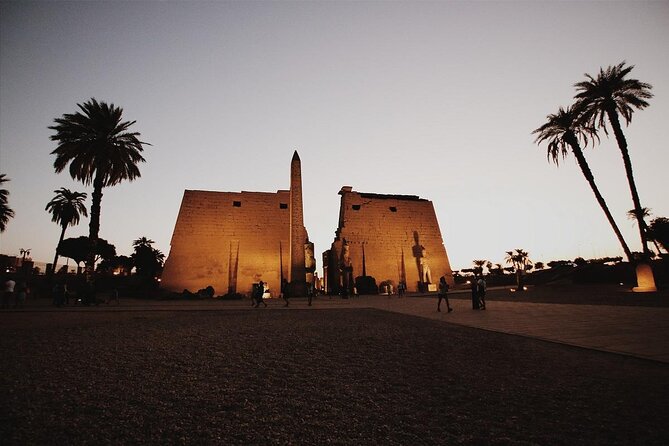
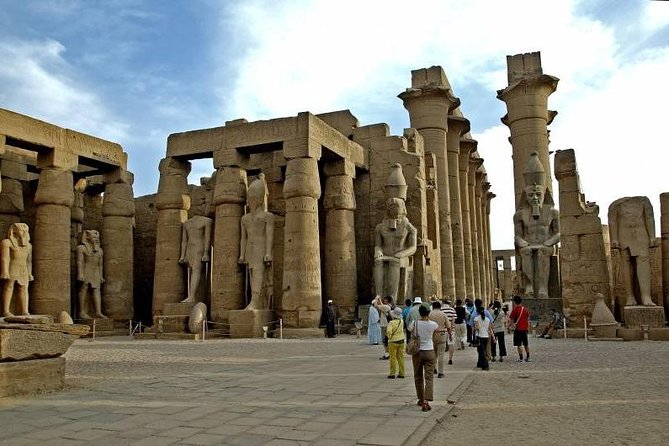
After the West Bank day, the itinerary pivots to the East Bank. Here, you visit Karnak Temple, described as the second most visited site in Egypt after Giza. That ranking makes sense because Karnak isn’t a single building—it’s a whole sacred complex.
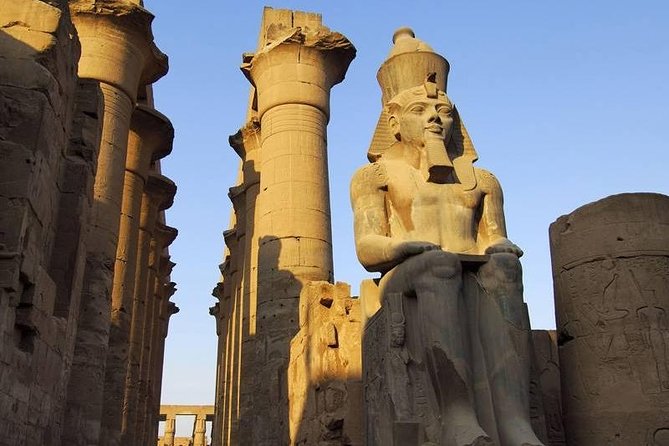
Karnak is ideal for people who want depth. You can stand in one spot and still feel like the temple goes on forever. And because this trip includes the other major Luxor elements, Karnak doesn’t feel random. It becomes the counterpart to the West Bank’s funerary world.
Then you transfer to a Luxor hotel for an overnight stay. That’s a small but meaningful comfort upgrade. Cruise beds are fine, but a land hotel can help you reset. It also gives you more flexibility for a relaxed evening in Luxor city before the final travel day.
Coptic Cairo and the Egyptian Museum: Your Final Day’s Best Mix
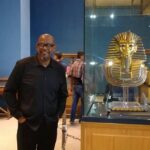
The endgame is Cairo again, and the itinerary doesn’t just slap on a museum visit. You fly from Luxor to Cairo, then spend time with the Egyptian Museum for about two hours. For a first-timer, that’s a practical window: long enough to grasp what the museum holds, short enough that you’re not trapped for an entire day.
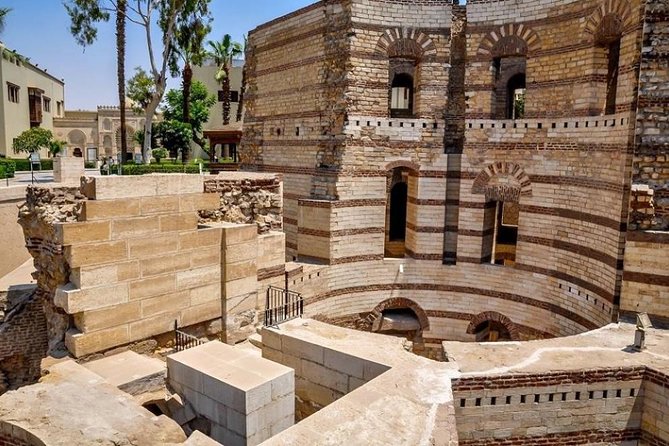
Then you tour Old Coptic Cairo, including three old churches, plus Saladin Citadel and Khan El Khalili bazaar. That mix is smart for two reasons. First, it shows Cairo isn’t frozen in ancient time. Second, it gives you a cultural rhythm shift after days of temples and tomb landscapes.
Khan El Khalili is where you can get your bearings and experience Cairo’s street energy in a way that feels more grounded than another “big-ticket” landmark. Saladin Citadel adds a view-and-history layer, which is helpful when you’ve spent the last week staring at stone monuments.
This final day is packed, but it’s a good kind of packed. You’re closing with variety: museum artifacts, living neighborhood history, and a chance to pick up small souvenirs.
Price and Logistics: What $2,950 Buys You (and What It Doesn’t)
At $2,950 per person for a roughly 9-day trip, you’re paying for a lot of structure: hotels for four nights, a three-night Nile cruise, a sleeper train between Cairo and Aswan, plus a Luxor-to-Cairo flight. You’re also covered for qualified Egyptologist guidance and A/C transport, along with pickup and drop-off across airport and train station.
That’s why this can be good value for first-timers. DIY Egypt is possible, but it’s the handoffs that can drain your time and patience—getting tickets, lining up guides, and managing timing between cities. This itinerary shifts much of that stress into an organized plan.
Where you should expect extra costs: drinks and tipping are not included. Also, the plan specifically notes entrance fees are included for the sights mentioned, but not everything you might want to add, like visiting pyramids from inside or certain tombs. If those are on your must-do list, plan to budget for upgrades.
One more value point: the group size is capped at 15. Even with group elements, that small cap usually helps keep interactions manageable, especially on structured sightseeing days.
Tips to Make This Trip Feel Easier (Not Just Faster)
Pack smart for the pace. You’ll be in and out of vehicles, walking temple grounds, and handling overnight travel. Comfortable shoes and a light layer for changing weather are the big basics.
Bring a short list of priorities before you go. If Abu Simbel is a priority, decide early because it’s optional and timed tightly around the Aswan schedule. For inside entrances (like pyramids/tombs), decide what you’re willing to pay extra for, since not all are included.
Also, think about your comfort style. If you can sleep on a sleeper train, you’ll likely feel the schedule as efficient. If you can’t, treat it as a necessary night and plan to be gentle with your energy level when you arrive in Aswan.
Finally, keep smart casual in mind. The itinerary mentions a smart casual dress code, so don’t bring only athletic wear.
Should You Book This 9-Day Cairo and Nile Cruise?
Book it if you want the best of Egypt without building your own puzzle. This trip is ideal for first-timers who want Cairo landmarks, Alexandria’s culture mix, and a Nile cruise that includes both Luxor’s West Bank and East Bank highlights. The included mix of hotels + cruise + sleeper train + flight is exactly what makes it work for people with limited time.
Skip it or adjust expectations if you hate a packed itinerary. You’ll have long travel moments and structured sightseeing blocks, and extra entrances can add up. If you’re the type who wants slow mornings every day, this may feel like you’re always catching up.
If you do book, do it with your priorities clear: decide on Abu Simbel, decide which inside-site upgrades you want, and plan your tips/budget for drinks. With that, you’ll get a smooth, big-picture introduction to Egypt that doesn’t leave you juggling logistics.
FAQ
Where does the tour start and end?
It starts with pickup at Cairo International Airport and ends with pickup from your Cairo hotel to Cairo International Airport on the final day.
How long is the experience?
The tour runs for about 9 days.
What cities does this trip include?
You’ll visit Cairo, Alexandria, Aswan, and Luxor, plus you’ll travel back to Cairo at the end.
How do you travel from Cairo to Aswan?
You take a sleeper train from Cairo to Aswan.
Is there a flight during the trip?
Yes. You fly from Luxor to Cairo.
How long is the Nile cruise?
The Nile cruise is 3 nights and 4 days.
What’s included for meals?
Breakfast is included for 8 days, lunch is included for 6 days, and dinner is included for 4 days.
Are entrance fees included?
Entrance fees are included for the sights mentioned in the program. Some extra attractions and specific inside visits (such as inside the pyramids or visiting Tutankhamen’s tomb) are not included.
Is pickup offered?
Yes. Pickup and drop-off are included for the hotel, airport, and train station.
Is Abu Simbel included?
Abu Simbel is described as optional, with an opportunity for an early morning visit before disembarkation.