Three days, two cities, one camel-shaped memory. This tour is interesting because it strings together the big Cairo icons and then swaps to Alexandria’s quieter, weirder underground world, with hotel pickup and a camel ride included. I especially like the Egyptologist guide approach and the door-to-door convenience that saves you time and stress. A possible drawback: the Pyramids stop notes admission tickets may not be included, so you should confirm what you personally will pay on the ground.
I also like that the pace is guided and photo-friendly, and you are not left to figure out logistics while you are tired. In the feedback I saw, a guide named Mohammed Doma stood out for being punctual and flexible, even arranging an alternative to the camel ride when someone did not want one. That matters if you want the experience but also want it to feel comfortable.
You’ll spend three days bouncing between ancient sites and real neighborhoods, which is great for perspective. One more practical note: pickup needs reconfirmation after booking, so don’t treat that as a one-and-done step. If you take care of that early, the private tour format makes it feel smoother and more personal.
In This Review
- Key highlights worth knowing
- Price and value for a $150, 3-day Cairo + Alexandria combo
- Getting around: pickup, private touring, and the comfort factor
- Day 1: Giza plateau focus, camel ride time, and the Step Pyramid add-on
- Day 1 lunch: what’s included and how to use it well
- Day 2: Egyptian Museum highlights plus Salah El-Din sights and Coptic Cairo churches
- Day 2 in practice: pacing, photo stops, and keeping your day coherent
- Day 3: Alexandria drive, Kom El Shoqafa catacombs, library visits, and Qaitbay citadel
- Day 3 transport and the value of not planning the Cairo–Alexandria jump yourself
- Meals and entries: what’s included, what might cost extra, and how to avoid surprises
- What to bring: simple gear that makes a 3-day ancient-site tour feel easier
- Who this tour fits best
- Should you book this Cairo + Alexandria 3-day tour with camel ride?
- FAQ
- How long is the tour?
- Is hotel pickup and drop-off included?
- Is the camel ride included?
- Are lunches included?
- Can I request a vegetarian lunch?
- Are entrance fees included?
- Is it a private tour?
Key highlights worth knowing
- Egyptologist guide-led visits for the major sights, not just photo stops
- Camel ride included near the Giza area, with possible alternatives if needed
- Cairo in two modes: royal-era monuments plus Islamic and Coptic old Cairo
- Alexandria catacombs under three levels with a Roman–Egypt art mix
- Daily local lunch options, including a vegetarian choice on request
- Round-trip transport from Cairo or Giza hotels to cut down your planning work
Price and value for a $150, 3-day Cairo + Alexandria combo
At $150 per person for three days, this is priced like a classic “see the highlights without overthinking it” package. The value comes from what’s bundled: hotel pickup and drop-off, an Egyptologist guide, daily local lunches, and major-site time with transportation between Cairo and Alexandria.
That said, budgeting in Egypt always needs a quick reality check. The tour materials say entrance fees are included in the highlights, but the Giza day specifically notes admission tickets aren’t included. So the best move is simple: ask your operator to confirm which entry fees are included for your exact dates, especially for the Pyramids of Giza stop.
Also, the phrase private tour matters here. You are not sharing the guide with random strangers, which usually means less waiting and less chaos in cramped places like museums and old churches.
A few more Cairo tours and experiences worth a look


Getting around: pickup, private touring, and the comfort factor
This style of tour is built around one big win: round-trip transportation. You get picked up from your Cairo or Giza hotel and dropped back at the end, which is a big deal in a city where traffic can turn “one hour” into “two hours.”
Between days, you’ll use modern air-conditioned vehicles for the longer stretches—especially the Alexandria day. That matters when you’re doing outdoor sights in daylight and then moving into museums and catacombs later.
One more logistics point: pickup reconfirmation is required after booking. This isn’t glamorous, but it prevents the most annoying start to a trip—standing around waiting with nowhere to go. If you handle it before your tour date, you’ll start the day calm.
Day 1: Giza plateau focus, camel ride time, and the Step Pyramid add-on
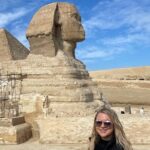
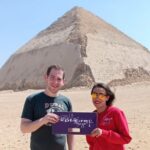
Day 1 is centered on the Giza plateau and nearby pyramid sites, which is exactly how you should structure a short Egypt trip. You start with the Pyramids of Giza, including Khufu (Cheops), Khafre (Chephren), and Menkaure (Mykerinus), plus the six queen pyramids. Seeing them in one block is efficient, and it helps you understand the layout instead of bouncing between separate areas on your own.
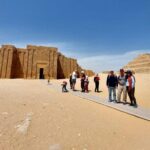
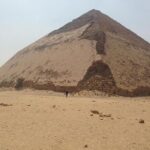
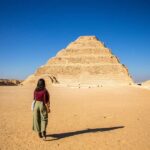
A helpful detail: you also get time for the Step Pyramid at Saqqara, the first pyramid ever built in Egypt. That contrast is more than a history lesson—it shows you how pyramid building evolved from an idea to a system. If you’ve only heard of the “final form” at Giza, the Step Pyramid gives you the missing early chapter.
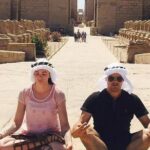
The camel ride is included. You’ll likely do it during the Giza plateau portion, since that’s where camel rides are typically offered. If you worry about it, the tour feedback suggests flexibility is possible. In one case, the guide arranged a fun carriage ride instead of the camel. So if you have a comfort preference, ask up front.
Drawback to plan for: the Pyramids stop notes admission tickets may not be included. Also, the day is long. Even with a guide, you’ll be standing and walking, so wear shoes you can trust and expect dust.
Day 1 lunch: what’s included and how to use it well
Lunch is included as a local lunch on Day 1. In tours like this, the lunch piece is not just about food—it’s about keeping your energy steady so you don’t start moving slowly halfway through the afternoon.
The tour also says vegetarian options are available if you request them at booking. If you need special meals, send that request early rather than trying to negotiate at the table.
If you’re sensitive to spicy food or specific ingredients, Egypt can be a mix of familiar and new. Having a set lunch plan reduces decision fatigue.
Day 2: Egyptian Museum highlights plus Salah El-Din sights and Coptic Cairo churches
Day 2 is split between Egypt’s museum power and old Cairo’s religious layer cake: Islamic sites, then Coptic Christian landmarks. This day works best if you go in ready to switch gears. You’ll move from royal-era artifacts to mosques and churches that have survived centuries of change.
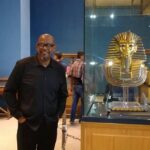
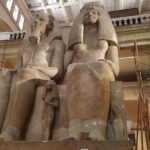
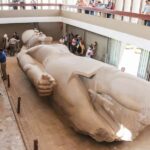
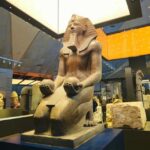
You start at the Egyptian Museum, where the collection is the real attraction. The highlight is Tutankhamun’s artifacts—the famous “boy-king” material that anchors so many museum expectations. Even if you’ve seen photos, seeing the objects in person is a different experience, especially because the display context makes the scale feel real.
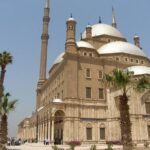
Next you visit Salah El-Din Citadel, also called the Castle of Salah El-Dien, plus the Alabaster Mosque, described as one of the most beautiful mosques in Egypt. This is a good transition day because the architecture gives you a break from artifact-heavy rooms. It also helps you connect why old Cairo developed where it did.
Then you move into old Cairo (Coptic Cairo), starting with the Hanging Church (Suspended Church). After that you’ll visit St Sergius and Bacchus, including a crypt connected to the story of Jesus, Mary, and Joseph hiding during their visit to the region. The tour also includes Ben Ezra synagogue, which is tied to traditions and history in the area.
Possible consideration: this day involves multiple religious sites, so dress and respectful behavior matter. Bring shoulders and legs covered clothing you can manage without turning it into a sweat contest.


Day 2 in practice: pacing, photo stops, and keeping your day coherent
This day has a lot of distinct stops, and that can either feel energizing or exhausting depending on how you pace yourself. The advantage of a guided format is that you’ll know what you’re looking at and what’s worth photographing. Plus, the guide can adjust timing when crowds build.
If you like taking your time, tell your guide early. In one feedback thread, guides were described as flexible, which is helpful in places where lines and entry flow can change.
Bring a simple plan for photos: one wide shot for context, then a few detail shots. Otherwise, you can burn energy scrolling and wind up tired for the quieter sites later.
Day 3: Alexandria drive, Kom El Shoqafa catacombs, library visits, and Qaitbay citadel
The Alexandria day is a strong pivot from Cairo’s desert monument feel into a coastal city with layered influences. You’ll be driven from Cairo in an air-conditioned vehicle, then start with Kom El Shoqafa catacombs.
These catacombs are dug in three levels underground, and they are not just tomb spaces. The art blends ancient Egyptian and ancient Roman styles, which makes it feel like a cultural crossroads you can literally walk through. If you like places that are part museum, part mystery, this stop tends to land well.
After the catacombs, you have lunch included again as local lunch. Then the tour takes you to the Bibliotheca Alexandrina, the Alexandria Library. The best way to appreciate it is as a modern counterpart—an idea of knowledge returning to a place that once carried that symbolism.
Finally, you visit the Qaitbay citadel, built at the site where the ancient lighthouse of Alexandria stood. Even if you know the lighthouse story from books, seeing the citadel location gives you a more grounded sense of why this spot mattered for navigation and power.
One consideration: catacombs are underground, so it can feel cooler than the street—but also more enclosed. If you don’t do well in tight spaces, plan for that before you enter.
Day 3 transport and the value of not planning the Cairo–Alexandria jump yourself
The biggest practical win on Day 3 is that you’re not stuck coordinating transport, timing, and ticket lines across two big cities. The driver and guide handle the flow, and you just show up ready to walk.
At the end of the day, you get transferred back to your hotel. That matters more than people think, because Alexandria days can easily turn into “I’ll just find my way back” stress.
Meals and entries: what’s included, what might cost extra, and how to avoid surprises
You get three local lunches across the tour, and that’s a real value add. It reduces decision-making and helps keep your day from stalling out.
You can request a vegetarian option at booking. If you have any dietary needs beyond vegetarian, the materials say you should advise them at the time of booking—so do it early. That’s how you get the best chance of a meal that actually works for you.
For entrance fees, the picture is mixed. The highlights say entrance fees are included, but the Giza day explicitly notes admission tickets are not included. There’s also a general line that not all fees and taxes are included. So your best tactic is to ask for a clear list of what you’ll pay for on-site, especially for Pyramids of Giza.
What to bring: simple gear that makes a 3-day ancient-site tour feel easier
You’ll be on your feet across three days, including outdoor areas around pyramids and indoor stops like the museum and churches. I’d pack for heat and dust, plus comfort for long walking.
Bring:
- Comfortable walking shoes with good grip
- A hat or sun protection
- Water for the gaps between included meals
- Light layers for indoor/cooler spaces and for church dress expectations
If you plan to do the camel ride, wear clothing that won’t rub and won’t ride up. Also, bring a small towel or wipes. Cairo dust is not subtle.
Who this tour fits best
This package fits best if you want a guided highlights route across Cairo and Alexandria without juggling tickets and transport yourself. You’ll likely enjoy it if you like a mix of:
- Ancient monuments (Giza and Saqqara)
- Museum time (Egyptian Museum and Tutankhamun highlights)
- Old Cairo’s religious history (Islamic and Coptic sites)
- Alexandria’s unusual contrasts (catacombs, library, citadel)
It might be less ideal if you prefer total freedom and want to build your own pacing. Also, if you know you want to spend extra time at one stop (for example, the museum), a fixed schedule can feel tight.
Should you book this Cairo + Alexandria 3-day tour with camel ride?
If you want a fast path to Egypt’s most famous sights plus a strong Alexandria day, this is a solid choice. The strongest reason to book is how much it covers in a short window while handling pickup, transport, and guiding. The other strong reason is the human side: feedback highlights punctual, kind, flexible guiding, with adjustments like alternatives to the camel ride when needed.
I’d book it if you:
- Want door-to-door convenience
- Like learning through an Egyptologist guide
- Appreciate having meals included so your day stays smooth
- Are okay with a packed schedule and lots of walking
I’d pause and confirm costs first if you:
- Care about knowing exactly which entrance fees are included for the Pyramids stop
- Want to avoid the camel ride and need a confirmed alternative
- Have strong constraints about church dress rules and indoor comfort
Overall, for $150, you’re buying time saved and structure gained. In a trip as dense as Cairo plus Alexandria in three days, that kind of organization is often the difference between memories and headaches.
FAQ
How long is the tour?
The tour runs for 3 days.
Is hotel pickup and drop-off included?
Yes. The tour includes hotel pickup and drop-off from Cairo or Giza.
Is the camel ride included?
Yes. A camel ride is included as part of the experience.
Are lunches included?
Yes. Lunch is included each day (3 lunches total), described as local lunch.
Can I request a vegetarian lunch?
Yes. Vegetarian options are available if you advise the operator at booking.
Are entrance fees included?
Entrance fees are listed as included in the highlights, but the Pyramids stop also notes admission tickets are not included. Ask what entry costs you will pay for on-site.
Is it a private tour?
Yes. It is described as a private tour/activity, with only your group participating.