REVIEW · CAIRO
3 Days 2 Nights Travel package to Aswan & Luxor from Cairo by flights
Book on Viator →Operated by Imperialegypt · Bookable on Viator
A sunrise temple run beats a slow itinerary. This 3-day, 2-night loop from Cairo is built around Aswan and Luxor’s biggest hits, with flights and a guide so you spend time seeing—not figuring out. You start in Aswan on the Nile, then swing west and east in Luxor before flying home.
What I really like is how much is handled for you. Entrance fees are included, and your Egyptologist guide brings the stories behind Philae, Abu Simbel, and the Luxor temples in a way you won’t get from a guidebook.
The main trade-off is the pace. Early mornings (including a very early start for Abu Simbel) and full-day temple circuits mean you’ll want stamina and a good attitude about long days.
In This Review
- Key Highlights at a Glance
- Why This Cairo-to-Aswan-to-Luxor Loop Makes Sense
- Flying From Cairo to Aswan: Start Smart, Not Tired
- Philae Temple on Lake Nasser and the High Dam Stop
- Abu Simbel: The Temple Rescue Story Starts at 4:30
- Luxor West Bank: Where the Kings Are Remembered
- East Bank Luxor Temples: Karnak Then Luxor Temple
- Flights Back to Cairo: Less Waiting, More Control
- Price and Value: What $930 Actually Buys You
- Hotels, Meals, and the Real-Life Comfort Factor
- Who This Tour Fits Best
- A Few Smart Planning Tips Before You Go
- Should You Book This Aswan and Luxor Tour From Cairo?
- FAQ
- What does the tour include?
- Are flights included?
- Which sights are covered?
- How many nights and days is the trip?
- What meals are provided?
- How early do you start for Abu Simbel?
- How big is the group?
- Is tipping included?
- Is there flexibility if plans change?
Key Highlights at a Glance
- Flights included for a smarter Cairo → Aswan → Luxor → Cairo rhythm
- Egyptologist commentary that connects temples, pharaohs, and why they were built
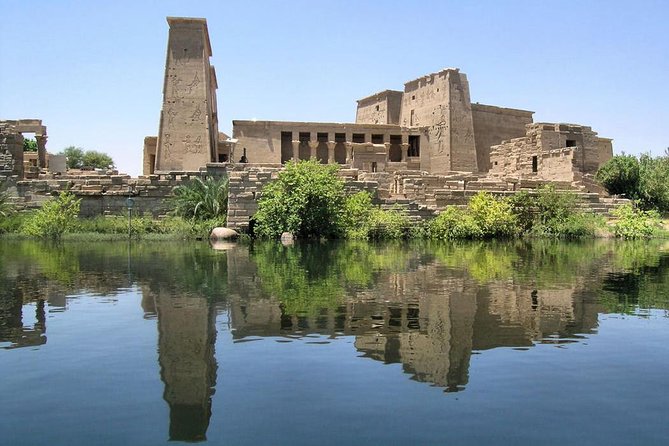
- Philae Temple on Lake Nasser plus a stop at the High Dam
- Abu Simbel with an early start and UNESCO-style context for the rescue
- Luxor West Bank classics: Valley of the Kings, Hatshepsut’s mortuary temple, Colossi of Memnon
- Karnak + Luxor Temple on the East Bank in one day
Why This Cairo-to-Aswan-to-Luxor Loop Makes Sense
This tour is designed for people with limited time in Egypt who still want the headline sights. Instead of spending your days on long overland transfers, you fly between Cairo and Aswan, then return to Cairo from Luxor at the end. That alone is a big value point because time is the one thing you can’t buy back.
You also get a clear structure: one day anchored in Aswan’s Nile monuments, one day centered on Abu Simbel’s engineering and royal grandeur, then a full day devoted to Luxor’s two temple zones. It’s fast, but it’s efficient.
The small-group feel matters too. With a stated maximum of 40 travelers, you’re less likely to feel like you’re being processed like luggage. You still should expect a group pace, but it’s built for guided sightseeing rather than pure free time.
A few more Cairo tours and experiences worth a look


Flying From Cairo to Aswan: Start Smart, Not Tired
Your day begins with pickup from your Cairo hotel and transport to the airport, then a flight to Aswan. Once you land, you’re not left hanging. You’re accompanied by your Egyptologist guide, and your sightseeing begins right away.
This is one of the practical reasons I’d choose this kind of package: it reduces the “logistics tax.” When you fly as part of a tour, you’re not juggling airport transfers, timing, and tickets while also trying to stay focused on the temples.
On the ground in Aswan, the schedule also includes a lunch meal, and you finish the day with time to check in and reset. That matters because Aswan is slower than Luxor—so having an actual evening in your hotel keeps the trip from feeling like nonstop museum time.
Philae Temple on Lake Nasser and the High Dam Stop
Your first major Aswan visit pairs two very different stories: ancient worship and modern reshaping of the Nile.
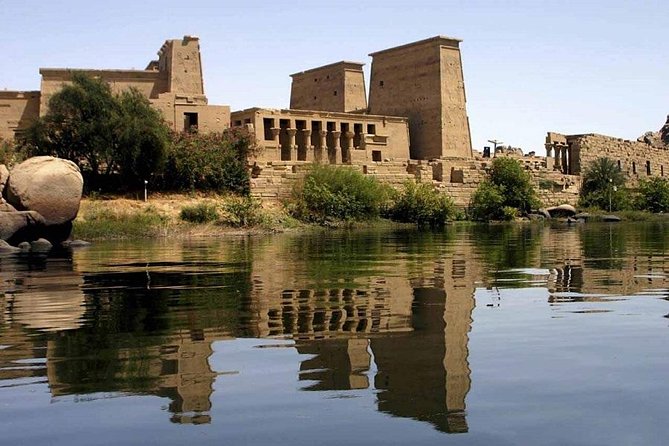
You go to Philae Temple, which sits on an island in Lake Nasser. That location alone is worth your attention. The island setting is part of the temple’s identity, and the guide helps you understand how Lake Nasser connects to the Nile’s geography and the way Egypt preserved key heritage when water levels changed.
Then you visit the High Dam, constructed in 1961. This isn’t a random detour. It gives you the modern context for why so many Egyptian monuments had to be relocated or protected, and it helps you connect the ancient world to today’s landscape.
The overall feel here is balanced. You’re not only seeing structures—you’re learning how the Nile’s changes affected what still survives. You should walk out with a better grasp of why Abu Simbel exists in its current form later in the trip.
Abu Simbel: The Temple Rescue Story Starts at 4:30
Abu Simbel isn’t just another temple stop. It’s a moment. And this tour treats it like one by scheduling it for an early start.
You’re provided a box breakfast at around 4:30 AM in Aswan, then you head out with your guide and driver for a long day trip. Expect it to be about the temples first—everything else is secondary.
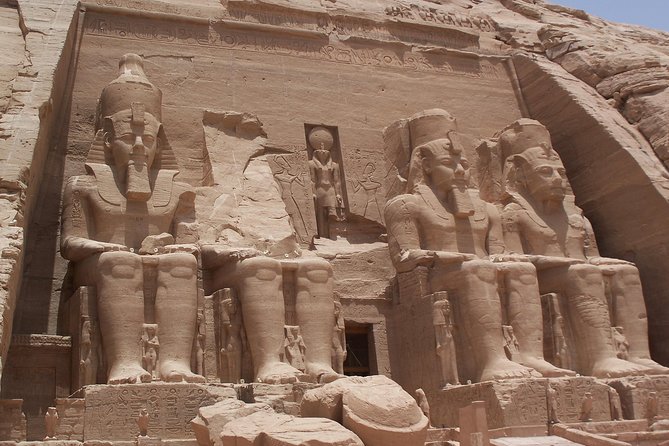
At Abu Simbel, you’ll see the Temple of Ramesses II, sometimes called the Sun Temple of Ramesses II, and the Temple of Queen Nefertari. The tour also frames these as masterpieces tied to the grandeur of Egypt’s New Kingdom era. You’ll learn the dedication details too—Ramesses II’s temple is described as dedicated to Ptah, Re-Her-Akhtey, Amun-Re, and Ramesses II himself, which gives you something concrete to hold onto while you’re looking at the massive façade.
Then comes the historical “why this matters” part. The itinerary specifically notes that the Egyptian government and UNESCO cooperated to save the temples from the flood. That makes the visit feel more urgent and less like a static photo spot. You’re looking at stone that was engineered to survive a modern challenge.
One consideration: because this is early and full-day, you’ll likely feel it in your body later. If you’re the kind of traveler who hates waking up before sunrise, plan to compensate by keeping your evenings calm in Aswan.
Luxor West Bank: Where the Kings Are Remembered
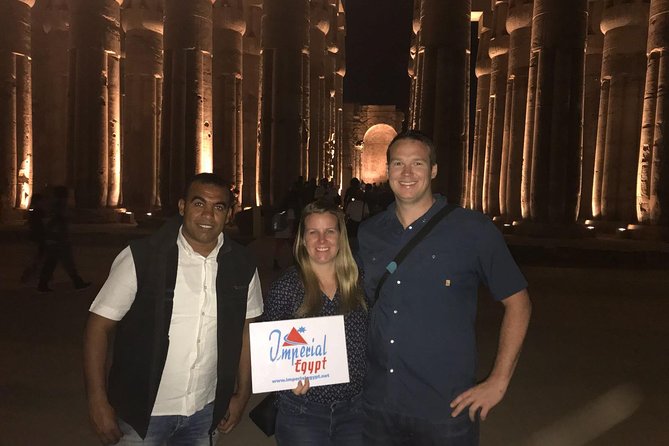
After breakfast, your Luxor day is built around the West Bank, starting with a set of famous monuments. The timing is a full sightseeing stretch—less “wandering” and more “see the essentials, see them well.”
First up is the Valley of the Kings. This is where the tour’s Egyptologist framing really pays off. Even without going deep into ruins-by-ruins detail, the guide’s commentary helps you understand the logic of burial, royal power, and how the valley fit into a broader religious and political worldview.
Next you visit Queen Hatshepsut’s Mortuary Temple. Hatshepsut’s temple is often one of those stops where first-time visitors go quiet, because it feels both monumental and purposeful. Here, your guide’s context helps connect her role to what you’re seeing—so it doesn’t feel like you’re just looking at walls.
Then you get to the Colossi of Memnon. These large statues are a classic “stop and stare” moment. They’re dramatic in shape and scale, and they make it easier to picture how ancient monuments dominated the horizon.
This West Bank mix is smart because it balances royal burial sites, a major queen’s memorial project, and iconic surviving statues. You get variety without losing focus.



East Bank Luxor Temples: Karnak Then Luxor Temple
After lunch, the tour shifts to the East Bank for a second wave of temple viewing. This is where your day can feel like two different trips inside one.
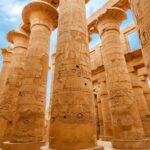
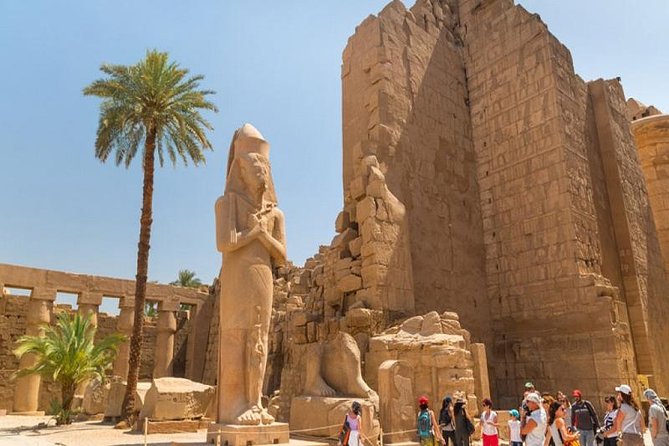
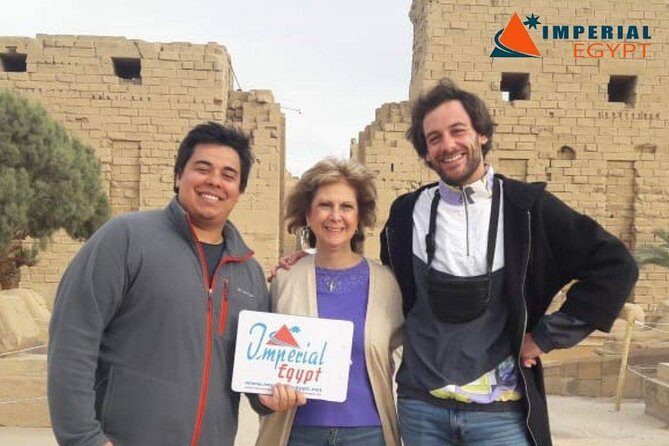
You start with the Karnak Temples, described as the largest temple in Egypt. That’s not just marketing. Karnak’s size makes it a visual lesson: multiple spaces, layers of development, and a sense that this was a living religious complex over time. With the guide’s commentary, it’s easier to read what you’re looking at instead of getting overwhelmed by scale alone.
Then you visit the Luxor Temple. Even though it’s smaller than Karnak, it’s still important, and the contrast is helpful. Karnak can feel like a universe. Luxor Temple feels more like a focused stage—still grand, but with a different rhythm.
By pairing Karnak and Luxor Temple in one day, the tour gives you the full “temple personality” of Luxor. You can also feel the shift from one bank to the other in how the sites are experienced and mentally organized.
Flights Back to Cairo: Less Waiting, More Control
Your last day doesn’t just end at a hotel. After East Bank temple time, you’re transferred to the Luxor domestic airport for your flight back to Cairo. Then you’re picked up again and taken by private air-conditioned van to your Cairo hotel.
This part is worth paying attention to. If you’re planning Egypt with limited days, flight timing can make or break your final day. Having the tour manage the return transfer means you don’t lose hours trying to coordinate last-minute rides after a long day of temples.
It also means you can pack with less guesswork. You’re not trying to decide whether you should stay near the airport or how to get there after sightseeing. The tour’s structure handles the handoff.
Price and Value: What $930 Actually Buys You
The price is $930 per person for 3 days and 2 nights, and flights are included. That’s the big story. Domestic flight costs plus airport transfers add up fast when you price them individually, especially if you also factor in English-speaking guide time and entry tickets.
Here’s what you do get for the money:
- Pickup and drop-off in Cairo
- Flights in the routing
- In-destination transportation
- English-speaking guide throughout
- Entrance fees to the sights listed in the program
- Meals per itinerary (with lunch and breakfast included as described)
- Accommodation in Aswan and Luxor (3-star hotels, 1 night each)
This is also a tour with a maximum group size of 40 travelers, which often improves the guided feel. And the tour notes it’s commonly booked about 40 days in advance, which is a hint that you shouldn’t wait until the last week if dates are fixed.
Where the value can soften: you’re getting 3-star hotels, not luxury. If you want a big upgrade in room quality or views, this package gives you the itinerary and service backbone, and you may still want to adjust lodging separately.
Hotels, Meals, and the Real-Life Comfort Factor
Your tour includes 1 night in Aswan and 1 night in Luxor, each in 3-star hotels with breakfast. You’re also covered for meals in the itinerary: lunch on Day 1, and lunch on Day 2 and Day 3 (as listed), plus breakfast on Day 2 and Day 3.
This matters because it reduces decision fatigue. Instead of figuring out what to eat between temple stops—while also trying to keep your schedule—meals are slotted around the viewing blocks.
The comfort angle here is practical: you’ll be out early and returning late. The tour’s hotel role is mainly recovery time. If you’re not picky about hotel style and you prioritize the sites, this setup makes a lot of sense.
If you are picky, keep an eye on how your free time is handled. The itinerary gives you leisure time in Aswan for check-in and evenings, and a final transfer back to Cairo at the end. It’s not a beach vacation, so choose lodging based on rest, not recreation.
Who This Tour Fits Best
This package is built for first-time Egypt visitors and anyone who wants the strongest concentration of major sites without the hassle of independent planning.
You’ll likely enjoy it if:
- You want Aswan + Luxor highlights in a short window
- You prefer having an Egyptologist guide explain what you’re seeing
- You’re okay with early starts and long temple days
- You like guided transportation and included entry fees
It may not be the best match if you’re the type who wants lots of slow wandering, unexpected detours, or a lot more free time. The itinerary is structured and full. Also, if you know you hate waking up very early, Abu Simbel’s schedule could feel tough.
A Few Smart Planning Tips Before You Go
Given the early start for Abu Simbel, I’d treat mornings as sacred. Build your trip mindset around early departure and focus, not sleeping in.
Also, think about how you’ll handle Egypt’s sheer “temple density.” West Bank and East Bank are both big days, and the tour runs them in a single sequence for efficiency. Plan to take breaks only when the schedule gives them to you.
Finally, keep your expectations aligned with the package style. This is sightseeing-forward: entrances are included, and the guide is part of the value. If you want a mix of sightseeing and lots of downtime, you’d be better off pairing this with additional nights in one city to create breathing room.
Should You Book This Aswan and Luxor Tour From Cairo?
If you want an organized, efficient Aswan and Luxor tour from Cairo by flights that includes major sights like Philae Temple, Abu Simbel, Valley of the Kings, Karnak, and Luxor Temple, this is a strong choice. The guide-led format and included entrance fees do real work for your time and confidence.
Book it if you’re comfortable with a fast schedule and you want the logistics handled. Skip it if you’re dreaming of a slow, flexible trip with lots of standalone exploration.
The best way to decide is simple: ask yourself whether your priority is seeing the big monuments with expert context in a tight window. If yes, this package is built for you.
FAQ
What does the tour include?
It includes pickup and drop-off in Cairo, an English-speaking tour guide, small-group in-destination transportation, 3-star hotel accommodation for 2 nights (1 in Aswan and 1 in Luxor) with breakfast included, entrance fees for all sights listed in the itinerary, and meals per itinerary (breakfast and lunch as scheduled).
Are flights included?
Yes. Flights are included as part of the itinerary between Cairo and Aswan, and you also fly from Luxor back to Cairo.
Which sights are covered?
The itinerary includes Philae Temple and the High Dam in Aswan, Abu Simbel (Temple of Ramesses II and Temple of Queen Nefertari), and in Luxor the West Bank highlights (Valley of the Kings, Queen Hatshepsut’s mortuary temple, and the Colossi of Memnon) plus the East Bank (Karnak Temples and Luxor Temple).
How many nights and days is the trip?
It runs for 3 days and 2 nights.
What meals are provided?
Breakfast is included for 2 mornings, and lunch is included for 3 days (as listed in the itinerary). A box breakfast is provided for the early Abu Simbel departure.
How early do you start for Abu Simbel?
The itinerary notes an early start around 04:30 AM with a box breakfast in Aswan, followed by the trip to Abu Simbel.
How big is the group?
The tour is listed as a small group with a maximum of 40 travelers.
Is tipping included?
No. Tipping is not included, and the tour lists personal spendings and optional activities as not included.
Is there flexibility if plans change?
The experience is listed as non-refundable and cannot be changed for any reason.