REVIEW · CAIRO
3-Day Cairo Package Tour with a Private Guide
Book on Viator →Operated by Cleopatra Egypt Tours · Bookable on Viator
Three days in Cairo sounds like a plan. This private package wraps hotel pickup with a dedicated Egyptologist guide, so you can see the big names and the quieter stops without getting your bearings from scratch. I especially like the pacing of a true multi-day circuit, plus the added time at places such as Memphis and the Sakkara area. One thing to watch: entrance fees are not included, so you’ll need to budget extra on top of the tour price.
The best part of this style of tour is how it turns Cairo from a checklist into stories. You’re not just looking at monuments; your guide helps you understand what you’re seeing at Giza, in the Egyptian Museum, and inside the religious sites that reflect centuries of change.
I also like the human touch you get from the guiding. In the experiences shared with this tour, guides such as Hamdi are described as showing up each day and explaining the most interesting details at every stop, while Ahmed is praised for checking in often about breaks and preferences.
In This Review
- Key things that make this 3-day Cairo package worth it
- Why this private 3-day Cairo tour feels less stressful
- Day 1 on the Giza Plateau: Khufu, Chephren, Mykerinus, and the Queen Pyramids
- What you’ll likely enjoy most here
- A practical consideration
- Day 1 after the pyramids: Memphis and the open-air museum
- Why Memphis works well on day one
- Timing note
- Day 2 at the Egyptian Museum: Tut Ankh Amon and the scale of the collection
- The main drawback to plan for
- Salah El-Dien Citadel and Mohamed Ali’s Alabaster Mosque
- What makes the mosque stop interesting
- Khan El Khalili Bazaar: shopping with context, not just wandering
- A balanced take on shopping here
- Day 3: Amr Ibn Alas Mosque, the Hanging Church, and Ben Ezra Synagogue
- Amr Ibn Alas Mosque: a 642 A.C. starting point
- The Hanging Church: built over the Babylon Fortress
- Ben Ezra Synagogue: 9th-century roots with older layers inside
- What’s included in the price, and why it can be good value
- How the itinerary rhythm helps you see more without rushing
- Who this tour is best for
- Should you book the 3-day private Cairo package with Cleopatra Egypt Tours?
- FAQ
- What does the tour include?
- Are entrance fees included?
- What time does the tour start?
- Where do you get picked up?
- Is this tour private or group-based?
- How long is the tour?
- Is a mobile ticket provided?
- Is free cancellation available?
- Are children allowed on the tour?
- Can I request dietary requirements?
Key things that make this 3-day Cairo package worth it
- Private Egyptologist guide who explains what you’re looking at, not just where to stand for photos
- Hotel pickup and drop-off from Cairo or Giza, so your days start easier
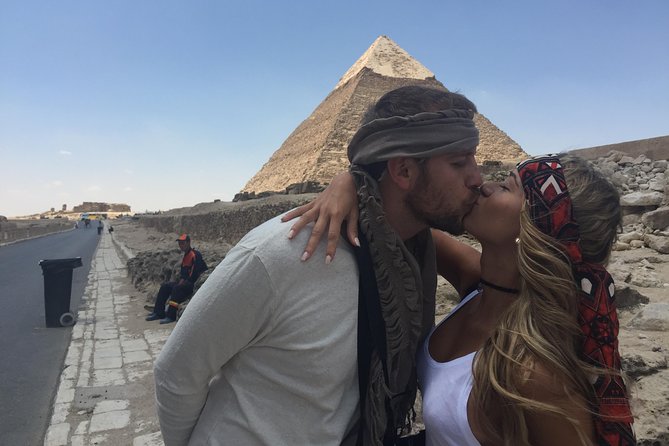
- Giza plus “older than the postcard” stops like Memphis and the Sakkara area
- Major museum time focused on the Egyptian Museum and the Tut Ankh Amon collection
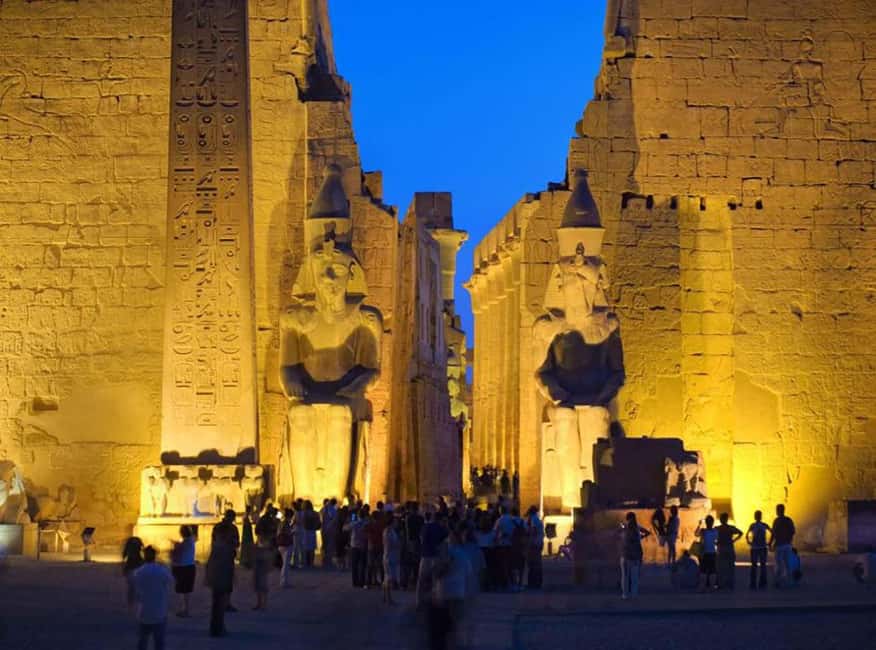
- A mix of cultures in one day at Salah El-Dien Citadel, the Alabaster Mosque, and Khan El Khalili
- Historic religious landmarks on Day 3 including Amr Ibn Alas Mosque, the Hanging Church, and Ben Ezra Synagogue
Why this private 3-day Cairo tour feels less stressful
Cairo can be noisy and confusing, especially when you’re trying to coordinate time, transport, and tickets across multiple neighborhoods. This tour’s structure helps you relax into the day. You’re collected from your hotel, driven between sites in a private vehicle, and returned at the end of the day. That alone can save you hours of decision-making.
You also get a guide who’s there for three full days, which matters. With only one day, you often miss the “why does this matter” part. With a multi-day plan, the explanations start to connect—how ancient kings shaped Egypt, how later rulers built on earlier spaces, and how different communities used the same city over time.
There’s also food baked into the schedule. You’ll have lunch (3) over the course of the trip, plus snacks & ice cream. It’s not just a perk; it helps keep you on track for morning starts and long sightseeing blocks.
You can also read our reviews of more guided tours in Cairo



Day 1 on the Giza Plateau: Khufu, Chephren, Mykerinus, and the Queen Pyramids
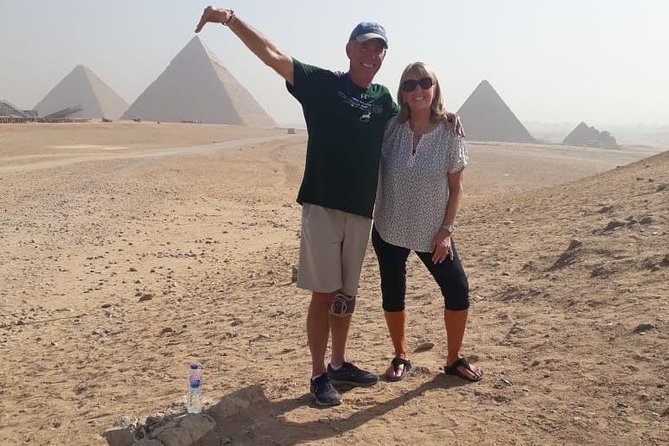
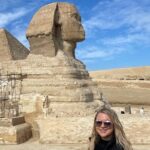
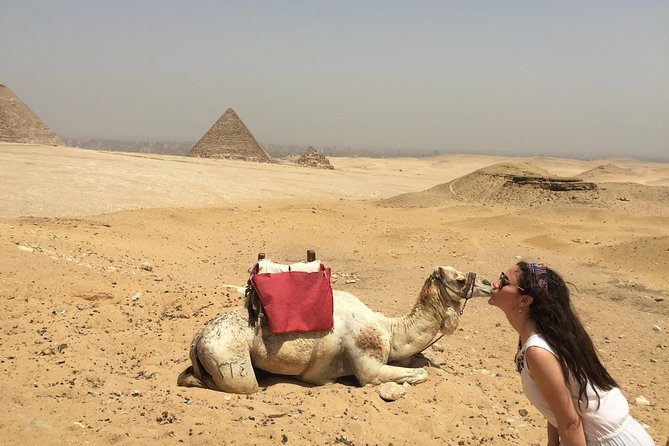
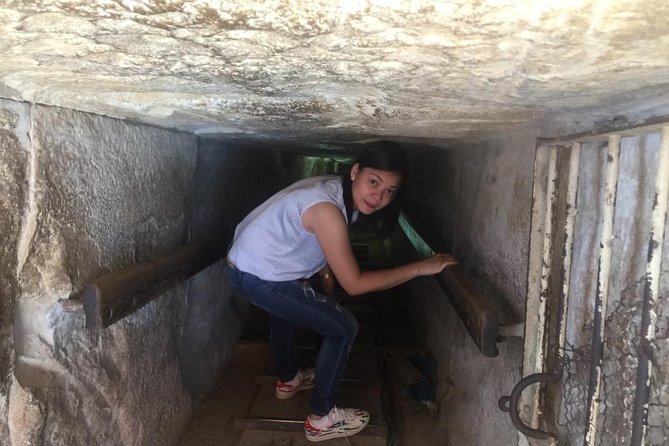
Your morning starts with pickup from your hotel in Cairo or Giza, and then you head to the Giza Plateau. The first major stop is the Pyramids of Cheops (Khufu), the only one of the seven wonders of the ancient world still standing today. Even if you’ve seen photos, seeing it in person changes the scale in a way that’s hard to capture in a screen.
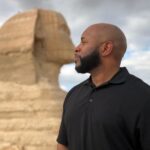
From there, the route continues through the Chephren and Mykerinus pyramids, plus the six queen pyramids. I like this mix because it avoids the trap of treating Giza like one building. Different pyramids, different placements, and different details help you understand the site as a whole complex rather than a single photo spot.
What you’ll likely enjoy most here
The guide’s explanations are especially valuable on Day 1. Pyramids can feel like pure spectacle if you don’t know what to notice. With an Egyptologist guiding you, you can focus on the right things—layout, naming, and how the different rulers relate to each other.
A practical consideration
This is an early-day start (the tour begins at 7:00 am). In hot weather, mornings are a gift, but you’ll still want to plan for a long stretch outside. The schedule is built for efficiency, so the earlier you’re ready to move, the smoother the day feels.
Day 1 after the pyramids: Memphis and the open-air museum
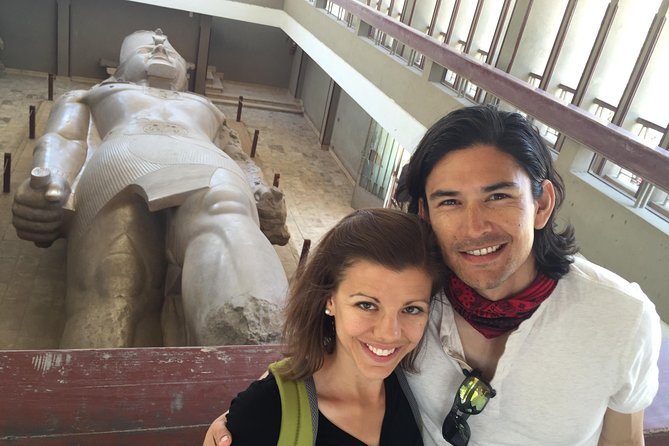
After Giza, you move to Memphis, a city founded by King Menes and known as the Old Kingdom capital for thousands of years. The stop here is an open-air museum experience, which means you’re not boxed in with walls and screens—you’re walking through the kinds of monumental leftovers that make ancient Egypt feel solid and physical.
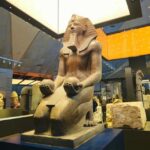
In the museum area, you’ll see the giant statue of Ramses II, left unfinished and lying down on its back. That detail is a standout. An unfinished statue gives you a rare peek at the real process behind monumental art rather than only the final product. You’ll also see the alabaster Sphinx of Memphis, which adds variety to the Sphinx theme beyond the most famous image people expect.
You can also read our reviews of more private tours in Cairo




Why Memphis works well on day one
After the pyramids, Memphis gives you a different flavor of Egypt. It’s not only about tombs and royal building projects. It’s about political power and culture, and how monuments reflect the long arc of Egyptian rule.
Timing note
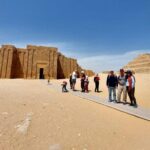
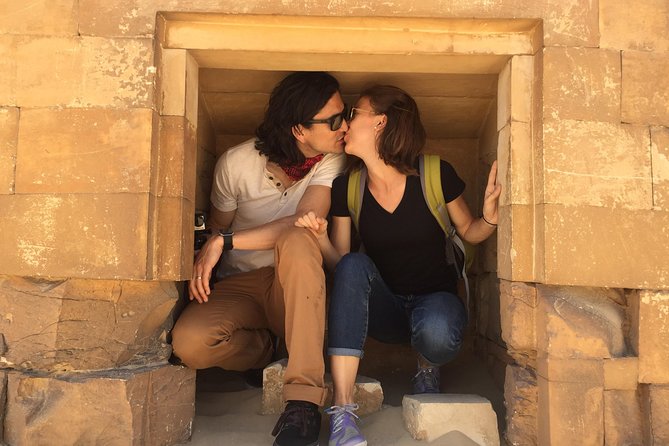
Memphis and then the Sakkara area follow next. The provided itinerary doesn’t list exact Sakkara monuments in the same detail as the earlier stops, but it is clearly part of the day. Expect Sakkara to broaden the time window beyond Giza, since it’s known as an important site for early pyramid-era history.
Day 2 at the Egyptian Museum: Tut Ankh Amon and the scale of the collection
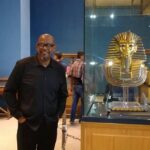
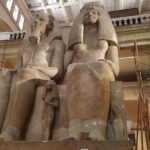
Day 2 starts with pickup from your hotel again, and then the first big hit is the Egyptian Museum. The museum contains thousands of ancient Egyptian artifacts, and the tour specifically calls out the strength of the collection through Tut Ankh Amon, the boy-king.
I love museum days when they’re handled with a guide, because otherwise you can get lost in the volume. A guide helps you prioritize what to see and connects individual artifacts to the larger story. In a museum this size, that changes your experience from walking and scanning to actually understanding.
The main drawback to plan for
Museums can be tiring in a way outdoor sites aren’t. If you’re someone who gets mentally fatigued from indoor walking, the included lunch and the guide-led pacing can really help. If you need short breaks, that’s exactly the kind of preference that guides in this tour are described as respecting.
Salah El-Dien Citadel and Mohamed Ali’s Alabaster Mosque
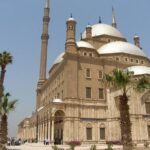
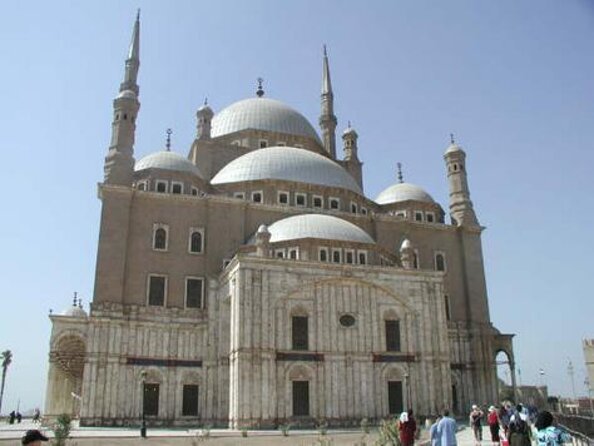
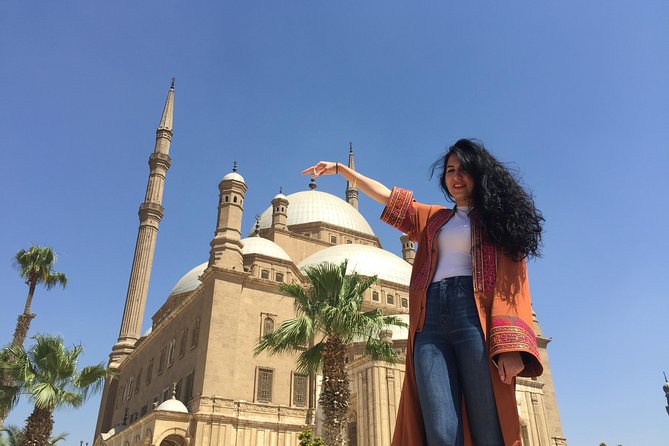
After the museum, your Day 2 includes the Salah El-Dien Citadel, also described as the Castle of Salah El-Dien. Then you’ll visit the Alabaster Mosque, built by Mohamed Ali and noted as the most beautiful mosque in Egypt in the itinerary description.
This is where the tour shifts from ancient Egypt into how later eras shaped Cairo. Even if you care mostly about pharaohs, the citadel and mosque are still useful because they show how power and architecture moved through time.
What makes the mosque stop interesting
The fact that it’s built by Mohamed Ali and made from alabaster materials gives you something more than just a quick photo stop. It’s part of a larger complex, and your guide’s context helps you see it as a historical statement, not only religious architecture.
Khan El Khalili Bazaar: shopping with context, not just wandering
To close Day 2, you head to Khan El Khalili Bazaar, described as the oldest and biggest bazaar in the Middle East. The itinerary also lists what it’s known for trading: gold, fine silver, perfumes, copper, brassware, leather, antiques, and more.
I like bazaar time when it’s guided because it helps you separate what’s worth your attention from what’s just noise. The sellers can be persistent anywhere, and having a plan makes you more confident. You’ll also end the day back at your hotel in Cairo or Giza, which keeps the night from turning into a second logistics problem.
A balanced take on shopping here
Bazaar visits can be fun, but Cairo’s markets aren’t designed for people who want fast, friction-free browsing. If you’re not into shopping, you can still use this stop to watch trades and craftsmanship up close. Just keep your expectations realistic and treat it as an experience, not a guarantee of bargain prices.
Day 3: Amr Ibn Alas Mosque, the Hanging Church, and Ben Ezra Synagogue
Day 3 is where the tour becomes about layers of faith and community. You’ll visit three landmark sites, and each one reflects a different chapter of Cairo’s story.
Amr Ibn Alas Mosque: a 642 A.C. starting point
First is the Amr Ibn Alas Mosque, described as the oldest mosque to be built not only in Egypt but also all over Africa, dating back to 642 A.C. The itinerary notes it was reconstructed many times, which is why its shape is different from earlier versions.
That reconstruction detail matters. It tells you the mosque isn’t a museum piece frozen at one moment. It’s a living site that evolved, and your guide can help you understand what that means.
The Hanging Church: built over the Babylon Fortress
Next is the Hanging Church, described as highly recommended for both Copts and Muslims. It’s named for its construction over the Babylon Fortress, and the itinerary says its construction dates back to the 3rd century AD.
This stop can be one of the most rewarding on the entire trip because it’s not only religious architecture. It’s also a spatial story: a church built in relation to an earlier fortress. Even if your faith background is different, you’ll likely appreciate how communities repurpose major city sites over centuries.
Ben Ezra Synagogue: 9th-century roots with older layers inside
Finally, you’ll visit the Ben Ezra Synagogue. The itinerary says it dates back to the 9th century, and it’s housed in a former church originally constructed in the 4th century.
That “inside-out” timeline is fascinating. It means you’re standing in one place while different communities shaped it at different times. A guide’s explanations make this much easier to grasp than trying to interpret layers on your own.
What’s included in the price, and why it can be good value
The tour price is $124 per person for approximately 3 days, booked on average about 21 days in advance. At first glance, entrance fees not being included can feel like a catch. But here’s the key: you’re paying for a private Egyptologist, hotel pickup and drop-off, and private transport, plus meals.
Let’s break down the included items that actually matter for your day-to-day comfort:
- Qualified Egyptologist guide for all the sightseeing you’re paying for
- Hotel pickup and drop-off in Cairo or Giza
- Transport by private vehicle each day
- Lunch (3), one per day
- Snacks & ice cream, which helps during long site visits
- Mobile ticket, which reduces last-minute friction
- Private tour means it’s only your group, not a big mixed crowd
When you compare that to the cost of piecing it together yourself—hiring a guide per day, lining up transport, and coordinating meal timing—this package can start to look like efficient value. You’re essentially buying time, clarity, and continuity of explanations across multiple major sites.
The one cost you still control is entrance fees. Since they’re not included, make sure you have a plan for extra spending so you’re not forced into tough decisions on the spot.
How the itinerary rhythm helps you see more without rushing
A common Cairo mistake is cramming too much into one day. This tour is structured to reduce that. Day 1 begins with the Giza Plateau, then moves to Memphis and the Sakkara area. Day 2 covers the museum, a major citadel, and Khan El Khalili. Day 3 focuses tightly on three historic religious sites.
That sequence is useful. It moves from ancient royal monuments to the artifacts that preserve them, then to later architecture and religious history. You can feel the city evolving across the three days instead of jumping randomly.
Also, the included meals and snacks support that rhythm. You’re less likely to run on low energy, which keeps you focused enough to actually absorb what the guide is saying.
Who this tour is best for
This package fits best if you want:
- An organized, private plan without spending time researching daily logistics
- Egyptologist-level context at the big sites and at the quieter stops
- Three days of pace, so you’re not always in hurry mode
- A mix of ancient Egypt and later Cairo layers, including religious landmarks on Day 3
If you’re the type who loves major icons but also wants to understand what you’re seeing, this tour’s balance is a strong match. If you mostly want independent time and minimal structure, you might find a private guided format too scheduled.
Should you book the 3-day private Cairo package with Cleopatra Egypt Tours?
I’d book it if you want the comfort of pickup, private transport, and a guide who can explain Giza, Memphis, the Egyptian Museum, and Cairo’s religious heritage in a connected way. The standout strength here is continuity: you’re with a qualified Egyptologist across multiple days, not just a rushed highlight walk.
I’d think twice if entrance fees are a sticking point for your budget, or if you dislike early starts. Since the itinerary begins at 7:00 am and entrance costs are extra, you’ll enjoy the trip more if you plan ahead rather than reacting day-of.
If your goal is to see essential Cairo plus the stops that help you understand how the city developed over time, this is a smart, practical way to do it.
FAQ
What does the tour include?
The tour includes a qualified Egyptologist guide, hotel pickup and drop-off, transport by private vehicle, snacks and ice cream, and lunch for each of the 3 days.
Are entrance fees included?
No. Entrance fees are not included in the tour price.
What time does the tour start?
The tour start time is 7:00 am.
Where do you get picked up?
You can be picked up from your hotel in Cairo or Giza.
Is this tour private or group-based?
It’s a private tour/activity, meaning only your group will participate.
How long is the tour?
The duration is 3 days (approx.).
Is a mobile ticket provided?
Yes, the tour includes a mobile ticket.
Is free cancellation available?
Yes. You can cancel up to 24 hours in advance for a full refund.
Are children allowed on the tour?
Children must be accompanied by an adult.
Can I request dietary requirements?
Yes. You’re asked to advise any specific dietary requirements at the time of booking.