REVIEW · CAIRO
2 Days Private Guided Tour around Cairo and Giza
Book on Viator →Operated by Deluxe Tours Egypt · Bookable on Viator
Cairo can feel like a living history lesson. This 2-day private route helps you check off the Great Pyramids of Giza and the Egyptian Museum fast, with a real Egyptologist shaping what you see, not just reading signs. I also like that hotel pickup and round-trip transfers reduce the headache of crossing traffic and finding parking in a city that never stops moving. One thing to watch: entrance fees and meals are not included, so your total cost will be higher once you add those on.
Day 1 is built for maximum wow—pyramids, Sphinx, Memphis, and Saqqara—wrapped into a logical flow that keeps you from bouncing around. Day 2 shifts gears to Cairo’s sights: the Egyptian Museum, Salah El Din Citadel, and Khan el-Khalili for a taste of the city’s everyday energy. The possible drawback is timing and comfort: you start early (around 8:00 a.m.) and spend a lot of time in vehicles, so come ready for a full-on two days.
If you want a tight plan with a guide who can explain why things were built and how they connect, this is a strong choice. If you hate optional stops and prefer fully self-paced wandering, you might want a tour with a bit more flexibility baked in from the start.
In This Review
- Key things to know before you go
- The big idea: ticking off Cairo and Giza in just two days
- Day 1: Giza pyramids, Khufu views, and a Sphinx that holds the skyline
- Starting at 8:00 a.m. and going straight to Giza
- Great Pyramid of Khufu: short walk, touch, and possible inside access
- Sphinx plus the Valley Temple
- Memphis and Saqqara: the “before and after” of Old Kingdom power
- A small comfort note
- Day 2: Egyptian Museum treasures, Citadel views, and Khan el-Khalili bargains
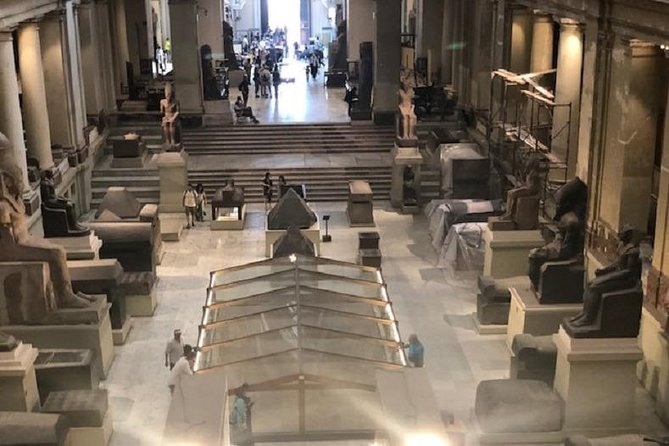
- Museum of Egyptian Antiquities: Tutankhamun and Akhenaton
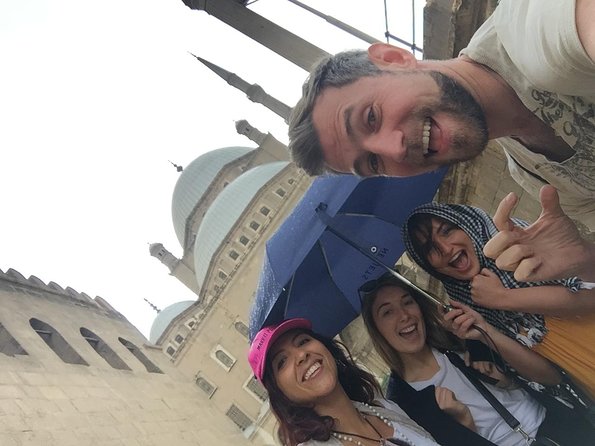
- Salah El Din Citadel and Mohamed Ali Mosque
- Khan el-Khalili: Cairo’s market pulse (and how to handle it)
- The guide and vehicle experience: where this tour earns its value
- Price and value: what $95 covers (and what it doesn’t)
- Scam awareness and shopping sanity checks in Cairo
- Practical tips for a smoother two days
- Plan for early mornings and sun
- Wear shoes you can walk in
- Clarify pickup details
- If you want inside access, think early
- Who this tour suits best
- Should you book this 2-day private Cairo and Giza tour?
- FAQ
- What’s the duration of the private tour?
- Does the tour include hotel pickup and round-trip transfers?
- Are entrance fees to the sights included?
- Is the tour a private experience or shared group?
- Are meals included?
- Can I cancel for a full refund?
Key things to know before you go
- Hotel pickup and private vehicle save real time versus trying to DIY Cairo-to-Giza transport
- Egyptologist guidance helps you understand what you’re looking at, especially at the pyramids and Saqqara
- Skip-the-long-lines promise can make a big difference on busy days
- Entrance fees are not included, so plan a budget for sites and any interior access
- Camel rides and shopping stops may come up, so decide early what you want and what you’ll pass
- Pickup-meeting details matter, especially if your hotel isn’t exactly where you think the driver will take you
The big idea: ticking off Cairo and Giza in just two days
Cairo and Giza are famous for a reason, but time-limited trips can get messy. You’ll face traffic, crowded entrances, and the challenge of figuring out what to see in what order. This tour is built to solve that: it strings together the top sites into a two-day loop, with a private Egyptologist guide doing the “what you’re seeing and why it matters” work.
I like tours like this when they don’t just throw you at monuments. Here, the plan is paced so you get context at the pyramids area first, then moves to Memphis and Saqqara for the “how it evolved” story, and finishes with Cairo’s museum and historic power centers. It’s a smart way to avoid feeling like you only scratched the surface.
The “private” part matters too. You can ask questions on the spot—why the Sphinx is tied to a specific pharaoh, how the Valley Temple relates to burial practices, or what you’re actually looking for inside the museum galleries.
You can also read our reviews of more guided tours in Cairo



Day 1: Giza pyramids, Khufu views, and a Sphinx that holds the skyline
Starting at 8:00 a.m. and going straight to Giza
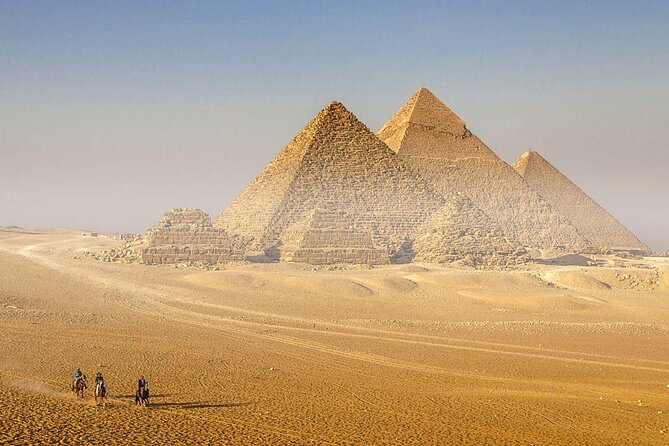
Day 1 begins with pickup around 8:00 a.m. from your hotel and a full morning and afternoon focused on the Giza Plateau. The tour concentrates on the main pyramid rulers: Cheops (Khufu), Chechen (Chephren), and Mykerinus (Menkaure). That’s the right mix for a first trip because it gives you the “family resemblance” of pyramid shapes and layouts.
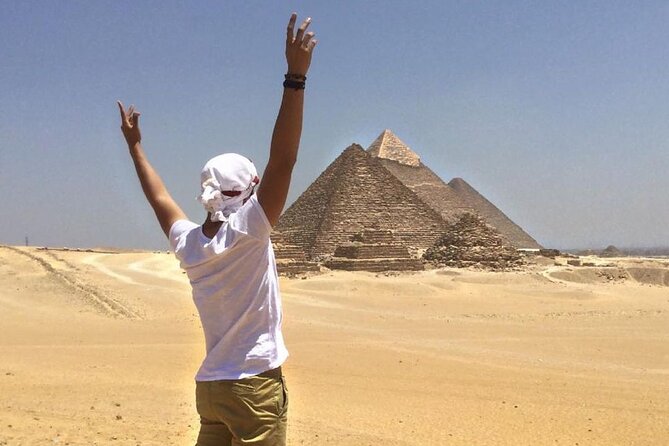
You also get time for the panoramic view where you can see all the pyramids together and take a “one shot” style photo. That’s not just a sightseeing stop—it’s how you start understanding scale. Up close, each structure can feel isolated. From the right vantage point, you start seeing the bigger design.
Great Pyramid of Khufu: short walk, touch, and possible inside access
Next comes the Great Pyramid of Cheops (Khufu). You get about 30 minutes to walk around, take pictures next to the pyramid, and yes, you can even touch it. If you want to go inside, you’ll have time for that as an option, but remember entrance fees are not included.
The practical takeaway: if interior access matters to you, budget for it and don’t assume it’s automatic. Choosing to go inside can change your pace, so it’s good when you’re traveling with a guide who can time the rest of your day around your choices.
Sphinx plus the Valley Temple
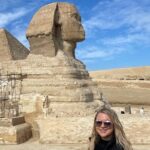
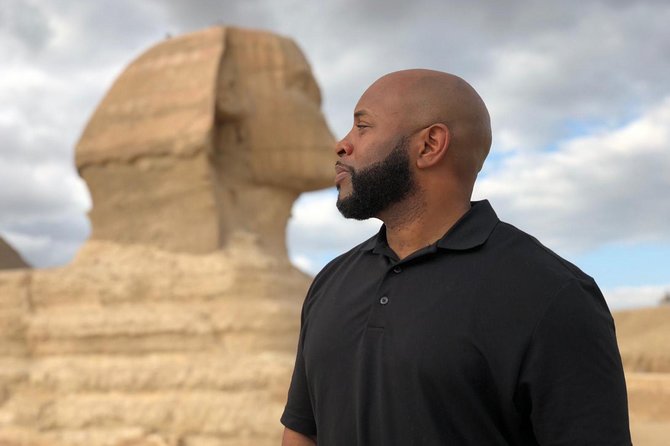
After the pyramids, you move to the Great Sphinx. The guide’s explanation connects the Sphinx’s design—lion body with a pharaoh’s head—to Khephren’s era and its role guarding the pyramid complex. That framing helps the Sphinx feel less like a random statue and more like part of a coordinated landscape.
You also visit the Valley Temple, tied to the pyramid of Chephren. The tour highlights that it acted as a site connected to mummification processes before burial. Even if you’re not a hardcore Egyptology fan, having that story told makes the stones feel purposeful instead of just impressive.
You can also read our reviews of more private tours in Cairo





Memphis and Saqqara: the “before and after” of Old Kingdom power
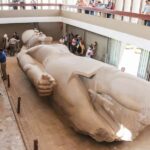
The day continues with Memphis and Sakkara, which is where the tour really earns its keep. Memphis is described as the capital founded by King Menes and a center of rule and culture over thousands of years. Here you see specific highlights like the Statue of Ramses II and an alabaster Sphinx of Memphis.
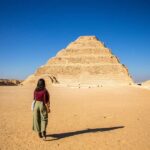
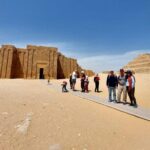
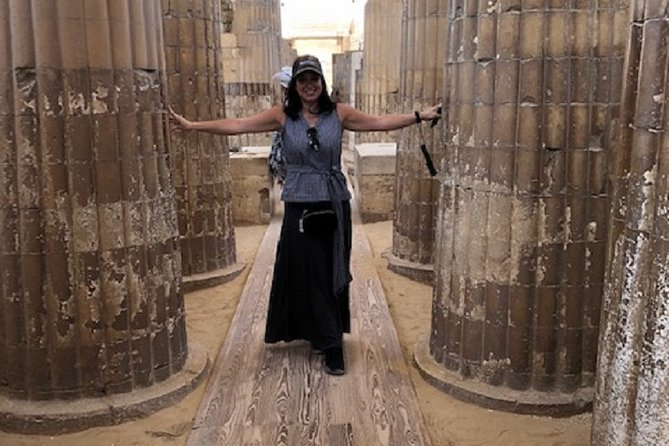
Then it’s on to Saqqara for the Step Pyramid of Zoser, noted as the world’s oldest major stone structure. You’ll get time to see it and understand it as part of the 3rd Dynasty story (the tour mentions around 2630 BC). The Step Pyramid is key because it shows the early “prototype” of later pyramid-building—so by the time you’re back to the hotel, the Giza pyramids make more sense.
A small comfort note
The Day 1 sequence is packed: pyramids area, Great Pyramid of Khufu time, Sphinx and Valley Temple, Memphis, then Saqqara. You’ll feel the schedule. If you’re prone to getting grumpy on long days, bring water, sunscreen, and a little patience. The upside is you don’t have to choose between major sites—you see them all.
Day 2: Egyptian Museum treasures, Citadel views, and Khan el-Khalili bargains
Museum of Egyptian Antiquities: Tutankhamun and Akhenaton
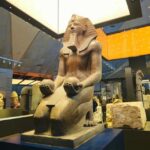
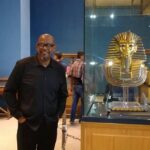
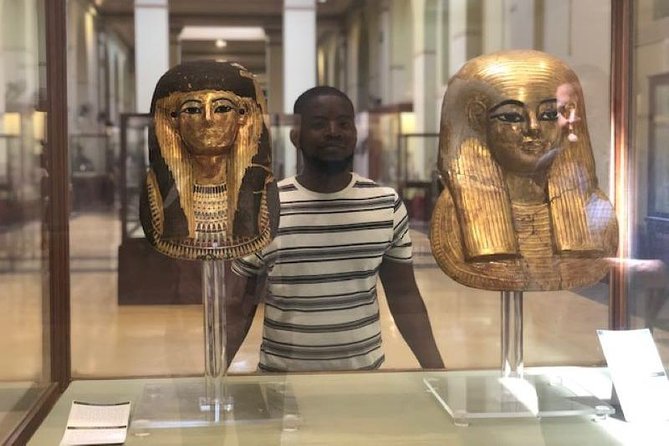
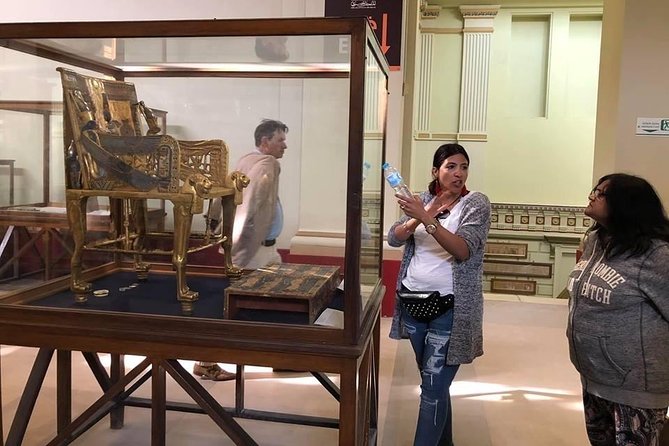
Day 2 starts with the Egyptian Museum of Egyptian Antiquities. The tour sets aside about 2 hours, focusing on the Tutankhamun treasures and Akhenaton statues. That’s a good allocation for first-timers because those works quickly anchor the museum’s scope.
You can also opt for the Mummy room if you want. Because entrance fees aren’t included, treat this as an optional add-on you decide based on your interests and budget. If you’re not sure, ask your guide what would be most meaningful for your time.
One advantage of having an Egyptologist here: museums can be overwhelming. A guide can point you toward what matters so you don’t just drift through rooms without a thread.
Salah El Din Citadel and Mohamed Ali Mosque
Next up is the Citadel of Saladin Al Ayouby, built in the 12th century to fortify Cairo. The tour frames it as a seat of government over many dynasties, including the Ayyubids, Mamluks, and even some Ottoman rule from the Citadel. That historical context turns the citadel from “a big structure” into “the engine room of power.”
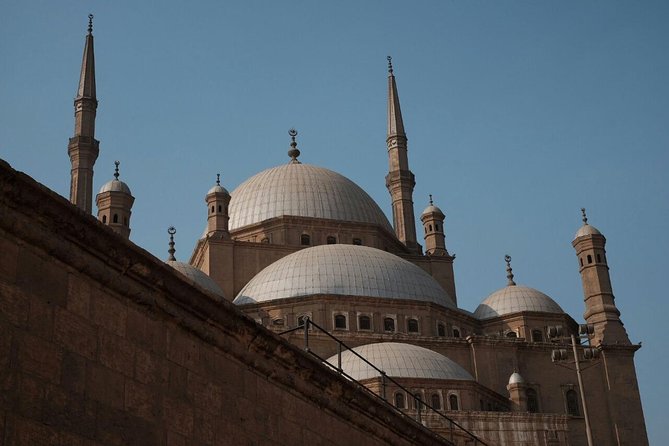
Inside the courtyard sits the Great Alabaster Mosque of Mohamed Ali Pasha, described as a landmark with domes and minarets. You get around 2 hours here, which is enough time to appreciate the views from higher ground and also take photos without feeling completely rushed.
Khan el-Khalili: Cairo’s market pulse (and how to handle it)
The day ends with Khan el-Khalili, where you’ll spend about 1 hour. The tour encourages you to comb through stalls for handmade crafts and paper products and to test your bargaining skills.
Two useful context points the tour includes:
- It connects the market to a story about Christopher Columbus and his search for America.
- There’s an optional Papyrus Institute stop if you want to learn how papyrus artwork is made.
Now, the practical reality: markets are where you’ll do most of your social and shopping bargaining. If you’re not interested in buying, you can still enjoy it for the sensory experience—just set a rule for yourself ahead of time. Decide what you’re willing to pay, and don’t feel pressured into souvenirs.
Also, I’ll be direct about a risk to manage: Egypt’s tourist zones can attract scams and commission-driven “helper” behavior. You’ll get the best results if you stay in control—skip anything that feels pushy, and remember you’re allowed to simply say no.
The guide and vehicle experience: where this tour earns its value
This is a private tour with a qualified Egyptologist guide and transport by a private vehicle. It’s also set up to skip the long lines, plus you’ll have bottled water during the day. These are small items on paper, but they matter a lot when you’re dealing with Cairo heat, crowds, and time constraints.
Private guide + private car tends to make your day feel less like a relay race. You can ask follow-up questions and get real-time adjustments if something runs slower than expected. It also helps you avoid the common DIY trap: wasting time negotiating with multiple drivers, then arriving stressed and late.
On top of that, your plan includes mobile ticketing and the tour provider lists group discounts. If you’re traveling with friends or family, it can be a way to make the per-person price feel more reasonable.
Price and value: what $95 covers (and what it doesn’t)
At $95 per person for about 2 days, you’re paying for a lot of coordination: guided interpretation, private transport, and the skip-the-line promise. For Egypt’s big-ticket sights—pyramids and major museum/citadel stops—that can be good value, especially if you’d otherwise spend your time figuring out transport and timing.
But don’t forget what’s excluded:
- Any entrance fees
- Any meals
So the clean way to think about the budget is: you’re paying the guide and logistics fee up front, then you pay site tickets on top. If you plan to go inside the Great Pyramid of Khufu, visit optional areas like the mummy room, or add any extra paid activities, those entrance costs will become your main variable.
The best “value” move: decide which paid options are truly worth it for you before you go, so you don’t end up surprised mid-day.
Scam awareness and shopping sanity checks in Cairo
Cairo can be friendly, funny, and full of life. It can also be a magnet for sales pressure. You’ll see this most around bazaars and “buying help” moments.
Here’s how to handle it:
- Treat all shopping and add-on recommendations as optional. If you didn’t plan it, you don’t have to do it.
- If someone tries to direct you somewhere you didn’t ask to go, ask for the price range upfront and take your time.
- Keep your expectations simple: a short Khan el-Khalili stop is best used for looking and bargaining lightly, not for making big purchases.
One of the stronger pieces of advice you’ll want is basic negotiation discipline. Decide what you can live with before you start. And if you feel pressured, exit. This is your schedule.
Practical tips for a smoother two days
Plan for early mornings and sun
Day 1 is built for an early start, and both days include outdoor time at Giza and Saqqara. Bring sunscreen, a hat, and water. You’ll have bottled water, but it’s not a substitute for your own basics.
Wear shoes you can walk in
You’ll do walking at pyramids areas and memorial-type ruins. Comfortable walking shoes are not optional if you want to enjoy your day.
Clarify pickup details
Some people run into trouble when pickup expectations and the actual meet-up location don’t match. Before you go, confirm your pickup hotel name and exact pickup point so your driver knows where you are.
If you want inside access, think early
Interior visits are time-sensitive. If you care about going into the Great Pyramid, make that decision early in the day so you don’t lose your flow.
Who this tour suits best
This 2-day private guided tour is ideal if you:
- Want a fast, structured Cairo-and-Giza sampler without the stress of planning every leg
- Like having an Egyptologist connect monuments to the bigger story
- Prefer private transport and skip-the-line entry over bargaining for taxis all day
- Are okay with a packed schedule and early starts to cover major sites
It may be less ideal if you:
- Want long, slow wandering with minimal structure
- Hate any optional paid add-ons or shopping moments
- Need a very relaxed pace across both days
Should you book this 2-day private Cairo and Giza tour?
Book it if you want maximum iconic Cairo with a guide who can explain what you’re seeing and a private car that gets you there without the daily logistics stress. The best reason is simple: this itinerary squeezes the pyramids, museum, Citadel, and Khan el-Khalili into two days in a way that keeps the story connected.
Skip it or consider an alternative if you’re on a tight budget for entrance fees, want mostly free time, or you’d rather avoid any market bargaining pressure. Also, if you book, do your homework on what you want to pay for at each stop—because entrance tickets and meals are on you, not included.
If you’re the type who likes a clear plan, good timing, and a guide turning big monuments into understandable stories, this one is a solid yes for a first (or return) trip to Cairo and Giza.
FAQ
What’s the duration of the private tour?
The tour runs for 2 days, with timing that adds up to a full sightseeing schedule across Cairo and Giza.
Does the tour include hotel pickup and round-trip transfers?
Yes. Pickup is offered from your hotel in Cairo, and the tour includes transport by private vehicle with round-trip transfers.
Are entrance fees to the sights included?
No. Entrance fees are not included, so you’ll need to pay for sites separately.
Is the tour a private experience or shared group?
This is a private tour/activity, so only your group participates.
Are meals included?
No. Meals are not included.
Can I cancel for a full refund?
Yes. You can cancel up to 24 hours in advance for a full refund.