REVIEW · CAIRO
2 Days in Giza, Cairo and Safari in Faiyum
Book on Viator →Operated by Pyramids Land Private Tours · Bookable on Viator
Two days can feel like a week of stories. This tour mixes Egypt’s big-stone wonders with a nature day in Faiyum, where you trade city heat for desert water and ancient fossils. I like that you get an Egyptologist-style guided approach to the pyramids and museum, not just a checklist of stops. You’ll also get an organized safari day with the ride, entrance fees, and lunch handled so you can focus on the scenery.
The potential drawback is the usual Egypt trade-off: time and extras. The tour includes major access and key sites, but extra entrance fees can apply if you want to go inside the pyramids, and the second day includes a 95 km drive that can feel long even with breaks.
If you’re okay with a well-paced plan (and a bit of desert walking), this is a good value way to see both human history and natural history in one package.
In This Review
- Key things I’d prioritize before you go
- Two days that connect Cairo’s monuments to Faiyum’s fossils
- Giza pyramids and the Sphinx: what your included time gets you
- Egypt’s Museum of Antiquities: why you should pair it with Giza
- Khan el-Khalili in one hour: how to make the market stop work
- The 8:00 am advantage and Cairo’s traffic reality
- Faiyum safari day: Lake Qaroun and the Sobek connection
- Wadi al-Rayan Waterfalls: what you can expect from the walk
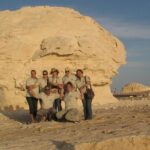
- Valley of the Whales (Wadi al-Hitan): fossil time in the desert
- Tunis Village pottery stop: why this part feels human
- Lunch twice included: the underrated quality-of-life detail
- Price and logistics: what $239 covers and what to watch
- Who this tour suits best (and who should consider other options)
- Should you book this Giza and Faiyum experience?
- FAQ
- What is included in the tour price?
- Are the entrances inside the pyramids included?
- What time does the tour start?
- What places do you visit on Day 2 in Faiyum?
- Is this a private tour?
- Do I need good weather for the safari?
Key things I’d prioritize before you go
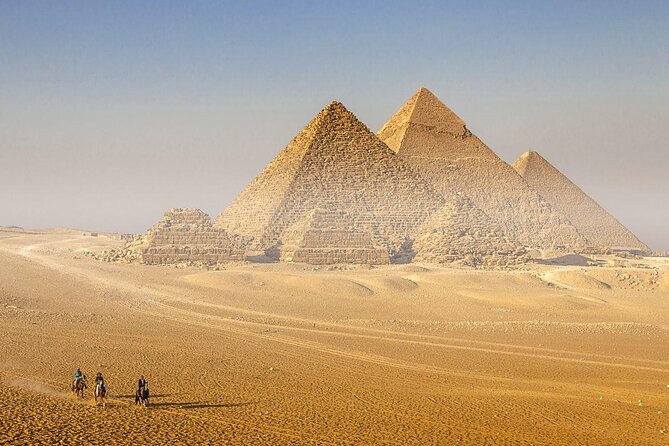
- Egyptologist-led explanations: You’ll get guided context for the pyramids and the Egyptian Museum, which turns photos into real understanding.
- Pyramids + Sphinx time (about 2 hours): Enough time to see the main shapes and get your bearings without feeling rushed every 5 minutes.
- Faiyum safari stops are varied: Lake Qaroun, Wadi al-Rayan Waterfalls, Wadi al-Hitan (Valley of the Whales), plus Tunis Village.
- Lunch is included on both days: That matters in Cairo and the desert where food options can slow you down.
- Private setup for your group: Only your party participates, so the day feels more like a tailored outing than a crowded bus loop.
- Comfort features are built in: Air-conditioned transport for Cairo, plus the safari-style vehicle/4×4 included.
Two days that connect Cairo’s monuments to Faiyum’s fossils
I love tours that stitch together different sides of Egypt instead of treating everything like separate one-day trips. Here, Day 1 centers on the icons in Giza and Cairo: pyramids, Sphinx, and the Egyptian Museum. Then Day 2 changes the pace with a safari day in Faiyum, where the scenery and the stories shift from dynasties and pharaohs to desert landscapes and ancient whale fossils.
That switch is more than a nice itinerary trick. It helps you reset mentally. After hours of stone, dust, and crowds around Giza, you get a break in the second day’s rhythm: drive, short stops, then walking time in protected areas like Wadi al-Rayan and Wadi al-Hitan.
On value, $239 per person is strongest when you compare it to what you’d piece together yourself: guided entry days in Cairo plus a full day transport plan out to Faiyum with lunch and site fees included. The “gotcha” to watch is the note about extra entrances for the pyramids’ interior. If that matters to you, budget it.
A few more Cairo tours and experiences worth a look


Giza pyramids and the Sphinx: what your included time gets you
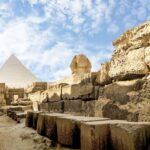
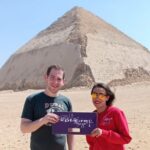
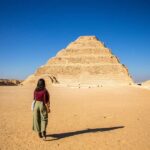
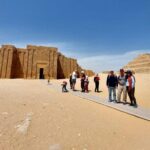
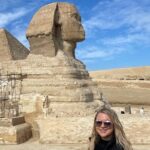
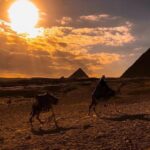
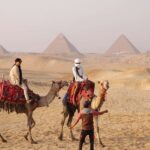
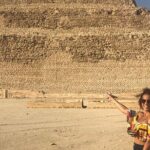
Your Giza day is built around the big three: the Pyramid of Cheops (Great Pyramid), Chephren, and Mycerinus, plus the Great Sphinx on the plateau. You’re scheduled for about 2 hours here, and that timing is realistic if you want to see the structures clearly, not just stand under them for a minute.
What I like about this setup is that it gives you time to understand scale. With three pyramids in one visit, you can compare sizes and alignments without needing a separate taxi sprint. The Sphinx stop also matters because it’s not just a photo spot; it’s the moment your brain starts connecting the plateau to the wider Giza complex idea.
A practical note: the tour includes an admission ticket for the Giza sites, but extra entrance fees can apply if you want to go inside the pyramids. If you’re the type who hates paying for add-ons at the gate, decide ahead of time. If you’re flexible and want the option, ask your guide what’s best based on your energy and interest level.
Egypt’s Museum of Antiquities: why you should pair it with Giza
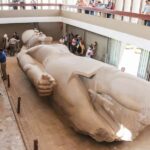
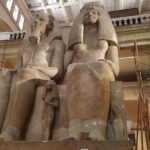
After the pyramids, the Egyptian Museum of Antiquities is where the day turns from architecture to artifacts. The museum is described as the biggest collection of ancient Egyptian artifacts, with more than 100,000 pieces ranging from tiny items like amulets and domestic tools to monumental statues.
I like pairing museum time right after Giza because your questions get sharper. Seeing the pyramids first helps you notice what kind of items and beliefs would have surrounded those monumental structures. And if your guide is an Egyptologist (the tour includes a qualified one), you can ask why certain objects mattered rather than just reading labels.
Also, the museum stop is about 2 hours, which is the right length for most people. You won’t feel like you’re trying to sprint through a warehouse of treasures. You’ll be able to focus on the pieces that match what you saw outside.
Khan el-Khalili in one hour: how to make the market stop work
The Khan el-Khalili bazaar stop is about 1 hour, positioned after the museum so you’re not doing everything under full-day overwhelm. Even with that short time, it can be worth it because Khan el-Khalili is described as around 1,000 years old, set among ancient buildings and mosques.
Here’s my practical approach to this kind of market time: treat it like a sensory break, not a shopping marathon. Look around first to get the layout in your head. Then pick one or two things you genuinely want—handmade pottery, small souvenirs, or gifts you’ll actually use. If you’re serious about shopping, make sure you’re using Egyptian pounds and that you have what you need, since exchanging money or digging for cards can eat up your hour.
One more thing: market stops can turn chaotic fast. Having a guide means you spend more time browsing and less time getting pulled into side streets you didn’t plan to see.
The 8:00 am advantage and Cairo’s traffic reality
This tour starts at 8:00 am, which I consider a quiet superpower in Cairo. Earlier starts help you see major sites before the thickest waves of visitors, and they also give your guide more control over timing when the city gets unpredictable.
Transport here is another big deal. Cairo day one includes air-conditioned vehicle time, which matters because Giza and central Cairo can feel intense in the sun. Reviews tied to this company also mention drivers handling routes and traffic well, which is the difference between a stressful day and a smooth one.
For your comfort, plan on sunscreen, a hat, and staying hydrated. You’ll thank yourself when your day goes from cool AC to bright stone and back again.
A few more Cairo tours and experiences worth a look



Faiyum safari day: Lake Qaroun and the Sobek connection
Day 2 shifts from city monuments to a drive into Faiyum, and the tour openly calls out that it’s a 95 km journey. The good news is that the day isn’t one long nonstop sitting session. There are breaks for tea time or coffee and snacks, so you can reset before the viewpoints.
One of the first stops is Qarun Lake, where your guide frames the place through the Egyptian god Sobek, associated with the crocodile deity tradition. The visit time is about 30 minutes, which tells you the goal here: quick orientation and context, then move on to the nature stops with more time to walk and look.
If you’re expecting a long hike here, adjust your expectations. Think of Qarun as a historically flavored warm-up before you hit the protected areas.
Wadi al-Rayan Waterfalls: what you can expect from the walk
Wadi el-Rayan is where the day starts feeling more like a nature trip than a sightseeing shuffle. You’re scheduled for about 1 hour here, and the tour description emphasizes lakes and a protected natural setting.
I like that this stop is built for breathing space. Even a short walk in Wadi al-Rayan can be a mental reset after Cairo and Giza. You’re not trapped in museums or staring at monuments; you’re moving through a place designed to protect water and habitat.
Since the day is safari-style, wear shoes you can trust on uneven ground. And bring water. Even if the route includes breaks, your personal comfort depends on your own basics.
Valley of the Whales (Wadi al-Hitan): fossil time in the desert
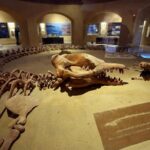
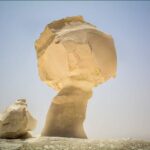
Wadi al-Hitan, also called the Valley of Whales, is the UNESCO highlight in the Faiyum set. It was designated a World Heritage Site in July 2005, based on the area’s fossil record—described as hundreds and thousands of whale fossils, and fossils that date back about 200 million years when this region was covered by water.
This is one of the stops where a guide’s explanation really matters. In a place like this, it’s easy to stare at the sand and miss why it’s special. A good guide connects the fossils to the huge idea: ancient seas, then time, then desert, then human discovery.
You get about 2 hours at Wadi al-Hitan, which is a smart amount of time. It gives you room to look for fossilized bones and listen without feeling rushed. If you’re the type who likes natural science context, you’ll likely get more from this stop than just photos.
Tunis Village pottery stop: why this part feels human
Tunis is a different kind of stop: a village setting with people described as welcoming and generous, and with many expatriates buying properties. You’ll have about 1 hour here, which is short but enough to see what’s going on and meet the craftspeople.
The tour description specifically calls out pottery shops where you can watch artisans at work and try pottery. It also mentions plant-rich surroundings and names trees and shrubs you can spot, including Bottle Brush Tree, Spikey Silk Cotton Tree, rose bushes, pomegranate bushes, olive, orange, and lemon.
If you want a break from crowds and sand, this village stop is a nice pace change. It also tends to be the part where your questions shift away from history dates toward how people live now.
Lunch twice included: the underrated quality-of-life detail
Lunch is included on both days, noted as Lunch (2) in the tour features. I find that included meals are one of the easiest value wins on Egypt day trips. When lunch isn’t handled, you end up hunting for something fast that fits your schedule, often at places far from where you want to be next.
Here, lunch helps you keep momentum. You can rest a little, refuel, and get back to the next site without losing your tour rhythm. If you’re sensitive to stomach issues during travel, this is another reason to like a guided day: your meal timing is less chaotic.
Price and logistics: what $239 covers and what to watch
At $239 per person for a roughly 2-day tour, the value comes from bundling the essentials: entrance fees, a qualified Egyptologist guide, air-conditioned vehicle transport, and safari transport with a 4×4 vehicle, plus lunch twice and included entries at most stops.
The main thing to watch is the note about additional entrance fees for the interior of the pyramids. If you want that experience, confirm the cost in advance so there are no surprise charges at the gate.
Also, this is listed as a private tour/activity, meaning only your group participates. That’s a meaningful value upgrade if you’re traveling with family or friends and you’d rather not share your day with strangers.
One more practical detail: the tour uses a mobile ticket. It’s a small thing, but in places where paperwork and lines can be annoying, having digital tickets can save time.
Who this tour suits best (and who should consider other options)
This tour is a strong match if you want:
- Big-name Cairo sights plus a full nature day out of town
- A guided day where you can ask questions and get context
- A schedule that’s intense but not wildly unrealistic
The tour also says a moderate physical fitness level is recommended. That’s fair for desert walking and uneven ground at the natural sites, even if you’re not doing anything extreme.
If you’re someone who hates early starts or needs lots of downtime between stops, this might feel packed. Day 2 in particular includes several distinct locations, and even with breaks, the drive day can wear you down.
Should you book this Giza and Faiyum experience?
I’d book it if you want an efficient, well-organized way to see Cairo’s essential monuments and then swap to a Faiyum safari with real natural history value. The two-day mix works because it balances stone, museums, markets, and then the Whale Valley and desert water areas.
I’d think twice only if you already know you want the inside-pyramid experience but don’t want to pay extra, or if you’re not comfortable with moderate walking and a long drive day.
FAQ
What is included in the tour price?
The tour includes entrance fees, a qualified Egyptologist tour guide, an air-conditioned vehicle, a 4×4 jeep for the safari, and lunch twice.
Are the entrances inside the pyramids included?
No. Extra entrance fees may apply for the interior of the Giza Pyramids.
What time does the tour start?
The start time is listed as 8:00 am.
What places do you visit on Day 2 in Faiyum?
On Day 2 you visit Lake Qaroun, Wadi El-Rayan, Valley of the Whales (Wadi Al-Hitan), and Tunis Village.
Is this a private tour?
Yes. It’s listed as a private tour/activity, so only your group participates.
Do I need good weather for the safari?
Yes. The experience requires good weather. If it’s canceled due to poor weather, you’ll be offered a different date or a full refund.