REVIEW · CAIRO
2 Days Aswan & Abu Simbel from Cairo by Air
Book on Viator →Operated by Book Egypt Tours · Bookable on Viator
Two days in Egypt, but it feels bigger.
This Aswan and Abu Simbel trip is interesting because you cut out the long overland slog by using domestic flights plus door-to-door transfers, and you’re guided by an Egyptologist who puts the monuments into context instead of just reading signs. I especially like the plan for tight time: you get a full Aswan day of sights, a comfortable night in a five-star base, and then you spend your second day at Ramses II’s world-famous temple complex.
I also like the “logic of convenience” built into it: private transportation with air-conditioning, bottled water, and a private tour feel, while still packing in the big names like Philae Temple and the Abu Simbel rock-cut sanctuaries. One possible drawback: you start early (pickup at 6:00 am) and the long day of driving plus early wake-up can feel like a lot, so it helps if you’re comfortable with early mornings and moderate physical effort.
In This Review
- Key highlights to know before you go
- Flying Cairo to Aswan: why speed matters
- What the five-star Aswan hotel and B&B mean in real life
- Day 1 in Aswan: High Dam views and the Philae transfer story
- Aswan first: Nubia, Ptolemaic shifts, and Greek-Roman influence
- Aswan Low Dam and the High Dam: modern power on the Nile
- Philae Temple on Agilkia Island: Isis, Greek-Roman chapels, and a rescue
- Unfinished Obelisk: seeing the cut marks and the process
- Day 2: Abu Simbel’s Ramses II temples, discovery dates, and best timing
- Sunrise mentioned in real schedules
- The Cairo return: keeping the circle closed
- How an Egyptologist guide changes what you see
- Price and value for two days, flights, and a five-star base
- Practical timing, pace, and what to pack
- Who this works for best (and who should be cautious)
- Should you book this Aswan and Abu Simbel by air tour?
- FAQ
- How long is the Aswan and Abu Simbel trip?
- What time does the tour start?
- Are domestic flights included?
- Do I get a hotel in Aswan?
- What meals are included?
- Are temple admissions included?
- Is tipping included in the price?
- FAQ
- Is there free cancellation?
Key highlights to know before you go
- Cairo–Aswan–Cairo by air keeps this possible in just two days
- Private Egyptologist guidance gives context for Philae, the High Dam, and Ramses II
- Five-star Aswan hotel with breakfast plus two included lunches means fewer meals to plan
- Philae Temple on Agilkia Island lets you see the relocated complex tied to Isis
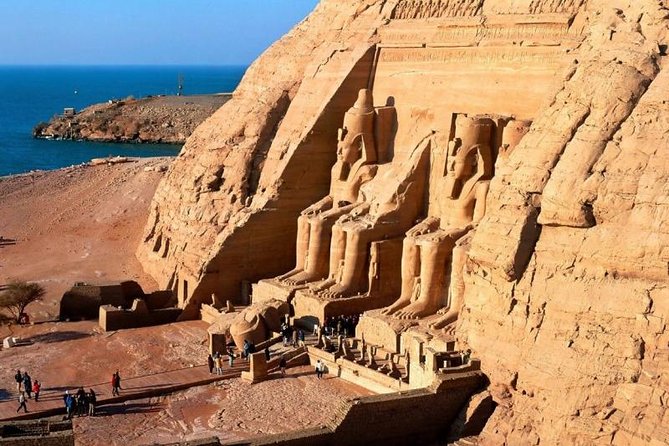
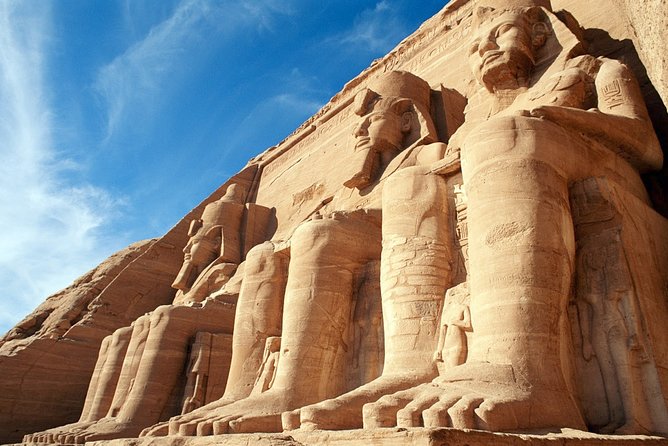
- Abu Simbel’s scale comes from seeing the two temples cut by Ramses II
- High Dam + unfinished obelisk quarry add modern and ancient layers to Aswan
Flying Cairo to Aswan: why speed matters
The best part of this tour design is how it respects your time. Aswan is far enough from Cairo that doing it efficiently can make or break a short trip. Here, you fly Cairo to Aswan and fly back to Cairo, so you’re spending hours sightseeing instead of stuck on roads.
That also changes the feel of the whole itinerary. You’re not arriving groggy and behind schedule, and you’re not trying to cram everything into one frantic day. Instead, you can enjoy Aswan at a human pace during the day tour, then rest at a five-star hotel before the early push to Abu Simbel the next day.
One small practical note: the day begins early. Pickup starts at 6:00 am, so I recommend planning to be ready the night before—coffee, water, and a clear idea of what you want to carry. If you prefer late starts, this may not be your favorite style of travel.
A few more Cairo tours and experiences worth a look



What the five-star Aswan hotel and B&B mean in real life
This includes accommodation in Aswan at a 5-star hotel with breakfast (B&B basis). For many people, that’s the quiet win. After a day of temple visits and Nile-side sites, you want a proper place to reset—especially when the next day starts again with early timing.
The tour also covers lunch twice, plus bottled water each day. That matters more than it sounds. Aswan can be great for wandering, but when your schedule is tight, it’s a relief to know food is already planned and you won’t lose time hunting down the “right” option.
The main trade-off is that you’re committing to the tour’s rhythm. You’ll have downtime in your hotel, but you’ll also want to be back on time so the private transfers keep everything smooth. If you’re the type who loves drifting off-script, you might feel a bit tethered.
Day 1 in Aswan: High Dam views and the Philae transfer story
Day 1 builds Aswan like a layered lesson—ancient, then modern, then back to ancient again.
Aswan first: Nubia, Ptolemaic shifts, and Greek-Roman influence
After pickup in Cairo and the flight to Aswan, an Egyptologist guide meets you and starts with city context. Aswan is tied to Nubia, and you’ll hear how Greek and Roman powers interacted with older Egyptian culture. The tour highlights how Greek-Roman builders didn’t just replace what was there—they blended their own architectural and religious ideas into Egyptian temple traditions.
That kind of explanation is what turns a quick photo stop into something you’ll actually remember later. It’s also a smart way to get your bearings before the temples and ruins.
Aswan Low Dam and the High Dam: modern power on the Nile
On the way to the core sights, you stop to view the Low Aswan Dam (built in 1898) and then the High Dam, one of the biggest dams in the world, built in 1960. You also get viewpoints connected to the reservoir often called Lake Nasser, plus the Friendship Monument and the power-plant area.
This isn’t just engineering sightseeing. It helps explain why the region looks the way it does today—and why major monuments had to be relocated when the dams changed water levels. Even if you’re not a “dam person,” this is one of those stops that makes the next temple story click.



Philae Temple on Agilkia Island: Isis, Greek-Roman chapels, and a rescue
Philae is the centerpiece for many people, and this tour has you doing it by boat to the island complex. You’ll visit the temple dedicated to Isis, plus a complex of Greek-Roman chapels and the Philae Temple itself.
The key detail: the complex was moved from its original location on Philae Island to Agilkia Island to save it when the dams were built. That relocation is part of the story here, not just a fun fact. When you understand it, you look at the stones with a different mindset—you’re seeing not only ancient worship, but also modern preservation under pressure.
What to watch for on-site: take a slower walk through the main temple spaces. If you rush, you’ll miss how the Greek-Roman additions blend with older Egyptian temple design. The guide’s explanations are useful here, especially if you want more than a basic rundown.
Unfinished Obelisk: seeing the cut marks and the process
The last major stop on Day 1 is the Unfinished Obelisk quarry. Seeing it “lying down” is the point. This place helps you understand how ancient Egyptians cut obelisks and prepared them for later installation in temples.
This stop is great if you like craftsmanship. It’s also a good counterbalance after Philae’s more polished sacred spaces. Instead of only admiring finished monuments, you see the workshop-like side of ancient building.
Day 2: Abu Simbel’s Ramses II temples, discovery dates, and best timing
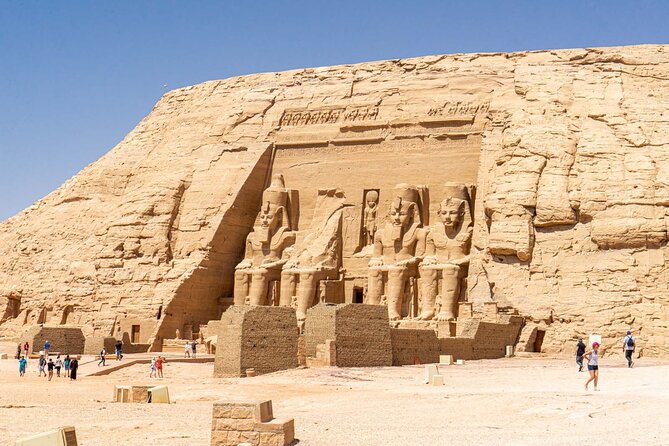
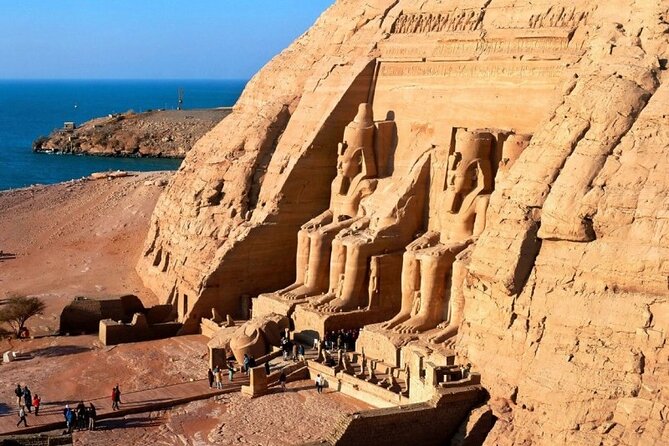
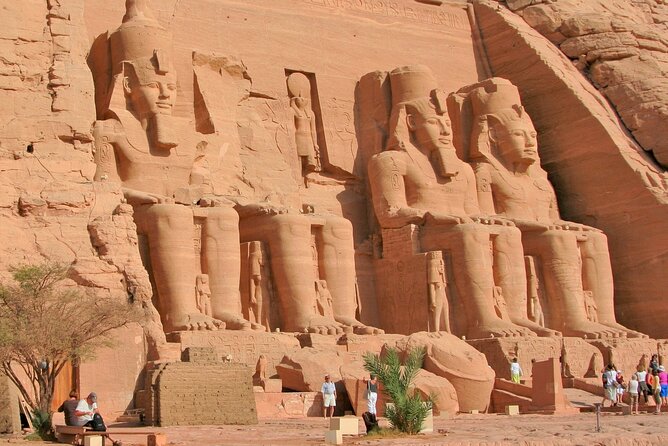
Day 2 is the big one: Abu Simbel Temple Complex. You’ll leave Aswan by road early enough for a private visit, then your guide leads you through the temples carved for Ramses II—and the smaller temple dedicated to Nefertari.
The tour’s core facts are powerful:
- Ramses II’s temple is a rock-cut temple with four gigantic seated statues.
- The temple layout includes colonnades, multiple caverns or chamber areas, and a main sanctuary.
- The first discovery of the temples is linked to Burchard in 1813, with the broader rediscovery and visibility noted in 1917 through Belzoni.
Those discovery dates matter because they remind you these monuments weren’t always “obvious.” Abu Simbel’s scale feels unreal partly because it was out of sight for so long, then reintroduced to the world.
Sunrise mentioned in real schedules
One highlight from the tour feedback you’re likely to hear about is timing—at least some departures aim to see Abu Simbel early, and one account specifically called out an Abu Simbel sunrise experience. If sunrise timing matters to you, ask the operator close to departure how early you’ll arrive and what you can expect for light.
The Cairo return: keeping the circle closed
After Abu Simbel, you return to the airport in Aswan for the flight back to Cairo, then transfer to your Cairo hotel. That round-trip flight plan is part of the value: you don’t have to build your own logistics for departure day.
If you like the comfort of having the route already solved, this is a strong setup. If you prefer free-form travel, you’ll still get some flexibility on the hotel side, but the temple blocks are fixed by the day’s plan.
How an Egyptologist guide changes what you see
The tour includes a private Egyptologist guide, which is a big difference-maker for places like Philae and Abu Simbel. With these temples, a guide can connect architecture, politics, and religion into a story you can actually follow.
Here’s what that support does in practice:
- It explains why Greek-Roman elements appear at older Egyptian sites at Philae.
- It clarifies why the temples were moved off Philae Island to Agilkia Island.
- It frames Ramses II’s propaganda through scale, seating statues, and temple layout.
- It gives you the “how” behind sites like the Unfinished Obelisk quarry.
Also, the guide language may fit your needs. One account specifically noted the guide can speak Polish, English, and German, which can be a major quality-of-life boost if you’re not confident in Arabic or French.
If you’re the kind of person who likes asking questions, this tour style lets you do that. Private guiding makes it easier to pause and ask why a certain element is arranged a certain way.
Price and value for two days, flights, and a five-star base
At $802.86 per person, this is not a budget add-on. But it bundles the expensive logistics that usually cost you time, energy, or extra money when you plan yourself.
What’s included that drives the value:
- Domestic airfare (Cairo to Aswan and back)
- 5-star Aswan hotel with breakfast
- Private transportation in an air-conditioned vehicle
- Private Egyptologist guide
- Sightseeing admissions as listed for key stops (High Dam, Philae, Unfinished Obelisk, Abu Simbel)
- Meals: breakfast plus two included lunches
- Bottled water each day per person
- All fees and taxes listed in the package
What’s not included:
- Tipping (so budget a bit for that)
- Personal expenses
- Anything not mentioned
If you were to price this on your own, the cost tends to rise quickly once you add domestic flights, a proper guide for Abu Simbel, entry fees, and door-to-door transfers. For a short trip, the math often works out because time is the scarce resource.
Practical timing, pace, and what to pack
You should expect a structured pace with early starts. Pickup begins at 6:00 am, and the itinerary spans two days, roughly. That’s ideal for people who want “see the highlights without the hassle,” not for people who want to sleep in and wander freely all day.
The tour notes say you should have moderate physical fitness. That’s a fair heads-up for temple walking, stairs or uneven ground, and the long stretches between sites.
What I’d pack based on the day type:
- Light layers for early morning and indoor temple shade
- Comfortable walking shoes for stone floors and quarry areas
- A small day bag with water access (you’ll have bottled water provided)
- Sun protection, because Abu Simbel is an outdoor rock-cut complex for long periods
Who this works for best (and who should be cautious)
This tour fits best if you:
- Have limited time and want the Cairo–Aswan flight solution
- Want a guided experience with context from an Egyptologist
- Prefer private touring and smoother logistics over independent planning
- Would rather spend money to buy time and comfort (five-star hotel, transfers, meals)
It may be less ideal if you:
- Hate early wake-ups, since the day starts at 6:00 am
- Want total independence and zero schedule structure
- Are extremely price-sensitive, since it’s packaged and includes many costs upfront
Should you book this Aswan and Abu Simbel by air tour?
I’d book it if you want the “big hits” of southern Egypt in a tight window and you value a guide who can explain what you’re seeing, not just where to stand for photos. The combination of flights, a five-star Aswan hotel, and private guiding makes the experience feel organized rather than rushed.
I’d think twice if your travel style is all about sleeping in, roaming on your own schedule, or skipping guided context. This is a plan with defined temple blocks and set transfers, and the early start is real.
If you do book, be ready for the early start, bring comfortable shoes, and ask your guide what you should pay attention to at Philae and inside the Abu Simbel temple spaces. That one move will make the monuments feel less like stops and more like stories.
FAQ
How long is the Aswan and Abu Simbel trip?
It runs for about 2 days.
What time does the tour start?
Pickup is scheduled for 6:00 am.
Are domestic flights included?
Yes. Domestic airline tickets (Cairo/Aswan/Cairo) are included.
Do I get a hotel in Aswan?
Yes. You stay in an Aswan 5-star hotel on a B&B (breakfast included) basis.
What meals are included?
Breakfast is included, and there are 2 included lunches during the tour.
Are temple admissions included?
Admissions are included for the listed sightseeing stops, including Aswan High Dam, Temple of Philae, Unfinished Obelisk, and Abu Simbel.
Is tipping included in the price?
No. Tipping is not included.
FAQ
Is there free cancellation?
Yes, you can cancel for a full refund if you cancel at least 24 hours before the experience start time.