REVIEW · CAIRO
2 Days 1 Night Travel Package To Aswan & Luxor From Cairo
Book on Viator →Operated by EMO TOURS EGYPT · Bookable on Viator
Two days in southern Egypt can feel like a sprint. This package is interesting because it strings together some of Egypt’s biggest names—Philae Island and Abu Simbel—with flights and transfers so you’re not stuck on long road legs from Cairo.
I love the way the tour is built around an Egyptologist-style guide and included commentary. It’s not just ticket-punching; you get the story behind what you’re looking at, from temple-building and royal monuments to the “why” behind where sites were moved and why tombs were carved in the first place.
One thing to consider: the day starts extremely early (meeting at 3:00 am), and the day-to-day pace can be intense—especially with meals not included. If you’re the type who needs a steady breakfast and lunch plan, you’ll want to manage that.
In This Review
- Key highlights you should care about
- Flights, transfers, and that early 3:00 am start
- Temple of Philae on Agilkia Island: the temple-move story
- Aswan High Dam: why this modern wall changes ancient life
- Abu Simbel: Ramesses II’s rock-cut drama at the edge of Lake Nasser
- Staying overnight in Aswan: the part you can control
- Day 2 start point: Valley of the Kings before the heat hits
- Hatshepsut at Deir el Bahari: where architecture does the talking
- Colossi of Memnon and Luxor Temple: quick hits that add up
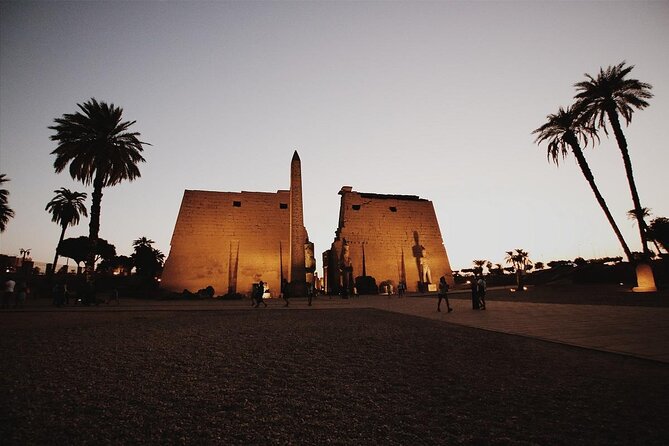
- Karnak Temple: the main worship complex you shouldn’t rush
- Price and logistics: is $500 worth it?
- Who this tour fits best
- Should you book this Aswan and Luxor 2-day package?
- FAQ
- What does the tour price include?
- What time does the tour start?
- Are meals included during the tour?
- Is accommodation included in the 1 night stay?
- Are inside-the-tomb visits included?
- What’s the cancellation policy for a full refund?
Key highlights you should care about
- Flights included: Cairo/Aswan and Luxor/Cairo round-trip, plus local transfers
- UNESCO-grade sights: Philae area, Abu Simbel, Karnak, Valley of the Kings, and more
- Egyptologist commentary: the guide work is a major part of the value
- Entrance fees included: you avoid the add-on surprises at each stop
- Private setup: it’s your group only, not a mixed-visitor free-for-all
- Flexible add-ons: optional Bed & Breakfast accommodation in Aswan, and optional extra tomb visits
Flights, transfers, and that early 3:00 am start
This is a short trip, so logistics matter. You’re picked up in Cairo, then sent to Cairo International Airport for a flight to Aswan, and later you fly back from Luxor to Cairo. That flight-based routing is the big reason the itinerary can fit so many headline monuments into just 2 days.
The meeting time is 3:00 am. That’s not a small detail in Egypt, where heat and crowds shape the experience. Going early helps you get more comfortable viewing conditions and more time inside sites before the day fills up.
You’re also not left to sort out transfers on your own. The package includes transfers in Cairo, Aswan, and Luxor, plus round-trip flights. And because it’s private, you won’t be waiting on a huge mixed group before moving from one stop to the next.
You can also read our reviews of more evening experiences in Cairo



Temple of Philae on Agilkia Island: the temple-move story
Your first major monument is the Temple of Philae area. You’ll visit it as part of the Philae complex on an island in the Aswan reservoir area, downstream from the Aswan Dam and Lake Nasser. What makes this stop more than a pretty ancient ruin is the engineering behind the site’s survival story.
Philae used to be near the First Cataract of the Nile, where flooding patterns changed over time. Then the Aswan Low Dam and later the Aswan High Dam shifted the water situation. The result? The temple complex faced the kind of threat that turns archaeology into emergency work.
During the UNESCO Nubia Campaign project, the temples were dismantled and moved to Agilkia Island. That’s a fascinating lens for you while you’re there. When you look closely at Philae, you can think about it as a monument that literally traveled—saved by coordinated effort before the 1970 completion of the High Dam.
In practical terms, the stop lasts about 3 hours and includes admission. Plan to slow down here. This is one of those sites where a good guide voice really changes what you notice—especially if they connect the temple art and inscriptions to the reason Philae mattered in the first place.
Aswan High Dam: why this modern wall changes ancient life
Next up is a visit to the Aswan High Dam. It’s not an ancient site, but it’s the perfect counterpart to Philae. The dam’s purpose is to control flooding and stabilize river conditions. It also provides about half of Egypt’s power supply and improves navigation by keeping water flow more consistent.
This is a stop that helps you understand why so much had to be relocated in the region. When you pair it with Philae’s UNESCO move, the dam stops feeling like an abstract headline and becomes part of the lived story of where people could travel and build.
The dam visit is about 30 minutes with admission included. It’s short on purpose. Think of it as a quick grounding point before you jump into one of the wildest architectural feats in Egypt.
Abu Simbel: Ramesses II’s rock-cut drama at the edge of Lake Nasser
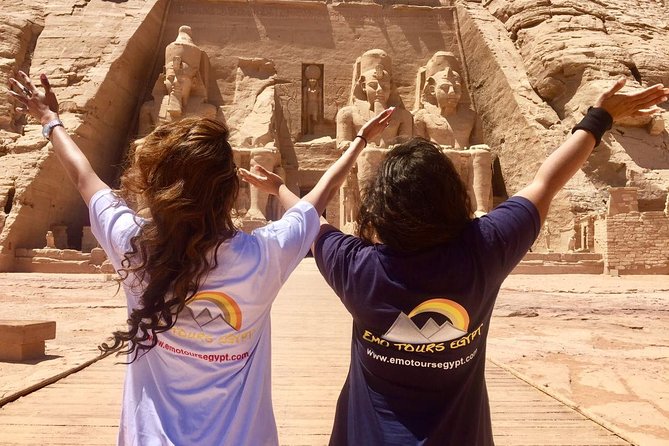
Then comes the big wow: Abu Simbel Temple Complex. These are two massive rock-cut temples carved into the mountainside in the 13th century BC during the reign of Ramesses II, dedicated to Ramesses and his wife Nefertari.
Abu Simbel is located near the border with Sudan on the western bank of Lake Nasser, about 230 km southwest of Aswan by road. That road distance matters for your day planning. Even if you’re not stuck staring at the clock, you should expect that getting there and back takes time.
A key reason Abu Simbel feels so iconic is the context: it’s part of the Nubian Monuments UNESCO World Heritage Site that runs along the region from Abu Simbel downriver toward Philae. In other words, you’re seeing a connected chain of monuments that were affected by the same broader water-and-dam story.
Your time on site is about 3 hours, admission included. Use that time actively: don’t just walk through. Look at the scale of the exterior figures and listen for your guide’s connections between the temple’s symbolism and Ramesses II’s political messaging, including the commemoration tied to the Battle of Kadesh.
Staying overnight in Aswan: the part you can control
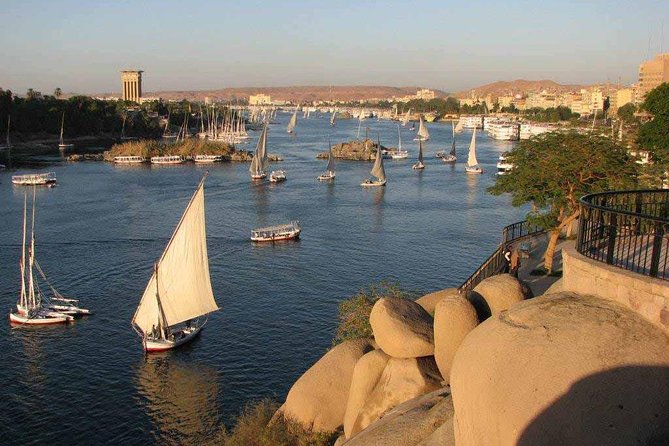
You’ll spend 1 night in Aswan. Accommodation is optional and offered on a Bed & Breakfast basis. That means you have a choice: book the included option, or arrange your own hotel.
This matters because the tour’s schedule is tight. If you’re booking your own hotel, you’ll want it to fit the pick-up timing the next morning. One downside in Egypt tour logistics is that small differences in hotel location can turn a smooth morning into a tense one.
If you choose the optional hotel through the package, make sure you’re clear on room setup. Some rooms may be double-based rather than separate twin arrangements, depending on availability and how your group is entered. If you need separate rooms, ask during booking and confirm afterward.
Also, remember meals during the tour days aren’t included as part of the package. That came up in feedback as a real frustration point. You’ll want a practical plan: either snack earlier, carry water, or buy something on the way where possible.
A few more Cairo tours and experiences worth a look




Day 2 start point: Valley of the Kings before the heat hits
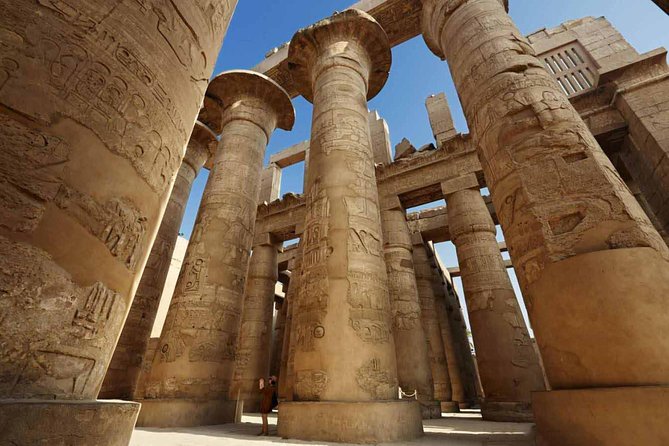
On day 2, you head to the Valley of the Kings, also called the Valley of the Gates of the Kings. This is on the west bank of the Nile, opposite Luxor, in the Theban Necropolis.
The valley was used for royal and powerful-noble rock-cut tombs for nearly 500 years in the New Kingdom period, roughly from the 16th to the 11th century BC. What I like about this site is that it tells you how the ancient Egyptians thought about power, afterlife beliefs, and memory—without needing a modern explanation script.
You’ll learn that the wadi includes East Valley and West Valley. The valley is known to contain 63 tombs and chambers, ranging from simpler pits to more complex tombs and entrances. That number is a mind-set changer: it’s not just one famous doorway, it’s a whole burial landscape.
Your visit is about 3 hours and admission is included. One important detail: optional visits like going inside the King Tutankhamun tomb are not included. If you want that experience, you’ll need to budget extra and coordinate with the tour for the timing.
Also note the viewing reality: some interiors can be crowded or timed. If you care most about the tomb-art experience, pick your moment wisely and don’t leave it until the end.
Hatshepsut at Deir el Bahari: where architecture does the talking
Next is the Temple of Hatshepsut at Deir el Bahari. This mortuary temple, also known by the Ancient Egyptian name Djeser-Djeseru, sits beneath cliffs at Deir el Bahari on the west bank near the Valley of the Kings.
Hatshepsut was an 18th Dynasty pharaoh, and the temple is dedicated to Amun and Hatshepsut. One reason this stop works so well on a short itinerary is that it feels visually different from the tomb valleys. You get terraces, large-scale stone work, and a sense of planned grandeur instead of rock-cut ceilings.
Your visit is about 2 hours and admission is included. There’s also an active scholarship angle here: restoration and study work has been credited to the Polish Academy of Sciences in Warsaw, and the temple has been under reconstruction in parts, including the top level as of the mid-1990s.
You don’t need to be a restoration expert to appreciate it. Just be ready to see that some areas may be worked on or partially completed. A guide can help you interpret what you’re seeing without getting lost in technical terms.
Colossi of Memnon and Luxor Temple: quick hits that add up
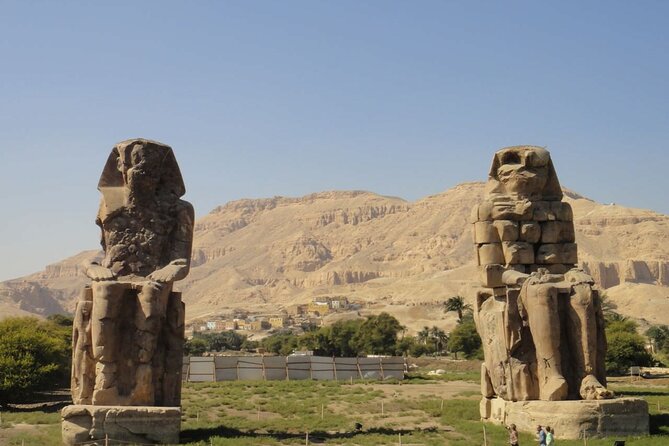
The Colossi of Memnon are a short stop—about 30 minutes. These are two massive stone statues of Amenhotep III who reigned in Dynasty XVIII. Since around 1350 BCE, these statues have stood in the Theban Necropolis west of the Nile near modern Luxor.
Even in a short visit, these statues help you connect the dots between different pharaohs and different monument types. It’s a “pause and zoom out” moment: tombs, temples, mortuary complexes, and royal propaganda all sit in the same broad story.
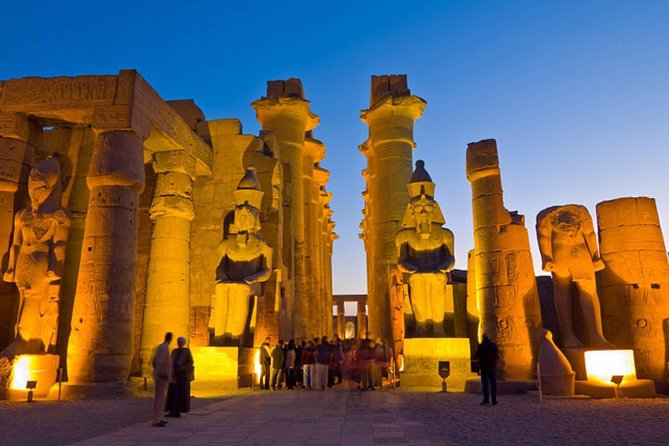
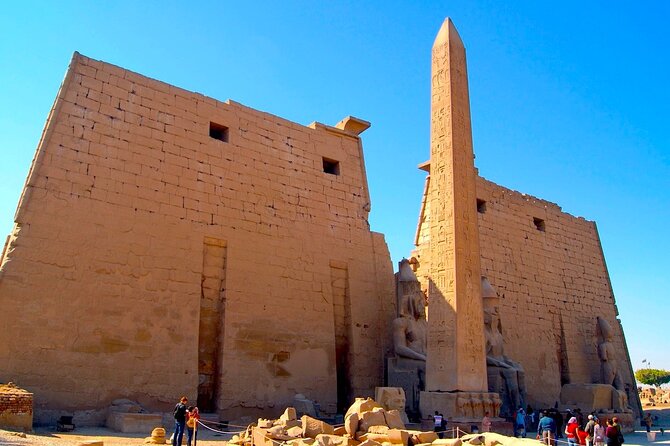
Then you move to Luxor Temple, located on the east bank of the Nile in today’s Luxor (ancient Thebes). The temple was constructed roughly around 1400 BCE and is called ipet resyt, the southern sanctuary.
Luxor Temple connects you to the living-behind-the-ruins feeling of Thebes. Unlike some Thebes temples tied to a specific cult god, Luxor Temple has its own identity in how it’s described and used. Your visit is about 2 hours with admission included.
The best way to enjoy Luxor Temple within a packed day is to focus on proportions and axes. Let your guide point out how the space is meant to lead your eye, even if you’re only there for a couple of hours.
Karnak Temple: the main worship complex you shouldn’t rush
Finally, you visit Karnak Temple Complex, commonly known as Karnak. This is one of those places where “temple” feels too small a word. It’s a massive mix of decayed temples, chapels, pylons, and buildings near Luxor.
Construction started during the reign of Senusret I in the Middle Kingdom, then continued into the Ptolemaic period. Most of what you’ll see is associated with the New Kingdom, when Thebes was at the center of power.
Karnak was the main place of worship of the Theban Triad with Amun at its head. Your guide should help you understand the meaning of Ipet-isut, described as The Most Selected of Places—because that concept shows up in how the complex was built and used.
You’ll have about 2 hours here with admission included. Don’t treat it like a checklist stop. Use your time to notice the scale changes, repeated motifs, and how different rulers left their stamp across different eras.
Also, because your itinerary ends with transfers back toward Luxor airport and then onward to Cairo, you’ll want to pace yourself. Karnak can pull you in fast; if you get stuck in one corner, you’ll feel rushed at the end.
Price and logistics: is $500 worth it?
At $500 per person for a 2 days / 1 night style package, the value mostly depends on what you’re trying to avoid. This price includes round-trip flights, transfers in multiple cities, and entrance fees. In a short, high-demand route like Cairo to Aswan and Luxor, those inclusions matter.
It’s also private. Private doesn’t always mean better everywhere, but in this case it usually means less waiting and fewer coordination problems between strangers. You get a guide, and that guide work seems to be a major factor in positive experiences, including strong praise for a guide named Samir.
What can make the price feel less fair is what’s not included. Tipping is not included. Lunch and dinner are not included. And optional visits—like going inside specific tombs—cost extra. If you care about adding an interior tomb visit, you’ll want to budget for that upfront instead of reacting at the last minute.
One more practical point: a very early start plus the Abu Simbel road travel can create a “long day” feeling even when flights are included elsewhere. If you hate slow-moving schedules, pick your priorities and plan snacks.
Who this tour fits best
This tour works best if you want a tight, monument-heavy introduction to southern Egypt. If you like structure—clear stops, included admissions, and a guide to interpret what you’re seeing—you’ll probably enjoy it.
It also suits you if you’re visiting for the first time and want the greatest-hits lineup without juggling separate tickets, museum hours, and transfer timing. The combination of Philae, Abu Simbel, Valley of the Kings, Hatshepsut, Luxor Temple, and Karnak is exactly the kind of short itinerary that makes a big first impression.
If you’re sensitive to fatigue—3:00 am meet-up, long days, and limited meal support—then go in with eyes open. You don’t need to skip this trip; you just need a realistic expectation of pace and a food plan.
Should you book this Aswan and Luxor 2-day package?
I’d book it if you want maximum iconic monuments in minimal time, and you trust a guide-led experience to help you get more meaning out of each site. The included flights, transfers, and entrance fees are the core value, and they’re hard to replicate neatly on your own without extra planning.
I’d hesitate if you’re expecting a relaxed schedule with meals handled for you, or if you need very specific hotel-room arrangements. Also, because the itinerary is fast and timing-sensitive, make sure your flight and pickup details are crystal clear before departure—especially when you’re flying back from Luxor.
FAQ
What does the tour price include?
The package includes a tour guide, a private tour setup, round-trip flights Cairo/Aswan and Luxor/Cairo, transfers in Cairo, Aswan, and Luxor, and entrance fees. Tips, lunch, and dinner are not included.
What time does the tour start?
The start time is 3:00 am.
Are meals included during the tour?
No. Lunch or dinner are not included.
Is accommodation included in the 1 night stay?
Accommodation is optional. The tour offers 1 night hotel stay on a Bed & Breakfast basis if you choose that option, or you can arrange your own.
Are inside-the-tomb visits included?
Optional visits are not included, such as inside the King Tutankhamun tomb at the Valley of the Kings.
What’s the cancellation policy for a full refund?
You can cancel up to 6 days in advance for a full refund. To get a full refund, you must cancel at least 6 full days before the experience’s start time.