REVIEW · CAIRO
2 days 1 night Luxor,Aswan & Abu simbel by flight from Cairo
Book on Viator →Operated by Egyptian Felucca ride On the Nile · Bookable on Viator
Upper Egypt in two days sounds wild, and it is. What makes this trip work is the flight schedule plus a private A/C car that keeps you moving between Aswan and Luxor without the hassle of long public connections. You’ll see major stops like Abu Simbel, Philae, the Valley of the Kings, Karnak, and Luxor Temple—tight, but not random.
What I really like is how much is included for the price: roundtrip flights, hotel pickup/drop-off, admission tickets, and lunch. One more win is the format—your group gets a professional guide and a dedicated driver, so you’re not playing “find your way” between monuments. The main drawback to consider is the pace: early mornings and long transit times can feel intense, and communication about exact pickup timing can be inconsistent on some days.
In This Review
- Key Things to Know Before You Go
- Why This Upper Egypt Sprint Feels Worth It
- Price and Logistics: What Your $500 Is Really Covering
- Day 1: The Early Start to Philae, Abu Simbel, and Aswan’s Main Sights
- Philae Temple: A Classic First Stop
- Abu Simbel: Ramses II and Queen Nefertari, Together
- Aswan High Dam and the Unfinished Obelisk: Modern Egypt Meets Ancient Egypt
- Overnight in Aswan: Basama Aswan Hotel
- Day 2: Valley of the Kings, Hatshepsut, Colossi, Karnak, and Luxor Temple
- Valley of the Kings: Tombs and the Flow of Power
- Deir el-Bahari and Hatshepsut’s Temple: The View Is the Lesson
- Colossi of Memnon: Two Statues That Feel Like Gatekeepers
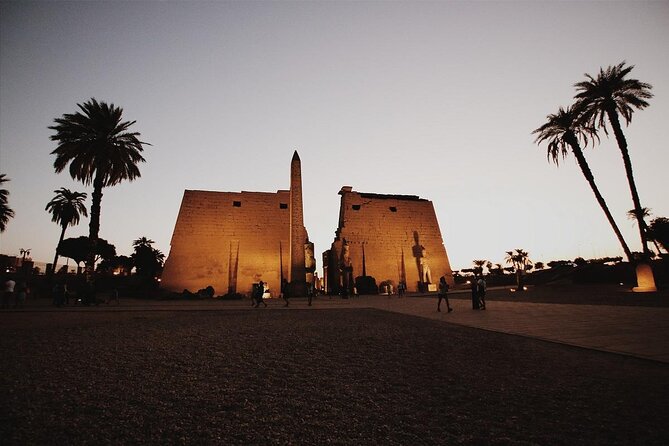
- Karnak Temple: The Scale Shock (In a Good Way)
- Luxor Temple: Courtyards, Granite, and Ramses II
- Fly Back to Cairo and Transfer to Your Hotel
- Guides, Communication, and Timing: What Can Make or Break It
- Practical Tips So You Don’t Burn Out Before Abu Simbel
- Hotel Reality: Basama Aswan Hotel and the One-Night Reset
- Should You Book This Tour: Yes, If You Want Maximum Temples, Not Slow Travel
- FAQ
- How long is this tour?
- Are hotel pickup and drop-off included?
- Are flights included?
- Where do I stay overnight?
- What temples and sites are included?
- Is lunch included?
- Are entry fees included?
- What is not included in the tour price?
- What’s the cancellation refund timing?
- How far in advance is this tour typically booked?
Key Things to Know Before You Go
- Flights included, so the itinerary stays efficient between Cairo, Aswan, and back again.
- Abu Simbel plus Nefertari’s temple are both on the plan, not just a quick stop.
- Private car with A/C means real breaks from the heat and less stress than bus-style touring.
- A full Luxor day stacks West Bank and East Bank highlights: Kings Valley, Hatshepsut, Colossi, Karnak, and Luxor Temple.
- Guide names vary by day, but people often praised guides like Ahmed, Samir, Maria, Daria, and Ghada Khalsa.
- Plan for early wake-ups and bring stamina, not just a camera.
Why This Upper Egypt Sprint Feels Worth It
If you’re short on time, this is the kind of plan that makes sense. You’re basically compressing three of Upper Egypt’s biggest “I can’t miss this” areas into 2 days and 1 night, using flights to avoid wasting hours. Instead of spending half your trip in transit, you spend it where the monuments are.
The value comes from how the pieces fit together. You get hotel pickup in Cairo or Giza City, an airport transfer, then a flight to Aswan. From there, a private driver handles the long day routes between temples. On Day 2, you travel to Luxor by car for the West Bank and East Bank circuit, then you head to the airport and fly back to Cairo. When everything runs on schedule, it’s a practical way to see a lot without the “where do we meet?” chaos.
There’s also a smart reality check: you won’t have the luxury of wandering slowly for hours at each site. But you will get guided context—what you’re looking at, who built it, and why it matters—so the time you do spend inside feels purposeful.
So this tour suits you if you’re the type who thinks, I’ll trade a slower pace for a bigger hit of sights. It’s less ideal if you need a relaxed day with lots of free time.
You can also read our reviews of more evening experiences in Cairo



Price and Logistics: What Your $500 Is Really Covering
At $500 per person, the headline is the included flights from Cairo and back. That matters because domestic flights in Egypt aren’t “free” once you add them up on your own. Here, they’re folded into a package that also includes a private driver/vehicle, hotel pickup and drop-off, admission tickets, and lunch.
That’s a big part of why this can feel like good value compared with piecing everything together. You’re not just buying a guide; you’re buying a managed schedule: transfers to airports, moving between sites, and the daily routing.
A couple items you should budget separately:
- Egypt visa isn’t included.
- Tipping isn’t included.
And the fine print that still affects your experience: the tour is private in the sense that it’s just your group, but it’s still a very full itinerary. You’ll be up early, you’ll spend time in vehicles, and you’ll be on someone’s clock. If you like a tight plan, you’ll probably love that structure. If you hate rushing, plan for it—or consider a slower option.
One more logistics note: several people reported that pickup timing and communication can change. That doesn’t mean it will happen to you, but it’s a good reason to keep your phone available and confirm the day’s timing once you’re in contact with the operator.
Day 1: The Early Start to Philae, Abu Simbel, and Aswan’s Main Sights
Your day begins seriously early. The pickup is listed for around 4:00 am in Cairo or Giza City, with a guide meeting you in the lobby holding your name. From there, you transfer to the Cairo airport, fly to Aswan, and then meet your Aswan guide at the airport.
That early start is the trade-off for seeing Abu Simbel in a short schedule. It’s also why the trip feels efficient: you’re not trying to squeeze Abu Simbel into the daylight hours you don’t have.
Philae Temple: A Classic First Stop
On arrival, you’re set up for Philae Temple (admission included on the plan). Philae sits in a zone that’s often discussed for its survival story and the way temples were treated during modern water-related challenges. Practically, it’s a great opening temple because it helps you orient fast: you’re not yet exhausted, and your guide can frame the art and symbols before your energy drops.
Abu Simbel: Ramses II and Queen Nefertari, Together
Then comes the big one: Abu Simbel Temple Complex. You’re visiting both temples:
- The main temple of Ramses II, dedicated to multiple gods and Ramses himself.
- The temple of Queen Nefertari, often linked with Hathor.
The most unique detail you should know before you arrive is the famous sun alignment phenomenon. The schedule you were given notes that the sun goes inside the temple twice a year on October 22 and February 22. If your dates don’t land on those days, don’t expect the full spectacle. Still, the scale and layout are striking, and your guide can explain what the alignment means symbolically.
A practical benefit of doing Abu Simbel inside a guided program is timing. You’re less likely to miss the key perspectives because someone tells you where to stand and what to look for.
A few more Cairo tours and experiences worth a look



Aswan High Dam and the Unfinished Obelisk: Modern Egypt Meets Ancient Egypt
After Abu Simbel, you head back toward Aswan by car. The plan includes a stop around Aswan High Dam, plus the Unfinished Obelisk and mention of Philae Temple as part of the Aswan highlights on the day.
This portion is useful because it gives you a contrast: you’re seeing the engineering that changed the region, right after you’ve seen monuments that had to be protected. Admission is listed as free for the High Dam segment on the plan.
Overnight in Aswan: Basama Aswan Hotel
You end Day 1 at Basama Aswan Hotel (listed as a 4-star option). Since this is a short itinerary, your hotel time isn’t about a long pool afternoon—it’s about getting rest after a big day. The best approach is to keep your expectations simple: shower, sleep, recharge.
Day 2: Valley of the Kings, Hatshepsut, Colossi, Karnak, and Luxor Temple
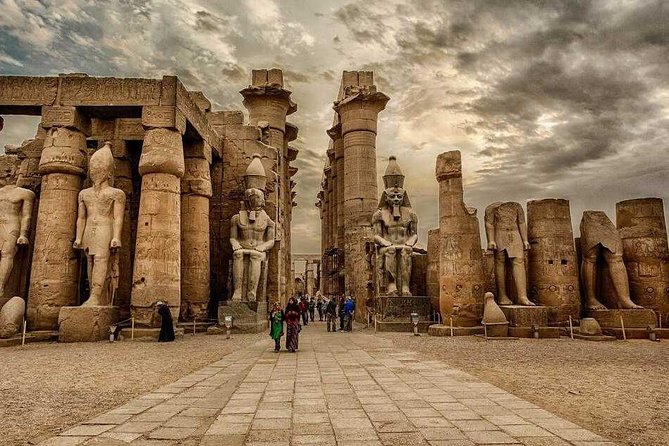
Day 2 is a full hit on the West Bank and East Bank. You’re picked up from your Aswan hotel and transferred to Luxor by car to start the West Bank circuit.
Valley of the Kings: Tombs and the Flow of Power
The West Bank portion starts with the Valley of the Kings and includes key nearby stops:
- Valley of the Kings
- Temple of Hatshepsut (Deir el-Bahari)
- Colossi of Memnon on the return
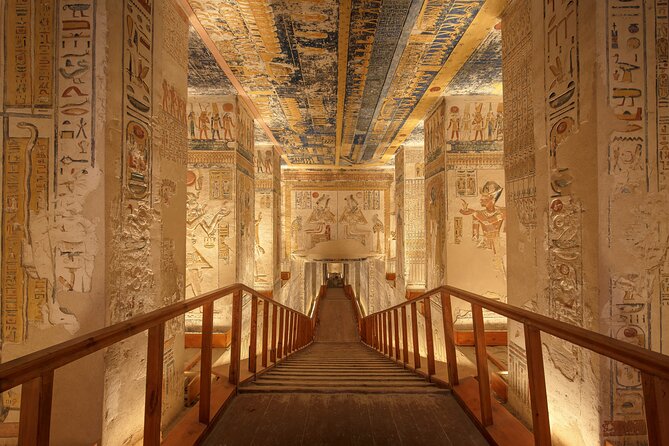
The Valley of the Kings is one of those places where good guidance matters. With limited time, you want to understand how tombs relate to the pharaohs, the period, and the artwork choices. This is where a guide’s narration can turn a quick look into a real “now I get it” moment.
Admission is listed as free for this segment on the plan, but your guide still sets up what you should focus on first.
Deir el-Bahari and Hatshepsut’s Temple: The View Is the Lesson
Next is Deir el-Bahari, home to the temple complex built by Queen Hatshepsut. The plan notes she ruled about 20 years during Egypt’s 18th Dynasty, approximately 1490–1469 B.C, and that she’s the pharaonic woman who reigned.
Even if you only spend a couple hours, this stop is worth it because the temple’s position and design shape how you perceive it. Your guide’s job here is to connect the walls and terraces to the story of Hatshepsut’s rule—why she built the way she did, and how the site fits into the broader West Bank plan.
Colossi of Memnon: Two Statues That Feel Like Gatekeepers
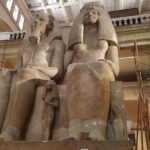
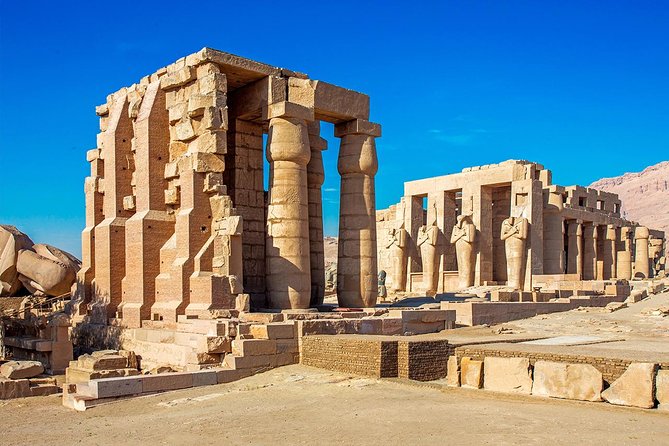
Then you visit the Colossi of Memnon—the two gigantic seated statues representing Amenophis III, facing the Nile. The plan lists the stop as about 30 minutes.
This part is short by design. It’s a good palate cleanser after walking through tomb spaces and temple terraces.
Karnak Temple: The Scale Shock (In a Good Way)
After West Bank stops, you move to the East Bank for Karnak and Luxor Temple.
Karnak is where the itinerary turns into “wow, that’s enormous.” The plan specifically highlights:
- Avenue of Sphinxes
- Unfinished Propylon
- The Hypostyle Hall with 134 gigantic columns
- Obelisks of Queen Hatshepsut and Tutomosis III
- The temple of Amon, decorated with lotus and papyrus designs
- The Sacred Lake
- A Granite Scarabeus of Amenophis III
If you’re the type who thinks best with a map in your head, ask your guide for the quick mental model before you walk. Once it clicks, Karnak feels easier to read—even though it’s massive.
Your time here is about 1 hour in the plan. That’s tight, so prioritize the areas your guide points out first.
Luxor Temple: Courtyards, Granite, and Ramses II
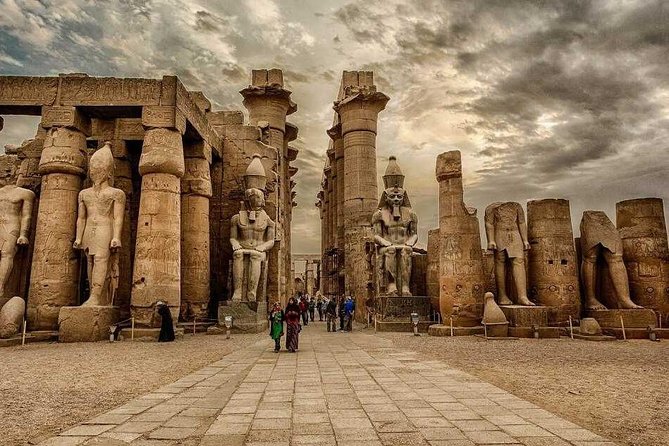
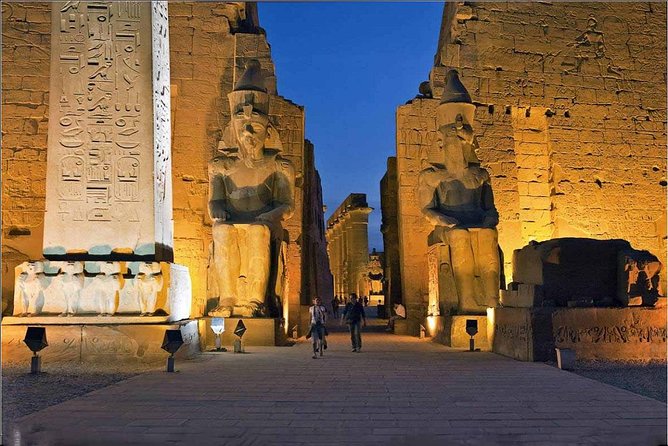
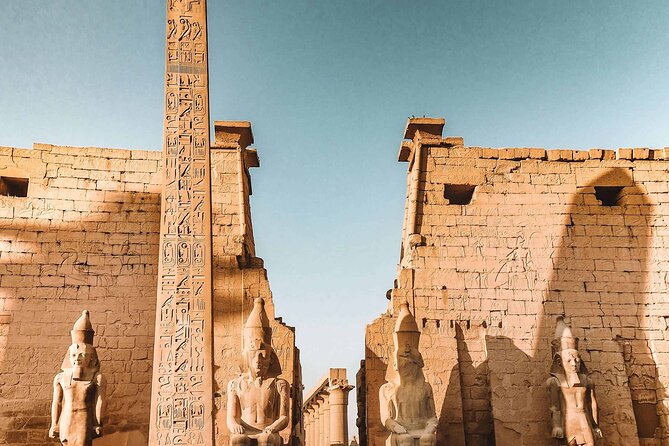
The day ends with Luxor Temple, built by Amunhotep III and completed by Ramses II. The plan notes you’ll see the courtyard and granite statues of Ramses.
This is a good final stop because it’s less sprawling than Karnak, and it closes the loop on the story of New Kingdom power in a more concentrated space.
Fly Back to Cairo and Transfer to Your Hotel
After Luxor Temple, you transfer to Luxor Airport to catch your domestic flight to Cairo. Once you arrive, you’ll be met and assisted and then transferred to your Cairo hotel.
Guides, Communication, and Timing: What Can Make or Break It
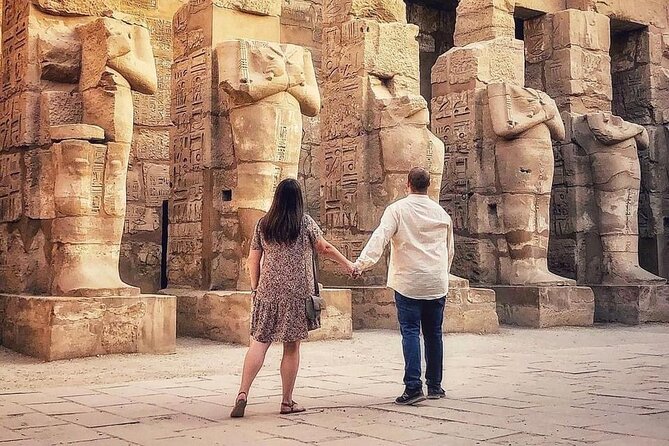
The biggest quality variable on a tour like this is the guide’s delivery and how well the day runs. The tour includes guides and private vehicles, and many people praised their guides’ explanations—especially named guides such as Ahmed and Samir for Luxor and Aswan days, plus Maria, Mustafa, Mohamed, Daria, Hamees, Dod, Ghada Khalsa, and Shereen/Mohamad in other accounts.
Here’s what good guidance usually looks like on a plan like this:
- You get a quick overview before entering a monument so you don’t wander blind.
- You’re shown the main angles and then left with time to look and photograph.
- Explanations repeat key points in simple language, which helps when you’re moving fast.
That said, some people reported operational hiccups, especially around pickup timing changes and coordination via communication channels like WhatsApp. Flights can also be a stress point if your schedule shifts.
So my practical advice: keep your expectations realistic. If the tour guide and driver are strong, the monuments do the heavy lifting. If coordination is messy, you’ll feel it because you’re running on tight transitions. This tour rewards flexibility.
Practical Tips So You Don’t Burn Out Before Abu Simbel
This itinerary is early, long, and hot. You’ll feel it more than you expect, even if the monuments are amazing.
A few practical moves that help:
- Start with sleep, not caffeine. You’re up around 4:00 am on Day 1.
- Wear shoes that handle lots of walking and uneven ground. You’ll be in and out of temple areas.
- Bring sun protection. You’ll be outside before and after indoor stops.
- Hydrate constantly. Bottled water is included, but you’ll still want to sip often.
- Keep documents ready for airport transfers and entry.
- Manage expectations for “free time.” Your time is mainly for scheduled sites, guided.
If you’re picky about language, note that the plan doesn’t promise a specific language. One account mentioned requesting Spanish-speaking help and not getting it for the whole day, so if language is essential, confirm early.
Hotel Reality: Basama Aswan Hotel and the One-Night Reset
You’re staying overnight in Aswan at Basama Aswan Hotel. In a tour like this, the hotel isn’t the main event—sleep is. Still, it matters that the hotel is comfortable enough to reset you for Day 2, especially since you’ll be back on the move the next morning.
One important consideration: short itineraries sometimes lead to “best available” adjustments when schedules change. Some people reported a mismatch between the hotel they expected and the one they received, or a lower-rated hotel for a short rest in another context. That doesn’t mean it will happen to you, but it’s smart to confirm what exact property you’re set for once your booking is confirmed.
Should You Book This Tour: Yes, If You Want Maximum Temples, Not Slow Travel
Book this tour if you:
- Have limited time in Egypt and want Aswan + Luxor’s biggest monuments.
- Like organized days with private transfers and less decision-making.
- Want flights included so you don’t lose half your trip to travel days.
- Appreciate guided context fast—what to look for, who built it, and why it matters.
Skip it (or at least consider a different format) if you:
- Hate early starts and long days.
- Want long, unstructured time inside museums and tombs.
- Need consistent, worry-free communication around exact pickup times and flight schedules.
- Prefer a slower Nile experience where days aren’t packed back-to-back.
If your goal is a high-tempo “best of Upper Egypt” snapshot, this package is built for that job.
FAQ
How long is this tour?
It runs for 2 days (with an overnight in Aswan), with the schedule described as approximately 2 days.
Are hotel pickup and drop-off included?
Yes. Pickup is offered from your hotel in Cairo or Giza City, and you also get drop-off/transfer support on the return side.
Are flights included?
Yes. Roundtrip domestic flight tickets are included, with flights between Cairo and Aswan, and later Luxor and Cairo.
Where do I stay overnight?
You spend the night in Basama Aswan Hotel in Aswan (listed as a 4-star hotel).
What temples and sites are included?
The plan includes Philae Temple, Abu Simbel (Ramses II and Queen Nefertari), Aswan High Dam, Unfinished Obelisk, Valley of the Kings, Temple of Hatshepsut (Deir el-Bahari), Colossi of Memnon, Karnak Temple, and Luxor Temple.
Is lunch included?
Yes. Lunch is included as part of the tour.
Are entry fees included?
Yes. Entry fees/admission tickets are included in the package (and some segments are listed as free on the itinerary).
What is not included in the tour price?
Tipping and your Egypt visa are not included.
What’s the cancellation refund timing?
You can cancel up to 6 days in advance for a full refund. 2–6 days before start time gives a 50% refund, and less than 2 days before start time has no refund.
How far in advance is this tour typically booked?
On average, it’s booked about 54 days in advance.