REVIEW · CAIRO
2 – Day Private Tour at Cairo and Giza
Book on Viator →Operated by Visitors Egypt Tours · Bookable on Viator
Two days, and Cairo feels suddenly manageable. I love the private pacing—your group sets the rhythm while you bounce between the biggest hits—and I also like the hotel pickup and drop-off, which saves you the usual Cairo planning headache. In a tight two days, you still cover Giza, Saqqara, Memphis, the Egyptian Museum, and Old Cairo without feeling lost.
The second thing I like is the guide support. People in the operator’s orbit name guides like Ahmed and Salah for being patient in traffic and clear with explanations, and Mido for history-style storytelling and even photography help—exactly what you want when pyramids are loud and the details are easy to miss. One consideration: the Museum stop can add a little cost and stress, since the Mummies Hall is listed as extra ticket purchasable on site, and tipping is not included.
In This Review
- Key Points You’ll Actually Care About
- Price and Logistics: Is $120 Good Value?
- Day 1 at Giza: Pyramids, Valley Temple, and the Sphinx
- Saqqara’s Step Pyramid of Djoser: The “Oldest Major Stone Structure” Moment
- Memphis: Where Kings Ruled for Centuries
- Day 2 at the Egyptian Museum: Tutankhamun and the Golden Mask
- Cairo Citadel and the Alabaster Mosque of Mohamed Ali
- Coptic Cairo: Hanging Church, Abu Sirga Church, and a Synagogue
- The Real Secret Sauce: Guides Who Keep the Day Moving
- Lunch and Breaks: Included Meals, Not an Afterthought
- Who This Tour Fits Best
- Should You Book This Private Cairo and Giza Tour?
- FAQ
- How much does the 2-Day Private Tour cost?
- Is hotel pickup and drop-off included?
- What are the main sights covered during the two days?
- Are admission tickets included?
- Is lunch included?
- Is this tour private?
Key Points You’ll Actually Care About
- Private for your group: You’re not sharing the day with a busload of strangers.
- Air-conditioned transfers: Big help in Cairo’s heat, especially on Day 1 outside.
- Tickets and admission included: You pay once up front for most major entry fees.
- Egyptian Museum highlights: The Tutankhamun collection (including the golden mask) is part of the core visit.
- Old Cairo mix: Citadel + Mohamed Ali Mosque, then Coptic Cairo churches and a synagogue in one second day.
Price and Logistics: Is $120 Good Value?
At $120 per person for a private 2-day run, this sits in the “good value if you hate hassle” category. The key is what’s bundled: a guide, hotel pickup and drop-off, an air-conditioned vehicle, admission tickets for each listed stop, and lunch twice. For a place like Cairo, that combination usually costs extra when you try to DIY it.
What you should budget for is simple: personal expenses and tipping. Also, the Egyptian Museum includes the main collection, while the Mummies Hall is described as extra ticket purchasable on site, so plan a little buffer if that’s a must-see for you.
The tour also uses a mobile ticket and gives confirmation at booking, which matters when you’re juggling multiple tickets in a new country. No one wants to hunt for paperwork at a museum entrance.
You can also read our reviews of more private tours in Cairo


Day 1 at Giza: Pyramids, Valley Temple, and the Sphinx
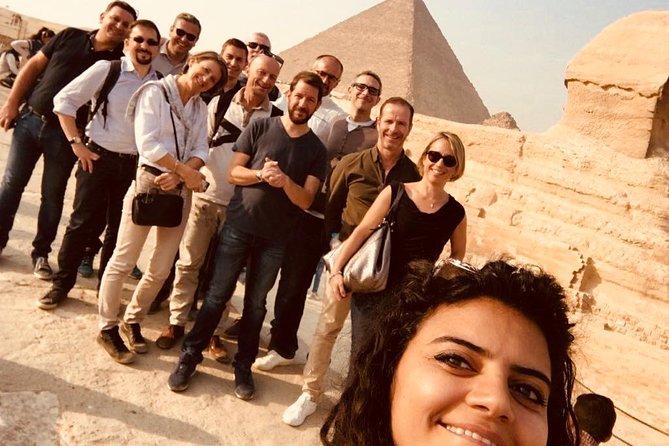
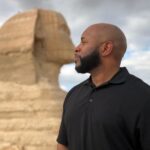
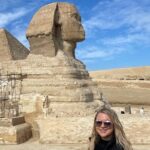
Day 1 starts with the Giza plateau, and that’s where your brain starts doing double takes. You’ll see the Great Pyramids of Giza—Cheops, Chephren, and Mycerinus—from the panoramic area, then shift over toward the Valley Temple and the Great Sphinx. You’re given time for photos, which is important because the best pyramid angles are the kind you only get when you’re not rushing.
The value of a guide here isn’t that they can point out pyramid names—you could read a sign. The bigger payoff is context and pacing: you’ll understand what you’re looking at and why these structures are grouped the way they are. It’s also less stressful than wandering alone while cars and crowds swirl around you.
One practical note: even when you’re moving in a vehicle between sites, Giza still means sun, heat, and walking. Comfortable shoes matter. If you’re sensitive to crowds or glare, go in expecting it and you’ll enjoy it more.
Saqqara’s Step Pyramid of Djoser: The “Oldest Major Stone Structure” Moment
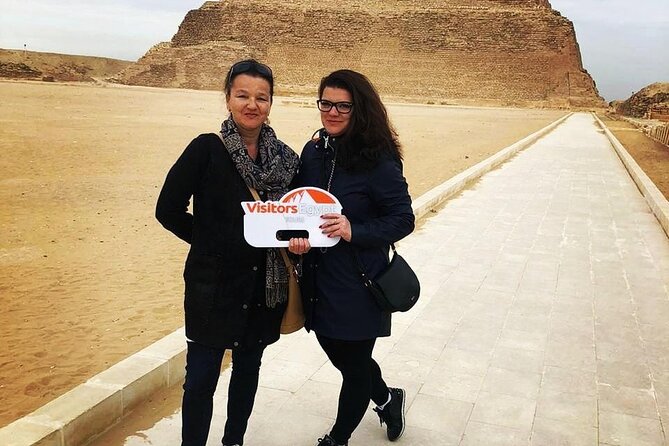
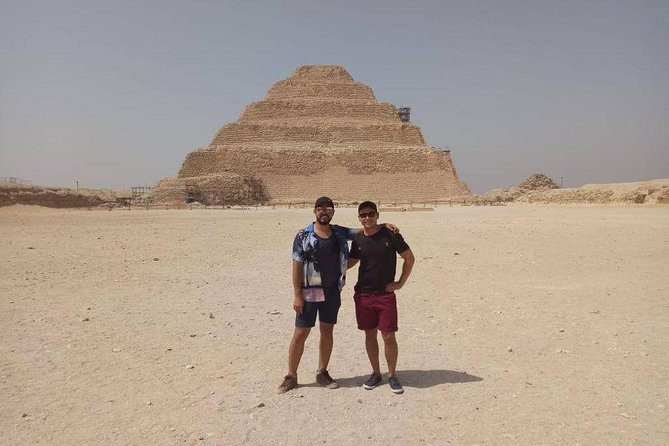
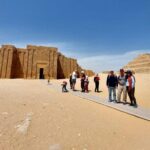
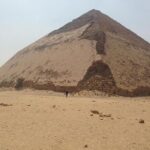
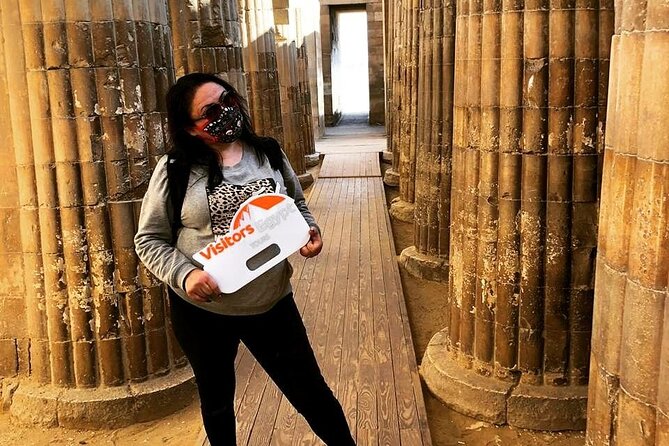
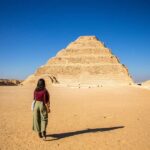
After Giza, the tour heads to Saqqara for the Step Pyramid of King Djoser (Zoser). This is the kind of stop that quietly changes how you see ancient Egypt. Instead of the later smooth-sided forms most people picture, the Step Pyramid shows you an earlier stage of monumental stone building—so you get a sense of how the ideas evolved.
You’ll have about two hours here, which is a fair amount of time to look around without feeling like you’re just waiting for the next bus. The guide time is especially useful on this stop, because the Step Pyramid feels simple at first glance, then becomes much more interesting when you understand its role in the 3rd Dynasty and why it’s considered such a landmark in the evolution of Egyptian architecture.
If you like “watch the story unfold” travel, Saqqara is one of the best places in Egypt for that. If you only care about the biggest, most famous photos, you might find yourself needing a moment to adjust—but the guide should help you connect the dots.
Memphis: Where Kings Ruled for Centuries
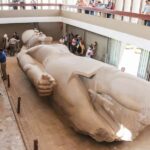
From Saqqara, you continue to Memphis, founded by King Menes and described as Egypt’s capital during the Old Kingdom. This area can feel like a “between stops” site, but it’s actually a strong historical bridge. You’ll spend about two hours, including time to see the Statue of Ramses II and the Alabaster Sphinx of Memphis.
Memphis is also one of those places where having someone explain the significance makes the ruins and monuments land better. You’re not just looking at stones—you’re seeing a political and cultural center that lasted for thousands of years. Even if you’re not a history nerd, the guide framing turns it from random artifacts into a real sense of place.
Real talk: Memphis is less famous than Giza, so it can feel calmer. That’s a plus. It gives your day a break from the intense pyramid spotlight, and you’ll likely appreciate it more because you’ve already warmed up at Giza and Saqqara.
Day 2 at the Egyptian Museum: Tutankhamun and the Golden Mask
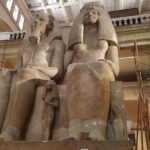
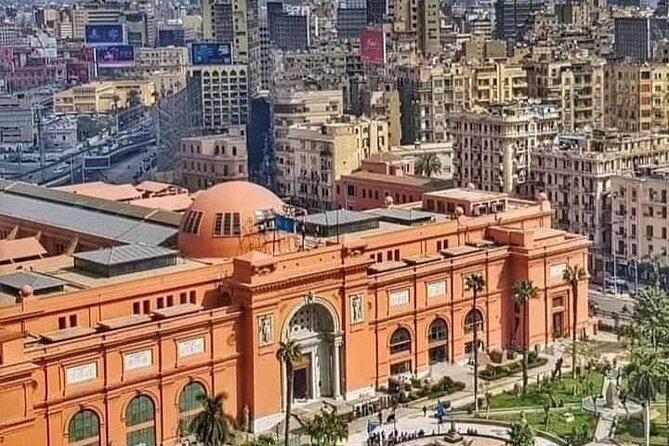
Day 2 begins back in the city with the Egyptian Museum of Antiquities. This is one of the best “bring order to the chaos” moves in Cairo, because it gathers so many iconic objects under one roof.
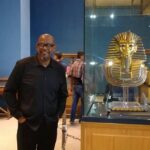
You’re set up for a focused three-hour visit that includes the King Tutankhamen collection. The highlight is the famous golden mask of the boy king. Even if you’ve seen images online, seeing it in person hits different—especially when you’re standing where the artifact becomes a whole historical chapter instead of a picture.
There’s also the Mummies Hall, but it’s described as available with an extra ticket purchasable on site. If mummies are a top priority, treat that as part of your planning. If they’re not, you can still get plenty from the Tut collection and the main galleries without overstuffing your day.
As a practical tip, museum time can feel tiring if you’re not strategic. Build in a calm pace: look first for what matches your interests, then let the guide’s explanation guide you to the next thing.


Cairo Citadel and the Alabaster Mosque of Mohamed Ali
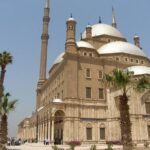
After the museum, the tour heads to the Cairo Citadel of Salah El-Din. This stop blends defense history with serious architecture. You’ll have about two hours, and you can also visit the Alabaster Mosque of Mohamed Ali.
This is a great counterbalance to the museum and pyramids. Instead of ancient tombs and stone tomb-like monuments, you get a living, visible slice of Cairo’s later eras. The citadel area also tends to give you a better sense of the city’s geography, which makes the rest of Old Cairo feel less like a maze.
If you’re photographing, this is usually where you get that mix of scale and skyline you can’t easily get elsewhere. Dress appropriately for a mosque visit—shoulders and legs covered is the safest approach in these religious spaces.
Coptic Cairo: Hanging Church, Abu Sirga Church, and a Synagogue

The last major block is Coptic Cairo, where you visit the Hanging Church (Church of the Virgin Mary), Abu Sirga Church, and a synagogue. This is the kind of stop that adds texture to Cairo’s identity. You’re moving through religious sites that represent different faith communities, all within a compact area.
You’ll have about two hours, then you’re escorted back to your hotel after the tour. That return to the hotel matters more than it sounds. Ending with less decision-making helps when Cairo traffic and walking fatigue can start stacking up.
One more practical note: churches and synagogues are usually calmer than outdoor sites, but they’re still religious spaces. Keep your voice low, move carefully, and follow any guidance from your guide on what’s allowed.
The Real Secret Sauce: Guides Who Keep the Day Moving
A private tour is only as good as the person holding it together. In this case, the feedback patterns are clear: guides like Ahmed and Salah get praised for being professional, kind, and good at keeping things organized—even when traffic hits. Mido is repeatedly mentioned for explaining Egyptian history in a way that stays readable, plus for being helpful with photos.
There’s also the kid-friendly angle. One guest specifically called out a guide who was patient with children at the pyramids. That’s not a small detail. At Giza, patience is the difference between a great family memory and a stressed-out afternoon.
If you’re the sort of traveler who likes to ask questions, a strong guide here also helps you avoid the common Cairo trap: seeing a thing without understanding why it matters.
Lunch and Breaks: Included Meals, Not an Afterthought
Lunch is included on both days, and that’s a major quality-of-life win. Cairo can be intense, so it’s helpful when someone else schedules your meal time and you don’t have to hunt for food mid-day.
One review mentioned enjoying oriental food at lunch, described as very delicious. While that doesn’t guarantee the exact menu every day, it does suggest the lunch stop isn’t just a checkbox.
If you have dietary needs, you should ask ahead of time. The tour data doesn’t list dietary handling, so plan to communicate clearly before you go.
Who This Tour Fits Best
This tour is a good match if you:
- Want the big Cairo highlights in two days without coordinating multiple drivers
- Prefer private time with a guide rather than group logistics
- Like learning as you go, not after you get back home
- Want museum time and Old Cairo religious sites, not only pyramids
It may be less ideal if you:
- Hate walking in sun and prefer slower, longer stays at fewer sites
- Want a very DIY, independent experience with no structured stops
- Need strict museum planning around the Mummies Hall and want it fully included with no extra on-site ticket
Should You Book This Private Cairo and Giza Tour?
If your priority is seeing Giza, Saqqara, Memphis, the Egyptian Museum, and Coptic Cairo with a guide who keeps things organized, I’d say yes—especially at this price point with admissions and lunch included. The structure is tight, but that’s also the point: you get real coverage without the chaos.
Book it if you want hassle-free hotel pickup, air-conditioned rides between sites, and expert guidance at the stops where context matters. Before you go, just plan for extra-on-site costs at the Mummies Hall if you care about it, and pack for heat and modesty at religious sites.
FAQ
How much does the 2-Day Private Tour cost?
The tour price is $120.00 per person.
Is hotel pickup and drop-off included?
Yes. The tour includes pickup and drop-off service from your hotel.
What are the main sights covered during the two days?
You’ll visit the Pyramids of Giza and the Sphinx, Saqqara (the Step Pyramid of Djoser), Memphis, the Egyptian Museum (including the Tutankhamen collection), the Cairo Citadel with the Alabaster Mosque of Mohamed Ali, and Coptic Cairo sites including the Hanging Church, Abu Sirga Church, and a synagogue.
Are admission tickets included?
Admission tickets are included for the listed stops. The Mummies Hall at the Egyptian Museum is described as extra ticket purchasable on site.
Is lunch included?
Yes. Lunch is included for both days.
Is this tour private?
Yes. It is private, meaning only your group participates.