REVIEW · CAIRO
2-Day guided Tour to Pyramids and Saqqara and Old Cairo
Book on Viator →Operated by Narmer Tours · Bookable on Viator
Cairo can feel overwhelming fast, so this 2-day route is a smart shortcut through the big hitters. I like that it’s built around two must-see ancient sites in the same day: the Great Pyramids area and Saqqara’s Step Pyramid. I also like the human touch from guides such as Mohamed Elfar and Meriam, who keep the storytelling clear and help with practical stuff like photo stops.
The main thing to weigh is logistics: you’ll be moving early and spending long hours on the ground, and not every major ticket is included. For example, Citadel and Muhammad Ali Mosque tickets are listed as 300 Egyptian pounds and aren’t included, so budget a little extra on top of the $145 depending on your selected options.
In This Review
- Quick takes you’ll feel on day one
- Two Days That Cover Giza, Saqqara, and Old Cairo
- Pickup and the Smooth Start You Want in Cairo
- Giza Plateau: Great Pyramid, Chephren’s Valley Temple, and the Sphinx
- Saqqara Step Pyramid and the Old Royal Tombs
- Grand Egyptian Museum (GEM): A Modern Frame for Ancient Places
- Day Two at the Citadel: Views, Muhammad Ali Mosque, and a Key Timeline
- Khan Al-Khalili and Al-Mu’izz Street: Bazaar Energy with World Heritage Context
- Coptic Cairo Churches: Hanging Church and Saints Bacchus Sergius
- Food, Water, and Staying Comfortable in the Heat
- Price and Value: What $145 Covers (and Where Extra May Show Up)
- The Guide Matters: Meriam, Mohamed Elfar, and Helpful Photo Timing
- Who This Tour Is For (and Who Might Prefer Something Else)
- Should You Book This 2-Day Cairo Highlights Tour?
- FAQ
- How long is the tour?
- Is hotel pickup and drop-off included?
- Is this tour private?
- Are entrance fees included?
- What meals and drinks are included?
- What sites are covered over the two days?
Quick takes you’ll feel on day one
- Private, guided pacing across Giza, Saqqara, and multiple Cairo districts, so you’re not just standing in lines
- Egyptologist-led explanations that connect what you see at the pyramids, Saqqara tomb art, and Old Cairo churches
- Grand Egyptian Museum (GEM) included, with time to see exhibits and even the pyramids from the museum setting
- Comfort included with an air-conditioned vehicle, lunch, and bottled water (drinks are extra)
- Photo-ready guide energy, including help with shots and timing, especially noted by guides like Mohamed Elfar
Two Days That Cover Giza, Saqqara, and Old Cairo
This tour works because it doesn’t treat Cairo like three random day trips. You get one day focused on Ancient Egypt (Giza plus Saqqara) and another day that moves into Islamic and Christian Cairo (Citadel, Khan Al-Khalili, and Coptic Cairo). That division helps your brain sort dates, styles, and “why it mattered.”
The other value is how the tour is packaged: pickup and drop-off, an air-conditioned car, an Egyptologist guide, and lunch. It’s not just site-hopping. It’s meant to reduce friction so you spend your energy looking, not coordinating.
One more practical note: the experience requires good weather. Egypt is predictable about heat and unpredictability about conditions, so if skies or visibility are poor, you may need to adjust plans with the provider.
You can also read our reviews of more guided tours in Cairo


Pickup and the Smooth Start You Want in Cairo
The day begins with your guide waiting for you at your hotel for an early transfer. That matters in Cairo because distances add up, traffic can be real, and it’s easy to lose an hour just figuring out transport.
You’re traveling with a driver and an Egyptologist guide for the full two days. That setup helps in two ways. First, you’re not stuck repeating yourself at each stop. Second, your guide can build a narrative from place to place, instead of handing you facts like a checklist.
The tour also uses a mobile ticket, which is a small thing that becomes big when you’re moving quickly. You’ll also have bottled water, which is one of the easiest “comfort wins” you can get in a long day outdoors.
Giza Plateau: Great Pyramid, Chephren’s Valley Temple, and the Sphinx
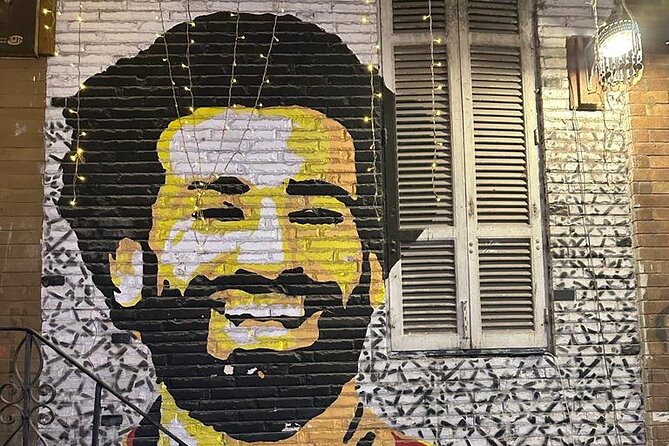
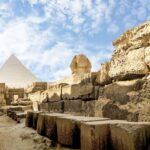
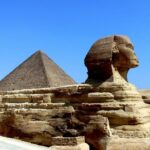
The tour kicks off at the Giza Plateau with time built in for the big triangle of sights: Great Pyramid, Sphinx, and additional pyramid stops (including Chephren and Mykerinos). You don’t just walk past. You get guided context about ancient pharaohs and what the site represents.
What I like about a guided Giza stop like this is the way it changes your focus. Without guidance, you tend to stare upward and move on. With guidance, you start noticing patterns: temple locations, the layout of the plateau area, and how the Valley Temple connects to the mummification practices tied to Chephren.
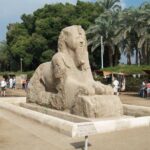
You also get time at the Valley Temple, described as the place where priests mummified the dead body of King Chephren. And you’ll get a close-up look at the Sphinx. For many people, that’s the “real wow” moment because the Sphinx is both massive and oddly intimate once you’re close.
A practical consideration: Giza days can feel long even when the time block looks reasonable. If you’re sensitive to heat or crowds, wear sun protection and be ready for lots of walking on uneven ground.
Saqqara Step Pyramid and the Old Royal Tombs
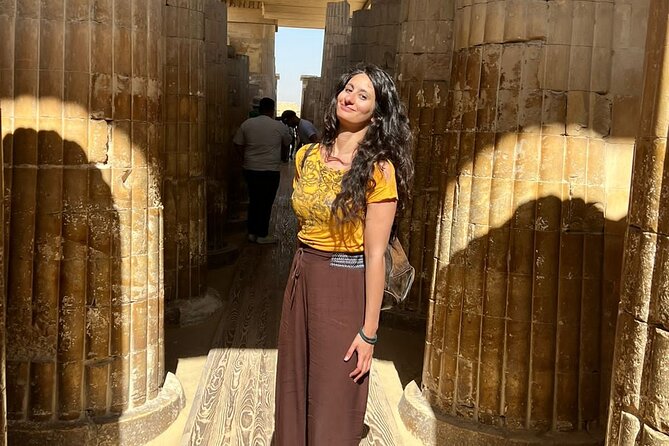
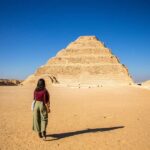
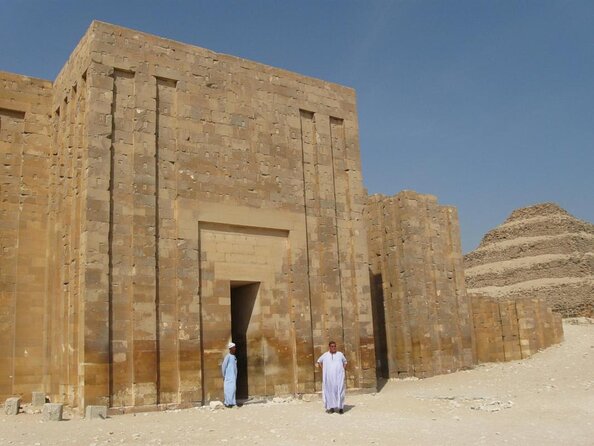
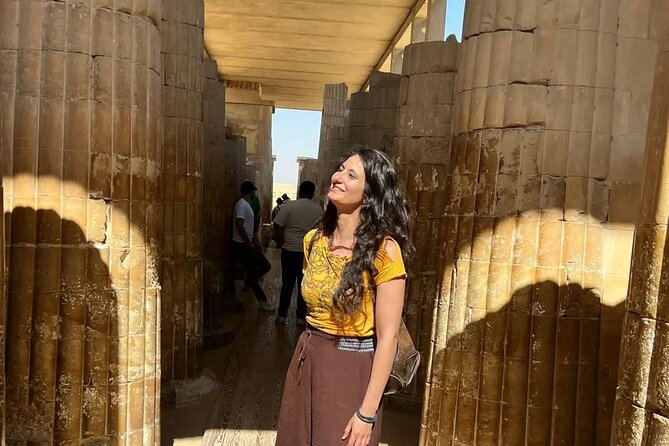
Day one shifts from the headline pyramids into the origin story. Saqqara is where you see early experiments in monumental stone building, centered around the Step Pyramid.
Your stop includes the oldest royal tombs and colorful wall art linked to offerings and sacrificial scenes. The description includes paintings of sacrifices such as cows, goats, and wine. Even if you can’t read everything, these scenes give you something more human than “big stone = ancient.”
The key anchor is King Zoser (Djoser) of Egypt’s 3rd Dynasty. The Step Pyramid is described as the earliest colossal stone building and the first pyramid in Egypt. Your guide should connect that to Imhotep, mentioned as the architect. When you understand that Saqqara is an early prototype phase, the pyramids start feeling like a progression instead of separate monuments.
Ticket costs are listed for Saqqara at 360 Egyptian pounds by credit. So if you choose the option where tickets are included, you might be covered; otherwise, plan to pay for this entrance separately.
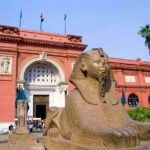
Grand Egyptian Museum (GEM): A Modern Frame for Ancient Places
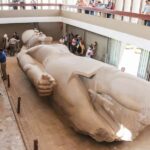
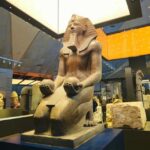
Giza is the myth engine. GEM gives you a modern lens. The museum is described as presenting a collection of about 50,000 artifacts, plus areas such as an exhibition hall for statues of King Ramses II and a sacred lake setting. The tour sets aside about two hours here.
Why this stop is worth your time: it helps you understand the objects you’ve been seeing “from far away” on the pyramids days. Even though pyramids dominate the photo economy, museums explain what people actually did with these civilizations’ materials, art, and beliefs.
There’s also a practical win: the museum site lets you see the pyramids of Giza in combination with the exhibits. That means your day loops back visually, which makes the whole trip feel more cohesive.
If you like museums, this is a strong added layer. If you’re museum-fatigued, you can still treat it as a “high-impact highlights” stop since the tour doesn’t try to make you do everything.
A few more Cairo tours and experiences worth a look





Day Two at the Citadel: Views, Muhammad Ali Mosque, and a Key Timeline
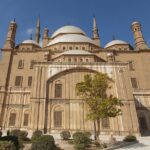
The second day starts with the castle of Salah al-Din (Saladin), built in 1171 AD on the highest Mokattam mountain to protect Cairo from Crusader armies. Then Muhammad Ali Pasha took over and built the alabaster mosque with Turkish design elements.
The Muhammad Ali Mosque is a major visual moment. The tour description also mentions an oldest watch presented as a gift from the King of France to Egypt. That kind of detail is why guided stops work: it gives you a reason to look beyond the main façade.
Timing-wise, you get about one hour for the Citadel and mosque. Tickets are listed as 300 Egyptian pounds and not included. So even if your main tour price feels complete, treat this as an add-on you may pay directly.
The best part here isn’t only architecture. The Citadel also offers Cairo views, which can help you orient yourself. After two days, you’ll know where the city “sits” around these monuments.
Khan Al-Khalili and Al-Mu’izz Street: Bazaar Energy with World Heritage Context
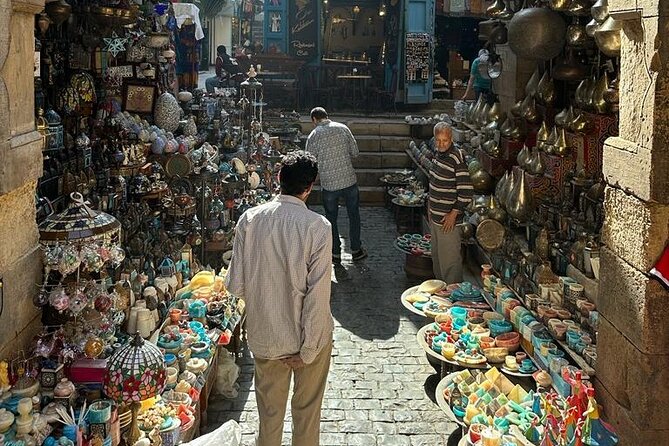
Khan Al-Khalili is more than a shopping street. The tour frames it through Al-Mu’izz Street, dating back to the era of Fatimid caliph al-Mu’izz. It’s described as the largest open-air Islamic archaeology museum in the world and listed as a World Heritage Site in 1979.
Your walking route runs between Bab al-Fotouh in the north and Bab Zuweila in the south. That specific north-to-south framing helps you think of Old Cairo as a structured city, not just a maze.
Because this segment is listed as admission free, you can focus on what you want: street scenes, crafts, and the flow of people. It also works as a breather between heavier religious sites.
A practical note: bazaars can be physically busy. If you’re not a fan of crowds or bargaining, you can still enjoy it by sticking close to your guide and keeping your time tight.
Coptic Cairo Churches: Hanging Church and Saints Bacchus Sergius
Coptic Cairo brings the story into the Christian era layered on top of earlier cities. You’ll see key sites including the Hanging Church, explained as being built on two ancient towers of the Roman fortress called Babylonian Fort. That Roman fortress dates to the reign of Emperor Trajan in the 2nd century AD.
The description includes a neat detail: the church is built at a height of 13 meters from the surface of the earth, which matches the name and the feeling of being suspended.
Next, you visit the Church of the Saints Bacchus Sergius (with the tour also referencing the Holy Family protection role of these brothers in Egypt) and the Church Saint Barbara.
This part tends to be meaningful for people who want more than major landmarks. It’s quieter, more layered, and the architecture tells a story of adaptation across centuries.
The segment is listed as admission free, and you’ll end with a transfer back to your hotel.
Food, Water, and Staying Comfortable in the Heat
One of the most valuable inclusions is lunch and two bottles of water over the two days. Cairo is a place where your energy matters. When you don’t have to negotiate meals or keep refilling bottles, you can focus on the sites.
Drinks are listed as not included. That’s normal, but it’s worth planning for—especially if you like cold drinks, juice, or coffee during breaks.
Because you’re outdoors for multiple major stops, dress for sun and heat. Light layers, good shoes, and sun protection make a bigger difference than people expect.
Price and Value: What $145 Covers (and Where Extra May Show Up)
At $145 per person for a roughly two-day private guided program, the value comes from the combination: guide, air-conditioned vehicle, pickup/drop-off, lunch, and bottled water, plus selected entry fees depending on your option.
You’re not just paying for “a ticket.” You’re paying for transportation between sites that would be a pain to coordinate, plus an Egyptologist guide who helps you make sense of what you’re seeing. That’s especially important for Saqqara and Coptic Cairo, where the meaning isn’t always obvious from the first look.
The one area to watch: some specific tickets are listed as not included. The Citadel and Muhammad Ali Mosque tickets are 300 Egyptian pounds not included. Also, Saqqara has a listed ticket cost (360 Egyptian pounds by credit). If you choose a version where entry fees aren’t covered, you’ll want to budget for these payments.
So is it a bargain? It can be, if you value guidance and convenience. If you prefer totally independent travel and you’re already comfortable managing transport and entrances, you might be able to DIY it for less. But most people come to Cairo needing less stress, not more.
The Guide Matters: Meriam, Mohamed Elfar, and Helpful Photo Timing
The most praised part of this experience is the human factor. Names like Meriam and Mohamed Elfar show up repeatedly in feedback, and the themes are consistent: the guides are friendly, professional, and very knowledgeable with clear explanations.
There’s also a practical perk: guides in this group help with photo timing. One highlight mentioned Mohamed Elfar taking nice shots and being flexible with the day’s plan. That kind of flexibility matters when you’re dealing with crowds, light, and how long you actually want to linger at a particular view.
A driver name also appears: Amir Yousef. That’s a sign the transportation side is coordinated and dependable, which makes the whole tour feel calmer from start to finish.
Bottom line: if you want to learn more than the standard pyramid facts, pick this kind of guided setup. It turns the trip into something you can talk about later.
Who This Tour Is For (and Who Might Prefer Something Else)
This tour is a strong fit if you want a guided, high-clarity introduction to Cairo’s core highlights in two days. It’s especially good for first-time visitors who don’t want to piece together Giza, Saqqara, and Old Cairo on their own.
It’s also a good match for people who enjoy stories and context. The itinerary includes Islamic sites, Coptic churches, and major antiquities, so you’ll get a broad sense of how Cairo became layered over time.
If you hate early mornings or you get tired quickly with lots of walking outdoors, you might want to compare this to a slower pacing alternative. Also, since the experience needs good weather, you’ll want to keep a little flexibility in your travel dates.
Should You Book This 2-Day Cairo Highlights Tour?
I’d book it if you want a practical plan with an Egyptologist guide, pickup/drop-off, comfort in an air-conditioned car, and a route that covers real variety: pyramids, the early pyramid breakthrough at Saqqara, a major museum stop at GEM, then Old Cairo’s Citadel, Khan Al-Khalili, and Coptic Cairo churches.
I’d hesitate only if you’re very price-sensitive and you plan to DIY everything, or if you know you’re going to struggle with outdoor walking and long days. In that case, you might prefer fewer stops and more rest.
If your goal is to see Cairo’s biggest historical “chapters” fast and with less stress, this one is a solid, well-structured choice.
FAQ
How long is the tour?
It’s approximately 2 days, with about 3 hours at Giza on day one, time at Saqqara, plus a museum visit, then Citadel, Khan Al-Khalili, and Coptic Cairo on day two.
Is hotel pickup and drop-off included?
Yes. The tour includes pickup and drop-off from your hotel, plus transportation in an air-conditioned vehicle.
Is this tour private?
Yes. It’s described as private, meaning only your group participates.
Are entrance fees included?
Entry fees are included only if you select the option that includes them. The tour also lists specific tickets that may be paid separately, such as 300 Egyptian pounds for the Citadel and Muhammad Ali Mosque and 360 Egyptian pounds by credit for Saqqara.
What meals and drinks are included?
Lunch is included, and the tour includes (2) bottles of water. Drinks are listed as not included.
What sites are covered over the two days?
You’ll visit the Pyramids of Giza and the Sphinx, Saqqara (including the Step Pyramid area and royal tombs), the Grand Egyptian Museum, the Salah al-Din Citadel and Mosque of Muhammad Ali, Khan Al-Khalili/Al-Mu’izz Street, and Coptic Cairo including the Hanging Church and other churches.