REVIEW · CAIRO
10 Day Ultimate Egypt Tour & Nile Cruise From Luxor to Aswan & Abu Simbel Inc
Book on Viator →Operated by Look at Egypt Tours · Bookable on Viator
Cruise time means you can’t cram. It’s history with room to breathe. This 10-day Egypt plan strings together Cairo icons, Luxor and Aswan temple stops, and a 4-night Nile cruise in a smooth, guided flow.
What I really like is that the trip keeps its promises on the basics: an expert Egyptologist guide travels with you, and you get entrance fees plus meals folded in rather than added later. Second, the mix of stops is smart: you get the big-name sites, plus quieter layers like Saqqara and the Luxor Museum that make the bigger monuments easier to understand.
One thing to think about: the cruise part sounds strong, but there’s a real-world warning sign in the feedback about land-hotel cleanliness on some nights. So I’d go in with eyes open and check what you’re actually getting for the Cairo and Luxor hotel nights.
In This Review
- Key Highlights to Expect on This Egypt Journey
- Arrival Day in Cairo: Private Transfers and a Low-Stress Start
- Giza and Saqqara: Two Big Worlds, One Efficient Route
- A smart tip before you go
- Cairo’s Museum + Old Cairo Circuit: Art, Faith, and Street-Level History
- Flying to Luxor: Why a Short Hop Saves Your Energy
- Karnak and Luxor Temple: The Temple World at Eye Level
- Valley of the Kings + Hatshepsut’s Temple: Where Power, Politics, and Time Collide
- Temple of Horus and Kom Ombo: Two Stops That Expand Your Egyptian View
- Abu Simbel: One Long Day Trip That’s Built Into the Price
- Your Nile Cruise Comfort, Meals, and the Value of “Full Board”
- Price and Logistics: Is This $2,905 Deal Worth It?
- Who This Tour Fits Best (and Who Might Want to Compare Options)
- Should You Book This Luxor-to-Aswan Egypt Plan?
- FAQ
- How long is the tour?
- What cities are covered?
- Is there a Nile cruise, and how many nights?
- Does the tour include an expert guide?
- Are meals and entrance fees included?
- Do I need to buy tickets for major sights?
- Is Abu Simbel included?
- Is pickup or transfer included?
- Is this a private tour?
- What if I need to cancel?
Key Highlights to Expect on This Egypt Journey
- Egyptologist guidance throughout, so you spend less time guessing and more time seeing
- 4 nights full-board Nile cruise from Luxor toward Aswan, with major waterfront downtime built in
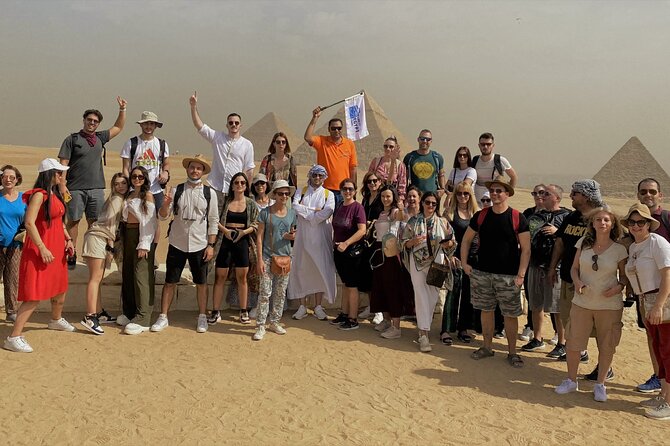
- Cairo power day: Giza pyramids and Sphinx, then Saqqara and Memphis
- Luxor West Bank classics: Valley of the Kings plus Hatshepsut’s temple and the Colossi of Memnon
- Kom Ombo and Temple of Horus stops that explain Egyptian religion beyond the headline pharaohs
- Abu Simbel long day that’s included and timed for the trip’s big finale
Arrival Day in Cairo: Private Transfers and a Low-Stress Start
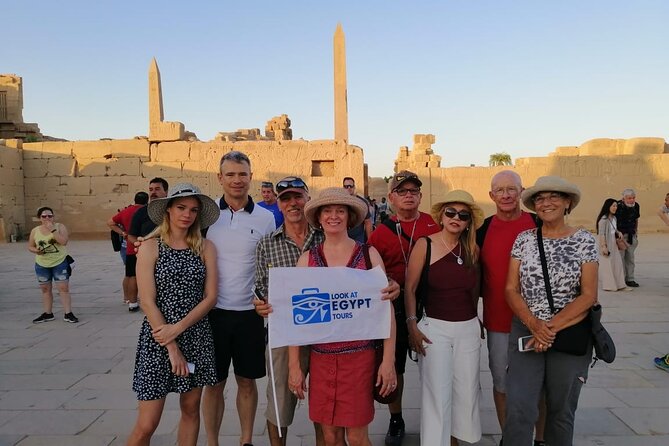
On day one, you arrive in Cairo and get assistance through formalities. Then you’re transferred to your hotel for the night. This sounds simple, but in Egypt it matters: getting oriented fast means you can spend your first hours thinking about monuments, not paperwork.
The good part is the tone of the whole trip: it leans practical. Your schedule includes round-trip transfers, and the tour runs as a private group only setup. That usually means you’re not stuck merging with random tour flows all day long.
You can also read our reviews of more boat tours in Cairo



Giza and Saqqara: Two Big Worlds, One Efficient Route
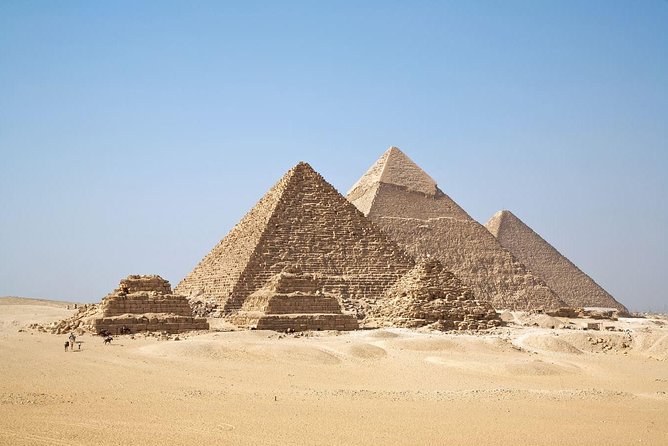
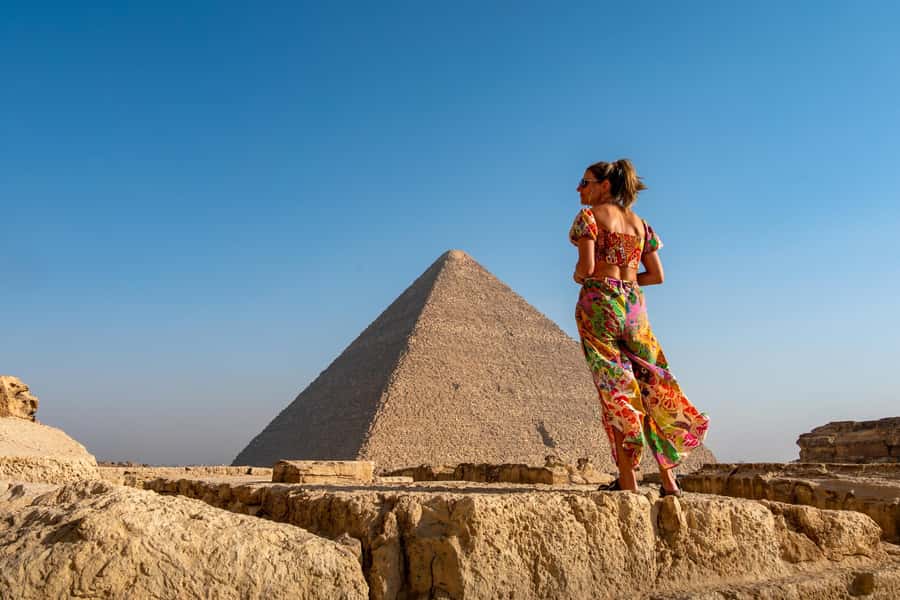
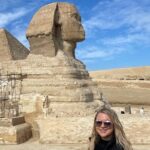
If Egypt has a postcard, it’s Giza. You’ll visit the Pyramids of Giza and the Sphinx, with admission included. Allow time for the classic photo moment in front of the plateau’s most iconic backdrop, but also give yourself a few quiet minutes to just look at scale. Standing near these structures changes how you understand the word ancient.
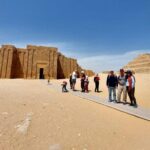
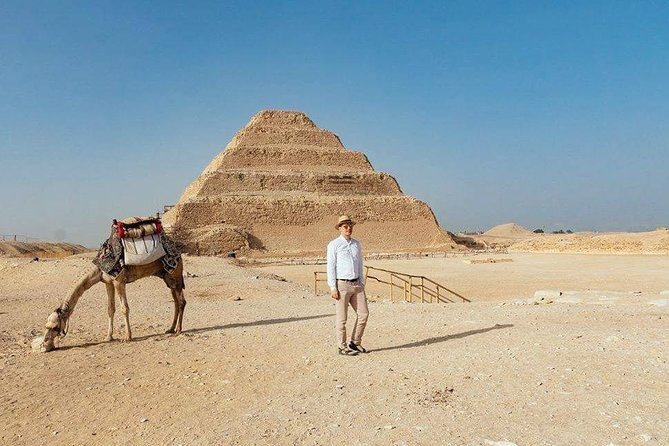
From there, the tour pivots to Saqqara with the Step Pyramid of Djoser. What I like about adding Saqqara is that it shows how Egyptian architecture evolved. The Step Pyramid isn’t just another famous tomb; it’s early major stone work, tied to the idea of growing from earlier mud-brick forms.
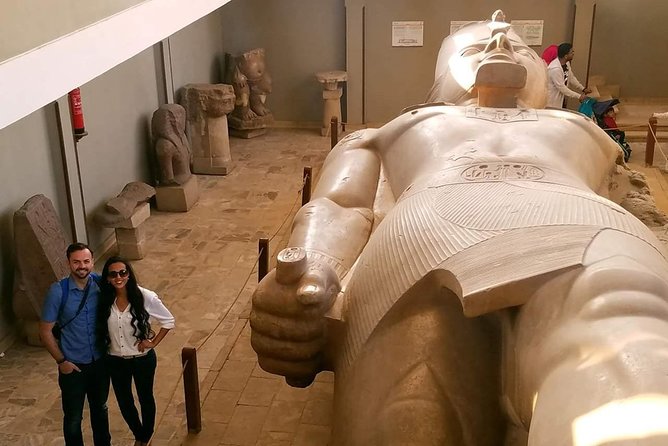
Then you continue to Memphis and Sakkara—including the area near Mit Rahina and the presence of major monuments like the large statue of Ramses II and the alabaster sphinx of Queen Hatshepsut. Even if you only skim the basics, this stop connects the dots between Lower Egypt’s ancient power center and the tomb-and-temple world you’ll see later in Luxor.
A smart tip before you go
Bring sunglasses and plan for sun and dust. These sites are open and exposed, and your comfort affects how much you actually enjoy the day.
Cairo’s Museum + Old Cairo Circuit: Art, Faith, and Street-Level History

Cairo can feel overwhelming—so this part of the trip helps by keeping you moving through three themed zones.
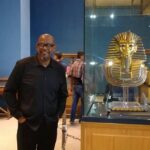
First is the Museum of Egyptian Antiquities, commonly called the Egyptian Museum. You’re looking at a massive collection overall, with a representative display on the floor. The tour timing gives you enough time to see the key galleries without turning it into a marathon.
Next you head into Coptic Cairo, covering historic churches and sites in the Old Cairo area, including the Babylon Fortress and the Coptic Museum and churches like the Hanging Church and St. George. This stop is valuable because it reminds you that Cairo is not frozen in one era. It’s layered, and that layering is part of the experience.
Finally, you tackle two of Cairo’s best-known historic areas: the Saladin Citadel for its medieval context and city views, and Khan el-Khalili, the famous souk area in Islamic Cairo. You’re not just shopping here; you’re watching how a centuries-old market district works in real life.
Flying to Luxor: Why a Short Hop Saves Your Energy
On day four, you fly from Cairo to Luxor. That one choice makes a big difference. It’s not just about saving time; it’s about having the energy to enjoy Luxor rather than arrive exhausted and try to sprint through temples.
Once you land, you start with two excellent “learning” stops before heading into the big temple complexes:
- The Luxor Museum, with a strong display pulled largely from Theban temple and necropolis material
- The Mummification Museum, where you can see tools and the logic of the process, plus examples like mummified animals and a well-preserved mummy of a 21st-dynasty high priest of Amun
If you’re the type who likes to understand what you’re looking at, these stops help. They make later tomb and temple symbolism click more quickly.



Karnak and Luxor Temple: The Temple World at Eye Level
Luxor Temple and Karnak are why people fall in love with Egyptian religion. This tour gives you time to see both, and that matters, because you can’t properly “get” a temple complex by sprinting.
At Karnak Temple, you’re in a vast complex primarily dedicated to Amun, with building history reaching back thousands of years. It’s easy to feel small here—in the best way. The scale forces you to notice patterns: columns, walls, and the way each addition fits into the bigger plan.
Then you head to Luxor Temple on the east bank of the Nile. Constructed around 1400 BCE, it feels less like a maze and more like a guided storyline. The “southern sanctuary” idea comes through when you’re walking the spaces and seeing the layout as a deliberate set of spaces.
Valley of the Kings + Hatshepsut’s Temple: Where Power, Politics, and Time Collide
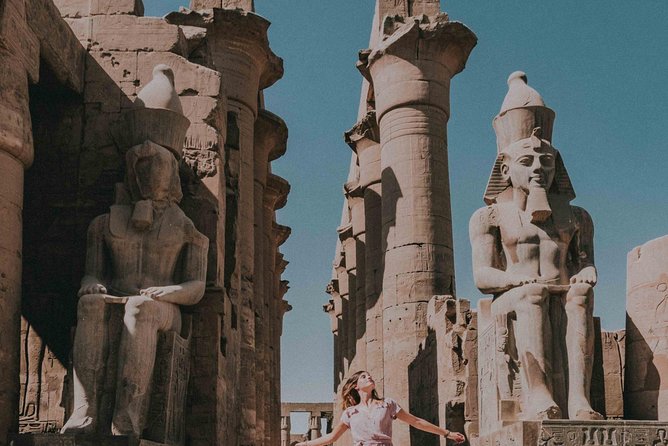
This is one of the most memorable parts of the whole trip.
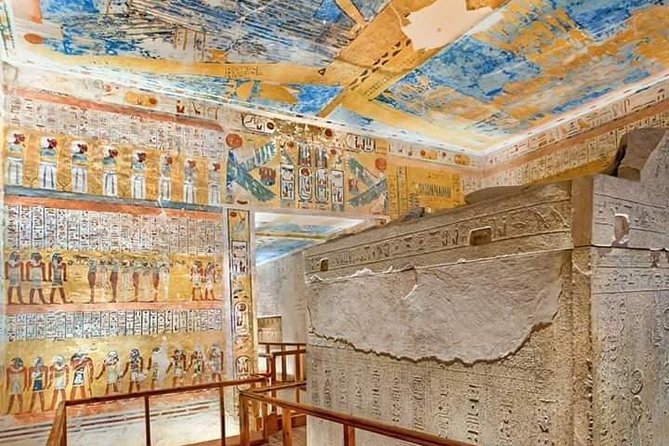
The Valley of the Kings is the burial ground of many New Kingdom pharaohs. You’ll visit this area with a ticket included that allows entry into three tombs out of the site’s many tombs—with Tutankhamen’s tomb excluded. It’s worth knowing that the tombs are fragile. The tour context explains that floods, treasure hunting, humidity, and even visitor behavior affect wall art over time. So you’ll want to be mindful inside: keep movements careful and treat those paintings like what they are—protected originals.
Then comes Temple of Hatshepsut at Deir el Bahari, a funeral temple tied to one of Egypt’s most complicated rulers. Hatshepsut ruled for about 16 years, and the story around her is the kind that makes you rethink Egyptian history as real people, not just names in textbooks. The temple’s setting helps too. Standing there, it’s easy to understand why it’s remembered as a standout work.
You also have a stop for the Colossi of Memnon, two massive statues of Pharaoh Amenhotep III. They’re dramatic even before you read anything, and they work well as a visual landing spot after the heavier West Bank tomb focus.
Temple of Horus and Kom Ombo: Two Stops That Expand Your Egyptian View
Day seven shifts from Luxor’s heavy classics toward two different temple styles.
The Temple of Horus is a Ptolemaic temple built between 237 and 57 BC and praised for being one of Egypt’s best-preserved monuments. It’s dedicated to Horus, and there’s a strong atmospheric factor here: desert sand helped preserve the structure after a religious ban. In plain terms, you’re walking through a place that still feels sheltered, which makes the interior architecture easier to appreciate.
Then you visit Temple of Kom Ombo, known for being a double temple. One side connects to the crocodile god Sobek, and the other is tied to other deities like Hathor and Khonsu. This stop is helpful because it shows how Egyptian worship wasn’t one single template. The religion changes by region and by temple function.
Abu Simbel: One Long Day Trip That’s Built Into the Price
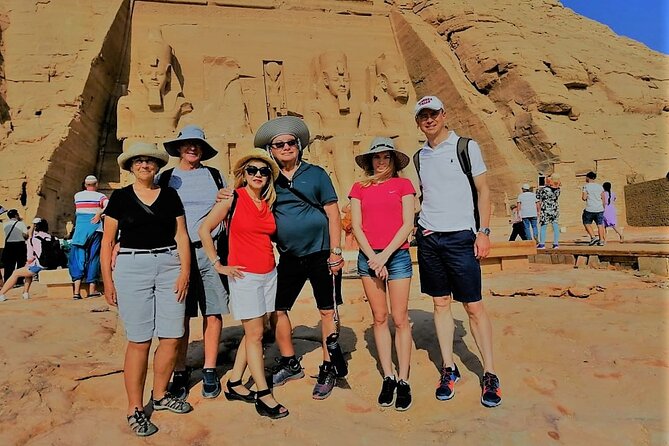
Abu Simbel is the kind of site that makes people ask, is it really worth it? Your included day trip says yes—if you’re ready for a long haul.
You’ll go to the Abu Simbel Temple Complex, two massive rock temples near Lake Nasser, about 230 km from Aswan. The temples are included with admission, and the day runs long (about 9 hours). That’s a real commitment. But if you want a true Upper Egypt finale, this is the big one on the list.
Practical note: when your day is long, your comfort matters. Plan hydration and keep your energy up so you enjoy the temples rather than just endure the transport.
Your Nile Cruise Comfort, Meals, and the Value of “Full Board”
The cruise part is where your trip turns from marching to floating.
You spend 4 nights on a Nile River cruise in a ship described as MS Blue Shadow or MS Concerto, or similar. The tour is described as full board, meaning meals are included for the cruise nights rather than you needing to plan every meal.
The big value here isn’t just food. It’s timing. After temple days, the Nile cruise gives you a natural buffer: you can rest, look at the passing riverbanks, and let what you learned during the day sink in. This is also where your day-to-day logistics feel lighter because travel arrangements are already handled.
Price and Logistics: Is This $2,905 Deal Worth It?
At $2,905 per person, this is not a cheap trip. But the price looks more reasonable when you break it into components you’d otherwise have to piece together yourself:
- Expert Egyptologist guide
- Nile cruise for 4 nights with full-board meals
- Entrance fees included across multiple major sites
- A setup with round-trip private transfer
- A schedule that includes flights (Cairo to Luxor) and a long Abu Simbel day
So the value is in the bundling. You’re paying for fewer unknowns and fewer independent bookings.
The caution is the one thing you shouldn’t ignore: there’s feedback pointing to hotel room quality issues on some nights on land. The tour framework includes five-star accommodations in its description, but actual room condition is what you’ll feel day after day. If you’re the type who cares a lot about cleanliness and comfort, it’s smart to ask the operator what exact hotels are used for the Cairo and Luxor nights before you pay.
Who This Tour Fits Best (and Who Might Want to Compare Options)
This tour fits best if you want:
- Guided context so temples and tombs feel meaningful, not random
- A mix of Cairo, Luxor, Aswan direction, plus Abu Simbel as a included highlight
- A cruise that gives you recovery time, not only sightseeing
It may be less ideal if:
- You’re very sensitive to hotel standards during land nights and hate surprises
- You prefer total independence over a fixed group rhythm
Should You Book This Luxor-to-Aswan Egypt Plan?
If you want an organized, Egyptologist-led route that covers the big monuments plus several meaningful supporting sites, I think this is a strong pick. The cruise component is a real quality-of-life advantage, and the coverage from Giza and Saqqara through Luxor temples, West Bank tomb culture, and finally Abu Simbel gives you a complete arc.
Just do your homework on the land hotel nights. If cleanliness is a deal-breaker for you, ask pointed questions before booking and confirm exactly what you’re getting. If you can handle that variable, this trip’s structure makes it easy to enjoy Egypt without turning every day into a logistics puzzle.
FAQ
How long is the tour?
It’s listed as about 10 days.
What cities are covered?
The tour covers Cairo, Luxor, and the Aswan area, including Abu Simbel.
Is there a Nile cruise, and how many nights?
Yes. You get a 4-night Nile River cruise.
Does the tour include an expert guide?
Yes. A qualified Egyptologist guide is included.
Are meals and entrance fees included?
Yes. The tour states that all meals, activities, and entrance fees are included, along with transfers.
Do I need to buy tickets for major sights?
No. Admission tickets are listed as included for the major sites mentioned in the program.
Is Abu Simbel included?
Yes. Abu Simbel Temple Complex is included as a stop with admission.
Is pickup or transfer included?
Pickup is offered, and the package includes round-trip private transfer.
Is this a private tour?
Yes. It’s described as a private tour/activity with only your group participating.
What if I need to cancel?
You can cancel up to 6 days in advance for a full refund, with partial refunds depending on how close you are to the start date.