REVIEW · CAIRO
09 Days Egypt Classic Tour Cairo & Luxor – Aswan Nile Cruise
Book on Viator →Operated by Khaled Abbass Tour Guide · Bookable on Viator
Egypt will hook you fast. This classic north-to-south run pairs big-hitters with real downtime on the Nile, then ties it together with a guide named Khaled Abbass (also written as Khaled Elomda Abbass). You’re moving through Cairo’s history, cruising through Aswan and Kom Ombo, then finishing in Luxor with the sites that make people book Egypt in the first place.
I especially like how much is built in for you: hotel stays, cruise full board, entrance fees, and transfers are bundled so you’re not constantly negotiating your way through logistics. I also like the human side—multiple comments point to strong communication and a guide who stays close to the group, with smooth transport and help at entrances, plus quick WhatsApp replies before you ever step outside.
One consideration: this is an early-start, schedule-heavy trip (4:30 am is listed for the experience start), and there are a couple of unhappy notes about hotel booking and money-exchange handling. I’d manage that risk by confirming hotel details in advance and being cautious with any off-program money exchange requests.
In This Review
- Key points that matter before you go
- Cairo starts at a sprint: Tower night and an easy arrival
- What you’ll likely feel on Day 1
- Giza full day: Pyramids + Sphinx, then the Museum of Egyptian Antiquities
- Practical tip that saves time
- Coptic Cairo and Khan Al-Khalili: churches by history, bazaar by senses
- How to shop without wasting your energy
- Cairo Citadel and the sleeper train: trading traffic for track time
- Aswan High Dam and Philae Temple: the Nile’s big engineering and sacred islands
- What to do on cruise days
- Kom Ombo + Edfu: temple ruins, medical relief stories, and a horse ride
- A quick reality check on the horse carriage ride
- Luxor in three acts: Kings, Hatshepsut, Karnak, and Luxor Temple
- Why this Luxor sequence works
- Cairo again, plus a mall buffer and an early departure day
- Price and logistics: what you’re really paying for at $2,685.72
- My honest “should you pay this?” checklist
- The guide factor: what Khaled Abbass changes about the trip
- A balanced note on trust and verification
- Should you book the 9-day Cairo to Luxor Nile cruise?
- FAQ
- How long is the Egypt Classic Tour from Cairo to Luxor?
- What does this tour cost per person?
- What’s included in the price?
- Are pickup services offered?
- Are entrance fees included for the sites?
- Are tipping and visas included?
- Is international airfare included?
- What’s the latest weather-related rule mentioned?
- Is the tour private?
Key points that matter before you go
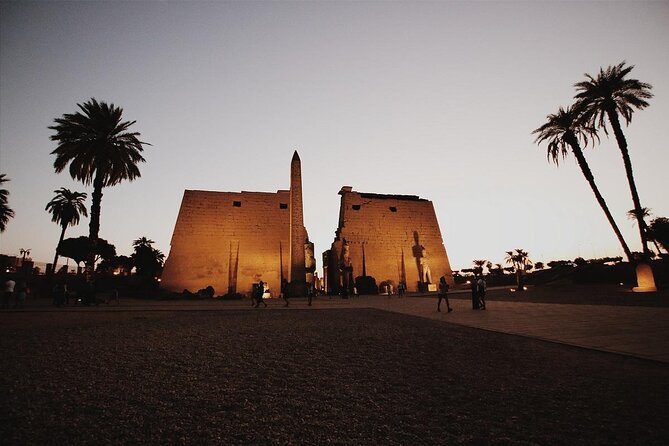
- A north-to-south history route: Cairo churches and markets, Giza, then temples in Aswan, Edfu, and Luxor.
- Most admissions and transfers are handled: entrance fees are included, plus you’re moved between cities by private transfers and trains.
- On-cruise days are built around temples: Aswan, Kom Ombo, and Edfu are scheduled so you see major sites without wasting the whole day in transit.
- Khaled Abbass as your on-the-ground fixer: praised for communication and staying organized during the busy parts.
- Early mornings are part of the deal: plan for long days and wake-ups that come before sunrise.
- Check details, especially hotels and any money handling: a small number of negative comments suggest you should confirm what you’re getting.
Cairo starts at a sprint: Tower night and an easy arrival
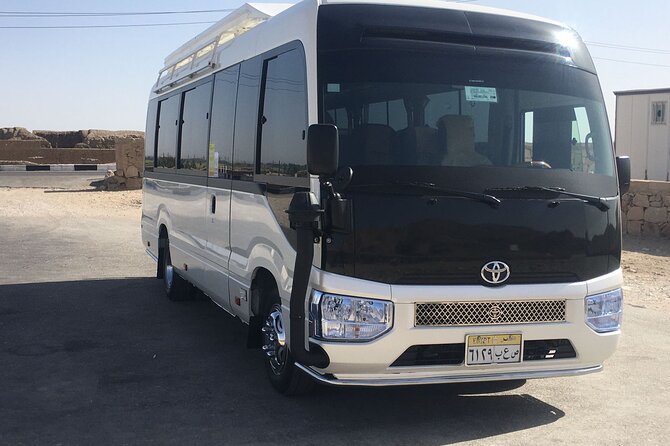
Your trip begins with a greeting at the airport. You’ll get help through immigration and customs, then ride in a deluxe vehicle to your Cairo hotel. If you’ve ever done Egypt solo, you know how much time that kind of assistance saves—less wandering, more daylight spent exploring.
That evening you’ll visit Cairo Tower. It’s not the pyramids, and it’s not trying to be. It’s a practical orientation moment: you get a sense of the city’s scale after arrival, and it’s a low-effort way to settle your nerves. If you like photos, this is the time to grab them while you’re still fresh.
You can also read our reviews of more boat tours in Cairo



What you’ll likely feel on Day 1
Cairo hits hard on arrival: noise, movement, and heat. Having someone meet you and handle the first transfer means you’re not fighting the clock. The trade-off is that you need to be ready for the next morning’s big sights.
Giza full day: Pyramids + Sphinx, then the Museum of Egyptian Antiquities
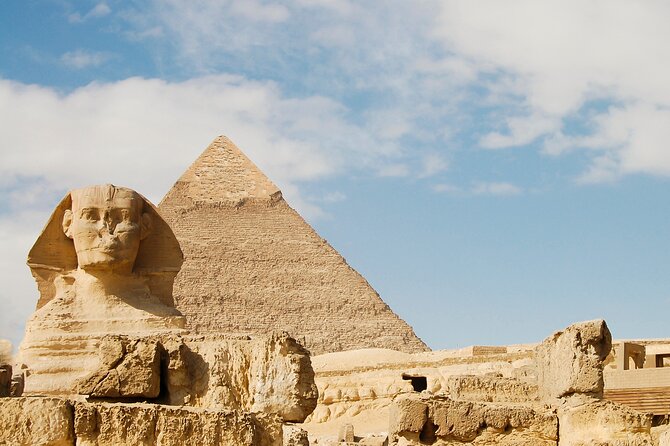
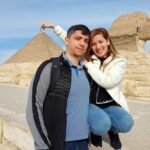
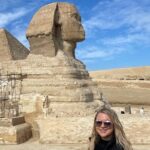
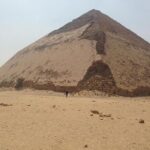
Day 2 is the classic combo: Pyramids of Giza and the Great Sphinx, followed by the Egyptian Museum of Antiquities. This is the kind of day where you want good shoes, water, and a willingness to be patient. Even with a tour guide, Giza draws crowds. You’ll spend about three hours at the site with admission included.
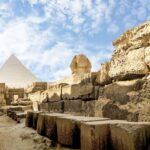
What makes this stop worth it isn’t just that it’s famous—it’s how it looks in real life. Those pyramids sit on a rocky desert plateau, and when you stand close, you get the scale that photos don’t fully transmit. The Sphinx is similar: you can study it from a distance all day on the internet, but seeing it in person does something to your sense of time.
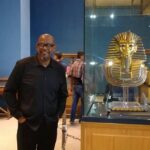
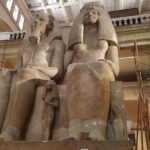
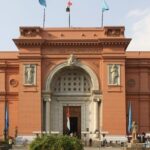
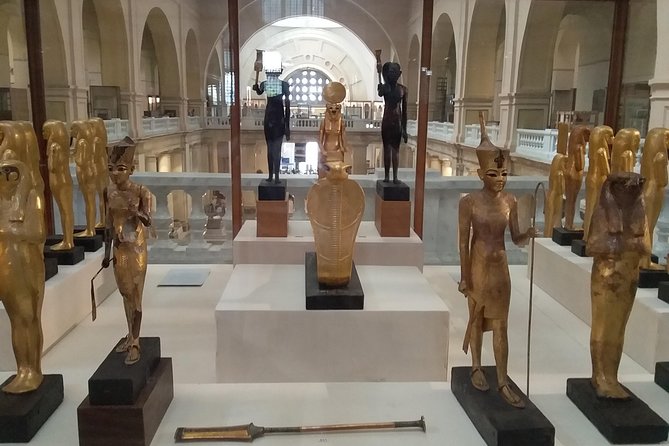
In the afternoon, you head to the Egyptian Museum. You’ll focus on key highlights like King Tutankhamen’s golden death mask, and you’ll also have the option of seeing mummies. Even if you skip the optional portions, the museum works well after Giza because it gives context. The pyramids pose the question; the museum answers it with objects tied to rulers, rituals, and daily life.
Practical tip that saves time
Go into the museum knowing you won’t read everything. Aim for the big-room clusters you care about—Tut-related items, standout royal collections, then move on. You’ll enjoy it more than trying to absorb it all.
Coptic Cairo and Khan Al-Khalili: churches by history, bazaar by senses
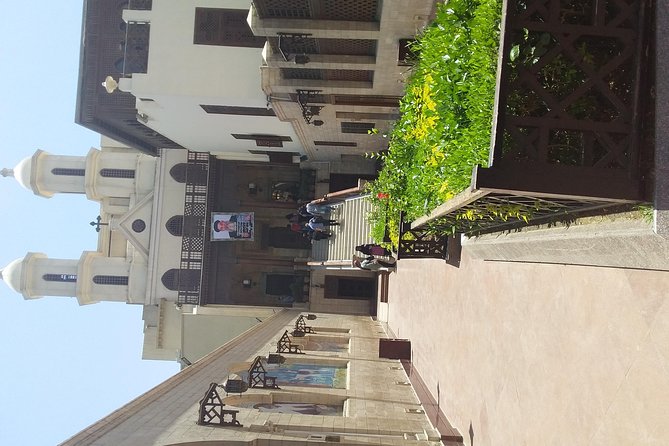
Day 3 is one of the most interesting shifts in tone: from ancient royal monuments to Cairo’s living layered faith. You’ll visit Coptic Cairo churches, including the Hanging Church and the Church of St. George the Martyr, plus Church of Abu Serga (St. Sergius). This area is known for pilgrimage, and that matters: you’re not just looking at old stone, you’re seeing a neighborhood with purpose.
You’ll also walk into Cairo’s oldest-feeling backdrops—church buildings tucked into the area tied to the Fort of Babylon remains. It’s a different kind of history than you get at Giza. Instead of massive state projects, you see spiritual continuity.
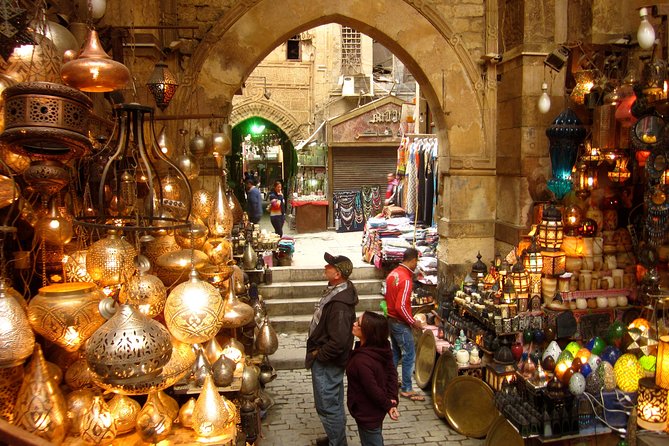
After lunch, you go to Khan Al-Khalili. This bazaar is loud and crowded in a way that’s part of the experience. You’ll find the tourist trinkets, sure, but you can also shop with intention: there’s a spice market for fresh spices, a perfume market with essential oils and mixing scents, plus gold vendors, antique shops, and fabric and carpet sellers.
How to shop without wasting your energy
If you want something specific, set your budget before you start bargaining. If you just want atmosphere, keep your phone away for a bit and look around first. The best shopping moments tend to happen when you’re calm enough to compare.
Cairo Citadel and the sleeper train: trading traffic for track time
On Day 4, checkout happens after breakfast. Then you have time to do what you want before your transfer to Ramses railway station for the night sleeper service to Aswan. Dinner is served once Cairo is behind you.
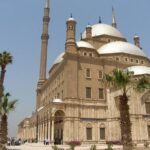
You can also add an optional stop at Cairo Citadel. It’s tied to Saladin’s fortifications and served as a government seat for centuries. For me, optional stops like this are a smart choice only if you care about viewpoints. If you’re burned out after Giza and the museum days, skip it and save your energy for Aswan.
The sleeper-train segment is one of the clever parts of this tour. It moves you south without wasting daylight in a long bus ride. You don’t just travel; you reset.
Aswan High Dam and Philae Temple: the Nile’s big engineering and sacred islands
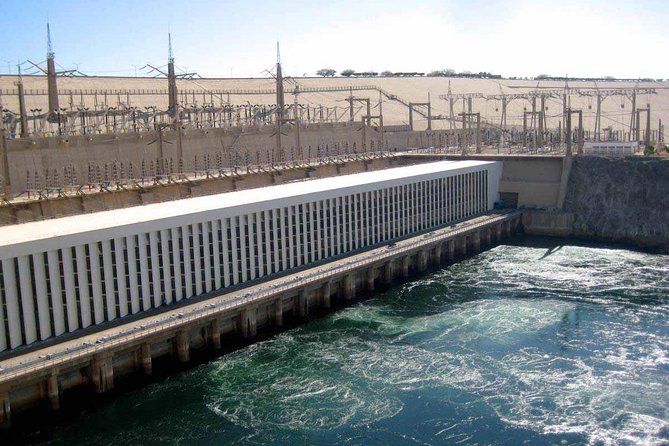
Day 5 is where your cruise fully starts to feel real. You arrive in Aswan, then transfer to your cruise boat, which becomes your floating hotel for the next four days. After lunch, you go to Aswan High Dam. The description calls it the world’s largest rock-filled dam, and even if you’re not an engineering nerd, it’s a powerful scene: huge scale, serious purpose, and the Nile as the reason.
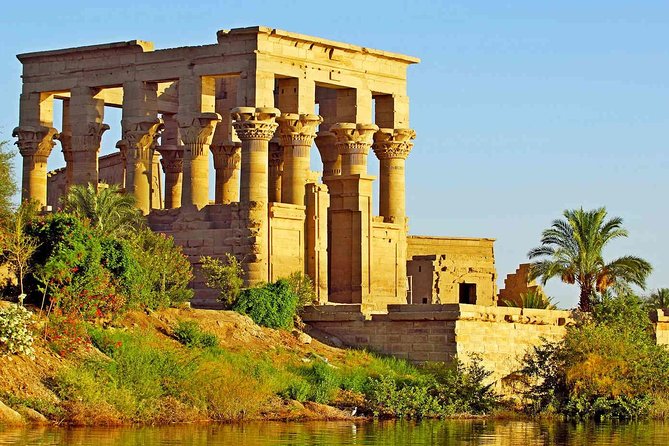
Then you head to Philae Temple. Here’s why this stop is special: the temple was moved to the island of Agilika after Lake Nasser flooded its original location. So you’re seeing a temple that survived a modern reshaping of the river. It adds a layer of meaning beyond postcard views.
After these visits, you rejoin the cruise, and dinner is served as the Nile keeps moving under you.
What to do on cruise days
When you get downtime, take it. The Nile cruise part works because you’re not constantly sprinting in and out of buses. Your brain needs breaks after pyramids-level intensity.
Kom Ombo + Edfu: temple ruins, medical relief stories, and a horse ride
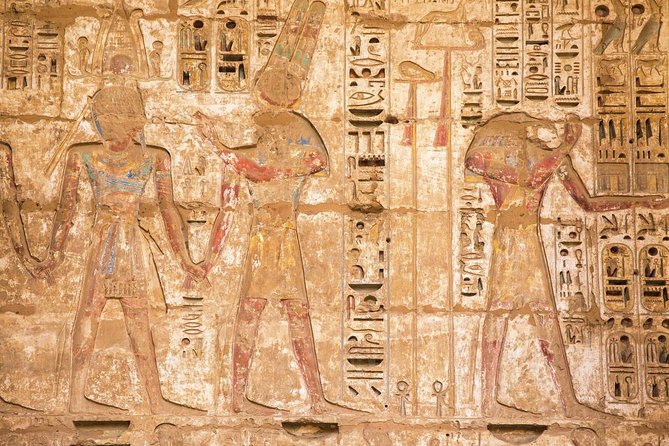
Day 6 is all temples, but it’s also a change in scenery and mood. The cruise stops at Kom Ombo Temple dedicated to gods Horus and Sobek. The temple is described as damaged, yet important details remain. One highlight in the tour description is the presence of surgical instruments and how they were used, including themes associated with childbirth. Whether you’re reading history as religion or as early science, this is the kind of stop that makes you see ancient Egypt as practical too, not only grand.
After lunch, you head to Edfu for the Temple of Horus. You’ll take a horse carriage ride to the temple, then tour one of Egypt’s best-preserved major temples. The program highlights its completeness and architecture.
Once you’re done, you head back to the boat in plenty of time before it departs Edfu and sails for Esna. Then you watch the boat pass through the Esna locks, before continuing toward Luxor for dinner.
A quick reality check on the horse carriage ride
This is part of the included plan, so you’ll see it firsthand. If you’re sensitive about animal welfare, you can still make it thoughtful: keep your expectations realistic and ask your guide what to look for on the carriage ride (without turning it into a debate).
Luxor in three acts: Kings, Hatshepsut, Karnak, and Luxor Temple
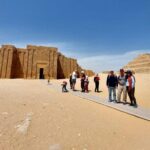
Day 7 starts with the Valley of the Kings, the burial place of pharaohs and powerful nobles from the New Kingdom. You’ll spend around three hours here with admission included. This is where Egypt stops being just monuments and becomes a story of power, secrecy, and beliefs about the afterlife.
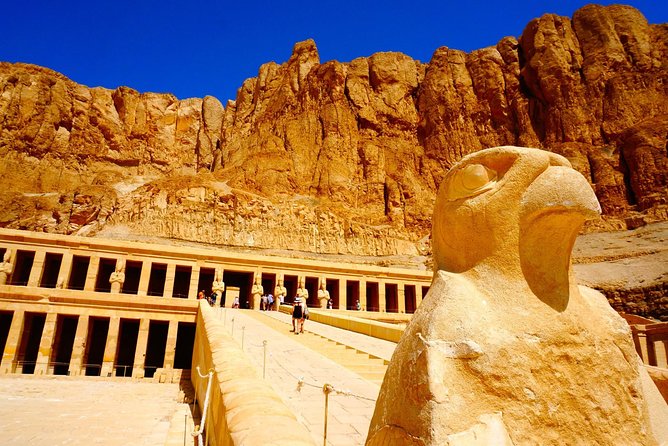
Next is Deir el Bahari and the Temple of Hatshepsut. The tour points out Hatshepsut as the female Pharaoh who ruled for nearly 22 years. The temple is described as one of the most striking monuments in Egypt, and it really is because the setting and the structure feel designed to impress. It’s a great counterpoint to the valley tombs—less hidden burial, more visible monument.
Then you have the Colossi of Memnon as a brief photo stop. It’s short by design (about 20 minutes), but it’s a good break between heavier temple days. Think of it as a scenic palate cleanser.
On Day 8, you visit Karnak Temple, the largest religious temple complex in Egypt, dedicated to the Theban triad: Amun-Re, Mut, and Khonsu. After that you’ll go to Luxor Temple, built by Amenhotep III and Ramses II, tied to rituals and festivals and dedicated to Amun-Re.
You finish the day with a train ride back toward Cairo—your program drives you to Luxor railway station to meet a train at 21:30, with dinner served again as the city disappears behind you.
Why this Luxor sequence works
Instead of hitting Luxor Temple, then rushing back to the hotel, you’re given a logical sweep: Karnak’s massive religious center, Luxor Temple’s ritual space, then the grand New Kingdom burial and royal legacy days. It feels like you’re walking through the same worldview from different angles.
Cairo again, plus a mall buffer and an early departure day
Day 9 brings an early wake-up and breakfast. The train arrives at Ramses station at 06:45, and you’re met by your representative. Then the rest of the day is yours until your airport transfer for departure.
You’ll also have time at Cairo Festival City Mall earlier that morning. This is a helpful buffer if you want coffee, a place to cool down, or a last-minute purchase without spending hours negotiating in markets. It’s not the heart of Egypt, but it’s a practical finish line.
Price and logistics: what you’re really paying for at $2,685.72
At $2,685.72 per person, this is not a budget trip. But it also isn’t just “sightseeing.” It bundles major movement and major ticket costs into one package.
Here’s what’s included, based on the tour details:
- 5-star Cairo hotel for three nights (bed and breakfast)
- 5-star Nile cruise for three nights (full board on the boat)
- Two nights on a sleeper train (half board with breakfasts and dinners)
- All transfers mentioned in the plan
- Entrance fees for sightseeing
- Arrival and departure assistance
What’s not included:
- Tipping
- Entry visa
- International air fares
- Personal expenses
So where’s the value? In the “chain.” You’re paying for the handoffs: airport-to-hotel, hotel-to-sights, cruise-to-temples, train segments, and included admissions. If you tried to recreate this yourself, the puzzle pieces would cost time and money in unexpected ways—especially with transport and entry tickets.
My honest “should you pay this?” checklist
This price makes sense if:
- You want a guided plan with fewer gray areas.
- You’d rather spend your energy on temples than on logistics.
- You’re okay with early starts and long travel days.
It might feel overpriced if:
- You only care about one or two sites and would rather travel slower.
- You dislike strict schedules.
The guide factor: what Khaled Abbass changes about the trip
The experience is structured around Khaled Abbass as the tour guide. Multiple comments highlight that he’s easy to communicate with, responds quickly on WhatsApp, and can handle questions in good English. Several also describe his professionalism, including transport that feels organized and access that feels handled at entrances.
One thing I like about this kind of guide is practical competence. On busy days like Giza and Luxor, the difference between a stressful day and a smooth one isn’t the temple—it’s the timing, the line navigation, and how clearly your next move is explained.
A balanced note on trust and verification
Even with a strong guide, I recommend a simple safety habit: confirm the specific Cairo hotel arrangements you’ll stay in, and keep your money exchange strictly within agreed plans. A small number of negative notes raise concerns in those areas, so it’s smart to be proactive.
Should you book the 9-day Cairo to Luxor Nile cruise?
I’d book this if you want a classic Egypt route that hits the big names—Giza, Valley of the Kings, Hatshepsut, Karnak—while also getting real rest time on a Nile cruise. The mix of included entrances, transfers, and full meals on the cruise makes it feel efficient without being all grind.
I wouldn’t book it if you’re looking for a slow, flexible trip with lots of empty hours and DIY spontaneity. This plan runs early and tight, including a 4:30 am start time listed for the experience, plus long sightseeing blocks.
My best advice: if you book, ask for the Cairo hotel confirmation details up front, and be cautious about any extra money exchange requests that aren’t clearly part of the program. Do that, and this can be a memorable, well-structured way to see Egypt from the north to the south.
FAQ
How long is the Egypt Classic Tour from Cairo to Luxor?
The tour is listed as 9 days (approximately).
What does this tour cost per person?
The price is $2,685.72 per person.
What’s included in the price?
It includes Cairo hotel stays (3 nights) on bed and breakfast, a 5-star Nile cruise stay (3 nights) on full board, sleeper train accommodation (2 nights) on half board, all transfers as listed, entrance fees for sightseeing, and arrival/departure assistance. It also lists meals including dinner, breakfast, and lunch.
Are pickup services offered?
Pickup is offered, and arrival/departure assistance is included.
Are entrance fees included for the sites?
Yes, entrance fees for all sightseeing are included.
Are tipping and visas included?
No. Tipping and entry visa are not included.
Is international airfare included?
International air fares are not included.
What’s the latest weather-related rule mentioned?
The experience requires good weather. If canceled due to poor weather, you’ll be offered a different date or a full refund.
Is the tour private?
Yes. It’s described as a private tour/activity, with only your group participating.