REVIEW · CAIRO
02 Days Aswan – Abu Simbel – Luxor from Cairo
Book on Viator →Operated by Deluxe Travel · Bookable on Viator
Two days, three ancient cities. This fast-moving route is interesting because it links Egypt’s biggest “wow” moments—Aswan, Abu Simbel, and Luxor—with door-to-door logistics that cut down on planning stress. I especially like the way a qualified Egyptologist guide gives context while you’re actually in the rooms and on the platforms, not afterward in a lecture hall.
My second favorite part is the pacing that still leaves you time to look up close at major sites (plus a hotel night with breakfast), while your door-to-door transfers handle the in-between time. One possible drawback: it’s a tight schedule with early starts and long drives, so if you get travel-fatigued easily, you’ll want to pace your expectations and stay flexible if timings shift.
In This Review
- Key things that make this tour work
- Two days, three temple worlds: what this kind of itinerary really means
- Aswan High Dam: the engineering story behind the Nile
- Abu Simbel: the big early run and what to expect at the temple complex
- Philae Temple by boat: the Nile island factor that changes the mood
- Valley of the Kings: tomb landscape and how to see it without rushing
- Hatshepsut at Deir el Bahari: the temple views you can’t fake
- Colossi of Memnon: quick, but memorable in a practical way
- Karnak Temple and the sacred lake: where symbolism shows up everywhere
- Guides matter: two-day continuity and real English-speaking expertise
- Price and logistics: is $680 good value?
- Who this tour is best for (and who should think twice)
- Should you book this 2-Day Aswan–Abu Simbel–Luxor tour?
- FAQ
- How long is the tour?
- What does the tour include in Aswan?
- Is breakfast included?
- Are temple and activity admission tickets included?
- Does the price include domestic flights?
- Is pickup and drop-off included?
- What’s the group size limit?
- Does the tour include food and drinks?
- What fitness level do I need?
- Is the tour refundable if I cancel?
Key things that make this tour work
- Egyptologist-led temple time at the big-name sites, not just photo stops
- Aswan overnight with breakfast, so you’re not constantly packing and moving hotels
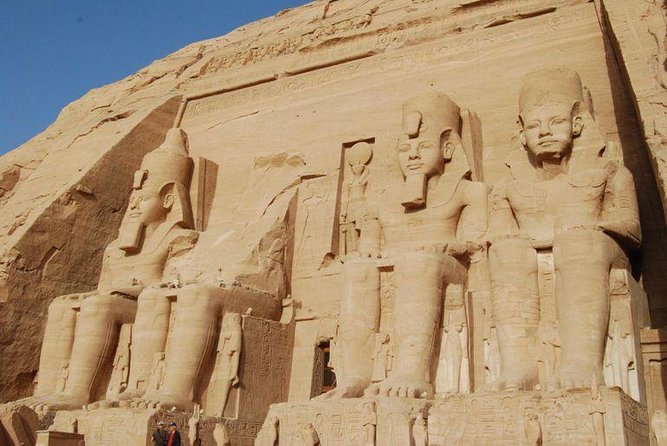
- Abu Simbel included with admission, with guided time and time to explore your way
- Philae Temple by boat, giving you that Nile-Island arrival feel
- Luxor West Bank circuit, including Valley of the Kings, Hatshepsut, Memnon, and Karnak
- Small group size (up to 15) helps the day feel smoother than huge bus crowds
Two days, three temple worlds: what this kind of itinerary really means
If you’re short on time but want the biggest hits of southern and central Egypt, this tour is built for you. You’re not trying to “touch everything” in the abstract—you’re getting a concentrated run through the Nile corridor’s most famous temple complexes and tomb landscapes, guided by an Egyptologist.
The catch with compressed itineraries is simple: you’re spending more of your day at sites and less time wandering freely on your own. That can be perfect if you like structure (and hate trip-planning). If you want long, slow afternoons with minimal transitions, you might feel the schedule.
Price-wise, $680 per person is not a bargain, but it’s also not just paying for tickets to famous places. You’re paying for multiple transport legs wrapped together—hotel bed and breakfast in Aswan, qualified guide time, air-conditioned vehicle transfers, admission tickets, and domestic return flights back to Cairo. When you price those items separately, the tour starts to look like a practical package rather than a splurge.
And there’s a real value in the guide’s interpretation. Egypt’s monuments can look like “giant stone puzzles” at first. With a guide, you get the why behind what you’re seeing: how these temples fit royal power, religious symbolism, and Nile-life realities.
You can also read our reviews of more tours and experiences in Cairo.

Aswan High Dam: the engineering story behind the Nile
Your day starts at the Aswan High Dam, one of Egypt’s major engineering projects. The point here isn’t just sightseeing. This stop helps you understand how modern Egypt reshaped the Nile—especially the control of flooding and the creation of a reservoir of fresh water.
Why I like this stop on a tight itinerary: it gives you a “cause and effect” lens. After you’ve seen the dam, temples like Philae feel more connected to real geography, not just ancient mythology. In other words, you’re learning how the Nile’s behavior mattered—then how humans changed the system.
The practical side is straightforward: this is a focused visit with admission included and a manageable time slot. If you tend to get restless standing in line, you’ll appreciate that it’s not a half-day detour.
Abu Simbel: the big early run and what to expect at the temple complex
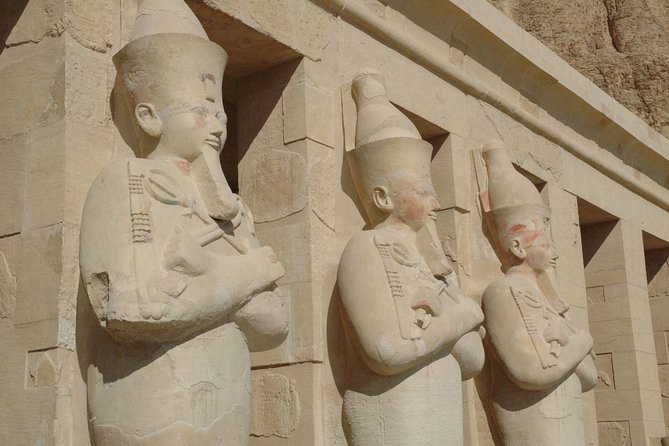
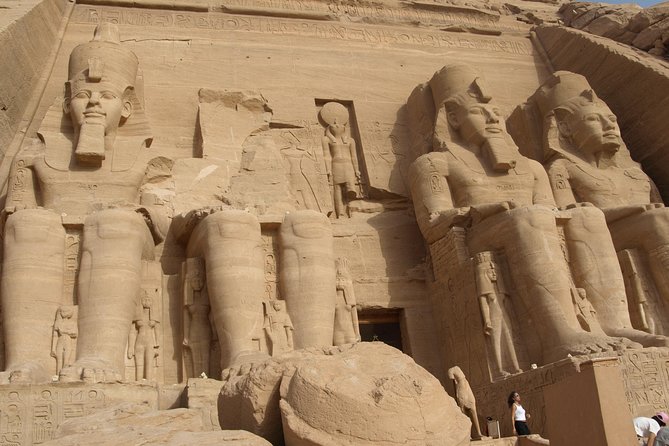
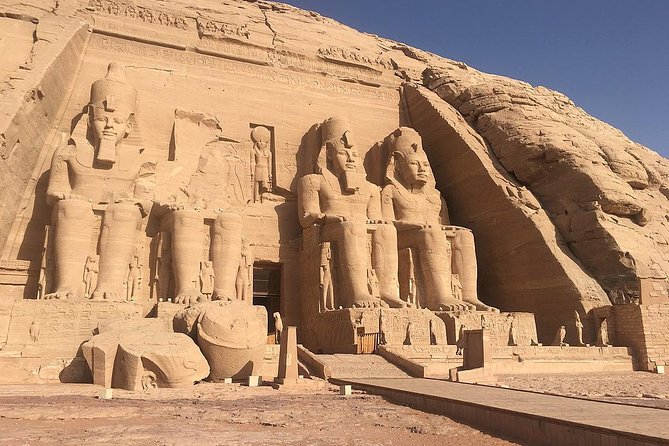
The Abu Simbel experience is the reason many people book. It’s a serious drive from Aswan (the tour sets aside the time for the long one-way stretch), but you’re rewarded with one of Egypt’s most dramatic temple settings.
Here’s the rhythm you should plan around: you’ll head out early, arrive with guided time outside the temple complex, and then you’ll have time to explore the temple area yourself and see the corners at your own pace.
Two things make this work well on a guided tour:
- You get guided orientation first. That early context can turn “cool building” into “I understand what I’m looking at.”
- You still get independence time. The tour isn’t just someone walking you by; it builds in enough space to slow down and look closely.
One practical tip from the tour details: since your morning can start before a normal breakfast window, you may want to ask your hotel for a breakfast box if it’s not included in your schedule. That small bit of planning keeps the day from feeling like you’re dragging through the first drive.
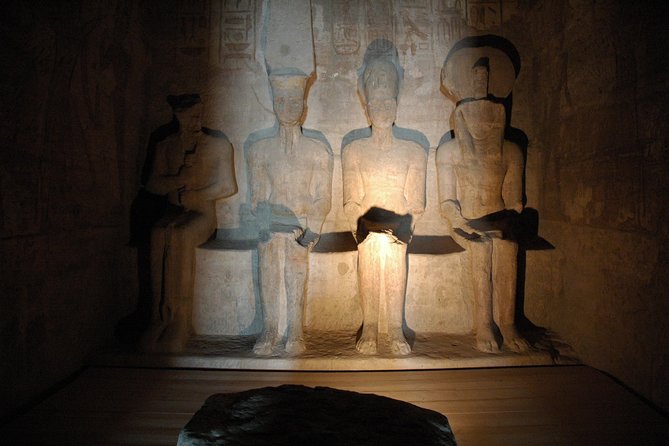
As for the temple feel itself: Abu Simbel is famous for its scale and the sense of arrival after hours of road time. If you’re only doing one “must-see” in this region, this is usually the one.
Philae Temple by boat: the Nile island factor that changes the mood
After the Abu Simbel run, the day can become a blur for some people. This is where Philae Temple helps reset the tone.
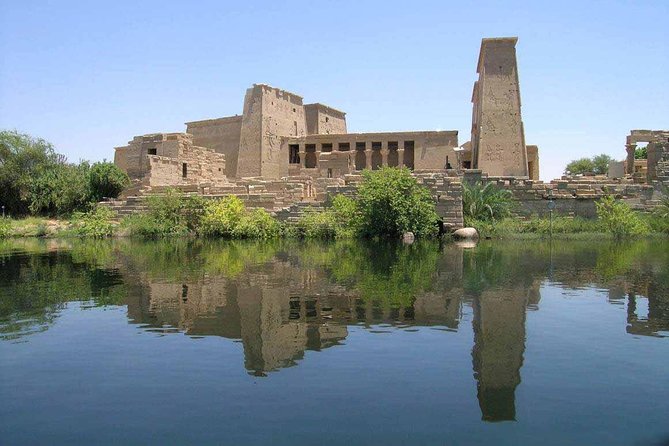
Philae is reached by a motor boat ride to the island on Agalika Island. That boat crossing matters more than it sounds. It turns a temple visit into an “arrive and settle” moment, with Nile views that soften the intensity of the earlier sights. You’re not just moving locations—you’re switching gears from monumental royal power to a calmer, more atmospheric temple setting.
The tour includes admission and keeps the timing reasonable, so you’re not stuck there for hours. For a two-day trip, this is a smart choice: you get the scenery and the temple without losing your energy for what’s coming next.
Valley of the Kings: tomb landscape and how to see it without rushing
Day two starts with a drive to Luxor, then a visit to the Valley of the Kings, the burial ground for ancient Thebes. This is one of those places where speed kills the experience. If you rush, it becomes a list of entrances.
On a guided schedule, the best way to make it feel meaningful is to use the guide’s framing. You’re learning what the valley is, why it was chosen, and how burial traditions shaped where and how these tombs were built.
The tour includes admission and a set time on site, which means you won’t get endless wandering. But the structure can still be a win if you’re visiting for the first (or second) time and want to understand the whole system quickly.
Wear something comfortable for uneven ground, and plan on sun exposure. Even in a short visit, the valley can feel warm and dry.

Hatshepsut at Deir el Bahari: the temple views you can’t fake
Next is the Temple of Hatshepsut at Deir el Bahari on the Luxor West Bank. What makes this stop special isn’t just the architecture. It’s the way the temple sits into the mountain setting, creating those dramatic views that feel made for photos—but also worth seeing in person because the angles make more sense when you’re there.
This is the kind of stop where you’ll understand why people talk about “view lines” in Egypt. The temple placement is part of the message. If the morning drive has you a bit tired, this is a good moment to stop and let your eyes adjust. It tends to feel calmer than the tomb valley, and that contrast helps the day feel balanced.
Admission is included, and the time slot keeps you moving, but it should still be enough for a proper look at the key features.
Colossi of Memnon: quick, but memorable in a practical way
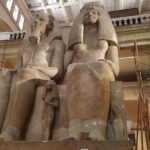
On the route, you’ll see the Colossi of Memnon—two large statues associated with the Theban landscape. This is a shorter stop, but it’s still worth your attention.
Why? Because it breaks up the day. After tombs and temples, your brain can use a “simple form” moment. Big stone figures are easier to read quickly than carved corridors, and that makes the experience feel more varied.
If you’re the type who likes to take photos, this is also one of the easier places to get a clean shot without needing a lot of walking.
Karnak Temple and the sacred lake: where symbolism shows up everywhere
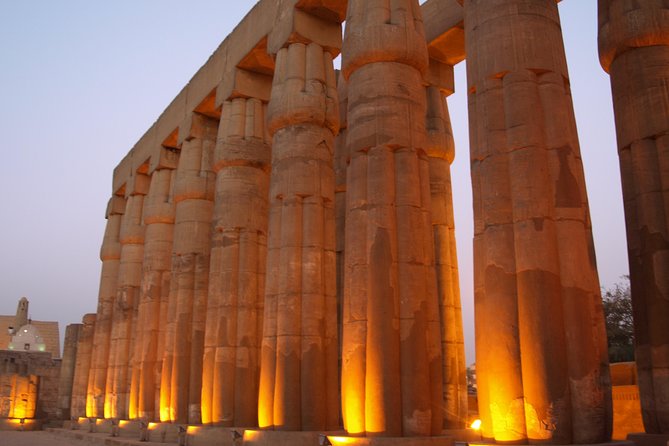
The finale on the West Bank is Karnak Temple, one of the strongest examples of worship architecture in history. It’s dedicated to Amon, Mut, and Khons, and the tour is designed to help you understand the temple complex as more than a single building.
You’ll get time to study inscriptions on columns and hear how symbolism and architectural choices work in the temple system. You’ll also encounter the sacred lake area and a scarab beetle sculpture, described as a symbol of rebirth and luck.
This is where a guided visit really shines. Karnak is large, and without context it’s easy to feel like you’re surrounded by carvings but missing the story. With an Egyptologist explaining the logic behind what you’re seeing, your visit becomes clearer and more satisfying.
The time here is longer than the quick stops, with admission included, so plan to stay attentive. It’s a good place to let the day’s earlier information click into place.
Guides matter: two-day continuity and real English-speaking expertise
One thing I love about this tour format is that it doesn’t feel like you’re bouncing between totally different explanations every few hours. In at least some groups, the guide pairing has been a real highlight: Mohamed El Aswany has handled the Aswan and Abu Simbel portion, while Emile Ghaly has led the Luxor side.
That matters because Egyptology isn’t just facts—it’s how the facts connect. When your guide can keep the story consistent across multiple sites, the day feels more coherent. And the reviews highlight that these guides spoke excellent English and were attentive to different needs.
Practical example from the experience details: one group included an 80-year-old traveler with minor mobility problems, and the guides were considerate. That’s a good sign if you want someone who can help manage the day beyond just repeating the script.
Price and logistics: is $680 good value?
At $680 per person for about two days, this tour is priced for convenience and structure. You’re not just paying for seeing temples. You’re paying for:
- One night in Aswan (bed and breakfast)
- Qualified Egyptologist guide
- Hotel pickup and drop-off
- Air-conditioned vehicle transport for the drives you’d struggle to arrange smoothly
- Admission tickets included for the main stops
- Domestic return flights back to Cairo
If you tried to build this yourself, you’d quickly run into the hard parts: timing, getting the right transport across long distances, coordinating tickets, and managing the “how do I do this efficiently” headache. This package removes most of that friction.
The only financial “gotcha” is personal spending. Food and drinks are not included unless specified, so you’ll want to budget for meals during the day and anything between included items.
Who this tour is best for (and who should think twice)
This tour fits best if you want:
- A high-impact route through Aswan, Abu Simbel, and Luxor without handling logistics yourself
- A guide-led experience where interpretation matters
- An itinerary with an Aswan overnight, not a nonstop sprint
It may feel less ideal if:
- You get stressed by tight schedules and long days
- You need lots of free time for wandering
- You strongly prefer designing your own routing day-by-day
Also keep in mind: the tour notes that you should have a moderate physical fitness level, which makes sense given the driving plus time at outdoor sites.
Should you book this 2-Day Aswan–Abu Simbel–Luxor tour?
My take: book it if you’re trying to maximize time and want an organized, guided path through the big monuments. The combination of Abu Simbel + Philae + Luxor West Bank in a two-day window is exactly the kind of itinerary that becomes worth it once you factor in guided context, included admissions, and the transportation wrapper.
If you’re the kind of traveler who hates early starts or needs very flexible pacing, then you’ll want to consider whether this schedule style matches your energy. For most people, though, the payoff is real: you get the Nile’s modern story (High Dam), a legendary royal temple (Abu Simbel), a scenic island temple (Philae), and the Luxor West Bank highlights (Valley of the Kings, Hatshepsut, Karnak) with a guide holding the thread.
One last “smart traveler” note: because your days run on multiple transport legs, I’d build in flexibility for small timing changes. This route is built to work, but it’s still a lot of movement over two days.
FAQ
How long is the tour?
It runs for about 2 days.
What does the tour include in Aswan?
You get one night of hotel accommodation on bed and breakfast in Aswan.
Is breakfast included?
Yes. Breakfast is included (plus the tour notes you may want a breakfast box for very early mornings).
Are temple and activity admission tickets included?
Yes. Admission tickets are included for the listed sites on the itinerary.
Does the price include domestic flights?
Yes. The tour includes door-to-door transfers including domestic return flights back to Cairo.
Is pickup and drop-off included?
Yes. The tour includes hotel pickup and drop-off.
What’s the group size limit?
This tour has a maximum of 15 travelers.
Does the tour include food and drinks?
Food and drinks are not included unless specified.
What fitness level do I need?
The tour advises moderate physical fitness.
Is the tour refundable if I cancel?
No. The experience is non-refundable and cannot be changed for any reason.
If you want, tell me your travel month and whether you prefer a faster pace or more time to linger—I can suggest how to pack your day (water, sun protection, and what to prioritize first at each site).