REVIEW · CAIRO
Pyramids of Giza ,Sphinx, Saqqara and Memphis trip
Book on Viator →Operated by Visitors Egypt Tours · Bookable on Viator
Some monuments just change your sense of time. You’ll hit Pyramids of Giza, the Great Sphinx, Saqqara, and Memphis in one long day, guided by an Egyptologist who can put names and dates to the stone.
I especially like the focus on the classics: Cheops, Chephren, and Menkaure at Giza, then the early giant step pyramid at Saqqara (linked to King Djoser). I also like the practical setup—hotel pickup/drop-off and an air-conditioned private vehicle make a full itinerary feel manageable in Cairo.
One drawback to plan around is that entrance fees are not included, and you may need to budget extra on the spot. Also, like with any Cairo-area pickup, I’d treat timing as serious business and confirm details the day before.
In This Review
- Key highlights worth your attention
- Cairo-to-Giza Hotel Pickup: How the day actually starts
- Pyramids of Giza: Cheops, Chephren, Menkaure, and the Sphinx
- Great Pyramids at street-level: What to do with your time
- Saqqara and the Step Pyramid of Djoser: Egypt’s early pyramid breakthrough
- Memphis: the ancient capital’s link to Ptah
- Price and logistics: Is $100 actually good value?
- What you’ll get from an Egyptologist guide (and what to ask)
- Best fit: who this tour suits
- Quick booking decision: Should you book this tour?
- FAQ
- How long is the tour?
- Is pickup and drop-off included?
- Are entrance fees included?
- What’s included for food and drinks?
- Is this a private tour?
- What sites are included in the day?
- What happens if weather is poor?
Key highlights worth your attention
- A true private day: only your party rides in the car with the Egyptologist guide
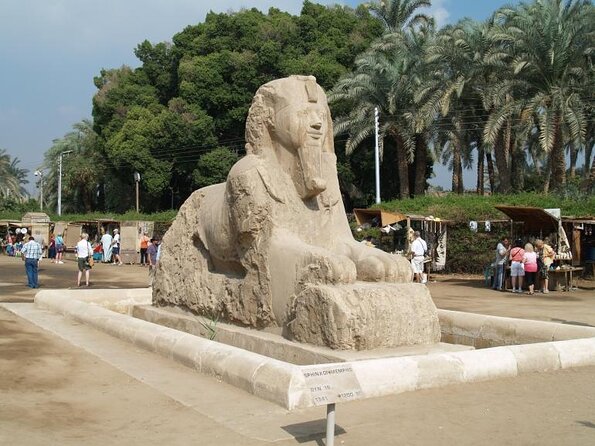
- Giza + Saqqara + Memphis in one sweep: less log-jam time between sites
- Djoser’s step pyramid: the early, rock-cut story behind pyramid history
- Memphis and Ptah: you’ll move from royal monuments to a living cult center for Ptah
- Lunch and bottled water included: small comfort that helps you stay sharp
Cairo-to-Giza Hotel Pickup: How the day actually starts
This is built as a long, satisfying circuit, so the morning setup matters. Your day begins with hotel pickup and drop-off, plus bottled mineral water to get you through the first stretch. With Cairo traffic, the advantage of a private vehicle is that you’re not stuck negotiating where other groups should wait.
The tour runs about 8 to 9 hours, with time budgeted for real viewing at each site: 3 hours at Giza, 2 hours at Saqqara, and 2 hours for Memphis (the schedule groups it as Memphis and Saqqara). That’s enough time to walk at a sensible pace and still have moments to just look without feeling rushed.
If you’re pairing this day with other Cairo plans (museums, Old Cairo, dinner bookings), I suggest you keep the rest of the itinerary flexible. A full-day pyramid run can leave you tired, even when the sights are amazing.
You can also read our reviews of more tours and experiences in Cairo.


Pyramids of Giza: Cheops, Chephren, Menkaure, and the Sphinx
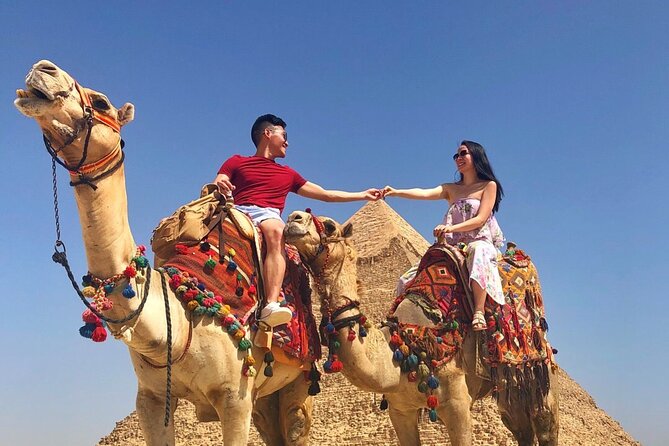
At Giza, you’re not just seeing one pyramid. You’re seeing a whole pyramid neighborhood on the Giza Plateau—and the order of what you notice matters.
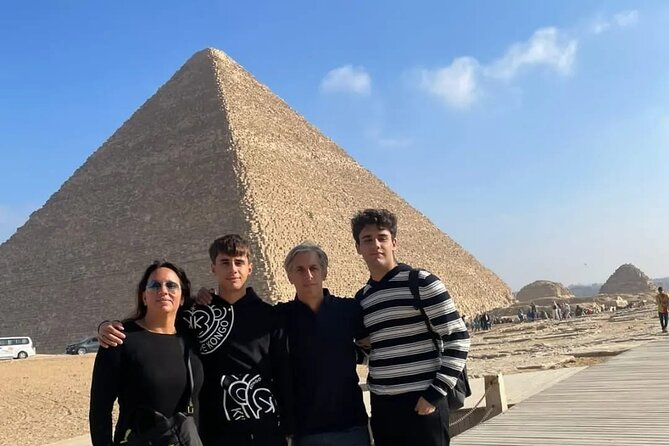
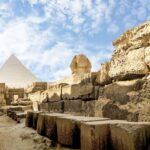
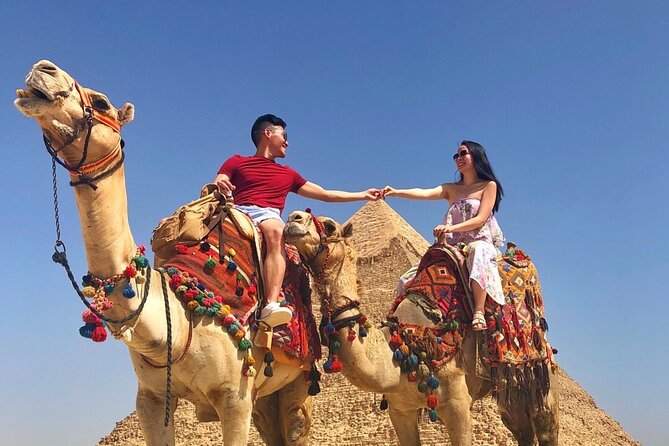
You’ll visit the three major pyramids of Kings Cheops, Chephren, and Menkaure. The Great Pyramid of Cheops is a big deal historically because it’s the only wonder of the ancient world still standing, and it dates roughly 2,000 years earlier than the rest on that famous list. That kind of context helps you realize you’re not looking at one artifact—you’re looking at an entire era’s ambition.
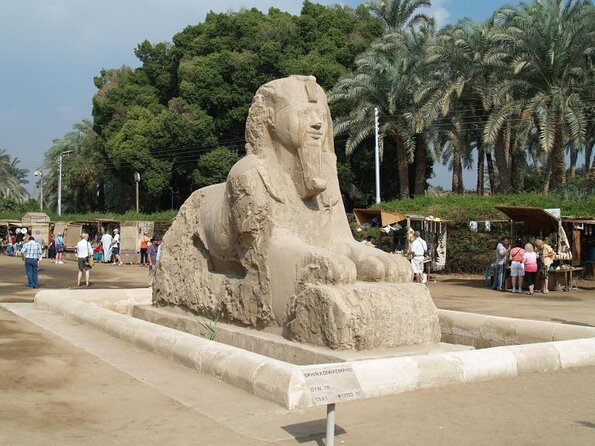
Then there’s the Great Sphinx, the rock-cut statue guarding the area. The guide’s role is huge here. Without interpretation, it’s easy to treat the Sphinx as just a dramatic background for photos. With an Egyptologist, you can learn how it fits into the wider Giza landscape and why it’s such a visual anchor.
Practical tip: plan for the reality of crowds and vendors at Giza. One of the best benefits of having a private guide is that you can keep moving at a comfortable pace and focus on the stone rather than the sales pitch. I’ve also seen guides named Nur/Nour in feedback for this kind of tour, and when that happens, you get real help making sense of what you’re seeing—especially early on while you’re still taking in the layout.
A small consideration: admission tickets aren’t included. So even if the guide sets everything up, you’ll still need to pay entrance fees at the sites.
Great Pyramids at street-level: What to do with your time
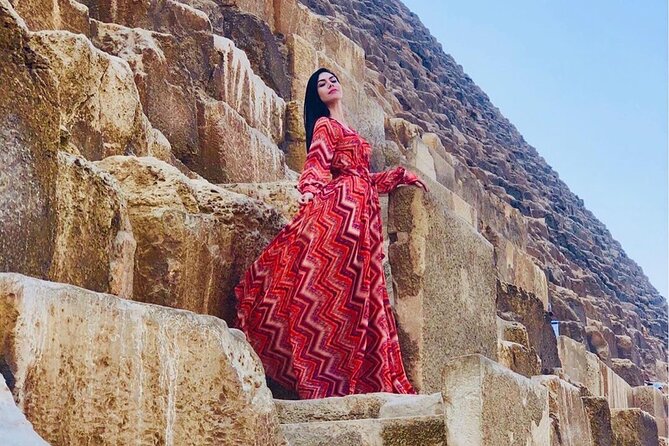
Giza can feel like a blur if you try to do everything at once. The sweet spot is to give each pyramid a different kind of attention.
Here’s a way to experience it without burning out:
- Start by finding your bearings: once you understand the placement of Cheops, Chephren, and Menkaure relative to the Sphinx, the rest of the site clicks.
- Spend time with the surfaces. Even if you can’t get close for every angle, the scale and the texture are what make these feel real.
- Take one quiet moment for the Sphinx. Don’t rush past it.
The guide’s explanations are what turn those steps into something more meaningful. The Great Pyramid’s unmatched survival isn’t just trivia—it’s a clue to how monumental and durable the engineering was. And at the Sphinx, you want your guide to help you connect symbolism to geography, not just describe a landmark.
Saqqara and the Step Pyramid of Djoser: Egypt’s early pyramid breakthrough
After Giza, you’ll head to Saqqara (Sakkara), home to one of the most important transition points in pyramid history.
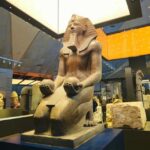
The star here is the Complex of Saqqara, associated with King Zoser and his step pyramid. This step pyramid is considered the first pyramid in Egypt and also the first rock-cut building in the history. That’s a rare combo: you get both a key invention (pyramid form) and a key construction approach (cut into rock) in one place.
What makes Saqqara worth your time is that it doesn’t feel like a single postcard image. It’s a complex area, and it helps you understand that Egyptian monument-building evolved. You go from the polished certainty of the later pyramids back to the early experimental stage, and you can feel the shift in design thinking.
The schedule gives you about 2 hours at Saqqara. That’s enough to see the big idea without treating it like a sprint. If you love early archaeology and building history, you’ll likely want extra minutes just to slow down and process how the step pyramid represents a major leap.
Again, entrance fees aren’t included, so build that cost into your budget ahead of time.
Memphis: the ancient capital’s link to Ptah

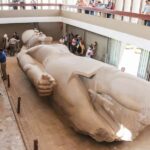
Next is Memphis, one of Egypt’s ancient capitals, active until around 2200 BC. This stop gives your day a different flavor: less focus on pyramid geometry and more on how Egyptians organized religious and cultural life.
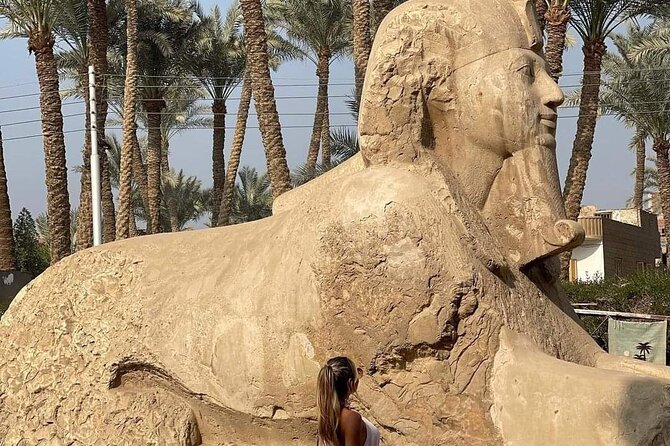
Memphis was a cult center for the god Ptah, connected with creation and artworks. The tour includes time to explore the many temples and monuments dedicated to Ptah.
Why this matters: after Giza and Saqqara, it’s easy to think ancient Egypt was only about royal tombs and dramatic royal architecture. Memphis helps correct that. You see the broader picture—how belief and craft were woven into the city’s identity.
You’ll get about 2 hours here as part of the Memphis and Saqqara stop block. If you’re the type who likes to read landscapes like a story, ask your Egyptologist to connect what you just learned about pyramid origins to what you’re seeing in Memphis: different building purposes, different kinds of power, and a different relationship to the divine.
As with the other sites, plan on paying entrance fees on the day.
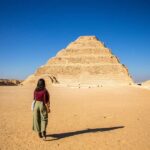



Price and logistics: Is $100 actually good value?
This tour lists at $100 and includes a lot of the expensive part of a day in Cairo: an Egyptologist guide, an air-conditioned private vehicle, pickup/drop-off, bottled water, and lunch.
If you’re doing all four big sites yourself, you’ll likely spend time and money coordinating transport, and you’ll lose the interpretive layer that makes Giza, Saqqara, and Memphis more than photo stops. So the value here is not just the itinerary—it’s the way the day is packaged so you don’t burn energy on logistics.
Two budgeting realities:
- Entrance fees are not included. You should plan to pay at the sites. In at least one set of notes, the total for entries was described as around 1500 EGP (about $80) for getting access to the needed spots. Your actual total can vary based on ticket choices, what you decide to include, and how the site charges work that day.
- Tipping isn’t included. If you do appreciate the guide’s work (and you likely will), set aside some cash for tips.
Timing matters too. Private tours are great—until pickup timing slips. My advice: confirm your pickup details in writing the day before, and have a reliable contact method ready. Don’t assume Cairo will magically run on schedule.
What you’ll get from an Egyptologist guide (and what to ask)
The biggest payoff of this tour is the guided interpretation across three different monument types: pyramid complexes, a revolutionary early form, and a major religious/civic center.
To make that payoff real, ask simple, direct questions like:
- What makes the step pyramid at Saqqara such a breakthrough?
- How should I compare Giza’s pyramid forms to what came before?
- At Memphis, what does Ptah represent in the life of the city?
If you’re lucky and your guide is someone like Nur/Nour, there’s a good chance you’ll get clear, confident explanations and help managing the site experience so you can enjoy what’s in front of you—not just move through it.
Best fit: who this tour suits
This is a strong choice if you want:
- A single-day Cairo plan that hits Giza + Saqqara + Memphis
- A private setup (not a crowded bus ride)
- A guide-led experience that connects names, places, and meaning
It’s also a good fit if you’re the kind of traveler who likes seeing how one idea evolves. Pyramid building doesn’t happen in a vacuum, and Saqqara sets up a great contrast.
If you’re short on time in Cairo and you don’t want to gamble on finding transport and entry logistics alone, this tour’s structure is exactly what you want.
Quick booking decision: Should you book this tour?
I’d book this tour if you want a guided, private pyramids-and-cities day that stays efficient and includes lunch and transfers. The value is strongest when you treat the price as covering the guide, transport, and time savings—and you budget separately for entrance fees.
I would think twice only if you’re the type who can’t handle pickup timing risk, or if you’re counting on a specific language. Since Egyptologist guidance can vary by guide and language, confirm your preferred language before you go.
If you do book, go in with two plans: one for comfort (water, shoes for walking, sun protection) and one for budgeting (tickets + tip). Do that, and you’ll leave with a much clearer picture of how ancient Egypt moved from innovation at Saqqara to the iconic monument culture of Giza, and then on to the religious heartbeat of Memphis.
FAQ
How long is the tour?
It runs about 8 to 9 hours.
Is pickup and drop-off included?
Yes. The tour includes hotel pickup and drop-off services.
Are entrance fees included?
No. Admission tickets/entrance fees are not included.
What’s included for food and drinks?
Lunch is included, and you also get bottled mineral water.
Is this a private tour?
Yes. It’s described as a private tour/activity, and only your group participates.
What sites are included in the day?
You’ll visit Pyramids of Giza (Cheops, Chephren, Menkaure) and the Great Sphinx, Saqqara with the step pyramid of Djoser, and Memphis.
What happens if weather is poor?
The experience requires good weather. If it’s canceled due to poor weather, you’ll be offered a different date or a full refund.