REVIEW · HURGHADA
Overnight Trip to Luxor Highlights from Hurghada
Book on Viator →Operated by Egypt Tours Portal · Bookable on Viator
Luxor hits early and stays late. This overnight trip from Hurghada strings together the big name sites—Karnak and the Valley of the Kings—with an Egyptologist guide so you’re not just staring at walls. You get temple time in the day, then a night program when the stones get to talk in sound and light.
What I like most is the shape of the itinerary: Karnak + Luxor back-to-back so you understand how the ancient Egyptians built and reused sacred space, then the West Bank the next day so you’re dealing with royal tomb logic, not city life. The second thing I like is how the tour puts an Egyptologist next to you during the sites where the details matter. Without that human guide, so much at Luxor becomes one more impressive pile of ancient rock.
One thing to consider: the night components can be the most schedule-sensitive part. The tour description includes a Nile cruise/river-island dinner and a sound-and-light show, but I’ve seen situations where parts of that nighttime package don’t match what you expected to receive. If those elements matter to you, confirm the plan before you go.
In This Review
- Key points to know before you go
- How the Hurghada-to-Luxor overnight timeline really feels
- Entering Karnak Temple like you know what you’re seeing
- Luxor Temple and the Opet festival ritual center
- Colossi of Memnon: the quick stop that leaves a big impression
- Nile cruise, island dinner, and the night sound-and-light show
- Valley of the Kings: choosing your tomb time well
- Deir el Bahari and Hatshepsut’s Temple on the West Bank
- Guide and driver: where the experience rises or falls
- Meals, tickets, and what’s actually included in the $428.58 price
- Who this Luxor highlights overnight is best for
- Should you book this Luxor highlights overnight from Hurghada?
- FAQ
- How long is the overnight trip to Luxor from Hurghada?
- What time is pickup from Hurghada?
- Are breakfast and lunch included?
- Which entrance fees are not included?
- Is there a limit on group size?
- Do children get a discounted rate?
Key points to know before you go
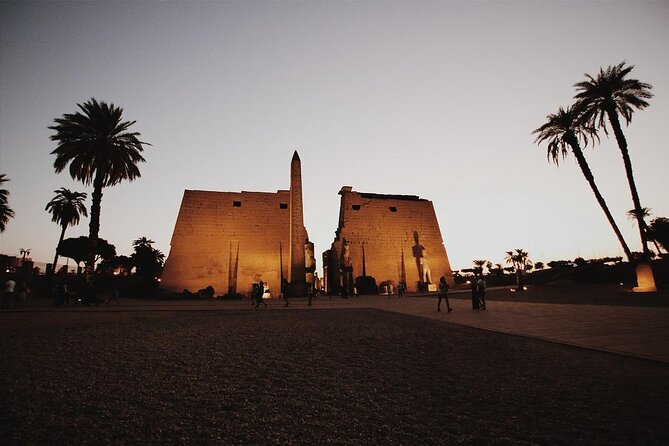
- Early start, but smart pacing: You leave around 3:00 am for a two-day hit of Luxor’s top sites.
- Daytime Karnak and Luxor Temple: You get real guided time at both complexes.
- West Bank focus: You spend the next day on the Valley of the Kings and Deir el Bahari (Hatshepsut).
- Memnon is short and sweet: The Colossi of Memnon stop is quick, but it’s visually powerful.
- Night program is the wildcard: Sound-and-light and Nile/island time are part of the concept, so verify your schedule.
- Some tomb tickets cost extra: Tutankhamun and a few other specific tomb entrances aren’t included.
How the Hurghada-to-Luxor overnight timeline really feels
This tour is built for maximum ancient highlights with minimal wasting time. Pickup starts at 3:00 am, and you can also choose a morning or afternoon departure option (the tour is marketed with both choices). Either way, you’re traveling on Egypt’s clock, not your hotel’s clock.
The upside of the early departure is simple: you reach Luxor when the sites are less chaotic. The downside is also simple: you’ll want the right attitude. This isn’t a slow sightseeing day where you sleep in and stroll when you feel like it. It’s a structured two-day route that asks for a little stamina, especially if you’re coming from a beach resort routine.
The tour also caps at up to 20 travelers, and it includes pickup and drop-off by a modern air-conditioned vehicle. That “get on, get guided, get dropped back” structure is a big part of the value for people staying in Hurghada who don’t want to figure out drivers, tickets, and timing on their own.
You can also read our reviews of more tours and experiences in Hurghada.


Entering Karnak Temple like you know what you’re seeing
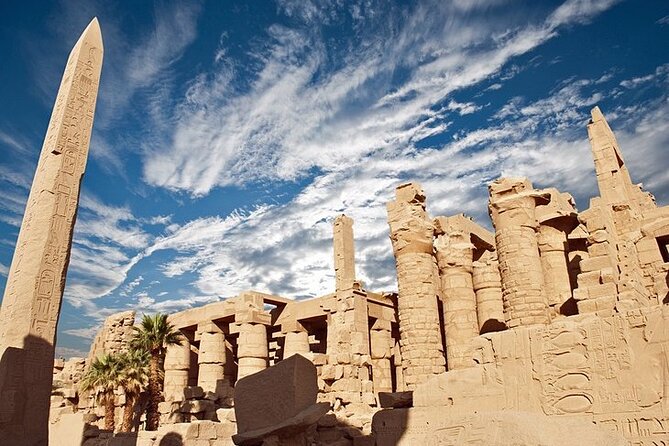
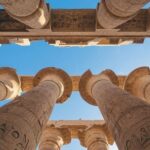
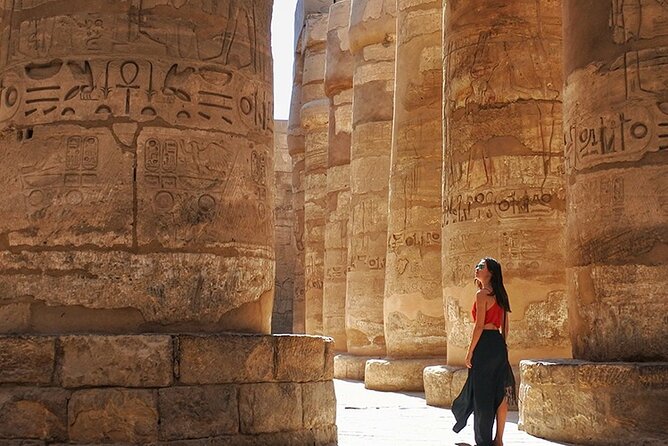
At Karnak, the scale does the talking first. This is described as the largest temple complex ever built by man, stretching across 247 acres. Even if you’ve seen photos, nothing prepares you for the way Karnak keeps going—different sacred spaces, repeated building phases, and a layout that feels like a timeline made of stone.
You get about 2 hours here, with an admission ticket included. That time window is important. Karnak can swallow a whole day if you wander without a plan. With guided pacing, you spend your energy on the parts that help you understand how ancient rulers used temples—not just the Instagram angles.
Practical tip: wear shoes you can walk in comfortably and keep water handy. The complex may be ancient, but your comfort is modern. Also, expect some stairs and uneven ground. If your knees aren’t thrilled, keep your pace steady and ask your guide to point out what to prioritize.
Why it’s worth the effort: Karnak isn’t one monument. It’s a system—built and expanded over generations. When you leave, you’ll understand why the next stop (Luxor Temple) feels connected rather than separate.
Luxor Temple and the Opet festival ritual center
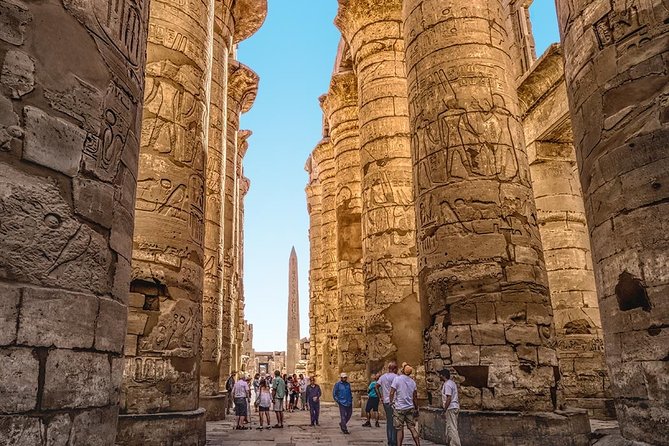
Next comes Luxor Temple, and it’s a key piece of why this itinerary works. Karnak is vast and layered; Luxor Temple is tied to specific religious purposes. Here, the site is described as the center of the Festival of Opet, with rituals meant to reconcile the ruler’s human role with the divine office.
You get about 2 hours at Luxor Temple too, and the admission is included. This isn’t just “another temple.” With an Egyptologist, you start connecting the dots: temples weren’t only places for worship—they were machines for ceremony and authority.
A nice touch is that the day sequence matters. With Karnak first, Luxor Temple lands with more meaning. You’re not switching from one random highlight to another. You’re watching the logic of how power and religion were staged for the public.
If you like your sightseeing with context—naming themes, explaining why certain areas mattered—this is the stop where you’ll feel that benefit most. If you just want the prettiest photos fast, it can still be satisfying, but the value comes from understanding what’s happening in the story.
Colossi of Memnon: the quick stop that leaves a big impression
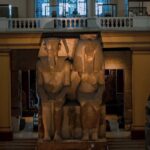
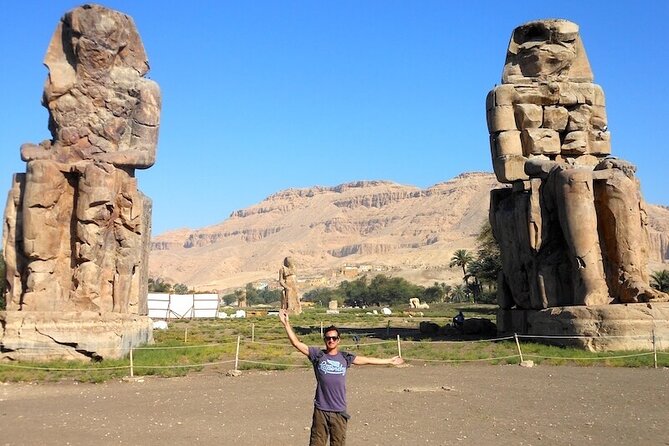
Then you move to the Colossi of Memnon. You don’t spend long here—only about 15 minutes—but the stop is described as remnants of a complete mortuary temple, now mostly destroyed except for the statues.
That’s exactly why the stop works. You’re getting a “thumbnail of a much larger idea.” The statues are famous for a reason: they represent what used to be an entire complex tied to royal burial and remembrance, even though most of the original structure is gone.
Because it’s short, you can treat it like a palate cleanser between major temples. It also helps keep Day 1 from turning into a marathon. If you’re worried about fatigue, this quick stop is a relief rather than a disappointment.
If you’re the kind of traveler who loves architecture, this might feel too brief—because it is brief. But if your goal is to see more of Luxor in limited time, this compact stop is a smart use of the schedule.
Nile cruise, island dinner, and the night sound-and-light show
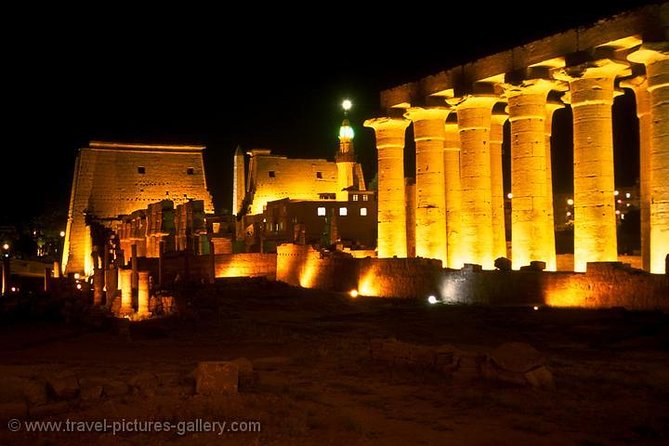
Here’s where Luxor gets theatrical. The tour concept includes a Nile cruise, a chance to dine on a river island, and a night sound-and-light show focused on the temples of Karnak and Luxor.
This is the kind of add-on that can change the whole vibe of your trip. Daytime temple walking can feel hot and dusty; night sound-and-light flips the tone. It’s less about learning every inscription and more about the feeling of scale and ceremony.
But I want you to go in with eyes open. One of the most important considerations for this tour is that nighttime extras can be schedule-sensitive. If the Nile cruise, island dinner, or the sound-and-light portion is a must-have for you, ask your operator to confirm exactly what’s included in your departure date and what the timing looks like.
Even with that caution, the idea is strong. When it works, the night program turns the “I saw temples” day into something you remember as an event.


Valley of the Kings: choosing your tomb time well
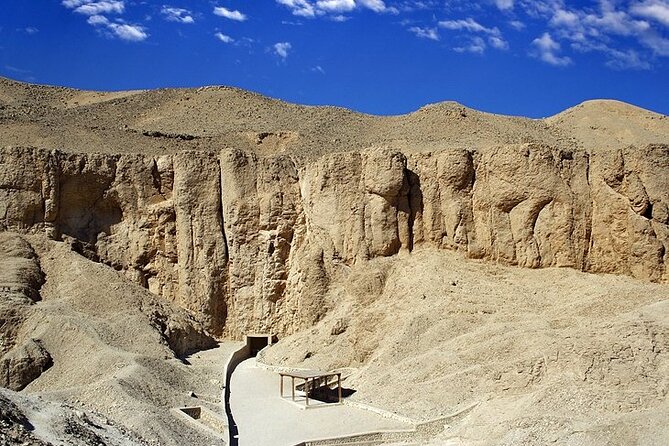
Day 2 shifts to the West Bank of Luxor, and the headline stop is the Valley of the Kings. This valley is the final resting place of rulers from the 18th to 20th dynasties, and it’s packed with tombs.
You get about 2 hours here with an admission ticket included. That time can feel tight if you want to go in multiple tombs, because tomb interiors can be slower than looking from the outside. The trade-off is worth it: you’ll see the core site without losing the rest of the program.
Important detail: some specific tomb entrances are not included. Entrance fees to Tutankhamun’s tomb, Ramsis VI, and Seti I are listed as not included. Translation for you: if those tombs are on your personal must-see list, budget for extra tickets. Don’t assume every tomb is covered just because the valley entry is included.
My practical advice: decide in advance what you care about most. Pick one tomb to focus on deeply rather than trying to do everything quickly. When you do that, you’ll actually leave feeling you understood what you saw, not just that you walked through a lot of doorways.
Deir el Bahari and Hatshepsut’s Temple on the West Bank
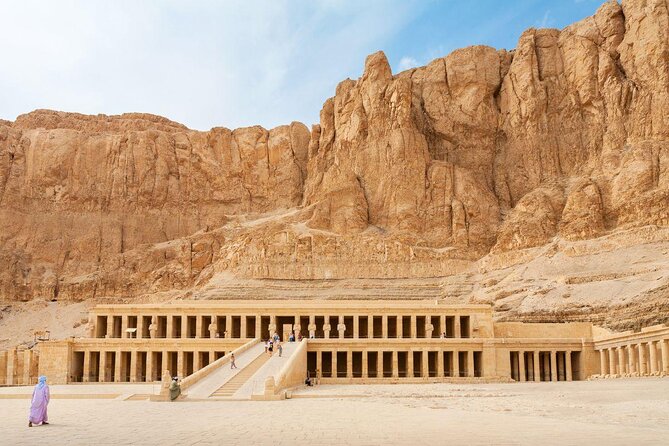
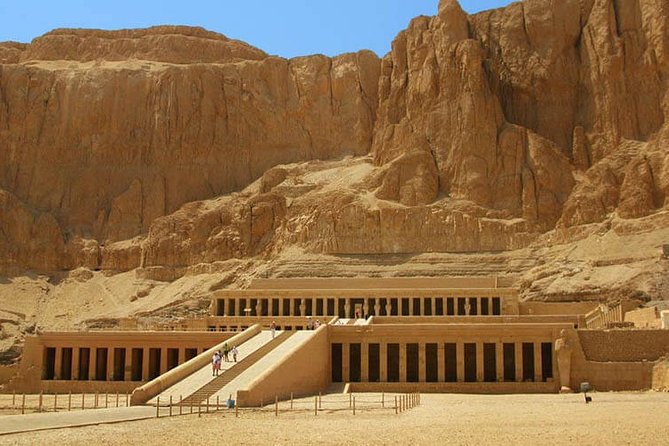
After the Valley of the Kings, you’ll visit the Temple of Hatshepsut at Deir el Bahari. This stop is about 1 hour, with admission included, and it’s positioned as one of the best-preserved examples of its kind.
Hatshepsut is described as the queen who would be king—loved by her people but surrounded by controversy. That context matters here. This temple isn’t just a beautiful building. It’s a statement in architecture about legitimacy, power, and how a ruler wanted to be remembered.
One of the best reasons to include this stop on an overnight is preservation. If you’re only seeing temples from the outside, West Bank sites can feel distant. But Hatshepsut’s temple gives you a clearer sense of what the original space was meant to convey.
Tip: take a few minutes to slow down and look at the temple’s layout from different angles. Even if the tour moves at a guided pace, you can still notice how the setting works with the structure. It helps you connect “why it’s built here” with “why it still looks dramatic.”
Guide and driver: where the experience rises or falls
The difference between a good Luxor trip and a great one is often the humans doing the explaining and the driving. This tour includes a qualified Egyptologist guide, plus all transfers by a modern air-conditioned vehicle.
In one example from a recent group experience, the driver was named Mohammed, and he was praised for handling the road hazards on the stretch between Qena and Luxor. That matters more than it sounds. On an overnight route, safe, confident driving keeps you calm enough to enjoy the sights instead of mentally fighting the journey.
That same experience highlighted an Egyptologist guide named Abdul, who gave lots of information during the tour. When you have a guide like that, you’re not just touring. You’re getting the context that makes Karnak’s scale and the Valley of the Kings’ purpose click together.
What this means for you: if you want more than photo stops, prioritize tours that clearly include a guide for every major site. This one does.
Meals, tickets, and what’s actually included in the $428.58 price
The price is $428.58 per person for an approximate 2-day trip. On paper, it sounds like a lot. In practice, it can be good value if you factor in what’s bundled: pickup and return, a qualified Egyptologist guide, air-conditioned transfers, breakfast, and lunch twice. Service charges and taxes are included too.
Also, key admissions are included, like entrance tickets for Karnak, Luxor Temple, and the Valley of the Kings and Hatshepsut. Still, not every tomb entrance is covered, and you’ll see the list of exceptions for Tutankhamun’s tomb, Ramsis VI, and Seti I.
Where the “value” really shows: you’re paying for time management. Luxor is not close to Hurghada in a casual way. This setup saves you from researching transport and ticket timing, and it compresses the best sites into one guided package.
One more practical note: the tour uses a mobile ticket, and you’ll need a current valid passport on the day of travel. Pack light, keep your documents organized, and you’ll avoid the classic last-minute scramble.
Who this Luxor highlights overnight is best for
This is ideal if you want a structured Luxor experience with a guide and you’re starting from Hurghada. It’s also a good fit if you like your sightseeing with explanation—temples have so much symbolism and timeline-building that an Egyptologist is the difference between seeing and understanding.
It’s less ideal if you hate early mornings and want maximum free time. The start time is 3:00 am, and the schedule is built for efficiency, not wandering.
Because the group limit is up to 20 travelers, it should feel manageable rather than chaotic. Still, it’s a guided group style day. If you want total control over pace and you prefer solo planning, you might feel constrained.
Accessibility-wise, the information says most travelers can participate. That’s encouraging, but Egypt’s sites can still involve uneven surfaces and walking. Wear supportive shoes and plan for some standing.
Should you book this Luxor highlights overnight from Hurghada?
I’d book it if your goal is simple: see the core Luxor highlights in one efficient two-day trip, with Karnak, Luxor Temple, the Valley of the Kings, and Hatshepsut all guided, plus a chance at a night sound-and-light show. At this price, the bundled guide time and transfers are where the value lives.
I’d also book it with one condition: verify the exact nighttime inclusions for your departure date—especially anything involving the Nile cruise/river-island dinner. If those are important to you, a quick confirmation can prevent disappointment.
If you’re flexible, want context, and can handle an early pickup, this is a strong way to turn a Hurghada stay into a meaningful Luxor visit without turning it into logistics homework.
FAQ
How long is the overnight trip to Luxor from Hurghada?
The tour is listed as about 2 days.
What time is pickup from Hurghada?
The start time is listed as 3:00 am, and there’s also an option for morning or afternoon departure.
Are breakfast and lunch included?
Yes. The trip includes breakfast and lunch twice during the two days.
Which entrance fees are not included?
Entrance fees for Tutankhamun’s tomb, Ramsis VI, and Seti I are listed as not included.
Is there a limit on group size?
Yes. The maximum group size is 20 travelers.
Do children get a discounted rate?
Yes, but the child rate applies only when sharing with 2 paying adults.