REVIEW · ASWAN
One Package Abu Simbel Temples with Philae Temple and High Dam From Aswan
Book on Viator →Operated by Egypt Lifetime Tours · Bookable on Viator
Abu Simbel starts before sunrise. I really like the door-to-door A.C. pickup at 4 to 4:30 am and the fact that you get a professional Egyptologist guide who sets the stage before you reach the temples. This is one of those rare long-day tours where the logistics match the history: you’re moving early so you can see the temples at the right time.
One key consideration: entrance fees are not included, and the Philae motorboat is also extra, so plan for some on-the-spot spending by card.
In This Review
- Highlights You’ll Feel Immediately
- Why This Abu Simbel + Philae + High Dam Day Trip Works
- Price and What You Actually Get for $180
- The 4:00–4:30 am Start: The Real Price of Admission
- Stop 1: Aswan Departure and the Desert Sunrise Run
- Stop 2: Abu Simbel Temple Complex and the UNESCO Relocation Story
- What your Egyptologist will help you understand
- Temple access rules (and why the briefing matters)
- The setting you’ll actually see
- Return Drive and Lunch Break Back in Aswan
- Stop 4: Philae Temple by Motorboat (and Why the Relocation Story Hits)
- Stop 5: Aswan High Dam and the Nile-to-Power Connection
- Included vs Not Included: The Money Math You Should Do First
- What This Tour Feels Like Day-of (So You Can Prep Better)
- Who This Tour Is Best For
- Guide Quality Matters Here (Ask About Mina)
- Practical Booking Notes You Shouldn’t Ignore
- Should You Book This Abu Simbel + Philae + High Dam Package?
- FAQ
- What time do you get picked up in Aswan?
- How long is the tour?
- Do I need to pay entrance fees?
- Is the Philae motorboat included?
- Is lunch included?
- What’s included in the price?
- Does the tour offer door-to-door transfers?
- Do you provide a mobile ticket?
- Is there an extra fee for west bank hotels in Aswan?
- Is free cancellation available?
Highlights You’ll Feel Immediately
- 4–4:30 am departure: built around hitting Abu Simbel early enough to make the day work
- UNESCO relocation explained: the guide ties the temples’ current setting to the dams and rescues
- Lake Nasser setting: Abu Simbel sits above orange desert sands by the water, not in a museum-like vacuum
- Photo-guided temple access rules: guides can’t go into parts of the Great Temple, so you learn first, then explore
- Philae by boat: a short ride adds atmosphere to the relocated island temple
- High Dam engineering stop: you see where Egypt’s electricity link connects to the Nile’s change
Why This Abu Simbel + Philae + High Dam Day Trip Works
This is a full day built around three big Aswan-area icons that most people only ever see separately. The value here is in the order and timing. You leave while the world is still quiet, you reach Abu Simbel with daylight coming in, and then you move through Aswan’s landmark afternoon stops with enough momentum to stay interested.
The best part is that you’re not just touring stone. An Egyptologist guide gives you the background that makes the temples feel less like random ruins and more like purposeful design—especially when you factor in the UNESCO relocations.
The pacing is also honest: a long drive in the morning, temple focus mid-day, then a calmer city-and-engineering sequence afterward. If you’re the type who likes being out early and doesn’t mind a packed schedule, this fits well.
You can also read our reviews of more tours and experiences in Aswan.
- 4-Days Nile Cruise From Aswan To Luxor including Abu Simbel and Hot Air Balloon
★ 5.0 · 3,142 reviews

Price and What You Actually Get for $180

At $180 per person, you’re paying for three things at once: a long-distance guided day, comfortable transport, and the kind of itinerary that’s hard to assemble yourself.
Included basics matter on a day like this:
- Pickup and return by A.C. vehicle
- A professional English-speaking Egyptologist guide
- Bottled water during the tour
- A mobile ticket
- Door-to-door service from your hotel or Nile cruise in Aswan
What’s not included is where you should budget ahead:
- Entrance fees for sightseeing
- Philae motorboat
- Tipping for guide and driver
- Lunch (optional)
For many people, the “value” question comes down to this: will you use the guide’s time effectively? With Abu Simbel, the rules inside the temples can limit what guides can do in certain rooms. That’s exactly where an expert briefing before you enter becomes worth paying for. You arrive knowing what you’re looking at, so free time feels more like discovery than guessing.
Also note the tour is described as private—your group participates—so if you’re traveling with family or friends, the comfort and planning value can feel more tangible than a loose group bus experience.
The 4:00–4:30 am Start: The Real Price of Admission
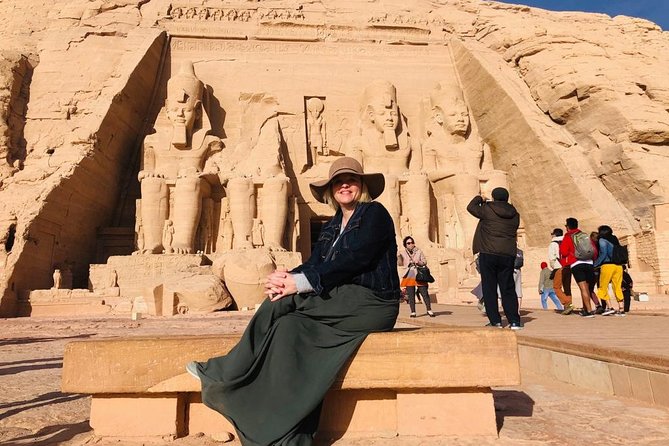
Yes, the pickup time is extreme: 4 to 4:30 am from your hotel or Nile cruise. That’s the deal with Abu Simbel. The drive is about 280 kilometers (around 3 hours) through the desert, and you’re aiming to catch sunrise over the mountains.
This tour also comes with practical prep tips:
- Ask your hotel to prepare breakfast boxes for around 4 am.
- Expect to pay attention to timing and show up ready. Late starts can throw off your whole day.
The upside of that early departure is that it shifts your mindset. You’re not wandering around in heat or fighting late-day crowds. The morning drive gives you the feeling of traveling to something special—because you are.
The main drawback is physical. It’s a long day at a very early hour. If you’re not a morning person or you hate losing sleep, you’ll feel it.
Stop 1: Aswan Departure and the Desert Sunrise Run
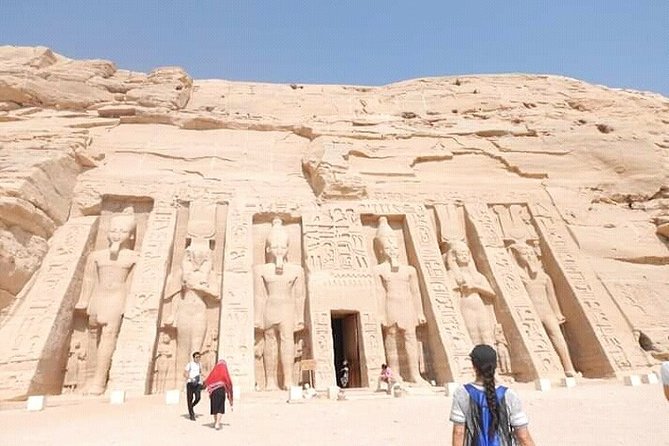
You begin in Aswan with pickup and immediate road time. The transfer is by an A.C. minivan or minibus, door-to-door, so you aren’t building extra connections on your own.
The ride to Abu Simbel is a highlight in its own way. You’re crossing desert roads, and you’re timed to watch the sunrise. That sunrise isn’t just a nice moment—it’s a visual reminder that Abu Simbel isn’t “near” by modern standards. It’s remote on purpose, which helps explain why its monuments have become such a dramatic symbol.
One more small detail that can improve your experience: if you’re the type to take photos, this early departure makes the light easier to work with. Dark sky to first color is the kind of progression you don’t get on an afternoon drive.
Stop 2: Abu Simbel Temple Complex and the UNESCO Relocation Story
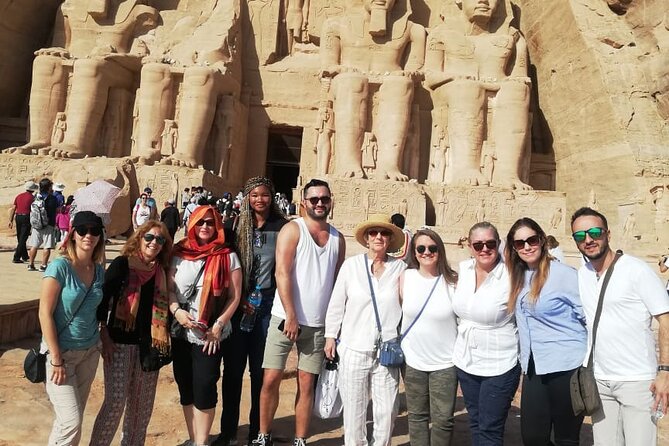
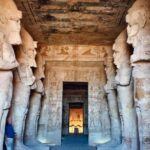
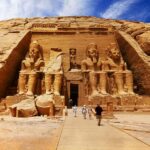
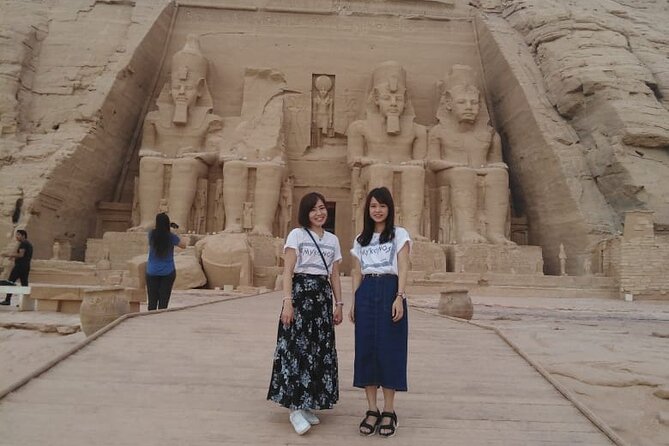
Abu Simbel is the reason this tour exists. The temple complex is treated here as more than a quick photo stop, with a guided history briefing and then time for you to explore.
- 4-Days Nile Cruise From Aswan To Luxor including Abu Simbel and Hot Air Balloon
★ 5.0 · 3,142 reviews
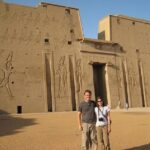

What your Egyptologist will help you understand
The guide explains the big UNESCO story first: the temples were moved to higher ground, because building the dam meant the original cliff setting would be inundated. You’ll also learn that the temples were discovered in 1813 by accident—one of those moments that makes it feel less inevitable and more like a lucky rescue of heritage.
Temple access rules (and why the briefing matters)
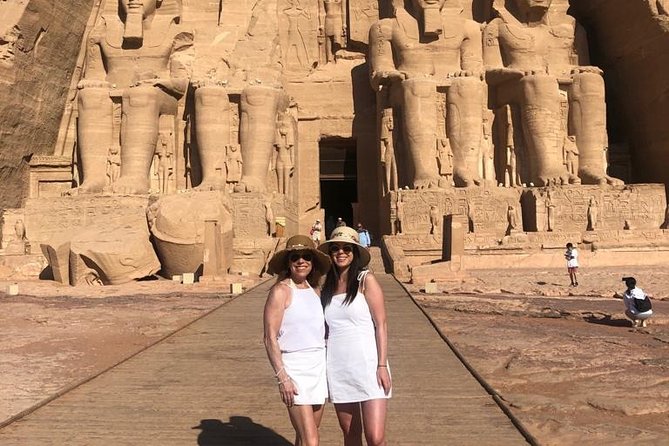
There’s an important practical limitation: because of the large number of visitors, guides aren’t permitted inside the Great Temple of Ramses II or the smaller Temple of Hathor. What that means for you is simple:
- You get explanations using photos and illustrations before entering.
- Then you go in on your own during free time.
That structure turns a restriction into a benefit. Instead of standing in the dark inside and hoping you can figure things out, you’ll recognize shapes, layouts, and key artwork before you step inside.
The setting you’ll actually see
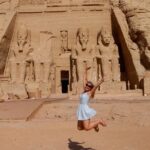
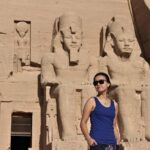
Another thing your guide will connect to the experience is location. Abu Simbel sits on the edge of Lake Nasser, in the orange sands of the desert. Even if you’ve seen plenty of photos, the real setting adds contrast: stone against desert color, and the sense that water and engineering changed the world around these temples.
Plan on around two hours here. It’s enough time for the briefing, free entry, and a calm wander—if you pace yourself and don’t try to do everything at once.
Return Drive and Lunch Break Back in Aswan
After Abu Simbel, the day turns back toward Aswan with a drive of about 3 hours. This return matters because it gives you the chance to reset before the afternoon landmarks.
Lunch is described as optional, which is normal for a day that already includes major sights. My practical take: if you have dietary needs, try to plan for lunch timing rather than assuming you’ll find the perfect sit-down spot quickly.
If you want this day to feel smooth, treat lunch like a quick recharge, not a long event. Then you’ll be ready for Philae and the High Dam without feeling rushed through both.
Stop 4: Philae Temple by Motorboat (and Why the Relocation Story Hits)
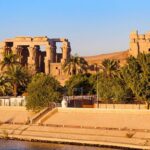
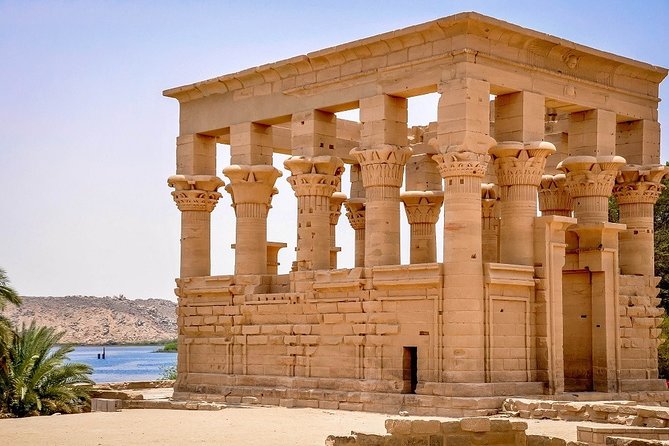
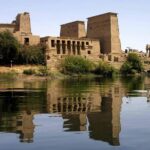
Philae is one of those places where the “how” matters as much as the “what.” You take a short motorboat ride to reach the temple. That boat segment is brief, but it changes the mood. You’re approaching an island temple, not walking straight into it from a road.
The guide connects Philae directly to the High Dam era. Like Abu Simbel, Philae was relocated by UNESCO after the dam to protect it from inundation. The island was carefully selected to match the original settings as closely as possible.
This matters because you’re not only seeing ancient architecture. You’re seeing a heritage survival plan, too. When you understand that, the temple feels more alive as a story—not just a monument.
You’ll have free time to explore. You can take your time with the surroundings and the temple approach, which is where the island setting really shows.
One caution: the motorboat is not included, so you’ll need to pay that separately.
Stop 5: Aswan High Dam and the Nile-to-Power Connection
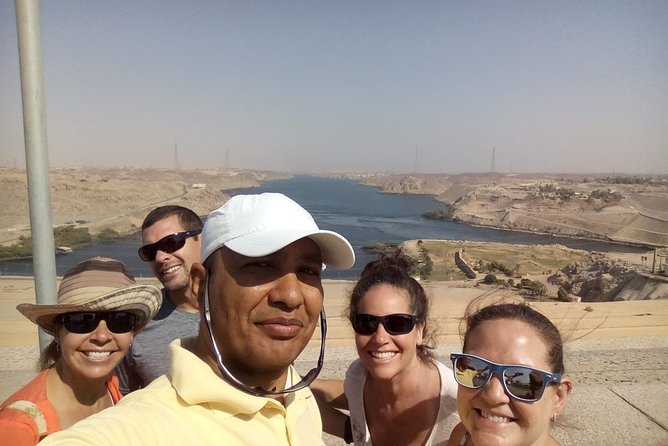
In the afternoon, you shift from temples to engineering. The Aswan High Dam stop is where the tour makes one of its most practical connections: how major changes to the Nile led to modern infrastructure and a massive new water system.
Here’s what you’ll learn during the visit:
- The dam was built in 1960
- It was designed to save Egypt from flooding of the Nile
- It created a huge reservoir called Lake Nasser
- Hydropower stations provide about 10% of Egypt’s electricity
Even if you’re not an engineering fan, it’s a strong stop because it frames the entire UNESCO relocation story. The temples weren’t moved because of a mystery. They were moved because the river’s behavior—and the region’s priorities—changed.
If you like modern-world context layered over ancient sites, this stop will give you that satisfying “why did everything change” answer.
Included vs Not Included: The Money Math You Should Do First
Before you go, do a quick mental checklist so you don’t get surprised mid-day. Based on what’s provided:
- Included: guide, A.C. pickup/drop-off, bottle of water, mobile ticket
- Not included: entrance fees, Philae motorboat, optional lunch, tipping
Also plan for payment style: you’ll need to pay entrance fees to sightseeing by card.
If you’re coming from a cruise, door-to-door pickup should simplify your day. If you’re staying on Aswan’s west bank and want pickup there, the tour notes extra cost of $15 per person.
What This Tour Feels Like Day-of (So You Can Prep Better)
This is a “morning is the heavy lift, afternoon is the reward” kind of day.
The morning:
- You leave in darkness.
- You drive far.
- You aim for sunrise.
- You get a guided context lesson and then time at Abu Simbel.
The afternoon:
- You return to Aswan.
- You pause for lunch if you want.
- You visit Philae (boat + free exploration).
- You see the High Dam and its power role.
- You end back at your hotel or Nile cruise.
This pattern is efficient. It also means you should pack like a morning person and a long-haul traveler:
- Start with breakfast boxes at 4 am if your hotel can do it.
- Bring what you need for early and sunny conditions (comfort matters more than style).
- Keep an eye on your own timing for entrances and boat departure since parts are on free time.
Who This Tour Is Best For
This tour fits best if you:
- Want to see Abu Simbel and you understand it means a very early start
- Like a guided explanation that prepares you for what you’ll see inside
- Prefer door-to-door transport so you don’t manage transfers yourself
- Are comfortable paying separate entrance fees and the motorboat
It’s also a solid option for couples and small groups because the tour description says only your group participates. That usually means less chaos and more control over your pace.
If you hate long days, or you know you’ll be miserable without a full morning of rest, you may find the schedule tough.
Guide Quality Matters Here (Ask About Mina)
The tour’s reviews highlight strong communication and an Egyptologist who can keep the day entertaining while still giving accurate explanations. One guide name that comes up in positive feedback is Mina, praised for knowledgeable and engaging guiding style, plus smooth communication for pickup and drop-off.
Even if your assigned guide ends up being someone else, you can use Mina’s example as a benchmark: you want a guide who explains the UNESCO relocation clearly, handles Abu Simbel’s access limitations well, and keeps you oriented during long travel time.
Practical Booking Notes You Shouldn’t Ignore
A few details can make the day go smoother:
- You need to provide a passport copy after booking for government permission.
- Confirmation is received at booking time.
- Other languages may be available for an extra charge.
- The tour requires good weather.
Also, the start time is early enough that you’ll want to set expectations with your hotel staff. Ask for breakfast boxes in advance, because you’ll be leaving before normal breakfast hours.
Should You Book This Abu Simbel + Philae + High Dam Package?
If you want a single day that checks off Abu Simbel plus Philae plus the High Dam with real interpretation, I think this is a smart booking. It’s structured well: sunrise timing for Abu Simbel, a guided briefing that helps you understand temple design despite access rules, then Philae’s boat approach and a High Dam stop that explains why the UNESCO relocations had to happen.
But don’t treat it like an easy day trip. The early pickup is real, and you should plan around entrance fees and the Philae motorboat.
My simple recommendation: book it if you’re excited about Abu Simbel and you can handle a very early start. If you’re sleeping late by nature, consider whether a more relaxed schedule matters more than ticking off three major stops.
FAQ
What time do you get picked up in Aswan?
Pickup is from your hotel or Nile cruise in Aswan between 4:00 and 4:30 am.
How long is the tour?
The duration is about 13 hours.
Do I need to pay entrance fees?
Yes. Entrance fees to the sightseeing are not included, and you’ll pay them by card.
Is the Philae motorboat included?
No. The motorboat to Philae temple is not included.
Is lunch included?
Lunch is optional, not included in the tour.
What’s included in the price?
The tour includes pickup and return by an A.C. vehicle, a professional English-speaking Egyptologist guide, and a bottle of water during the tour.
Does the tour offer door-to-door transfers?
Yes, it includes pickup from your hotel or Nile cruise in Aswan and returns you to your accommodation.
Do you provide a mobile ticket?
Yes, mobile ticket is listed as one of the features.
Is there an extra fee for west bank hotels in Aswan?
Yes. Pickup from Aswan west bank hotels is available for an extra $15 USD per person.
Is free cancellation available?
Yes. You can cancel for a full refund up to 24 hours before the experience’s start time.
You Might Also Enjoy


More Tour Reviews in Aswan
- 4-Days Nile Cruise From Aswan To Luxor including Abu Simbel and Hot Air Balloon
★ 5.0 · 3,142 reviews