REVIEW · CAIRO
Market&Cook&Eat with Egyptian Family
Book on Viator →Operated by Roza&Moha · Bookable on Viator
Cairo can feel loud and overwhelming. This small-group cooking class turns the dial way down by putting you in a real family kitchen in El Maadi. You learn Egyptian food step by step, including a traditional welcoming drink, then sit down together for lunch. I like the focus on practical technique, and I really like that you can be hands-on or watch from a bar table.
The one thing to plan for: this is not in a top-tourist zone. The meeting point is near a local pharmacy in El Maadi, so you’ll likely use a short taxi or rideshare to get there comfortably.
In This Review
- Key highlights to know before you go
- Why A Cairo Family Kitchen Beats Another Souvenir Lunch
- Meeting in El Maadi: Finding Roza and Moha’s Home
- Market Time or Skip It: Shopping for Everyday Egyptian Ingredients
- The Welcoming Drink Lesson and How Spices Get Their Personality
- Hands-On Cooking vs Watching from the Bar Table
- Lunch at the Dining Table and Taking Recipes Home
- Price and Logistics: Is $35 Good Value?
- Who This Cairo Cooking Class Fits Best
- Should You Book Market&Cook&Eat with an Egyptian Family?
- FAQ
- How long is the cooking experience in Cairo?
- Is lunch included, and what else is provided?
- Do I have to cook, or can I watch?
- Is market shopping part of the experience?
- Where do we meet, and how does pickup work?
- What is the cancellation policy?
Key highlights to know before you go
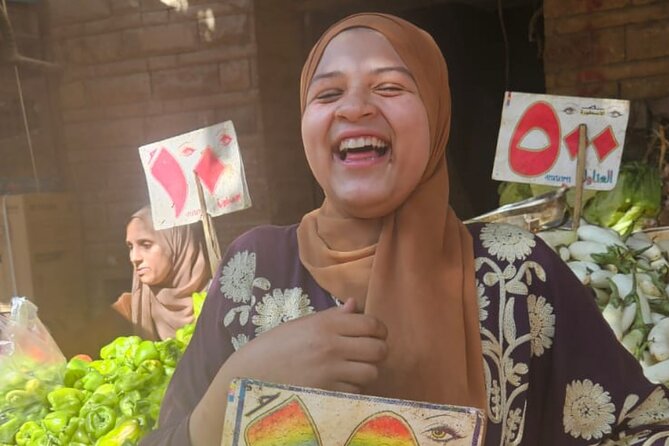
- Roza and Moha’s home kitchen in El Maadi gives you that real neighborhood feel instead of a staged demo
- Optional market shopping helps you connect ingredients to what you’ll actually cook
- A welcoming drink lesson kicks things off with Egyptian hospitality, not just recipes
- Small group size (max 9) keeps the teaching personal
- You get written recipes to take home, so you can repeat the dishes later
Why A Cairo Family Kitchen Beats Another Souvenir Lunch
If you want Cairo food that tastes like Cairo, this is the kind of experience that makes a difference. Instead of chasing a checklist of landmarks, you spend three hours learning how Egyptian cooking feels in the hands: timing, how spices are used, and how herbs are chosen. That matters because Egyptian flavors often come from small choices, not complicated steps.
You also get a social rhythm that restaurants just can’t copy. You’re in someone’s home, cooking together, then sharing the finished meal at the dining table. From what I’ve gathered, the biggest wins here are the warmth of the hosts and the straightforward teaching style—people come away feeling like they were invited, not processed.
The class is also built for flexibility. You can cook hands-on, or sit and watch from the bar area while you learn visually. That makes it easier if you’re traveling solo, a little shy about cooking, or just curious.
A few more Cairo tours and experiences worth a look

Meeting in El Maadi: Finding Roza and Moha’s Home
The meeting point is right by El Maadi El Gadida Pharmacy (listed as X7C9+57F, Izbat Fahmi, Al Basatin, Cairo). Ending is back at the same meeting point, so you don’t need to solve the “where do we go after” problem.
Pickup is offered, but private transportation isn’t included. Translation: don’t count on being picked up by default; confirm what’s arranged for your booking. Also, you should expect the area to feel residential and local. One review-style note that’s consistent in the feedback: the location is easiest if you’re comfortable with a cheap rideshare.
Good news: the activity is near public transportation, and service animals are allowed. You’ll also receive confirmation at booking, and you use a mobile ticket.
Market Time or Skip It: Shopping for Everyday Egyptian Ingredients
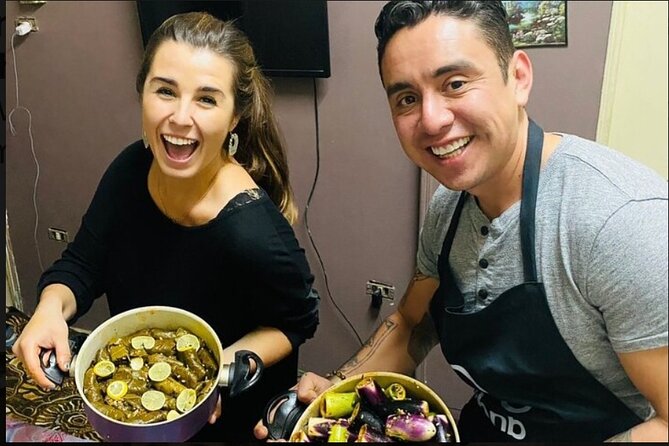
One of the best parts of this style of class is the ingredient context. You go together to buy supplies from the local market, but it’s labeled as optional. If you do the market portion, you’re not just buying food—you’re learning what people actually pick in everyday life.
This matters in Egyptian cooking because ingredients are part of the flavor system. The vegetables, herbs, spices, and even the way things look and smell can change the final dish. Seeing the selection up close helps you understand why a recipe calls for one herb over another, or why a spice mix is built the way it is.
Practical tip: if you care about the market segment, tell the provider in advance. If you skip it, you’ll still cook and eat, but you’ll miss the quick lesson that turns groceries into understanding.
The Welcoming Drink Lesson and How Spices Get Their Personality
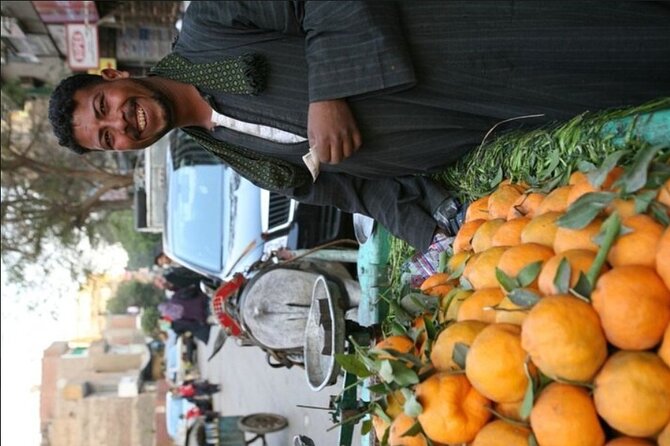
The cooking experience starts with an Egyptian welcoming drink. It’s not just a warm-up. It sets the tone for what the class is really about: hospitality and flavor technique.
From there, your instructor walks you through the process step by step. The key idea is personalization. You’re taught the instructor’s own approach, including a unique selection of herbs and spices meant to create authentic Egyptian meals.
Here’s what to pay attention to while you learn:
- how spices are handled in early steps (when they’re added changes the result)
- how herbs are chosen and used for fresh aroma versus cooked flavor
- how the “same recipe” can taste different depending on those small choices
If you’re the type who usually follows recipes but wants better results, this is exactly where you level up. You’re not only collecting instructions—you’re collecting instincts.
Also, the teaching team names come up often in feedback. You may work with Sameh or Nagwa, while the hosts are listed as Roza and Moha. Either way, the consistent theme is positivity and a homey, patient vibe.
Hands-On Cooking vs Watching from the Bar Table
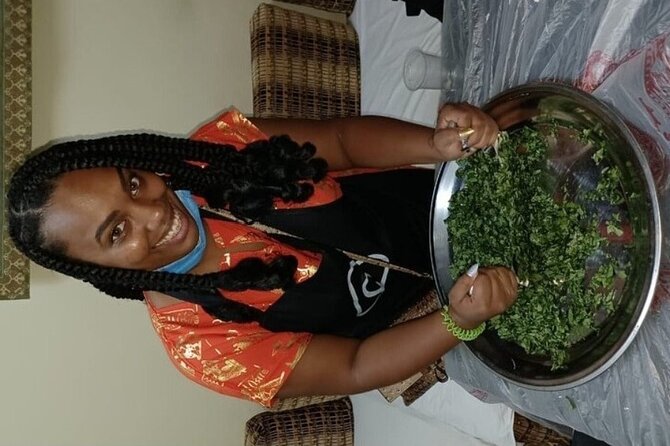
This class offers two ways to participate, which I appreciate because Cairo cooking can be hands-on without needing you to be fearless. You can:
- cook hands-on with guidance, or
- sit back at the bar table and watch the steps
If you choose hands-on, you’ll likely get plenty of chances to try, taste, and adjust as you go. If you choose watching, you’ll still learn because you’re seeing technique in real time: what “done” looks like, how sauces change, and how herbs get folded in.
One subtle benefit: watching is often easier for learning spice balance and texture cues. When you’re not chopping, stirring, and timing at the same moment, you can focus on what makes the food work.
Group size also helps here. With a maximum of 9 travelers, the instructor isn’t teaching into a crowd. It’s much easier to ask questions and get clarifications that make sense for your particular dish.
You can also read our reviews of more shopping tours in Cairo






Lunch at the Dining Table and Taking Recipes Home
Once cooking finishes, you’re served the meal at the dining table—together, family-style energy. This is one of those details that seems simple until you realize how rare it is. You’re not rushing food into you between photos. You’re eating what you made, in the setting where Egyptians actually eat.
A big value add: you receive written recipes to take home. That means you’re not stuck with memory alone. Recipes help you repeat the dishes later, and the notes give you a backup if you forget a spice amount or step.
If you’re curious about what might be served, the class description emphasizes traditional Egyptian meals and a welcoming drink. The exact dishes aren’t specified in the tour notes you provided, so treat this as a curated home-cooking experience rather than a fixed menu you can Google ahead of time.
Diet notes: the provided info does not state special dietary handling. If you have allergies or a strict diet, you should ask before booking so you’re not guessing.
Price and Logistics: Is $35 Good Value?

At $35 per person for about 3 hours, this is strong value if you want more than a quick tasting. Here’s why:
- Lunch is included
- Coffee and/or tea are included
- All cooking equipment is included
- You get a teaching session plus the meal you make
What’s not included is private transportation. So your cost is still predictable, but your total trip budget depends on how you get to El Maadi. If you’re already using rideshares in Cairo, that usually doesn’t blow up the price.
Compared with buying a meal plus a cooking workshop somewhere else, the value here comes from being hosted in a home kitchen with hands-on time and recipes. You’re paying for access and instruction, not just for food.
Time-wise, three hours is also realistic. Long tours are tiring when you’re focused on one thing. This length keeps the day from turning into a project.
Who This Cairo Cooking Class Fits Best
This experience is a great match if you:
- want authentic Egyptian food beyond Cairo’s tourist-food pattern
- like small-group activities where you can ask questions
- enjoy market ingredient time and not just the cooking portion
- are curious about culture through food, not through speeches
It’s also a solid choice if you want a day that feels different from museums and mosques. You’ll spend the afternoon with a family team, and you’ll likely take away both flavors and habits you can use later.
Less ideal if you want a highly structured, English-scripted itinerary with a predictable menu. This is more flexible and personal by design. Also, if you dislike getting a ride to a residential area, you might find it mildly inconvenient.
Should You Book Market&Cook&Eat with an Egyptian Family?
I’d book this if your goal is learning and eating real Egyptian food with a family style atmosphere. The biggest reasons are practical: small group size, a step-by-step teaching approach, optional market shopping, and the fact that you go home with written recipes.
If you’re on a tight schedule, plan your transport to El Maadi first so the meeting point doesn’t become a headache. And if you have dietary needs, ask questions early since the provided details don’t spell out specific meal modifications.
Overall, this is the kind of Cairo experience that feels personal. You’re not just consuming—you’re participating.
FAQ
How long is the cooking experience in Cairo?
It runs for about 3 hours.
Is lunch included, and what else is provided?
Lunch is included, along with coffee and/or tea. All cooking equipment needed for the class is included too.
Do I have to cook, or can I watch?
You can participate hands-on, or you can sit back and watch preparation from the bar table.
Is market shopping part of the experience?
Going together to buy ingredients from a local market is listed as optional. If you want to do it, you should let the provider know.
Where do we meet, and how does pickup work?
You meet next to El Maadi El Gadida Pharmacy (X7C9+57F). Pickup is offered, but private transportation is not included.
What is the cancellation policy?
Free cancellation is available. You can cancel up to 24 hours in advance for a full refund, and changes within 24 hours are not accepted.