REVIEW · MAKADI BAY
Makadi Bay: Luxor Highlights & King Tut Tomb Full-Day Tour
Book on GetYourGuide →Operated by Nice Tours · Bookable on GetYourGuide
One day can feel like five millennia. This Luxor highlights tour from Makadi Bay packs Karnak and the Tomb of Tutankhamun into one long, story-filled ride. You’ll travel by air-conditioned minivan, meet an Egyptologist-style guide, and finish with Nile time that breaks up the walking.
I love the fact that the day hits both sides of Luxor: the East Bank’s Karnak Temple, then the West Bank’s tomb valley and royal monuments. I also like that you’re not just looking at stones—you get myth and context, plus help navigating the sites (guides such as Adam and Ahmed Ali Hassan are often praised for pacing and spotting the best viewpoints).
The main consideration is the sheer length: 16 hours with an early start, plus heat and crowds in the Valley of the Kings. And the short boat/felucca segment can be a mixed bag—expect a relaxing break, but also be ready for the occasional pushy tip pressure you may see around tours.
In This Review
- Key highlights to know before you go
- Makadi Bay to Luxor: the long ride that’s actually part of the deal
- Karnak Temple and the Theban Triad: walking with Amun, Mut, and Khonsu
- Lunch in Luxor: a local meal break that keeps the day moving
- Felucca and Nile boat time: a real break from temples
- Valley of the Kings and Tutankhamun’s tomb: go in with a plan
- Hatshepsut’s mortuary temple at Deir el-Bahari: the cliffs do half the work
- Colossi of Memnon: two statues, one powerful story
- How the 16-hour schedule feels (and how to handle it)
- Skip-the-ticket-line: small detail, big time saver
- Price and value: $145 per person, what you’re really buying
- Who should book this Luxor Highlights & King Tut Tomb day trip
- Should you book this Luxor tour from Makadi Bay?
- FAQ
- How long is the Makadi Bay to Luxor tour?
- What sites will I visit during the day?
- What is included in the price?
- Is there a Spanish guide?
- Do I get help with tickets at the entrances?
- What should I bring for the tour?
Key highlights to know before you go
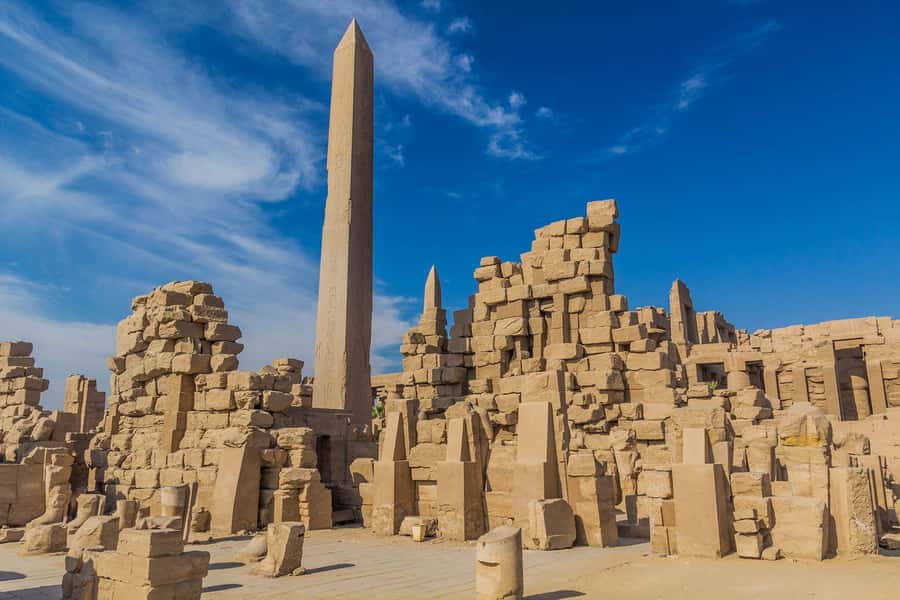
- Karnak Temple + the Theban Triad: Amun, Mut, and Khonsu explained as you walk the complex
- Valley of the Kings includes Tutankhamun: You’ll see three tombs, including the famed one
- Hatshepsut’s terraced mortuary temple: Deir el-Bahari’s massive steps up to the cliffs
- Colossi of Memnon: Two giant statues tied to Amenhotep III’s mortuary temple
- Short felucca/Nile boat time: A quick cross-river break with views and often tea
Makadi Bay to Luxor: the long ride that’s actually part of the deal
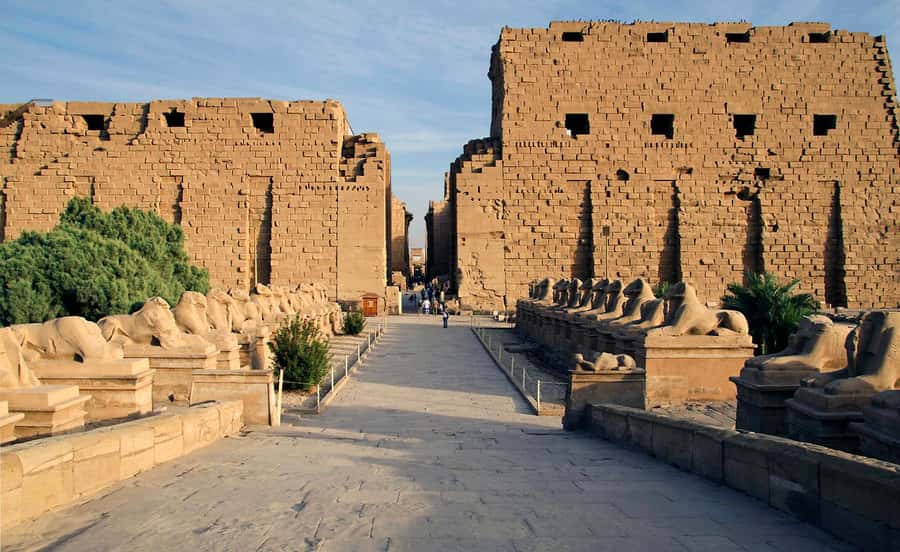
This tour starts with hotel pickup in Makadi Bay and a drive to Luxor in a comfortable air-conditioned minivan. The “value” here isn’t just what you see in Luxor—it’s that the transportation and logistics are handled so you can focus on the monuments.
You’re signing up for a 16-hour day, so think of the drive as your warm-up. That means dressing for sun and stepping into a full schedule without the usual planning stress (tickets, timing, and how to get between major sites).
If you’re the kind of traveler who likes having a clear path through a complicated place, this works. Luxor is big. This plan gives you the key hits without requiring you to design a day from scratch.
You can also read our reviews of more tours and experiences in Makadi Bay.


Karnak Temple and the Theban Triad: walking with Amun, Mut, and Khonsu

Karnak Temple is the first major wow-moment for many people, and for good reason. It’s not one building—it’s a whole sacred complex, dedicated to Amun, with Mut and Khonsu forming the Theban Triad. Your guide will explain the mythology and history as you move through the temple areas.
What I like about this stop is that it’s built for guided viewing. Without context, Karnak can feel like you’re in a stone maze. With a guide, you start noticing why certain parts matter—how the temple ties into the religious world of Thebes and the big idea of divine power.
Practical tips:
- Wear shoes you can walk in for hours. Karnak floors add up fast.
- Aim to keep water and sun protection handy. You’ll be outside before and after major shaded areas.
- If you see people clustering around a spot, your guide can help you choose what’s most worth your time.
Lunch in Luxor: a local meal break that keeps the day moving
Lunch is included at a local restaurant in Luxor. It’s a welcome reset in a schedule that otherwise runs heavy on sightseeing and heat.
A small heads-up: lunch drinks are listed as extra, and some tours involve additional costs once you’re seated. I treat lunch as a chance to refill and rehydrate, not as the time to hunt for the perfect restaurant scene.
Use this break smart:
- Eat, then take a few minutes to cool down.
- If you know you’re sensitive to heat, plan your pace for the West Bank stops right after.
Felucca and Nile boat time: a real break from temples
One of the nicest rhythm changes on this tour is the water segment. You’ll enjoy a short felucca ride, crossing to the other side with views of the Nile and surrounding areas. The experience provider also lists a Nile boat tour, and many guides build this into a calm moment where you can slow down.
I like this part because it gives your legs a breather and your brain a reset. After tombs and temples, you’ll appreciate anything that feels less like standing in a queue and more like just looking at the river.
Balanced note from real-world experience: the boat segment can include tip pressure or distractions (like other people trying to sell or request money). Keep it simple—decide ahead of time what you’re comfortable with, and focus on the views and the break.
Valley of the Kings and Tutankhamun’s tomb: go in with a plan
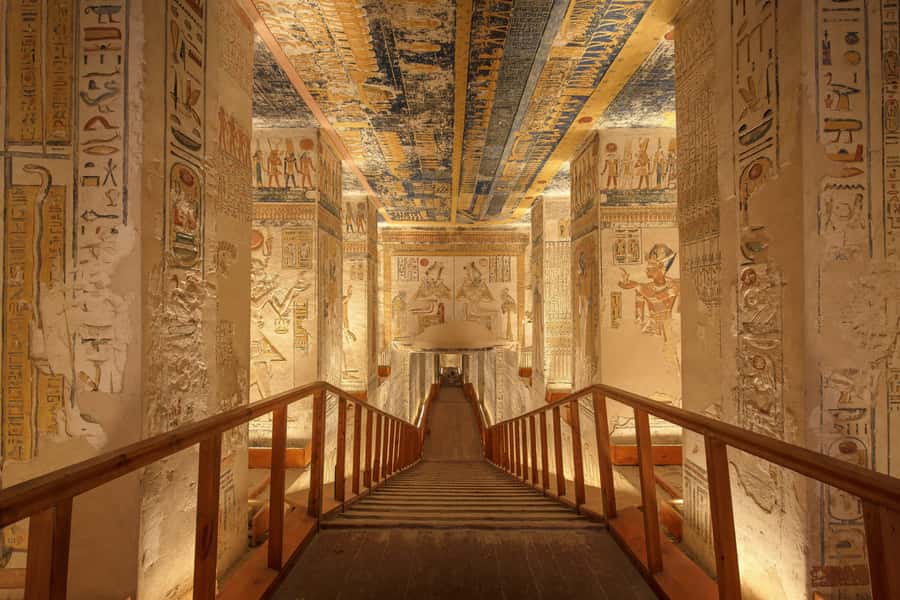
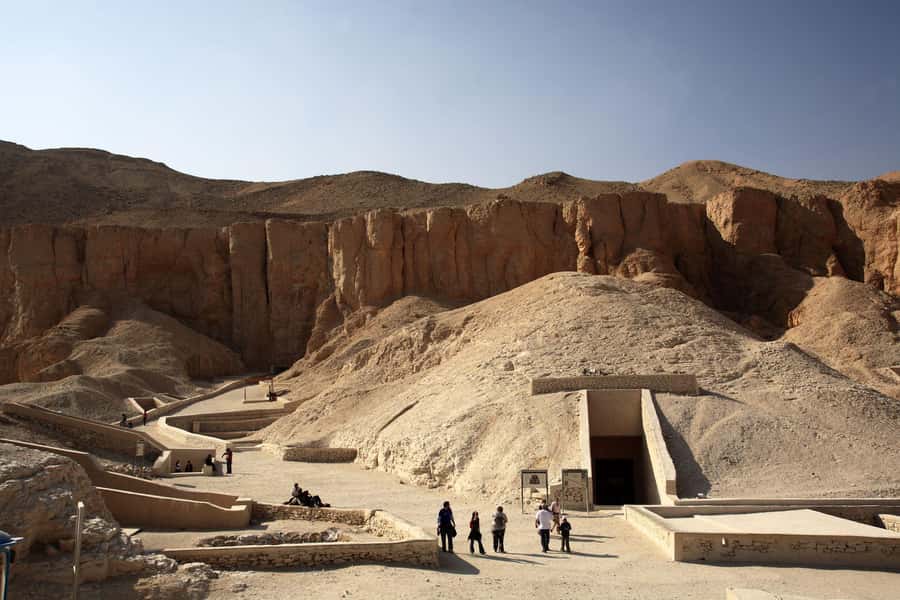
The West Bank is where the “wow” becomes “wow, how is this real?” The Valley of the Kings—also called the Valley of the Gates of the Kings—is the star here, especially because you’ll see multiple tombs, including the Tomb of Tutankhamun.
A key detail: this tour includes visits to three tombs in the Valley of the Kings, with Tutankhamun among them. That matters because it helps you avoid the common disappointment of only seeing one site. Three tombs gives you variety in size, layout, and how the space feels.
What makes a good guided visit here:
- Your guide can help you pick which tombs to prioritize when time gets tight.
- They can point out what you’re looking at—especially how tomb art and design reflect the burial beliefs of the era.
Practical reality check:
- Tomb interiors are cooler than outside, but the queues and walking to reach them can be tiring.
- Expect crowds around the biggest names. The guide’s timing and your willingness to move efficiently will shape your experience.






Hatshepsut’s mortuary temple at Deir el-Bahari: the cliffs do half the work
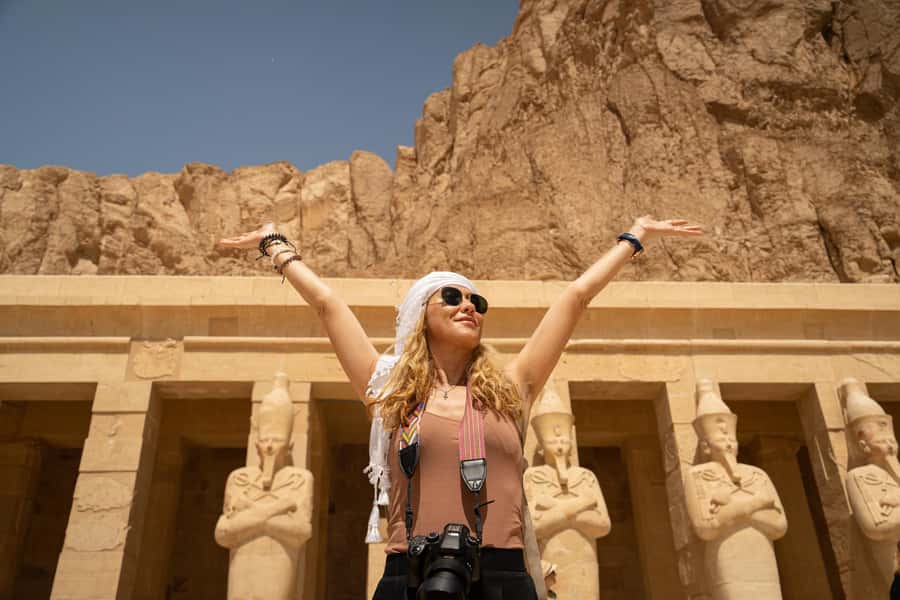
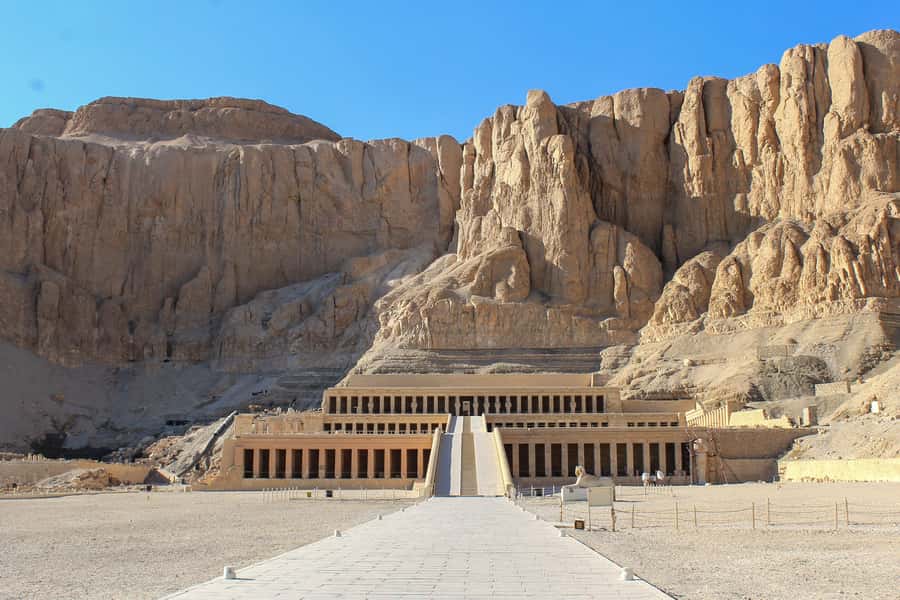
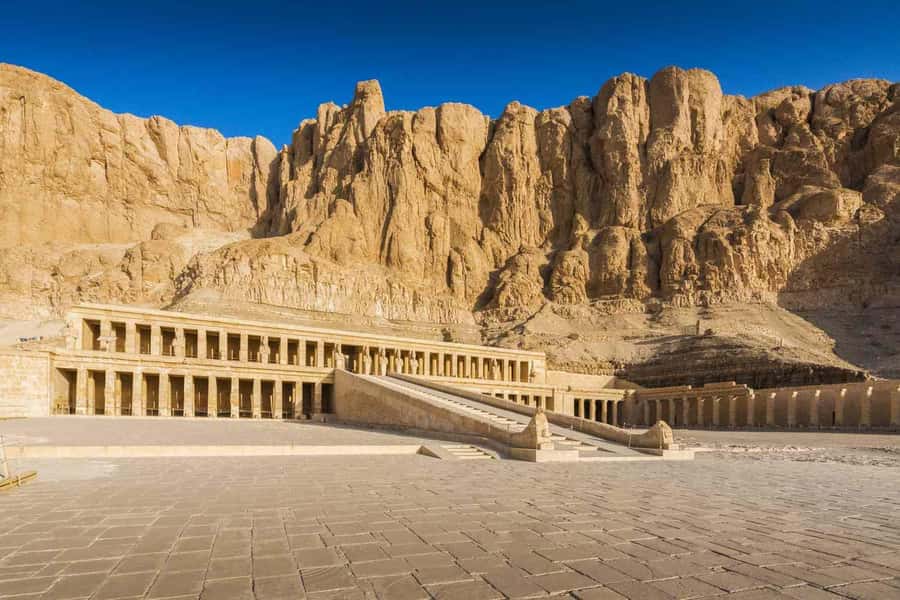
Next comes one of the most visually striking sites on the itinerary: the Mortuary Temple of Queen Hatshepsut. It’s known for its stepped design—three massive terraces rising from the desert floor up toward the cliffs of Deir el-Bahari.
This stop isn’t just “pretty ruins.” The scale and positioning are the point. Once you’re there, you get why the temple still grabs attention: it’s architecture designed to feel both monumental and protected by the landscape.
What I’d watch for:
- Terraces mean lots of looking from different angles. Use your guide to time your best photo viewpoints and viewing spots.
- If it’s hot, take advantage of shade when possible between viewpoints.
- Be ready for stairs and uneven ground near viewpoints.
This is also a great place for guides to add meaning beyond description. When you understand what the temple represents, your eyes start reading the structure instead of only scanning it.
Colossi of Memnon: two statues, one powerful story
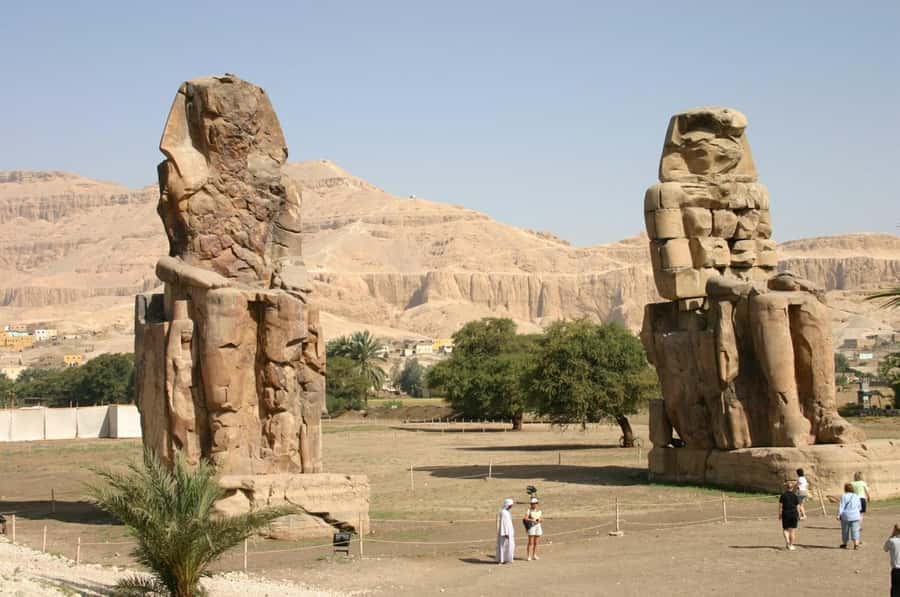
The final big historical anchor is the Colossi of Memnon. These are the famous two giant statues associated with the mortuary temple of Amenhotep III.
Even if you’ve seen pictures, the statues feel more intense in person. There’s something about scale here—your mind keeps trying to estimate size, then you realize how huge these figures were meant to appear to visitors.
This is the kind of stop where a short, well-timed explanation helps. If your guide ties the statues back to Amenhotep III’s larger temple plan, the site turns from “cool rocks” into part of a bigger religious and royal picture.
How the 16-hour schedule feels (and how to handle it)
This tour is full. It’s meant for people who want Luxor’s biggest names in one day, not people who want slow wandering.
Here’s what to expect in terms of effort:
- Early pickup and long drive: plan your day around it.
- Temple walking and valley paths: comfortable shoes are non-negotiable.
- Sun exposure: even with shade breaks, you’ll spend time outside.
- Big tomb and big crowd energy: move with your group and let your guide manage the flow.
From the guides’ reputation in the tour experience, many do a good job of keeping things organized and adapting to heat. Some guides also help you avoid the worst of the street-stall pressure and point out where to stand for better viewing.
If you hate rushing, consider the private group option. You’ll usually get more flexibility with pacing, and it can make a long day feel less like a checklist.
Skip-the-ticket-line: small detail, big time saver
You’re set up with entry ticket access for key sites like Karnak Temple, the Valley of the Kings, Tutankhamun’s tomb, and Hatshepsut Temple. The tour also notes skip the ticket line.
That combo is practical value. In Luxor, time lost to queues can quickly snowball. Skipping lines makes it easier to keep your energy for the actual viewing, and it helps the guide stick to the schedule.
Also, because you get tickets in advance as part of the tour arrangement, you avoid the stress of trying to purchase or verify entry once you’re already in the middle of a busy day.
Price and value: $145 per person, what you’re really buying
At $145 per person, you’re paying for more than “a guide.” You’re effectively bundling:
- hotel pickup and drop-off from Makadi Bay in an air-conditioned minivan
- a professional Egyptologist-style guide
- lunch at a local restaurant
- entry tickets for multiple major sites (including Tutankhamun’s tomb, Karnak, and Hatshepsut)
- skip-the-line access for key entrances
- the short felucca/Nile water break
If you tried to piece this together yourself, costs and time would spread across transportation, ticket purchases, and arranging a knowledgeable guide for several locations in one day. Even if you can find cheaper options, the convenience and time saved can be the real bargain.
What you should budget for:
- lunch drinks (not listed as included)
- personal spending like water, snacks, or souvenirs
- tips, if you choose to give them (some parts of Luxor can encourage tip requests)
This is a classic “pack a lot in” tour, and at this price point, it’s the kind of deal that makes sense for first-time Luxor visitors.
Who should book this Luxor Highlights & King Tut Tomb day trip
This tour fits you best if:
- you want Luxor’s top sites in a single day
- you like explanations tied to monuments, not just photos
- you’re okay with a long day and want a structured route
- you want an Egyptologist guide who can answer questions and keep things moving
You might want to skip it if:
- you want a slow, deep study pace at one site
- you dislike crowds and long walking days
- you’re very heat-sensitive and struggle with outdoor touring
Should you book this Luxor tour from Makadi Bay?
I think this is a smart booking for the right traveler. If your goal is to see Karnak, the Valley of the Kings with Tutankhamun, Hatshepsut, and the Colossi of Memnon without spending your holiday doing logistics, this one checks the boxes.
Book it if you thrive on big-name sites, want a guide to connect the dots, and you’re comfortable with a 16-hour schedule. Skip it if you want a gentle pace or you’re hoping for lots of free time to wander independently for hours.
If you do book, pack for heat and long walking days, keep your mindset flexible for the boat segment, and trust your guide to help you use your time well. Luxor rewards that kind of focus.
FAQ
How long is the Makadi Bay to Luxor tour?
The tour duration is 16 hours, with early morning pickup from your Makadi Bay hotel. Starting times can vary, so check availability for the schedule you want.
What sites will I visit during the day?
You’ll visit Karnak Temple, the Valley of the Kings (including the Tomb of Tutankhamun), the Mortuary Temple of Queen Hatshepsut, and the Colossi of Memnon. The day also includes a short felucca ride and a Nile boat tour.
What is included in the price?
Included are hotel pickup and drop-off from Makadi Bay by air-conditioned minivan, a professional Egyptologist guide, lunch at a local restaurant, and entry tickets to Karnak Temple, the Valley of the Kings, Tutankhamun’s tomb, and Hatshepsut Temple.
Is there a Spanish guide?
Spanish is available as a live tour guide option, but a Spanish guide is listed as not included and available as an add-on.
Do I get help with tickets at the entrances?
Yes. The tour includes skip-the-ticket-line access.
What should I bring for the tour?
Bring comfortable shoes, sunglasses, a sun hat, sunscreen, comfortable clothing, and a passport or ID card (a copy is accepted).