REVIEW · HURGHADA
Hurghada SPACE OBSERVERS(Desert Stargazing)
Book on Viator →Operated by SPACE OBSERVERS EGYPT · Bookable on Viator
A sky you can actually see. This Hurghada stargazing night swaps city lights for a desert camp, then turns up the science with a GPS-directed 15-inch Meade telescope. You also get a candlelit Bedouin dinner, plus herbal tea and a walk through desert village life.
What I like most is the focus on real astronomy, not just pretty darkness. The guides, including people like Adam or Ibrahim, explain what you’re seeing in plain language and point you at the right targets through the telescope.
One thing to plan around: the trip gets bumpy. If you have back pain or motion sickness, that desert driving portion can be rough and you’ll want to be ready with medication and warm, sensible layers.
In This Review
- Key moments worth packing for
- Why Hurghada Desert Stargazing Feels Different Than a City Tour
- The Ride From Hurghada: Sunset Views, Jeep Bumps, and Motion-Sickness Reality
- The Bedouin Camp Welcome: Herbal Tea, Village Life, and Candlelight Dinner
- After Dark, the Stars Turn On: What the Meade Telescope Shows
- How Long It Really Takes and How to Plan Your Evening
- Price and Extras: Is $35 Good Value Here?
- Who Should Book, and Who Might Want a Plan B
- Good to Know Before You Go: Weather, Group Size, and What You’ll Feel
- Should You Book Space Observers Egypt in Hurghada?
- FAQ
- How long is the desert stargazing experience in Hurghada?
- Is hotel pickup and drop-off included?
- What telescope is used during the star gazing?
- What is included in the Bedouin camp part of the evening?
- Are there any extra fees besides the $35 per person price?
- What if the weather is bad for stargazing?
Key moments worth packing for
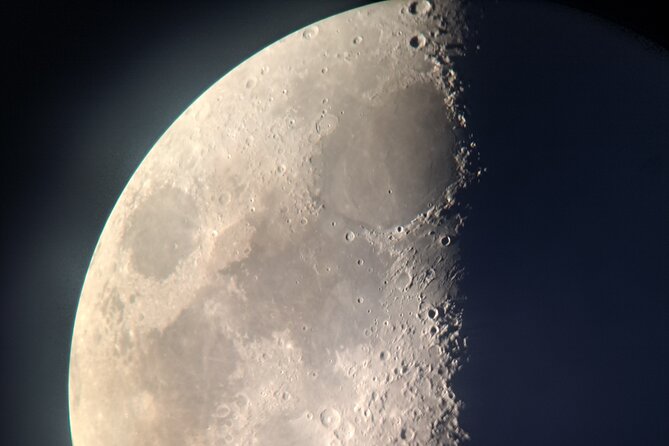
- GPS-directed Meade telescope: A big scope used to track stars and planets after sunset
- Herbal Bedouin tea: A welcome drink before you settle in for the evening
- Candlelight Bedouin dinner: A calm desert meal with a star-focused payoff
- Bedouin village visit: A look at how desert culture feels up close
- Cold-night reality: The desert cools fast, and a jumper or coat helps
Why Hurghada Desert Stargazing Feels Different Than a City Tour
Hurghada looks great in the daytime, but at night the city glow can smother the sky. This experience takes you outside town, where the stars actually behave like stars again. The result is that you don’t just see points of light—you notice patterns, brightness differences, and the Milky Way when conditions are good.
Another plus: this isn’t a one-size-fits-all “sit and hope” stargazing event. The team uses a GPS-directed setup with a Meade telescope, so the night is guided and purposeful. You’re not stuck staring at the same patch of darkness while everyone waits for the guide to catch up.
Finally, the format works for a mixed group. It’s paced so families can enjoy the desert parts while astronomy fans still get time at the telescope.
You can also read our reviews of more tours and experiences in Hurghada.
The Ride From Hurghada: Sunset Views, Jeep Bumps, and Motion-Sickness Reality
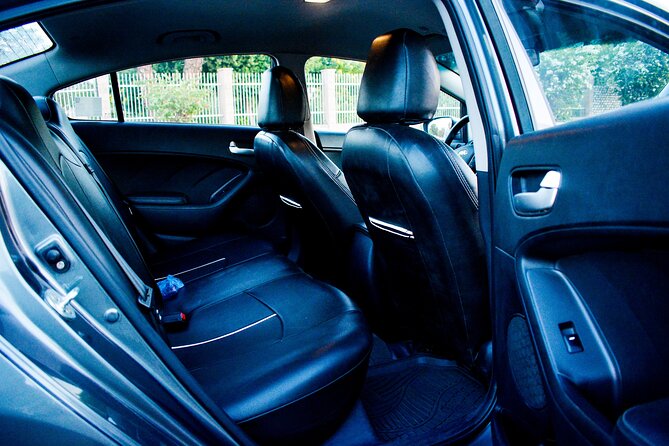
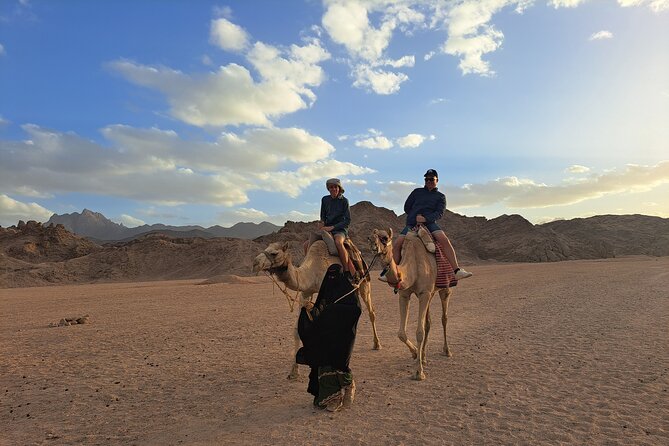
Your evening usually starts with pickup from your hotel area and a drive out toward the desert. The schedule is built around sunset, because the sky needs to darken gradually. You’ll get a desert view break as you head out—good for photos and that first “wow, we’re really out here” moment.
Then comes the part to respect: the ride over desert terrain can be bumpy. Several guides in past groups are friendly and upbeat, but the vehicle motion is still motion. One practical takeaway from the experience: if you get carsick easily, bring your medication. If your back isn’t happy with jolts, this may not be your best match.
Shoes matter too. You may do a little rocky stepping at the camp, so skip flip-flops. Bring something grippy and comfortable enough for a short scramble.
The Bedouin Camp Welcome: Herbal Tea, Village Life, and Candlelight Dinner
Before the real astronomy begins, you’ll settle into a Bedouin camp setting. You start with a cold refreshing drink and then a traditional Bedouin tea with herbs. It’s a small thing, but it’s the right kind of small: it helps you cool down after the drive and gives you a moment to slow your body before the night gets long.
Next is the dinner. Expect a Bedouin buffet served in a candlelit setting. Think warm food, simple satisfaction, and a calm atmosphere. Several people also note bread and camp details—like watching how bread is made—adding texture to the cultural side of the evening, not just the “tour photo” factor.
There’s also a village stop included. This is one of the ways the experience avoids feeling purely staged. It gives you context for what you’re seeing, beyond the telescope session.
One caution: the meal is described as enjoyable, but not always heavy or super long. If you’re the type who needs a big dinner to feel set for the night, eat a proper meal before pickup or plan for smaller portions.
After Dark, the Stars Turn On: What the Meade Telescope Shows
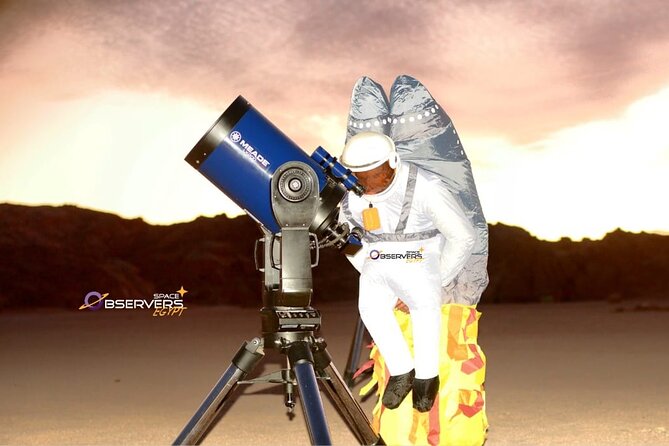
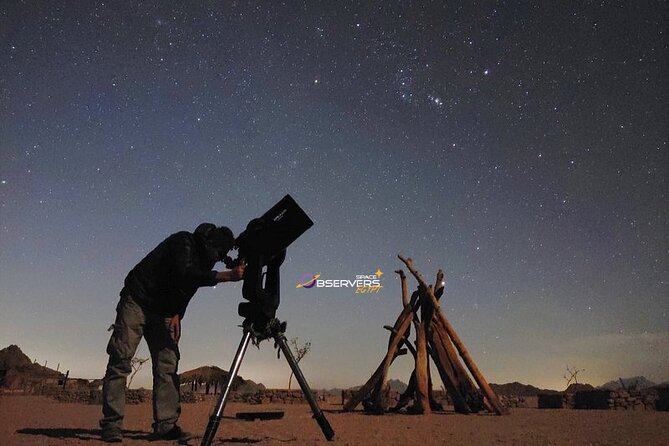
Once it’s fully dark, the GPS-directed Meade telescope becomes the star of the show. This is where the tour shifts from scenery to astronomy. Your guide will help you identify objects in the sky and connect them to what the telescope shows—stars, planets, and constellations.
From what’s commonly described, you can often expect views like:
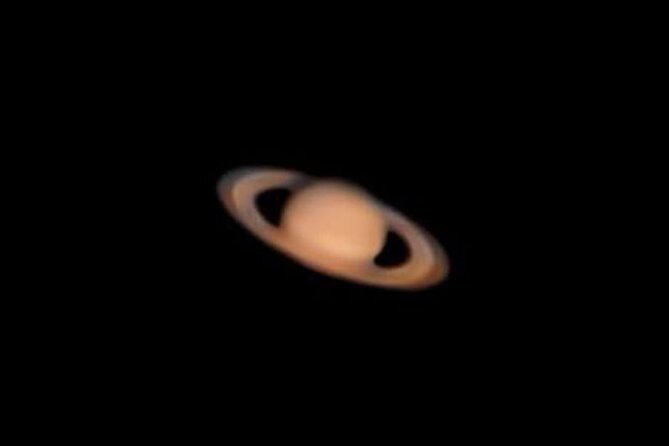
- Saturn through the telescope
- Jupiter, sometimes with its moons visible depending on the night
- Star patterns and constellations explained in a way that’s easier to follow than guessing on your own
A big idea here: you’re not just looking—you’re learning how to look. Guides often use tools like laser pointing to help you map the sky quickly. That makes a huge difference. Instead of feeling lost, you start recognizing the same stars again later when you glance up without the telescope.
Milky Way visibility is the one variable. Some nights it’s extremely clear; on other nights it may be less dramatic. Desert stargazing is still stargazing—weather, dust, and cloud cover can change what you see.
How Long It Really Takes and How to Plan Your Evening
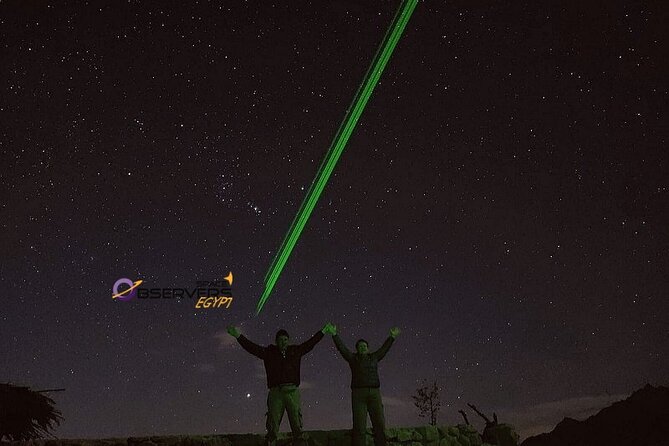
The tour runs about 5 hours. That’s long enough to include the sunset drive, camp time, dinner, and a solid chunk of telescope viewing. Just don’t treat it like a tight, clockwork three-act show—some evenings run a bit over what you might expect, especially when there are practical slowdowns or the group moves at a comfortable pace.
Plan to return later than your original sunset plans. If you have another reservation right afterward, give yourself breathing room.
Two practical add-ons that help:
- Bring warm layers: it gets cold at night in the desert
- Have a simple plan for photos: some evenings include a photographer who offers pictures afterward for a set fee (one mentioned fee level was around 15€)

Price and Extras: Is $35 Good Value Here?
At $35 per person, this is one of the more cost-friendly ways to get a true astronomy-focused desert evening from Hurghada. And the value isn’t just the telescope.
What you get for that price:
- Hotel pickup and drop-off
- Candlelight Bedouin dinner
- Bedouin tea with herbs
- A telescope session with astronomers and explanations
- A Bedouin village visit
What can add cost:
- If you’re not staying in the Hurghada area (for example Sahl Hasheesh, Makadi Gouna, or Safaga), there may be extra pickup fees
- Governmental fees in Hurghada are not included
So the smart way to budget is simple: assume the headline price covers the core experience, then add a little extra for location-based pickup and any local fees. If you’re already in central Hurghada, the math tends to look better.
Who Should Book, and Who Might Want a Plan B
This works well for:
- Astronomy lovers who want more than a quick look
- Families who want an outdoor adventure that still includes explanations
- Couples who like sunsets, calm desert vibes, and a candlelit meal
It may be less ideal if:
- You have back problems or you know you don’t tolerate bumpy roads well
- You get motion sickness and don’t want to manage it
- You expect the Milky Way to look identical every single night (it depends on sky conditions)
The tour isn’t described as extreme sport-level, but the desert drive is real. If you’re sensitive to road roughness, take that seriously and plan with medication and warm clothing.
Good to Know Before You Go: Weather, Group Size, and What You’ll Feel
The experience depends on good weather. If conditions aren’t right, you’ll be offered a different date or a full refund. That matters because stargazing lives and dies on the sky.
Group size is capped at 27 travelers, which usually helps keep the evening from feeling chaotic. You’ll still have a group rhythm, but it tends to leave room for guided attention at the telescope.
Also, the tour uses a mobile ticket, and confirmation comes at booking time. That helps you show up ready, rather than scrambling for paperwork late in the day.
Should You Book Space Observers Egypt in Hurghada?
I’d book it if you want a desert evening that mixes culture with real sky time—and you’re okay with a bumpy ride. The combination of a candlelit Bedouin setting, herbal tea, and a GPS-directed big telescope session makes it feel like more than a standard safari.
Skip it or consider a different format if you’re very sensitive to jolts or you’re hoping for an ultra-soft, easy ride. In that case, the science might still be tempting, but your body will be the limiting factor.
If you do book, pack for the full night: warm layers, grippy shoes, and a sensible attitude about what the sky will hand you that particular evening.
FAQ
How long is the desert stargazing experience in Hurghada?
It lasts about 5 hours.
Is hotel pickup and drop-off included?
Yes. Pickup and drop-off from your hotel or accommodation are included.
What telescope is used during the star gazing?
The tour uses a GPS-directed telescope called Meade.
What is included in the Bedouin camp part of the evening?
You get traditional Bedouin tea with herbs, a visit to the Bedouin village, and a candlelight dinner.
Are there any extra fees besides the $35 per person price?
Yes. Governmental fees in Hurghada are not included, and pickup from places outside Hurghada (like Sahl Hasheesh, Makadi Gouna, and Safaga) may cost extra.
What if the weather is bad for stargazing?
This experience needs good weather. If it’s canceled due to poor weather, you’ll be offered a different date or a full refund.