REVIEW · HURGHADA
Hurghada: Luxor Highlights & King Tut Tomb Tour with Lunch
Book on GetYourGuide →Operated by Nice Tours · Bookable on GetYourGuide
Luxor in a single day can feel unreal. This trip strings together the big names of the West Bank and East Bank, plus a Nile felucca ride, with an Egyptologist guide explaining how it all fits together. I especially like that the tour focuses on what you’re looking at, not just moving you between stops.
The main thing to consider: it’s a long day. You’ll spend serious hours in a minivan both ways, and even the river time can vary with conditions, so go in expecting intensity, not a slow cruise.
If you want a practical way to see Luxor’s top sites without planning, this is a strong bet. The Valley of the Kings and the Tomb of Tutankhamun stop make the day feel like more than a checklist.
In This Review
- Key highlights worth planning around
- Price and Logistics: what $150 really buys you
- The long van ride from Hurghada: how to make it bearable
- Karnak Temple: Amun, Mut, and Khonsu in real scale
- Lunch break in Luxor: fuel for the West Bank day
- Felucca on the Nile: short ride, big perspective shift
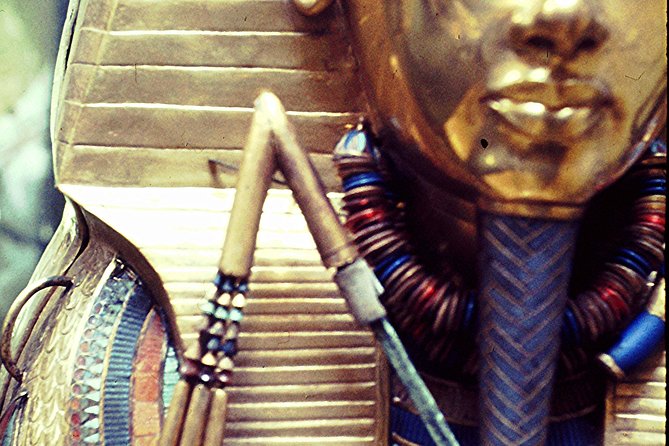
- Valley of the Kings: where Tutankhamun becomes the focus
- Hatshepsut’s Mortuary Temple at Deir el-Bahari
- Colossi of Memnon: a strong finale tied to Amenhotep III
- Timing and pacing: enough time, but don’t underestimate the full day
- Who this tour suits best (and who might want a different plan)
- Should you book this Luxor Highlights & King Tut Tomb Tour?
- FAQ
- How long is the Luxor highlights tour from Hurghada?
- What sites are included in the tour?
- Is lunch included?
- Are entry tickets included?
- What’s included for hotel pickup and drop-off?
- What languages are available for the guide?
- What should I bring with me?
Key highlights worth planning around
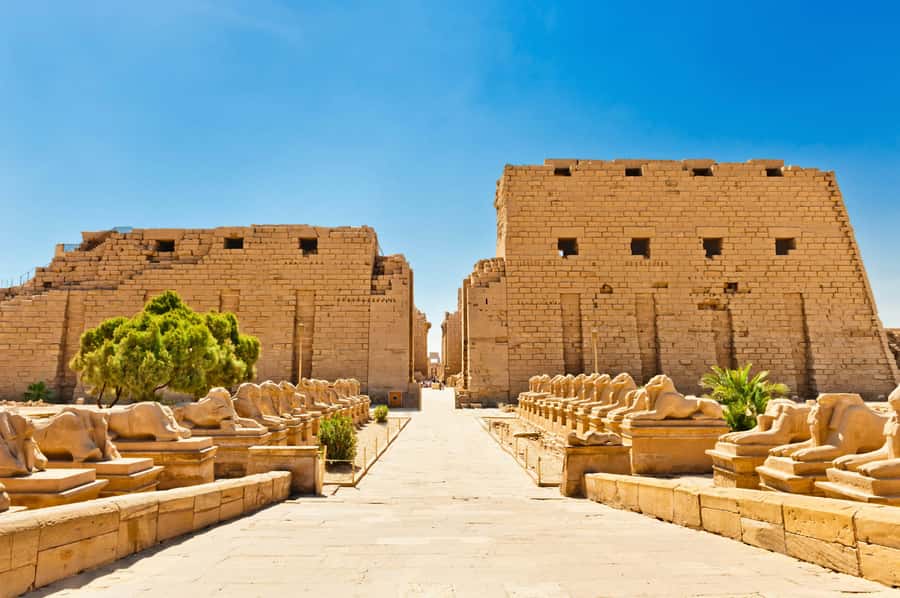
- Karnak’s Theban Triad explained clearly (Amun, Mut, and Khonsu) so the temple doesn’t feel random.
- Skip-the-line entry helps you spend more time inside instead of waiting outside.
- Felucca ride with real Nile views, a different angle from the usual temple-only day.
- Valley of the Kings includes multiple tombs, with Tutankhamun as the headline stop.
- Hatshepsut’s terraces at Deir el-Bahari are visually unforgettable and easy to appreciate in person.
- Colossi of Memnon gives you a dramatic closing view tied to Amenhotep III.
Price and Logistics: what $150 really buys you
At $150 per person for about 15 hours, the value comes from the package deal. You’re getting roundtrip hotel transfer, an on-the-ground Egyptologist guide (English/French/German, plus other language options), entry tickets for key sites, and lunch. That matters because Luxor day trips can turn expensive fast once you add tickets, guide time, and transport.
This is also a “do a lot” schedule. Expect a 4.5-hour van ride from Hurghada to Luxor, then several sites packed into one day on the East Bank and West Bank. If you like slow travel, you might find it tiring; if you want maximum ancient Egypt per day, you’ll probably love it.
One extra cost to watch: pickups are not included from Makadi Bay, Sahl Hasheesh, and El Gouna (extra $5 per person), and from Safaga or Soma Bay (extra $8 per person). If you’re staying outside Hurghada proper, double-check the pickup zone so there are no surprises.
A few more Hurghada tours and experiences worth a look



The long van ride from Hurghada: how to make it bearable
The day starts with hotel pickup, then that long drive to Luxor. It can be comfortable, but it’s still a big chunk of time sitting, so pack like you’re on a road trip.
I recommend you bring a small kit:
- Comfortable shoes you can handle on stone steps
- Sunglasses and sunscreen for the midday sun
- A snack and extra water if you’re sensitive to hunger
A practical tip: some road-stop food options can be mostly packaged snacks, so don’t count on getting a full meal when hunger hits. You’ll also be out and about for many hours, so having your own water routine helps.
Karnak Temple: Amun, Mut, and Khonsu in real scale
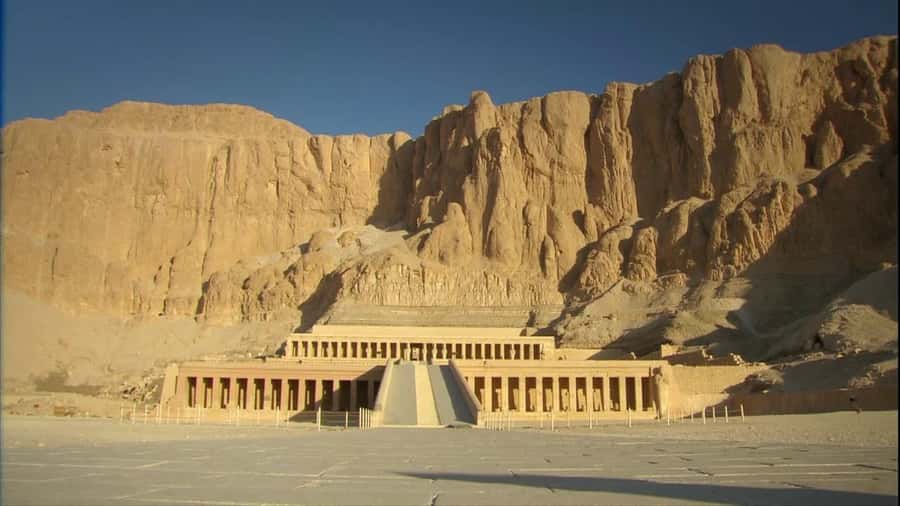
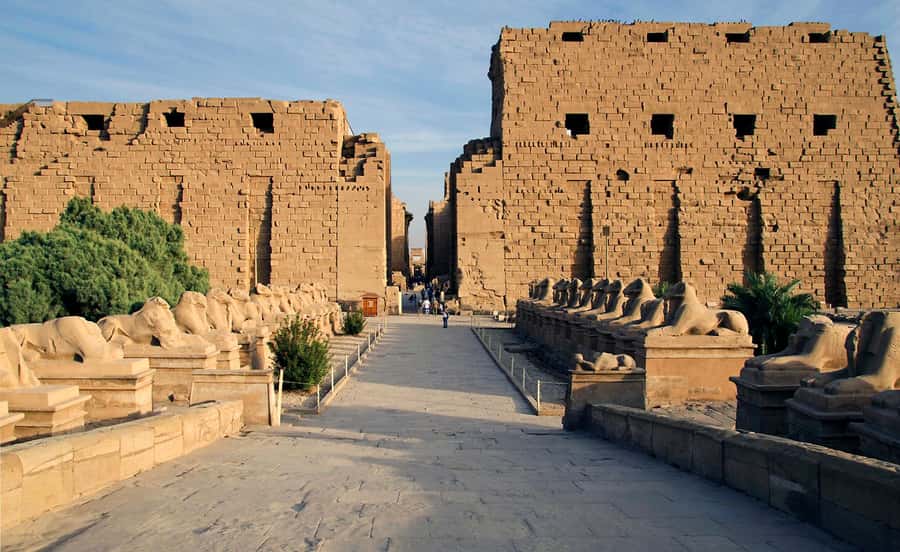
Karnak is the kind of place that makes your brain adjust to the fact that people once built on this scale for thousands of years. This stop is centered on Amun, his wife Mut, and their son Khonsu—often described as the Theban Triad—and your guide’s job is to connect the symbols to what you’re seeing.
The big win here is having a guide who can translate the temple into story. When you understand why certain halls matter and what the major deities represent, the carvings feel purposeful instead of decorative. Karnak’s size also means you can feel dwarfed even on a guided route—so take it slow when you need a breather and use photo stops to get your bearings.
You’ll have guided time plus a bit of free time. Use that free time well: look for details at eye level, not just the widest shots from far back. That’s where the temple starts to reward you.
Lunch break in Luxor: fuel for the West Bank day
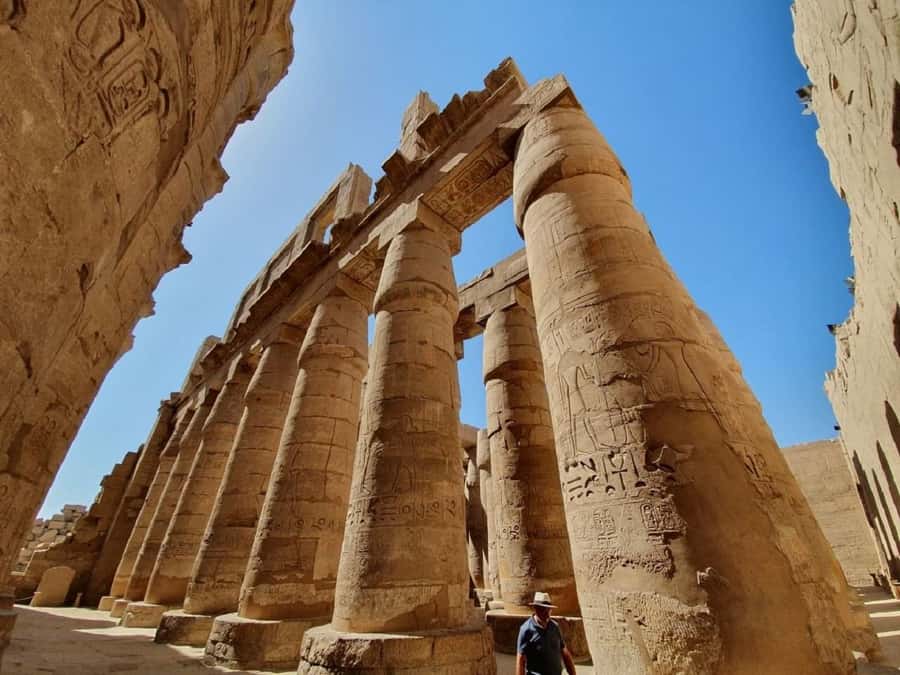
After Karnak, you stop for lunch at a local restaurant. For value, this keeps the day from turning into a frantic hunt for food while you’re in between major sites.
Some meals in this kind of itinerary can end up with nicer settings than you expect, including Nile-area views in certain cases. Either way, treat lunch as your energy reset before the West Bank walking starts. If you’re a lighter eater, add a snack before you run out of steam.
Felucca on the Nile: short ride, big perspective shift
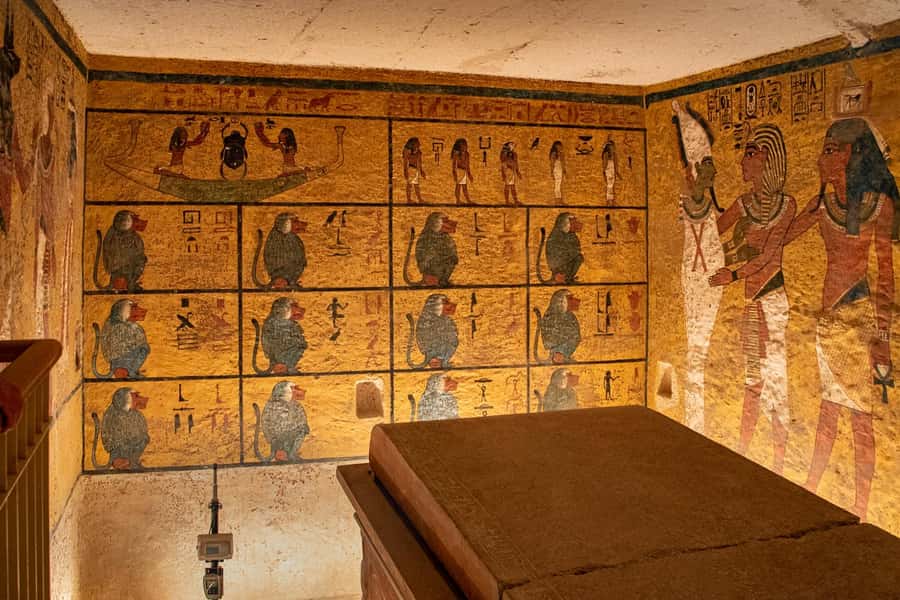
Then comes the river. You’ll board a felucca, a traditional wooden boat, for a scenic ride on the Nile. This is a good change of pace from temple stone and tomb corridors—suddenly you’re dealing with light, water, and wide open views.
One practical consideration: the sailing time can be affected by how the boat operates on the day. In at least one case, the felucca ride wasn’t a long, pure sail and was supported by a motor for part of the movement. That doesn’t ruin the experience, but it’s smart to expect something more like a relaxed scenic ride than a guaranteed hours-long drifting journey.
Still, even a shorter felucca moment can be worth it because it reorients Luxor. You start seeing how the river shaped where everything was built.




Valley of the Kings: where Tutankhamun becomes the focus
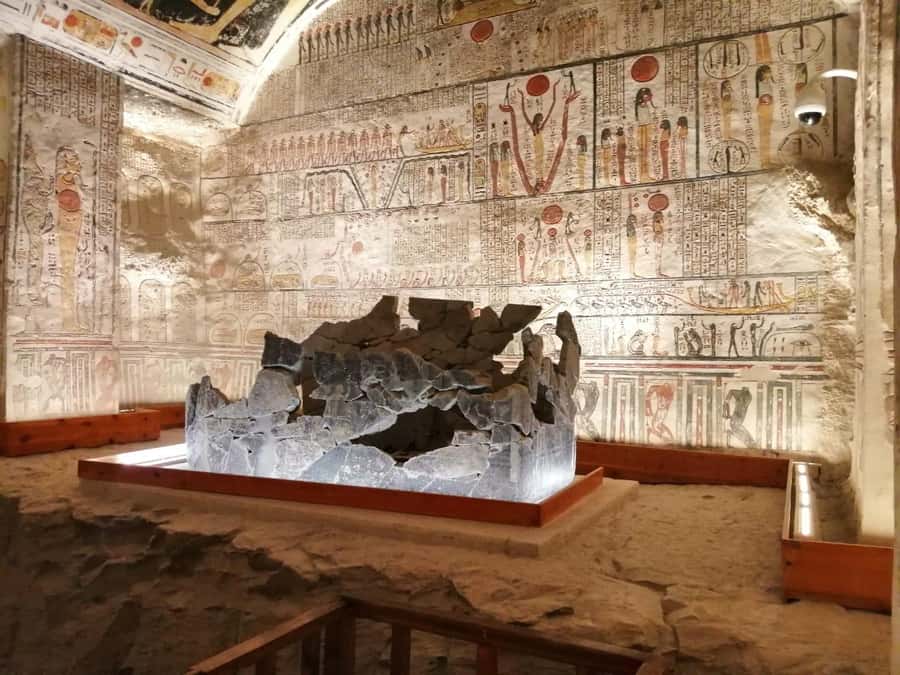
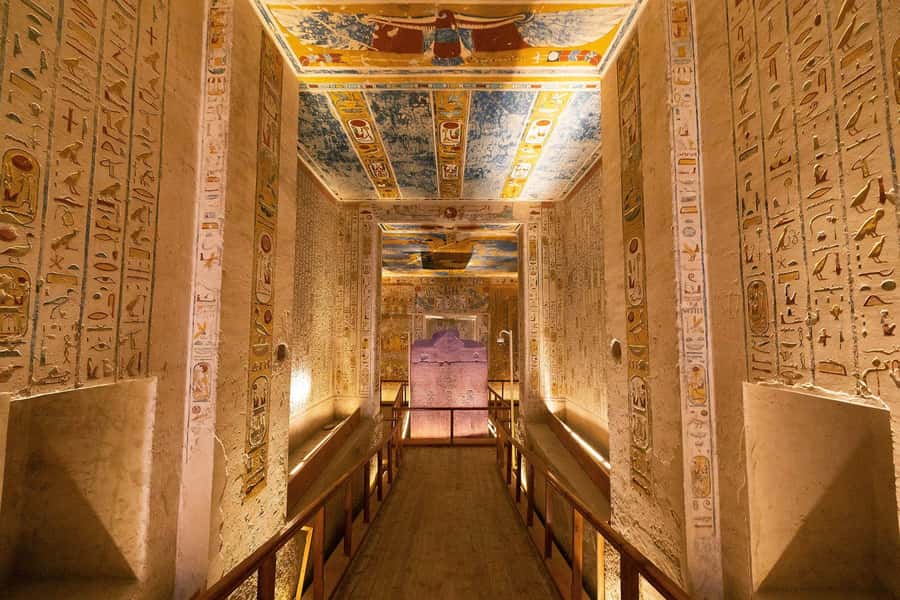
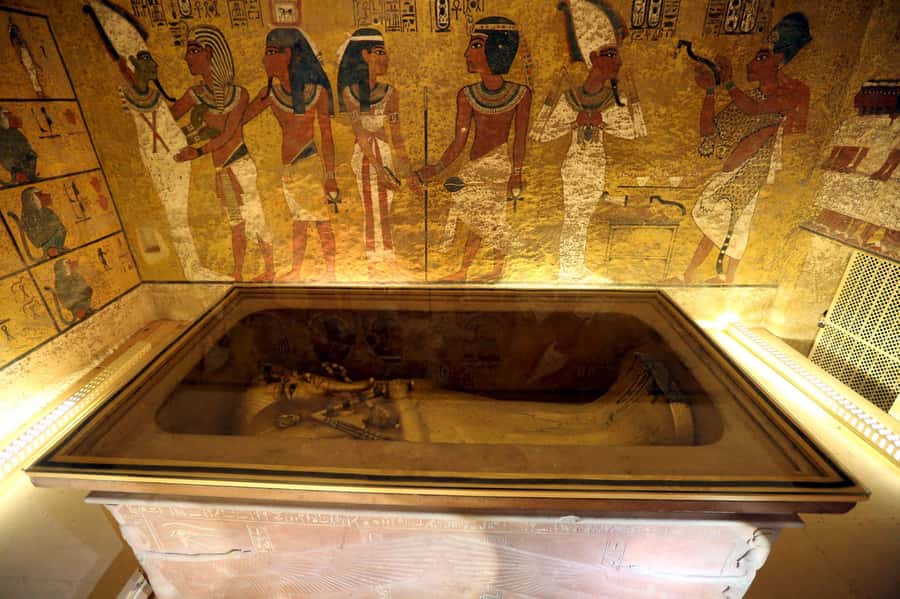
The West Bank is where Luxor turns serious. The Valley of the Kings is your next stop, and it’s set up to give you multiple tomb visits—typically three tombs—before your headline stop at the Tomb of Tutankhamun.
What makes this meaningful is context. In a guided setting, you’re not just looking at doors and corridors. You’re learning why tombs were placed here, how the designs reflect beliefs about kingship and the afterlife, and what makes Tutankhamun’s tomb so famous.
A common frustration with tomb sites is feeling rushed because lines and crowds eat the day. Here, the plan includes guided time plus photo stops, and the Tutankhamun time is carved out as its own focused visit. That structure helps you actually see, rather than just pass through.
Bring patience for the environment inside tombs. They’re not designed for comfort; they’re designed to be tomb spaces. Comfortable shoes matter because even short distances can involve uneven stone and steps.
Hatshepsut’s Mortuary Temple at Deir el-Bahari
Next is Queen Hatshepsut’s mortuary temple, set into the cliffs of Deir el-Bahari. This is one of those stops where you can feel the site was built to impress. Those massive terraces rising above the desert floor give you that layered view that photos can’t fully capture—especially once you stand where the temple dominates your field of vision.
Hatshepsut is a powerful story to understand here. Your guide frames the significance behind the structures, so the terraces stop being just pretty geometry and start reading like political and religious messaging in stone. You’ll get guided time plus a bit of free time, so you can step back and watch the terrace lines from different angles.
If you’re sensitive to heat, plan to pause in shade whenever possible. The time you spend taking in the terraces is worth it, but don’t try to brute-force the whole area without breaks.
Colossi of Memnon: a strong finale tied to Amenhotep III
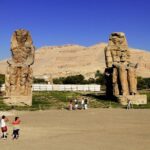
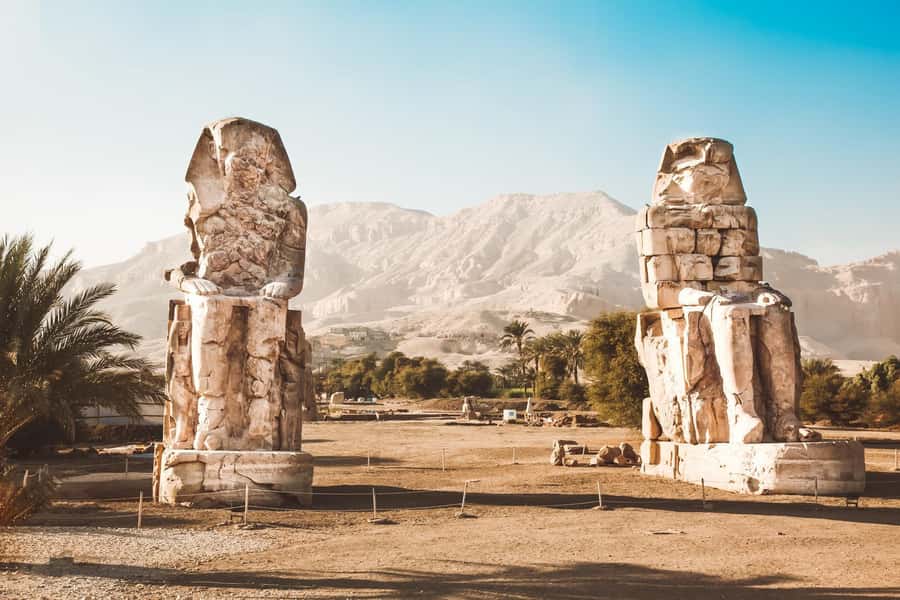
After Hatshepsut, you’ll head to the Colossi of Memnon. These are the giant seated statues associated with the mortuary temple of Amenhotep III, and they make a striking ending point because they’re so large you feel them in your sense of scale.
This stop is shorter, but it’s a good reminder of how West Bank building projects worked over time. You see one era’s story at Hatshepsut’s terraces, then you close with another era’s monumental remnants. If you’re starting to feel worn out, this is still a satisfying payoff because the statues don’t require long explanations to register their impact.
Use this moment for photos, but also do a quick visual check around the area. The best photos usually come from shifting your position slightly, not just aiming straight ahead.
Timing and pacing: enough time, but don’t underestimate the full day
Overall, the tour packs a lot into 15 hours, and the pacing is built around frequent photo stops and scheduled guided sections. You won’t have hours at a single site, but you do get structured time to look, listen, and take photos without feeling completely abandoned.
One thing that shows up in how people rate this kind of itinerary: a smooth day often depends on the guide and driver keeping the group moving at the right speed. You’ll want to follow the instructions from your guide closely, especially on sites where paths can funnel you quickly.
Also, if you’re prone to motion sickness, consider taking something before the drive. The minivan ride is long enough that small discomfort can become a bigger problem if you ignore it early.
Who this tour suits best (and who might want a different plan)
This tour fits best if you want Luxor’s top hits in one shot. It’s ideal for first-timers, people staying in Hurghada who don’t want to sleep in Luxor, and anyone who values a guided explanation to connect the dots between Karnak, Tutankhamun, Hatshepsut, and Amenhotep III.
It may not be perfect if you:
- Prefer slow travel with flexible time in just one or two sites
- Have limited stamina for walking and steps (even short distances)
- Expect a relaxed, leisurely day on the water and in museums
If you’re going with kids, the schedule can still work, but you’ll want to help them stay engaged with photo goals and short attention breaks.
Should you book this Luxor Highlights & King Tut Tomb Tour?
I’d book it if you want a high-value Luxor day from Hurghada with tickets handled, a guide doing the translating, and a real chance to see Karnak, the Valley of the Kings, King Tut’s tomb, Hatshepsut’s terraces, and the Colossi of Memnon in one go. At $150, the price feels fair because it includes the hardest parts to assemble yourself: transport, entry tickets, and guide time.
I’d be more cautious if you know you struggle with long days. This is 15 hours, and you’ll spend a lot of it traveling and moving between sites. If that sounds exhausting, consider a multi-day plan in Luxor instead.
If you do book, set yourself up for success: wear solid shoes, bring sunscreen and sunglasses, and pack a snack mindset so hunger doesn’t slow you down.
FAQ
How long is the Luxor highlights tour from Hurghada?
The total duration is 15 hours.
What sites are included in the tour?
You visit Karnak Temple, the Valley of the Kings (including the Tomb of Tutankhamun), Queen Hatshepsut’s mortuary temple, and the Colossi of Memnon, plus a felucca ride on the Nile.
Is lunch included?
Yes, lunch is included.
Are entry tickets included?
Yes. Entry tickets are included for Karnak Temple, the Valley of the Kings, Hatshepsut Temple, and the Tomb of Tutankhamun.
What’s included for hotel pickup and drop-off?
Roundtrip hotel transfer is included from Hurghada. Pickup from other areas like Makadi Bay, Sahl Hasheesh, El Gouna, Safaga, and Soma Bay may cost extra.
What languages are available for the guide?
The tour offers Egyptologist guidance in multiple languages, including Arabic, English, French, German, and Spanish.
What should I bring with me?
Bring comfortable shoes, sunglasses, sunscreen, comfortable clothes, and a passport or ID card (a copy is accepted).