Giza does that thing where it stops time. This half-day tour packs in Pyramids of Giza photo time plus a visit to the Great Sphinx, with a guide who helps you time the light and angles for great shots. I also like the practical plan: hotel pickup and drop-off, timed stops, and a local lunch that keeps the day from turning into a scramble. The main drawback to consider is simple—some big extras (like camel rides and pyramid interior entry) aren’t guaranteed in every booking, so you’ll want to confirm what’s included for your exact option.
You’ll meet your guide in your hotel lobby at 9:00 a.m. (from Cairo), and the format is built for your group only, not a crowded bus shuffle. The day runs about 4 to 6 hours, and you get a mobile ticket plus the entry you need for the core stops. One more thing to think about: if you’re starting from areas outside central Cairo, there’s a listed supplement for airport hotels and New Cairo / Nasr City pick-up.
In This Review
- Key highlights before you go
- A budget half-day in Giza for $10: what you’re really buying
- Hotel pickup and timing: how the 4–6 hours play out
- Stop 1: Two hours at the Pyramids of Giza (and why time matters)
- The Great Pyramid context you’ll hear
- A small caution
- Panoramic views and the camel ride: fun with a few practical angles
- Great Sphinx and Valley Temple: a guard, not just a statue
- Timing note
- What I like about this stop
- Physician’s Tomb (Mastaba of Ankh-Mahor): the stop most people skip
- Lunch at a local VIP restaurant: easy food, right tempo
- Optional pyramid interiors and the Solar Boat: ask early, then plan your energy
- Who this Giza Pyramids and Sphinx tour is best for
- Should you book this tour? My practical take
- FAQ
- How long is the tour?
- Where does the tour start and where is the meeting point?
- Is hotel pickup and drop-off included?
- Are tickets for the Pyramids of Giza and the Great Sphinx included?
- Is the camel ride included?
- Can I enter a pyramid interior or visit the Solar Boat?
- Is this tour private?
Key highlights before you go
- Hotel pickup and drop-off mean less Cairo stress before you reach Giza
- Egyptologist guide helps you understand what you’re looking at, not just pose near it
- Two hours at the Pyramids area gives real time for photos and a slow walk
- Sphinx + Valley Temple connects the monument to the ritual landscape
- Mastaba of Ankh-Mahor (Physician’s Tomb) adds a lesser-known stop in the Giza Necropolis
- Optional extras like pyramid interiors or Solar Boat tickets can add complexity, so plan to ask first
A budget half-day in Giza for $10: what you’re really buying
Let’s talk value, because at $10 per person, this tour is priced like a bargain ticket—not a premium sightseeing day. In return, you’re not getting a long itinerary or a packed museum crawl. You’re getting the core wow-factor: Pyramids of Giza and the Sphinx, plus a guide, pickup, and the admissions that matter most for those stops, along with a local lunch.
For many first-timers, the Pyramids day is really about three things: time, context, and stress level. This plan hits time (you get a solid window in the Pyramid area), context (you’re with an Egyptologist guide), and stress level (pickup and drop-off are included). If you’re trying to do Giza on a tight schedule or budget, that’s a smart approach.
The trade-off is that the “optional” items can change the feel of the day. A camel ride, pyramid interiors, or Solar Boat access can mean extra waiting, extra rules, or extra timing. You can still have a great trip—just don’t assume every add-on is automatically included at no cost.
You can also read our reviews of more tours and experiences in Cairo.

Hotel pickup and timing: how the 4–6 hours play out
Your start time is 9:00 a.m., with your guide meeting you in the hotel lobby. The route is designed so you don’t lose half a day negotiating taxis or figuring out drop-off points. You also get a scheduled duration of about 4 to 6 hours, which is long enough to see the highlights without turning into a marathon.
In practical terms, that short-ish window means you should have a plan for what you want most:
- Want the best photos? Spend your energy at the Pyramids area and the panoramic photo stop.
- Want the most storytelling? Pay attention during the Sphinx and Valley Temple portion.
- Want the “wow” up close inside monuments? That’s where optional interior access comes into play.
Also note the format: it’s a private tour/activity, so it’s only your group. That usually means less waiting for strangers, fewer compromises, and more room to ask questions.
Stop 1: Two hours at the Pyramids of Giza (and why time matters)
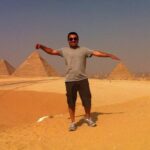
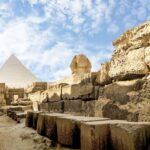
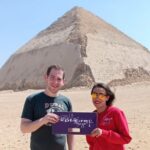
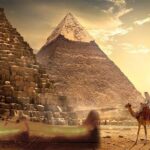
This is the centerpiece. You’ll spend about 2 hours around the Pyramids of Giza, with admission included. The route is built around the major kings’ pyramids—Cheops (Great Pyramid), Chephren, and Myke Rinus—and the idea is straightforward: walk, look, take photos, then look again with a better brain.
Why the two hours feel right: the Pyramids aren’t a “one photo and leave” site. Your best shots depend on where the light lands, your walking pace, and how crowded the area feels at that moment. Two hours gives you the breathing room to:
- find angles you like,
- re-check the view after you move a few steps,
- and actually absorb what you’re seeing without rushing.
The Great Pyramid context you’ll hear
You’ll also get the key historical framing: Egyptologists believe the Great Pyramid of Giza was built as a tomb for Pharaoh Khoo and constructed over 2560 BC across a long period of time (about 14 to 20 years, as presented in the tour description). That kind of overview matters because it keeps the visit from becoming only a photo mission.
A small caution
The Pyramids area can be physically demanding—sand, uneven ground, and long sightlines. If you’re sensitive to heat or walking, pack water, and plan for pauses. With only a half day, you want your energy to last through Stop 1.


Panoramic views and the camel ride: fun with a few practical angles
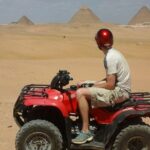
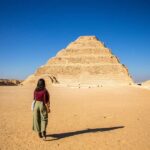
After your main Pyramids time, you move to a panoramic view stop for about 1 hour, with admission listed as free for that segment. This is where the day turns more playful: you take more photos and get a chance to experience the view from horseback-level height.
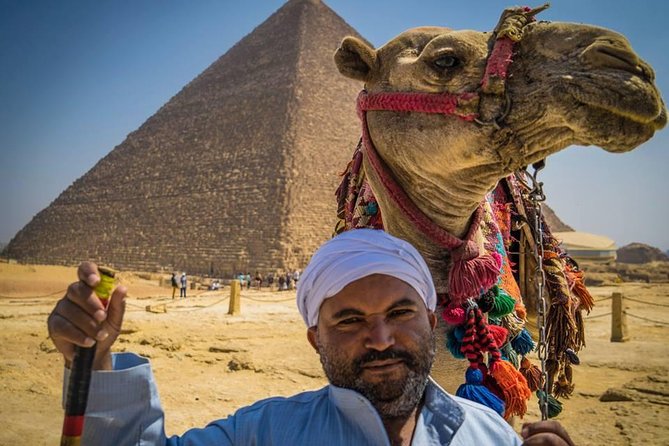
The tour info describes a camel ride (about 25 minutes) and calls it part of the plan, but the “Not Included” section also labels the camel ride as optional. So here’s the practical advice: when you book, confirm whether your camel ride is included in your selected option and what exact duration you should expect.
Even if you do ride, treat it as a short add-on, not the main event. The Pyramids themselves are the real star. The camel ride works best as a bonus perspective—something that helps you feel the scale without needing to hike to every possible viewpoint.
Great Sphinx and Valley Temple: a guard, not just a statue
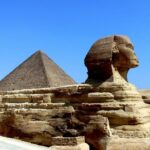
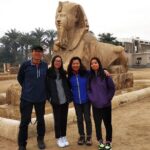
Next up is the Great Sphinx, followed by the Valley Temple associated with the Pyramid of Chephren. The Sphinx portion is described with a clear identity: it has the head of a pharaoh with a lion’s body, and it dates to the time of Chephren, functioning as a guard for the pyramids.
Then you’ll visit the Valley Temple, described as a place tied to purification and mummification processes before burial. That matters because it changes how you read the Sphinx. Instead of just seeing a famous face, you see it as part of a larger sacred setup.
Timing note
This section runs about 1 hour. One hour is enough to see the key sights, but not long enough to do everything slowly. If you care about photos, prioritize angles quickly and keep your questions for the guide while you’re there.
What I like about this stop
I like the connection between the monument and the temple function. Giza can feel like separate attractions if your day is only about walking from one “thing” to another. This stop keeps the story tied together.
Physician’s Tomb (Mastaba of Ankh-Mahor): the stop most people skip
Then comes one of the more interesting curveballs: Mastaba of Ankh-Mahor, also called the Physician’s Tomb. It’s scheduled for about 1 hour and is included in the tour fees.
Here’s the value of this stop: it adds depth to your Giza day without repeating the same pyramid views. The tomb remains an important site for understanding the grandeur of the Giza Necropolis and the legacy of royal Egyptian queens. The tour description also highlights Meresankh III, giving you a specific name to anchor the story.
If you’re the kind of traveler who gets tired of “big monument, next photo,” this is the segment that helps you feel the place beyond its surface fame.
Lunch at a local VIP restaurant: easy food, right tempo
You’ll take lunch at a VIP Restaurant with your guide. The listing doesn’t describe the exact menu, but it does give you what you need for decision-making: it’s planned, and it happens while you’re already at Giza.
For a half-day tour, planned lunch is a big deal. It keeps you from:
- hunting for food between sites,
- spending time on transfers just to eat,
- or letting hunger steal your attention.
If you have dietary needs, you’ll want to ask before you go. The day’s timing is tight, so you shouldn’t count on last-minute changes.
Optional pyramid interiors and the Solar Boat: ask early, then plan your energy
One of the most exciting possibilities in the tour description is the chance to enter a pyramid interior—either from the Great Pyramid or another pyramid at Giza. It also mentions Solar Boat options, with tickets arranged through the ticket office with your guide.
That’s the part to handle carefully:
- Interior access often depends on rules, timing, and ticket availability.
- Adding interior entry can change your pace, and your main two-hour window at the Pyramids might need to stretch or shift.
- Solar Boat tickets sound like an additional process that needs coordination at the ticket office.
So if interior access is a must for you, confirm details during booking:
- Is pyramid interior entry included in your chosen option?
- Is the Solar Boat add-on handled on the day, and how much extra time might it take?
This is one reason the tour feels like good value: you get the core sites covered, and you have the option to add the deeper, higher-cost-feeling experiences if they fit your interests.
Who this Giza Pyramids and Sphinx tour is best for
This tour works especially well if you:
- want a first-time Giza day that doesn’t drag on all day,
- like having an Egyptologist guide tell you what you’re looking at,
- care about taking photos without getting lost in logistics,
- and prefer a private setup over crowd-management.
It’s also a good fit if you’re staying in central Cairo and can use the included pickup and drop-off. The route is built for convenience.
If you’re the type who loves long, slow museum days, this may feel short. But for most people, the short plan is a feature, not a bug.
Should you book this tour? My practical take
Book it if you want the headline Giza experience—Pyramids and Sphinx—with a guide, admissions, and lunch, at a budget price that still covers the “important parts.” The two-hour Pyramids window is the right chunk of time, and the added stops (Valley Temple and Mastaba of Ankh-Mahor) give you more than just the classic photo-and-go formula.
Skip or at least double-check details if you’re counting on extras. The camel ride is marked as optional in the tour notes, and pyramid interiors plus Solar Boat access depend on ticketing and timing. If those are your top priorities, confirm before you go so you don’t end up disappointed when the day gets busy.
FAQ
How long is the tour?
The tour runs about 4 to 6 hours.
Where does the tour start and where is the meeting point?
You meet your guide in the lobby of your hotel at 9:00 a.m. The start location is listed as Giza Governorate, Egypt.
Is hotel pickup and drop-off included?
Yes, hotel pickup and drop-off are included.
Are tickets for the Pyramids of Giza and the Great Sphinx included?
Yes. Entry/Admission is included for the Pyramids of Giza Tours and the Great Sphinx.
Is the camel ride included?
The tour information says camel rides are part of the plan, but the “Not Included” section lists the camel ride as optional. Confirm what’s included in your booking option.
Can I enter a pyramid interior or visit the Solar Boat?
The tour description says there is a possibility of entering any of the pyramids from inside, and that Solar Boat tickets are handled from the ticket office with your guide. You’ll want to verify availability and timing with the guide.
Is this tour private?
Yes. It’s described as a private tour/activity, and only your group will participate.
If you want, tell me your travel month and whether pyramid interior access is a must. I can help you decide how to prioritize the time during the 4–6 hour day.