REVIEW · PORT SAFAGA
From Hurghada: 2-Day Private Tour of Luxor and Abu Simbel
Book on GetYourGuide →Operated by FTS Travels · Bookable on GetYourGuide
A trip like this has one job: get you close to ancient Egypt fast, without the hassle of planning. This private 2-day Luxor and Abu Simbel route gives you Valley of the Kings storytelling, plus the big-name temples in Luxor and Abu Simbel with an Egyptologist guide. I love that the plan is built around meaningful site stops, not random photo stops. One thing to consider: the schedule is tight and the long driving days can be tiring.
What makes this experience feel worth it is the mix of iconic ruins and a real guide who connects details to the bigger picture. In Luxor you’ll pair royal funerary sites with temples tied to powerful pharaohs, then in Aswan you get a proper break in a five-star hotel. The main drawback is straightforward: it’s not for everyone—this tour isn’t suitable for pregnant women, people with mobility impairments, or anyone with heart problems.
If Abu Simbel is the reason you’re coming, you’re in the right place. Day two is all about those temples and the explanations that make the scale and symbolism click. Just know the transfer times are long (Hurghada to Luxor about 4–5 hours; Luxor to Abu Simbel about 3–4 hours), so plan for a “sit, see, repeat” kind of day.
In This Review
- Key things I’d circle on your checklist
- Why This Luxor and Abu Simbel Plan Works From Hurghada
- Private Transfers and the Reality of Long Drives
- Day One in Luxor: Valley of the Kings and the Pharaohs’ Final Rest
- Hatshepsut Temple and Colossi of Memnon: Big Statements in Stone
- Lunch by the Nile: A Break That Actually Helps
- Karnak Temples: The Largest Temple Complex Still Feels Human-Scale When You Have Context
- Aswan Overnight in a 5-Star Hotel: Why a Real Bed Matters
- Day Two to Abu Simbel: Temples With Weight, Not Just Views
- Egyptologist Guide: How It Turns Monuments Into a Story
- Price and Value: What You’re Really Paying For at $528
- Who This Tour Fits Best (and Who Should Skip It)
- What to Bring (So Day One Feels Good and Day Two Doesn’t Drag)
- Should You Book This Private Tour?
- FAQ
- What sites are included in the Luxor part of the tour?
- Is Abu Simbel included, and how is day two planned?
- How long are the transfers from Hurghada to Luxor and from Luxor to Abu Simbel?
- Does the tour include an Egyptologist guide and entrance fees?
- Where do hotel pickups and drop-offs happen?
- What kind of hotel stay is included in Aswan?
- What languages are available for the tour?
- Are there any restrictions on who should book?
- What should I bring with me?
Key things I’d circle on your checklist
- Valley of the Kings time: you’ll explore the final resting place of Egyptian rulers from the 18th to the 20th dynasty
- High-impact Luxor stops: Hatshepsut Temple, Colossi of Memnon, and Karnak Temple in one smooth flow
- Real explanations with an Egyptologist guide: you don’t just walk—you understand
- Aswan overnight in a 5-star hotel: a genuine reset after the Luxor day
- Private transfers with air-conditioning: comfort matters when drives are measured in hours
- Abu Simbel temples on day two: two big monuments that are easy to make the centerpiece of your Upper Egypt trip
Why This Luxor and Abu Simbel Plan Works From Hurghada
Most people who visit Hurghada eventually end up thinking about Luxor and Abu Simbel—but the big question is always logistics. This tour’s value is that it bundles the heavy travel into a guided, private format. You’re not trying to stitch together buses, tickets, and pickup headaches. You start with hotel pickup in Hurghada, then you run the classic Upper Egypt “greatest hits” route with someone coordinating the day.
What you’ll notice right away is the pace. Luxor day is packed: funerary monuments, a standout temple, monumental statues, lunch, then Karnak. That’s a lot, but it’s also how you make a short trip feel complete. If you prefer slow travel and long museum-like pauses, you might feel rushed. If you like getting your wow moments in a smart order, this plan is built for you.
The other practical win is the guide format. The tour includes an Egyptologist guide, and that changes the experience. These aren’t just big piles of stone. You’re hearing why they were built, what they meant, and how the sites connect through the reigns and beliefs of ancient Egypt. On a two-day itinerary, that matters because you’re going to see a lot—fast—and understanding keeps it from turning into a blur.
You can also read our reviews of more tours and experiences in Port Safaga.

Private Transfers and the Reality of Long Drives
The backbone of this trip is movement. Expect roughly 4–5 hours by car from Hurghada to Luxor, and about 3–4 hours from Luxor to Abu Simbel. Then you’ll ride back comfortably to Hurghada at the end of day two.
The comfort details you get here are worth paying attention to:
- Air-conditioned vehicle for the transfers
- Private pickup and drop-off from your hotel in Hurghada
- Entrance fees and service charges included, so you’re not constantly negotiating ticket logistics in-between sights
One pattern shows up in real-life experience: when a transfer is long, small comfort differences become big. Some groups even report being on a smaller vehicle rather than a crowded coach, which can make the ride feel less stressful. Either way, you’ll want to bring what keeps you sane: water, sunscreen, and comfortable clothing. The tour also asks you to bring a pillow, which is a hint that the company expects you to be doing real hours of sitting.
Two more practical notes:
- This tour isn’t ideal if you have mobility challenges. The sites involve walking and uneven ground.
- If you’re sensitive to travel fatigue, bring a slower mindset: you’re going to spend time on the road, then you’ll switch gears into temples and monuments.
Day One in Luxor: Valley of the Kings and the Pharaohs’ Final Rest
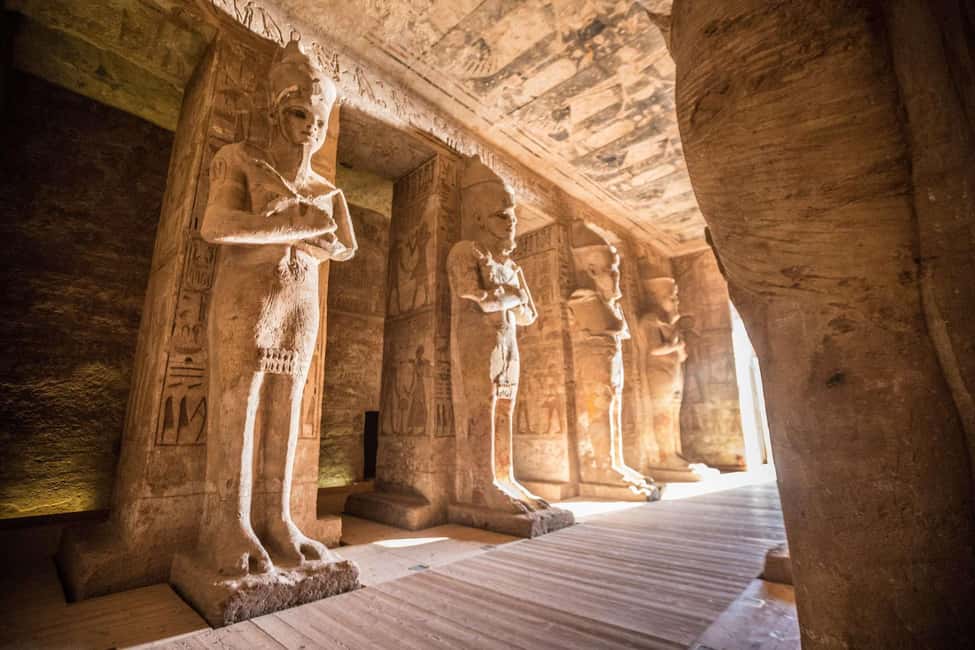
Day one starts in Luxor with an Egyptologist guiding you through the major royal storylines. The headline stop is the Valley of the Kings, the final resting place for rulers from the 18th to the 20th dynasty. This is the kind of site where guidance can make a huge difference. Without context, it can feel like “lots of tombs.” With context, it becomes a place where power, belief, and afterlife planning show up in the layout and design.
What I like about the way this tour handles it is that it doesn’t treat the valley as a single photo stop. You’re there to explore, and the guide is there to help you understand what you’re seeing. Expect walking around temple and tomb areas in a way that can take time, especially in warm weather.
A realistic consideration: tomb entry can sometimes involve extra cost if you’re aiming for a specific, famous tomb. For example, there can be an additional charge if you want to see the tomb associated with Tutankhamun. If that’s a must for you, ask your guide up front so you can decide early and avoid an awkward surprise partway through the day.
Hatshepsut Temple and Colossi of Memnon: Big Statements in Stone

After the Valley of the Kings, you move into two stops that feel like they belong in the same conversation: Hatshepsut Temple and the Colossi of Memnon.
Hatshepsut’s temple is one of the best-preserved ancient Egyptian temples you’ll run into on this route. It’s also tied to a ruler who matters for understanding how Egypt remembered power. Even if you’ve heard her name before, it’s the setting and the details that make it stick. You’ll see the temple as a carefully staged monument, not just a building.
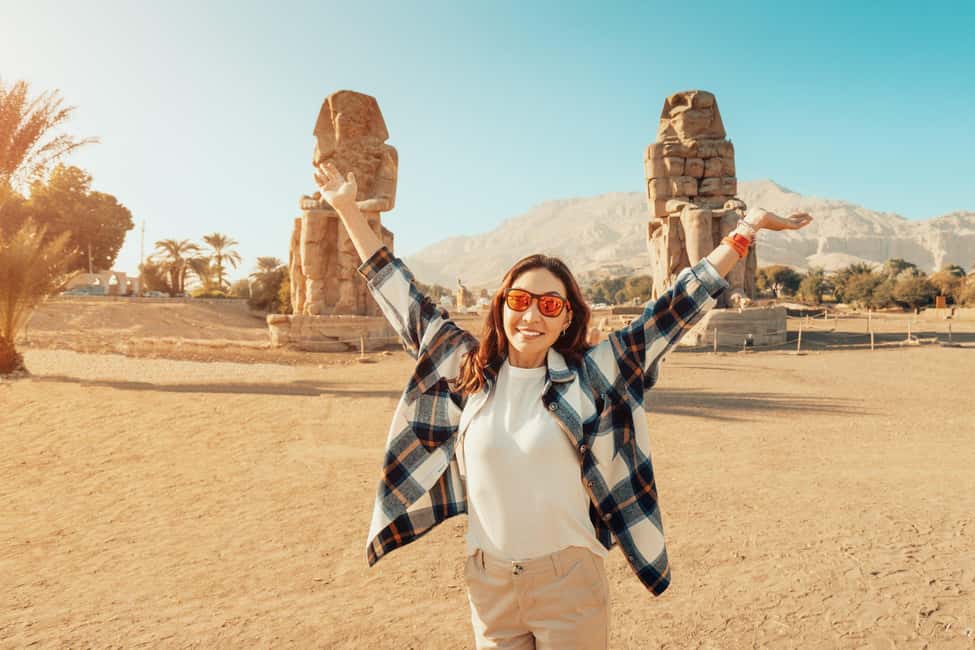
Then you’ll hit the Colossi of Memnon: two colossal stone statues of King Amenhotep III. These statues are famous because they’re huge, but what’s more interesting is why they feel so physical. They’re massive in a way that makes you realize people once built for generations of memory, not for today’s quick attention.
The practical takeaway: these stops work well after the valley because they shift the experience from “royal burial landscapes” to “royal monuments.” You get variety without losing the theme.
Lunch by the Nile: A Break That Actually Helps
Between the heavy sights, you’ll enjoy lunch at a restaurant with views of the Nile. This might sound like a nice-to-have, but it’s not just about scenery. When you’re on a tight itinerary, lunch becomes recovery time. It’s where you reset your energy, cool down a bit, and get ready for Karnak.
Also, keep in mind that meals in tourist areas can be pricier than what you might expect at home. Having some cash can help for any extras that come up. The tour suggests bringing cash, and that’s a good idea if you want flexibility for drinks or small purchases during the day.
Karnak Temples: The Largest Temple Complex Still Feels Human-Scale When You Have Context
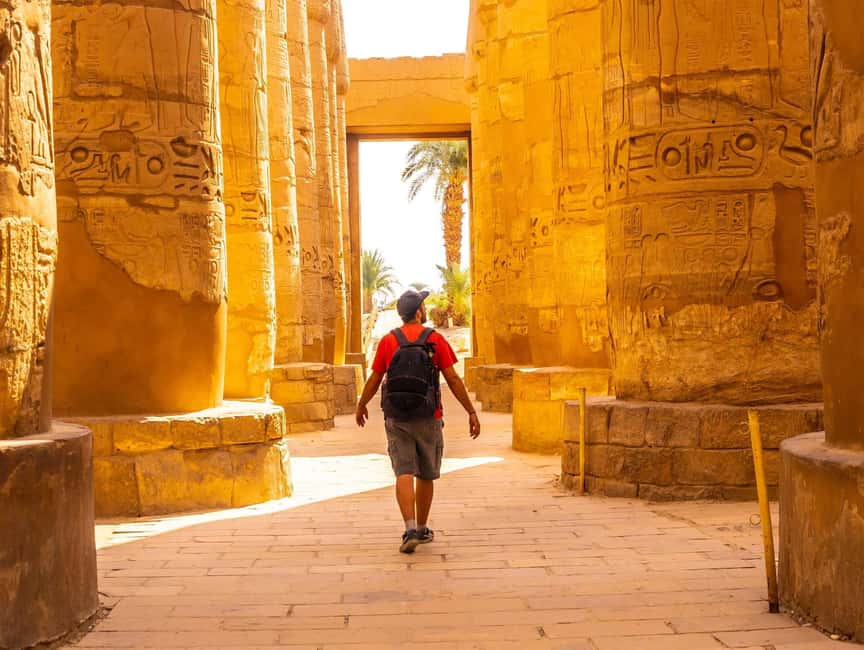
Later in the day, you’ll visit the Karnak Temple, the largest temple complex ever built. This is where scale can overwhelm you if you’re not mentally prepared. The good news: a guide helps you avoid the “where do I look?” problem.
Karnak is massive, and it’s not one single thing. It’s a collection of spaces and structures built over time. With the explanations, you’ll start to see patterns: what sections represent, why certain elements exist, and how the temple functioned as more than a monument. Without that guidance, many people end up focusing only on the biggest structures. With guidance, you can connect the site to the wider story of ancient Egypt.
This stop is also where timing matters. You’ll likely be walking in open areas, so sunscreen and a hat can be the difference between enjoying the day and counting minutes.
Aswan Overnight in a 5-Star Hotel: Why a Real Bed Matters
After Luxor, you’ll drive to Aswan and check in to a five-star hotel. This overnight stay is one of the smartest parts of the plan. Instead of rushing onward to Abu Simbel the same day, you get time to sleep, wash up, and reset.
From a value point of view, the hotel is doing more than adding comfort. It’s protecting your day two. Abu Simbel isn’t an easy add-on. You’ll travel again, and you’ll spend time at large open monuments. A proper night’s rest makes your second day feel like a highlight instead of a chore.
If you care about practical comfort, this is the section that earns its place. Five-star here means you’re more likely to get quiet downtime after a full day of walking and driving.
Day Two to Abu Simbel: Temples With Weight, Not Just Views
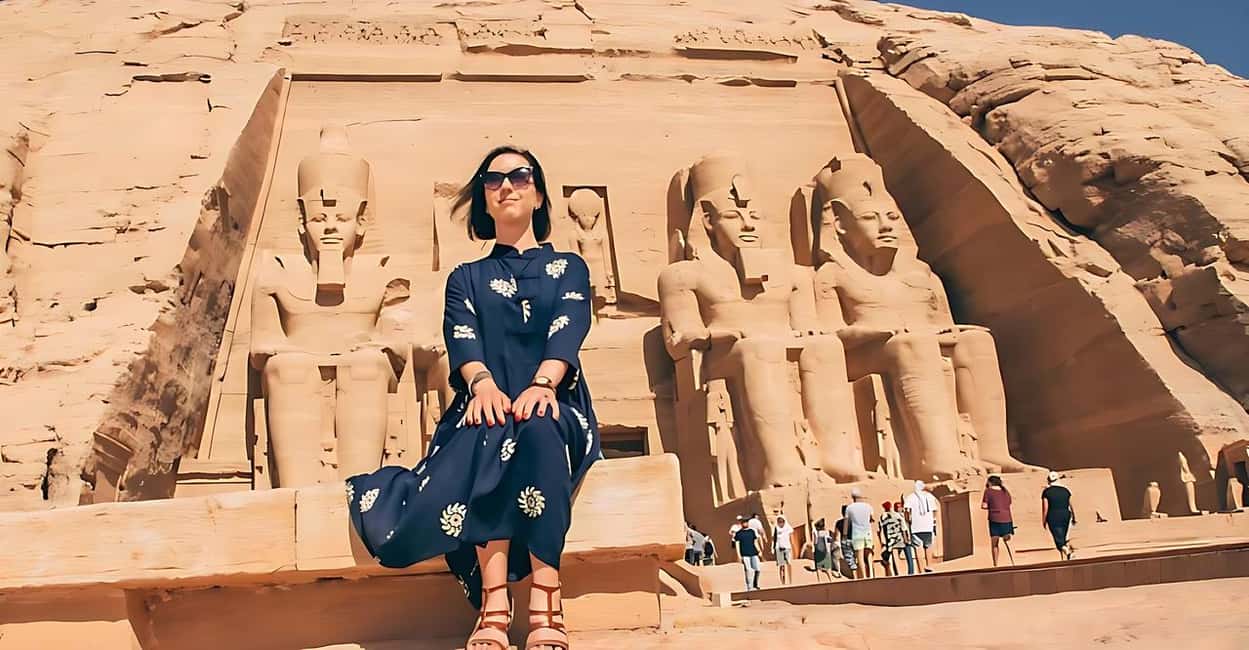
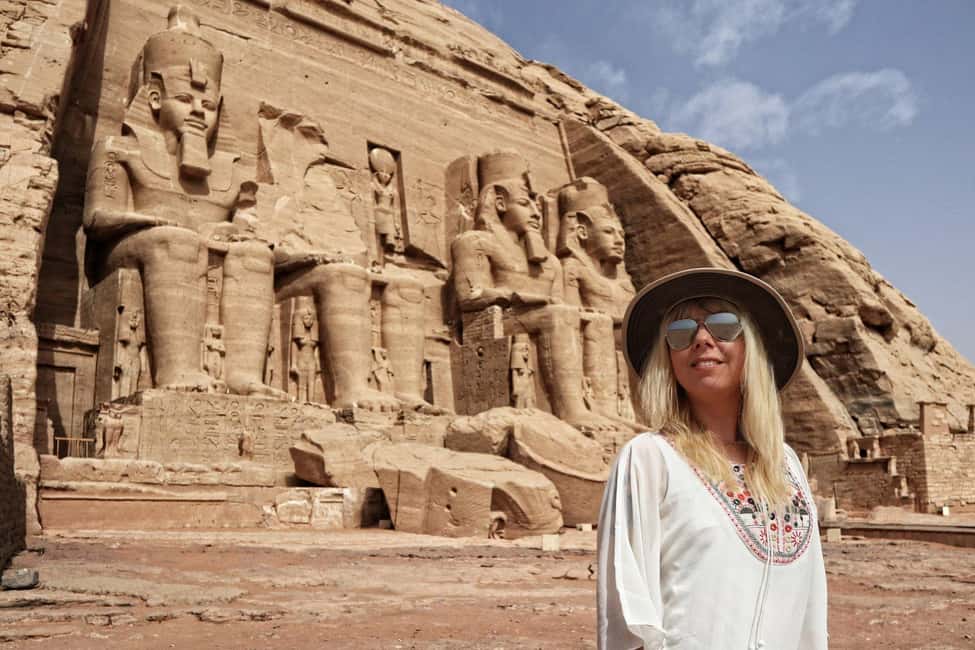
Day two focuses on Abu Simbel, with a tour of the two temples. You’ll rejoin your guide and get explanations behind each archaeological site. The point of Abu Simbel isn’t only that it’s famous. It’s that it’s visually dramatic and historically loaded.
Two temples can mean you’ll see different aspects of the same broader story. Your Egyptologist guide’s role here is to connect what you’re looking at to ancient Egyptian religious and political goals. If you’ve ever wondered why some monuments feel like they were designed to communicate a message, Abu Simbel is where that idea becomes obvious.
One thing to manage is the energy level. You’ll travel from Luxor to Abu Simbel and back to Hurghada in the same two-day experience. That means you want to treat the morning as your priority focus and allow yourself to enjoy the sites without rushing to squeeze in “one more thing” beyond the planned route.
At the end of the day, you ride back to Hurghada in comfort. After two big days, that comfortable return is a big part of why a private tour is worth considering.
Egyptologist Guide: How It Turns Monuments Into a Story
On tours like this, the guide is often the difference between a list of landmarks and a real experience. This one includes an Egyptologist guide, and the impact shows in practical ways:
- you understand what each site represents
- you know why certain monuments were built
- you can ask questions without feeling like you’re interrupting a script
The names you may see assigned to groups can vary, and you might be lucky with someone like Nagla or Khaled, who are known for strong explanations and attention to timing. In other cases, people have thanked Assem for a great day. The details may differ by guide, but the structure stays the same: you’re guided through the story, not just taken from stop to stop.
A pro move: ask your guide for the top thing you should notice at the next site. It takes 10 seconds and can make the rest of the visit feel much more satisfying.
Price and Value: What You’re Really Paying For at $528
At $528 per person, this isn’t a budget transfer. It’s a value decision. Here’s what that price typically buys you in real terms:
- Private air-conditioned vehicle with hotel pickup and drop-off
- Overnight hotel stay in Aswan (five-star)
- Egyptologist guide for the guided stops
- Entrance fees included plus service charges and taxes
Where the value shows up most is that you’re paying for organization. You’re saving yourself the “figure it out” work of transportation, timing, and ticket coordination—especially when you’re coming from Hurghada, not from inside Upper Egypt.
Is it worth it? For many people, yes—particularly if you want to cover Luxor and Abu Simbel in a short timeframe and you want expert context on the sites. If you’d rather travel slow and arrange everything yourself, you might find cheaper options. But if you’re optimizing for time, comfort, and guided storytelling, this tour’s price starts to make sense.
Who This Tour Fits Best (and Who Should Skip It)
This tour fits best if you:
- want a private experience from Hurghada
- like guided explanations and historical context
- can handle a busy schedule and long drives
- want to see major sites in Luxor and still make Abu Simbel happen
You should think twice if you:
- are pregnant
- have mobility impairments
- have heart problems
- get very worn out by long travel days
A quick note on family travel: the itinerary can work for older kids and teens if the family is comfortable with long days. The key is whether your group can manage the pacing and walking.
What to Bring (So Day One Feels Good and Day Two Doesn’t Drag)
The tour’s packing list is simple for a reason. Bring:
- comfortable shoes
- sun hat and sunscreen
- camera
- comfortable clothes
- passport (a copy is accepted)
- cash
- pillow
The cash part matters because you might want extra drinks or you may decide on-site about any optional add-ons. And comfortable clothes are not about style here—they’re about surviving heat and walking.
If you’re prone to travel aches, consider bringing basic meds and water planning items. The tour also recommends bringing medications if needed and checking with your doctor if you have health concerns.
Should You Book This Private Tour?
Book it if you’re making a short Egypt trip and want Luxor plus Abu Simbel without turning your days into logistics puzzles. The standout strengths are the guided approach (Egyptologist-led), the smart site lineup (Valley of the Kings, Hatshepsut, Memnon, Karnak, then Abu Simbel), and the overnight in a five-star Aswan hotel that protects your second day.
Skip or choose another option if you strongly prefer slow pacing, you don’t do well with long car days, or you fall into the tour’s non-suitable categories (pregnancy, mobility impairments, heart problems). Also, if Abu Simbel or a specific tomb is a must, ask early about any additional charges so you can budget calmly.
If you’re the type who wants big ancient Egypt moments delivered in a tight, well-managed format, this private two-day Luxor and Abu Simbel tour is a solid choice.
FAQ
What sites are included in the Luxor part of the tour?
You’ll explore the Valley of the Kings, and you’ll also visit Hatshepsut Temple, the Colossi of Memnon, and Karnak Temples.
Is Abu Simbel included, and how is day two planned?
Yes. On day two, you’ll visit the two temples of Abu Simbel with your Egyptologist guide, then return to your hotel in Hurghada.
How long are the transfers from Hurghada to Luxor and from Luxor to Abu Simbel?
The drive from Hurghada to Luxor takes about 4–5 hours. The journey from Luxor to Abu Simbel takes about 3–4 hours.
Does the tour include an Egyptologist guide and entrance fees?
Yes. The tour includes an Egyptologist guide and entrance fees, plus service charges and taxes.
Where do hotel pickups and drop-offs happen?
Pickup and drop-off are included from your hotel in Hurghada. Pickup from Makadi Bay, Sahl Hasheesh, El Gouna, Safaga, or Soma Bay may require selecting an add-on at checkout.
What kind of hotel stay is included in Aswan?
The tour includes an overnight stay in a five-star hotel in Aswan.
What languages are available for the tour?
The tour is available in English, German, Spanish, Russian, Italian, French, Arabic.
Are there any restrictions on who should book?
The tour is not suitable for pregnant women, people with mobility impairments, or people with heart problems.
What should I bring with me?
Bring comfortable shoes, sun hat, camera, sunscreen, comfortable clothes, cash, and your passport (a copy is accepted). The tour also suggests bringing a pillow.